



White Enamel Pill Box
A white enamel pill box brings pocket-sized Georgian elegance and vibrant floral artistry to a modern dressing table.
White Enamel Pill Box
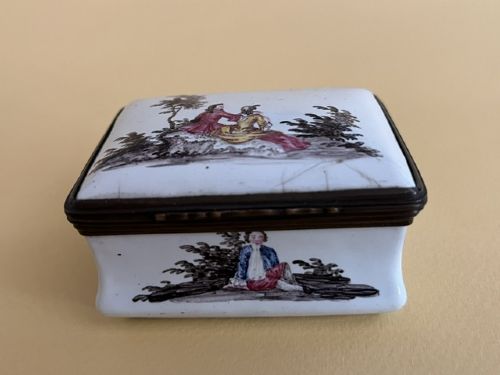
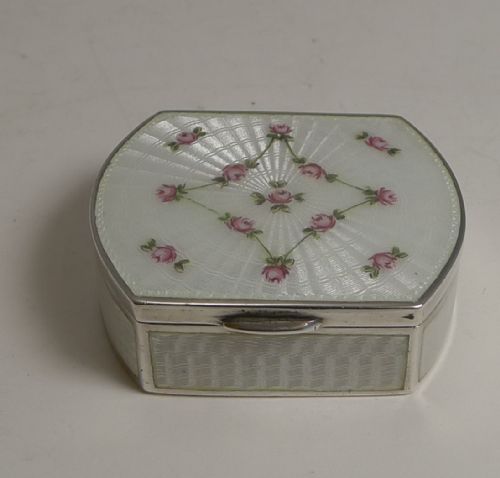
A white enamel pill box encompasses small decorative containers designed for pocket or purse, featuring glossy opaque white coatings over metal foundations. Buyers seeking this phrase encounter eighteenth-century Georgian patch and snuff boxes alongside early twentieth-century continental and Japanese iterations.
The prevailing examples on this page hail from the eighteenth century, specifically South Staffordshire and Bilston workshops. These Georgian pieces often display hand-painted pastoral scenes or inscriptions upon their characteristic white enamel surfaces.
Later nineteenth and twentieth-century variations also appear, including heavy sterling silver pieces with guilloche enamel and Japanese cloisonné boxes. Each version serves as a miniature canvas, balancing practical containment with ornate decorative arts.
Materials and construction methods
These items rely on copper or brass bases fused with vitreous enamel paste through high-temperature firing. Artisans applied the white enamel ground to both interior and exterior surfaces before hand-painting detailed vignettes or floral motifs directly onto the glass layer.
Georgian patrons once popped tiny silk beauty patches into these exact white boxes to artfully conceal small blemishes during carriage rides.
Assessing quality and craftsmanship
Quality reveals itself in the smoothness of the enamel glaze and the precision of the hand-painted details. Finer Georgian specimens display crisp figurative work and minimal crazing or surface firing flaws across the white ground.
The structural integrity of the metal hinge and the precise alignment of the lid indicate superior workshop production. Robust gilt metal mounts and well-preserved gilding distinguish the more accomplished boxes from utilitarian counterparts.
The White Enamel Pill Box Glossary
- Enamel
- A vitreous substance fused to a metal base through kiln firing. This glassy coating provides a durable, glossy surface suitable for miniature painting.
- Guilloche
- An ornamental pattern mechanically engraved into metal beneath an enamel layer. This technique creates repeating geometric waves that catch the light.
- Patch box
- A small container originally used to hold cosmetic fabric patches fashionable in the eighteenth century. These Georgian trinkets share identical construction methods with early pill boxes.
- Cloisonne
- A decorative metalwork technique where thin wire partitions hold enamel pastes in place. Japanese examples utilise this method to render distinct floral designs.
- Gilt metal
- Base metal treated with a thin layer of gold applied via fire gilding or electroplating. This finish enhances the decorative appeal of box mounts and rims.
White Enamel Pill Box: Frequently Asked Questions
What were white enamel pill boxes used for?
These small vessels originally held medicinal pills, breath-freshening comfits, or cosmetic face patches in the eighteenth and nineteenth centuries.
Today, owners utilise them to store modern medication, small rings, or delicate earrings inside handbags and display cabinets.
How do I date a Georgian enamel box?
Examination of the copper base, hinge construction, and painting style helps determine the period of origin. Eighteenth-century Bilston and Staffordshire pieces typically feature characteristic hand-painted scenes on white enamel grounds.
Later Victorian and Edwardian items introduce heavier silver mounts and machine-assisted engraving techniques that differentiate them from Georgian work.
Are these boxes made of solid silver?
Most eighteenth-century examples utilise copper or brass cores coated in vitreous enamel, often finished with gilt metal mounts rather than solid silver.
Later nineteenth and twentieth-century pieces occasionally incorporate sterling silver framing, particularly when combined with complex guilloche or cloisonne enamel work.
How should I care for antique enamel?
Enamel requires gentle handling to prevent chipping or cracking of the glass surface against hard objects. Cleaning should involve only a soft, dry cloth without abrasive polishes or harsh chemical immersion.
Protecting the delicate metal hinges from strain preserves the original alignment and ensures the lid closes securely.