



Bilston Enamel Patch Box
These small containers combined bright colours and painted scenes to hold cosmetic face patches during the Georgian era.
Bilston Enamel Patch Box
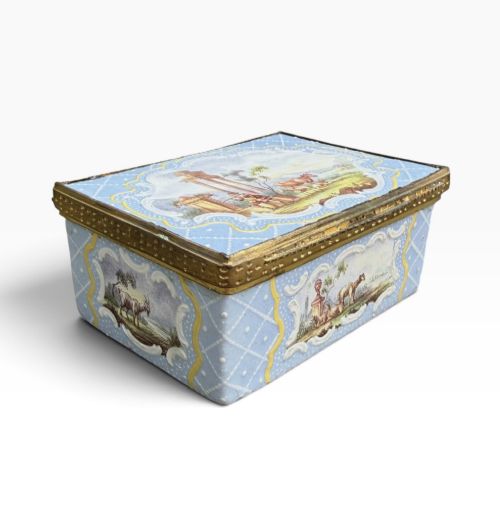
A bilston enamel patch box is a small Georgian container created to hold the small silk or velvet patches fashionable for cosmetic use. Most examples seen here date from the eighteenth century, originating from the Staffordshire region.
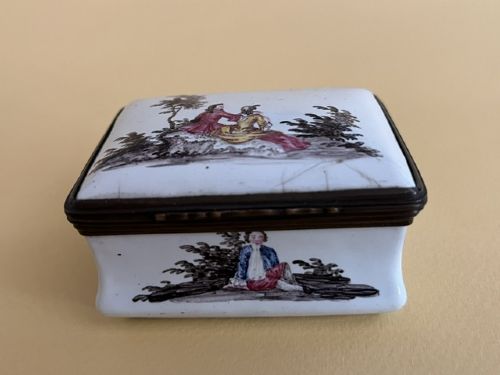
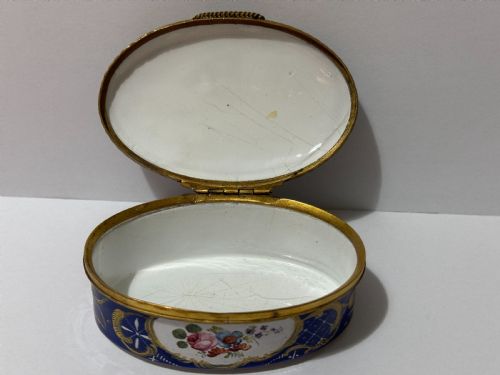
The assortment includes rectangular, oval, navette-shaped and heart-shaped vessels, alongside novelty bird and spaniel forms. Many incorporate hinged lids, and certain variants feature internal mirrors.
Makers inscribed lids with sentiments like a token of esteem or topographical views such as Cheltenham Wells and Buxton. These pieces served as personal gifts or keepsakes in addition to their cosmetic utility.
Materials and construction methods
Craftsmen formed the body from copper, shaping the metal into boxes before applying opaque white or coloured enamel over the surface. The enamel was fired at high temperatures to create a smooth, glossy ground ready for painting.
Polychrome enamel pigments were hand-painted onto the lid and sides to depict figures, landscapes, birds, or inscriptions. Mounts and hinges utilised brass, gilt metal, or copper gilt to frame the enamel panels securely.
Recorded forms span standard rectangular and oval boxes alongside novelty animal shapes depicting birds and spaniels.
Quality variations in enamel boxes
Quality rests primarily on the crispness and detail of the hand-painted decoration on the lid. Finer pieces display delicate brushwork in landscape scenes and lettering, whereas simpler versions show basic or repetitive motifs.
The condition of the vitreous enamel surface and the snugness of the metal hinge dictate the integrity of the piece. Clean surfaces free from heavy crazing or extensive restoration represent the higher end of the range.
The Bilston Enamel Patch Box Glossary
- Patch box
- A small container designed to hold cosmetic face patches made of silk or velvet. These boxes typically include a fitted mirror inside the lid.
- Enamel
- A glassy substance fused to a metal base through heat firing. It provides a smooth, durable canvas for decorative painting.
- Navette
- A boat-shaped vessel with pointed ends. This curved outline appears frequently in eighteenth-century trinket boxes.
- Gilt metal
- Base metal treated with a thin layer of gold wash or leaf. It adds a bright metallic border to the enamel panels.
- Staffordshire
- The English county encompassing Bilston, which served as a major centre for enamel and pottery production during the Georgian period.
Bilston Enamel Patch Box: Frequently Asked Questions
What were patch boxes used for?
Georgian society utilised these tiny containers to store small silk, taffeta, or velvet patches placed on the face. These shapes served to conceal blemishes or display fashionable beauty marks.
They also functioned as snuff boxes or general trinket containers for carrying small keepsakes in a pocket or purse.
How do you date an enamel box?
Dating relies on stylistic clues, the shape of the copper body, and the type of metal hinges employed. Most eighteenth-century examples feature pinch-backed copper mounts and characteristic Georgian colour palettes.
Inscriptions naming specific events or spa towns like Buxton or Cheltenham also help anchor the period of production.
Are these boxes made of solid enamel?
No, the structure consists of a shaped copper base coated in fused glass enamel. The metal body provides structural rigidity while the enamel provides a smooth decorated surface.
Metal mounts of brass or gilt metal reinforce the edges and secure the hinged lid.
Why do some boxes have mirrors inside?
The interior mirror allowed the owner to check the placement of their cosmetic face patches when applying them away from a dressing table. It added practical utility to an otherwise decorative pocket accessory.
Mirrored variants are particularly sought after by collectors for their complete interior fittings.