
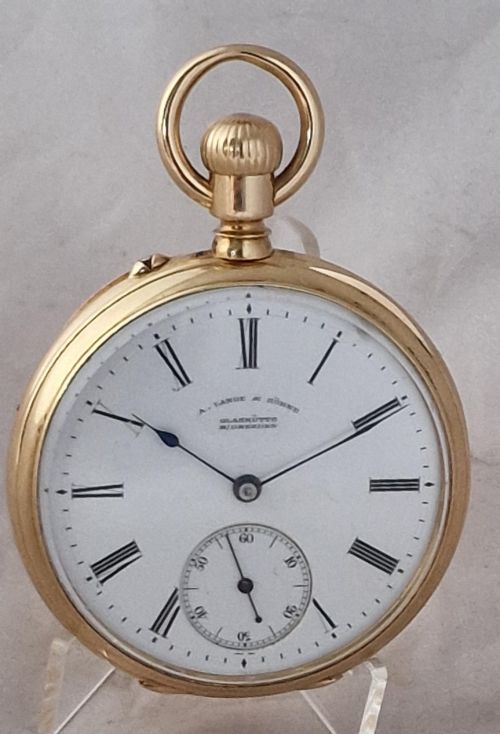
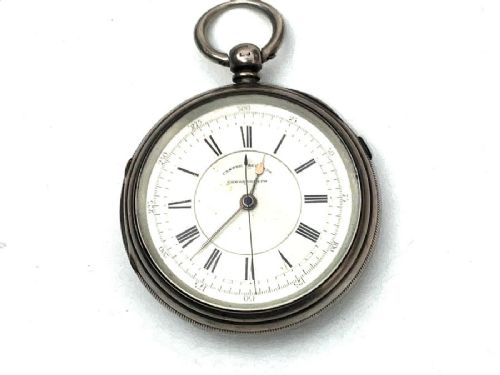
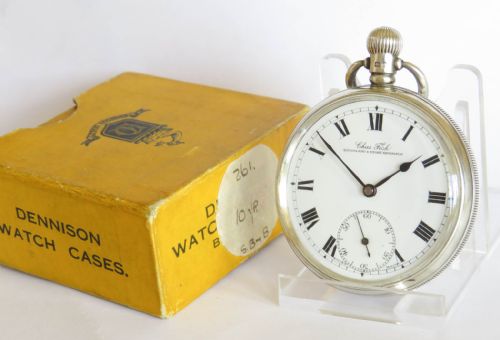
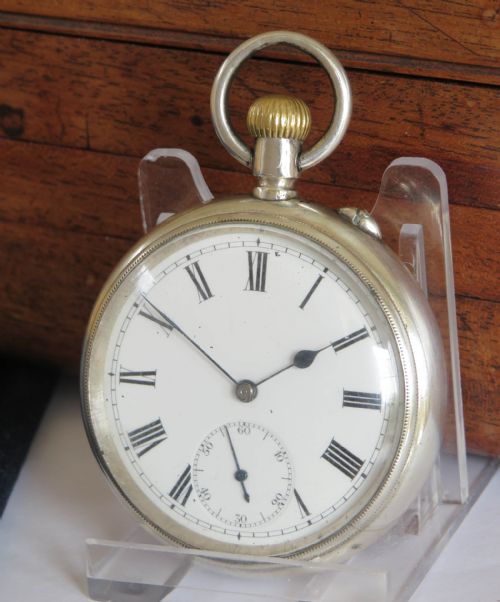
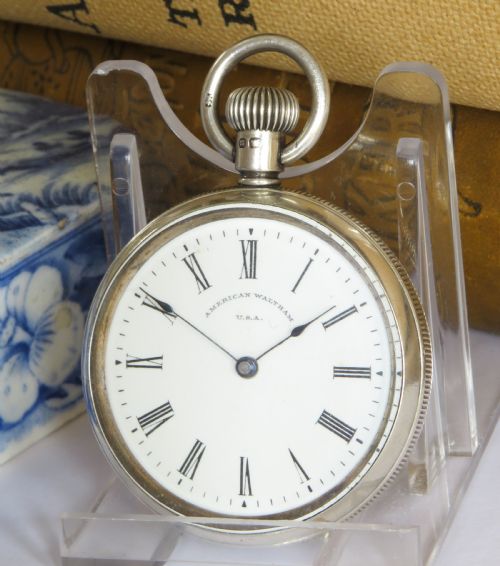
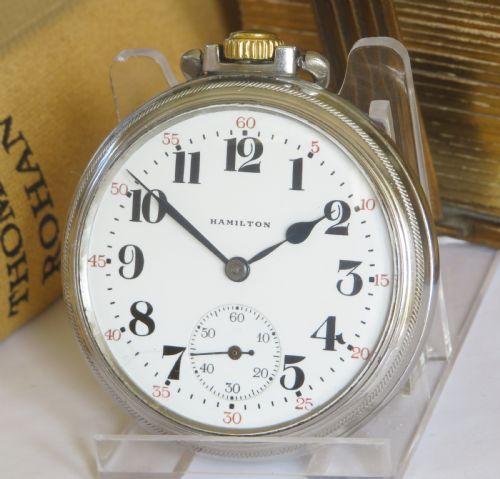

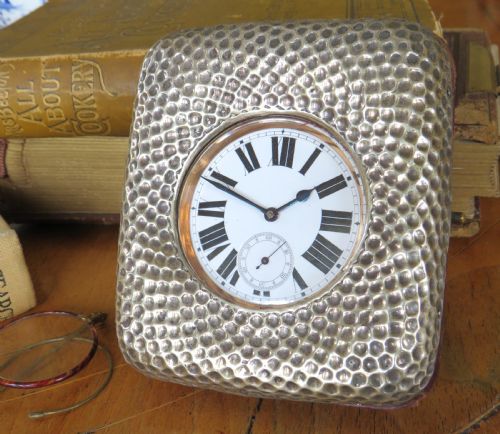


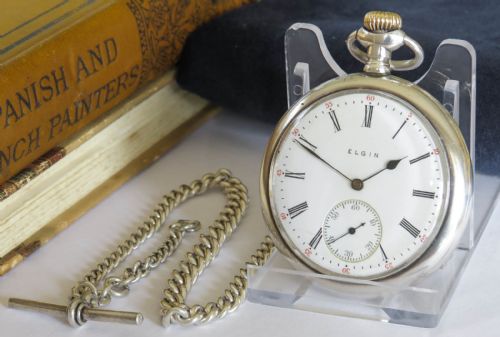
White Enamel Dial Timepiece
A white enamel dial timepiece offers crisp readability and classic engineering, bridging the gap between functional desk gear and pocket horology.
White Enamel Dial Timepiece
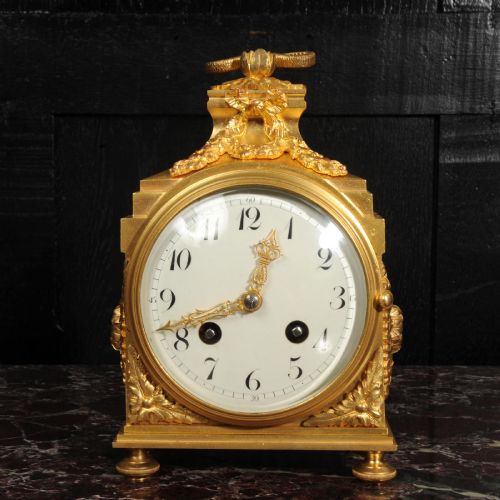
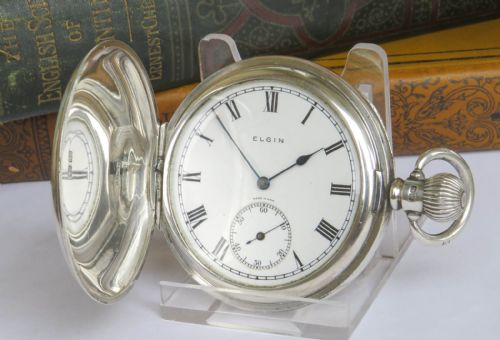
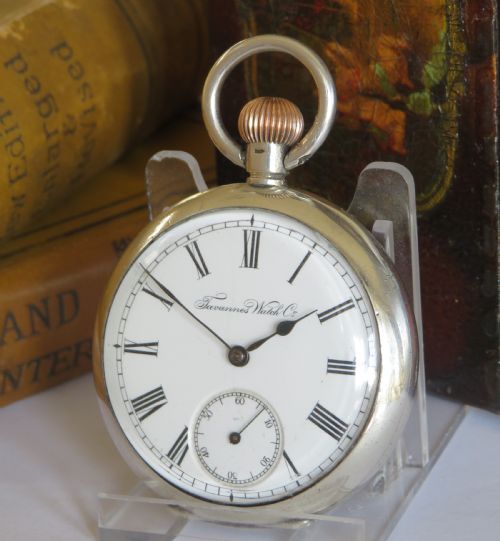
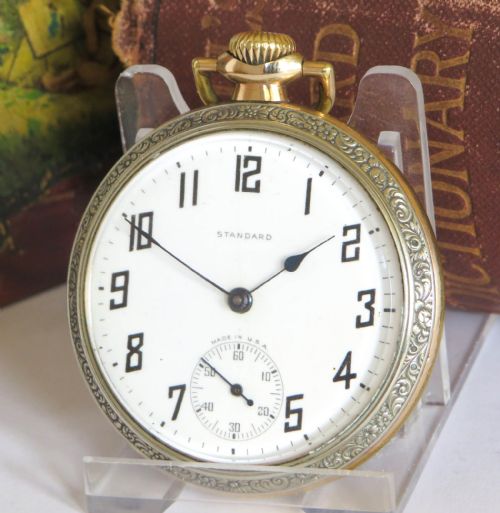
A white enamel dial timepiece gathers items where hours are marked clearly against a bright, fired surface, encompassing both pocket watches and portable carriage clocks. When you search for this phrase, you meet brass travel pieces, silver pocket watches, and gilt carriage clocks from the Victorian and Edwardian eras. These objects range from miniature brass alarms to heavy French striking clocks designed for desks or travel.
The material identity rests heavily on the smooth, glossy face that refuses to fade or tarnish like metal. Most examples hail from the nineteenth and early twentieth centuries, bearing French or British signatures. They serve as mechanical survivors that still tick reliably on a mantelpiece or rest comfortably in a waistcoat pocket.
Materials and construction
Makers fused powdered glass onto copper or brass plates at high heat to create the pristine white enamel faces, painting numerals and minute tracks by hand before firing again. This vitreous surface provides a hard, impervious shield that protects the dial underneath from dust and age.
Cases rely on cast and polished brass, gilt bronze, silver, or solid gold plate to house the delicate escapements and gear trains. Heavy glass panels often protect the sides of carriage clocks, allowing full view of the moving brass gears within.
Materials recorded in current stock include solid gold plate, gilt brass, sterling silver, and marble.
Judging execution and finish
Quality reveals itself in the crispness of the enamel firing, where superior pieces lack hairline cracks, chips, or poorly aligned numeral painting around the winding holes. The weight and hand-finishing of the brass or silver casing also set finer examples apart from mass-produced output.
Internal mechanics dictate the higher tiers, notably platform escapements with jewelled bearings and complications like repeaters or alarms that require precise assembly by skilled watchmakers.
Lange & Sohne·Waltham·Pickford of London·Omega·Zenith·Paul Garnier·Charles Frodsham·Hamilton
The White Enamel Dial Timepiece Glossary
- White enamel dial
- A metal disc coated in fused glass powder to create a smooth, permanent white background for painted numerals. This technique ensures the face remains bright and legible for generations.
- Carriage clock
- A portable, spring-driven timekeeper enclosed in a brass case with glass panels, originally built for travel by coach. They often feature pivoting carrying handles on top.
- Escapement
- The internal mechanism that controls the release of power from the mainspring to the gear train at regular intervals. It produces the characteristic ticking sound of the clock.
- Hunter pocket watch
- A pocket watch featuring a spring-loaded metal cover that snaps shut over the glass face to protect it from scratches. Half hunter versions include a small glass window in the cover to check the hands directly.
- Pendule d'Officier
- A French military officer style of miniature freestanding clock, built for rugged portability with a robust movement. They frequently incorporate striking or alarm functions.
White Enamel Dial Timepiece: Frequently Asked Questions
How do I wind a carriage clock?
Insert the appropriate winding key into the arbour located on the backplate or underside of the movement, then turn it gently clockwise until you feel firm resistance. Avoid over-winding, as this can snap the internal mainspring.
Ensure you handle the heavy brass case securely by its base rather than relying on the decorative top handle while winding.
Are pocket watches waterproof?
Antique pocket watches lack modern rubber gaskets and seals, meaning moisture and dust enter easily through the crown, stem, and case joints. Even enclosed hunter cases offer no genuine water resistance.
Keep these timepieces away from rain, sinks, and high humidity to prevent internal rust.
How often should an antique clock be serviced?
Mechanical clocks require professional cleaning and lubrication every three to five years to remove old, gummed-up oils that cause wear on the brass pivots and gear teeth. Regular servicing keeps the movement running accurately.
Attempting to run a dry clock causes permanent friction damage to the delicate metal components.
What causes hairspring cracks on enamel dials?
Enamel consists of glass fused to metal, and sudden temperature shifts or physical shocks cause the underlying metal to expand or contract at a different rate than the glass coating. This stress produces fine hairline fractures across the white surface.
Display the timepiece away from direct sunlight and draughts to minimise thermal shock.