



Antique Watch Movement
These antique watch movement options span pocket watches and wristwatches from the Victorian era through the mid-twentieth century.
Antique Watch Movement
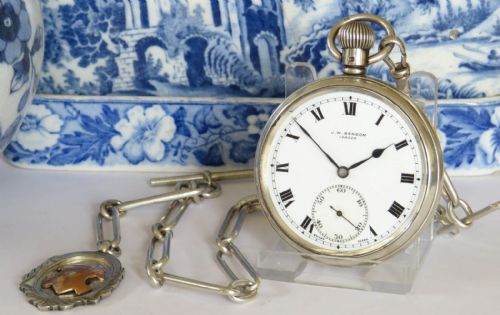
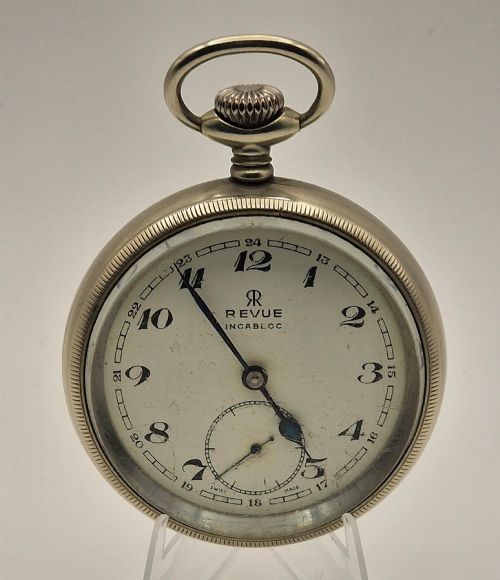
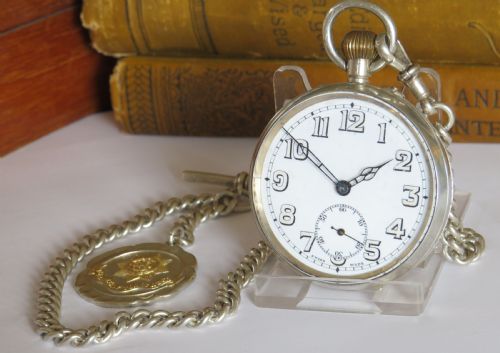
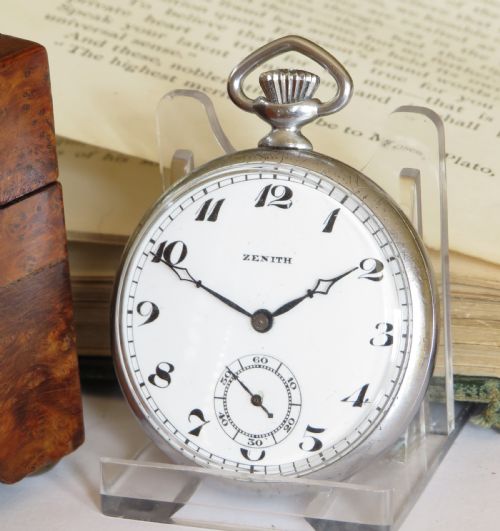
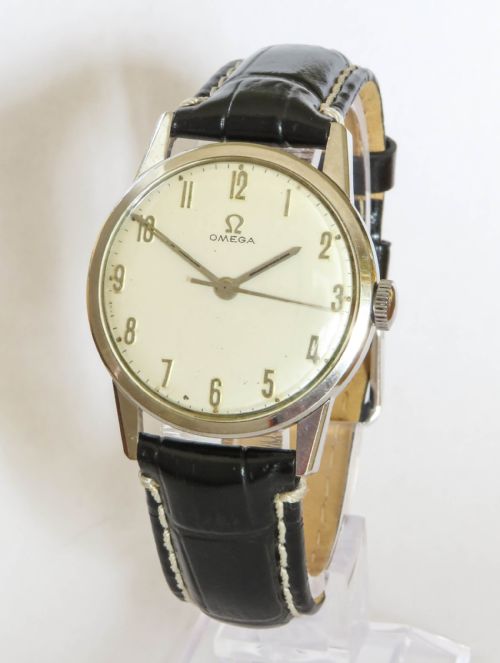
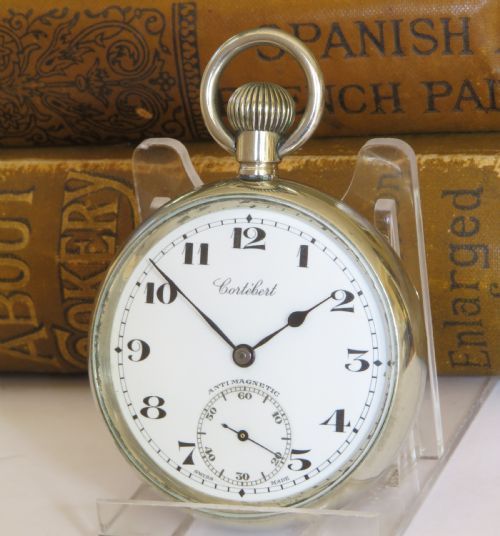
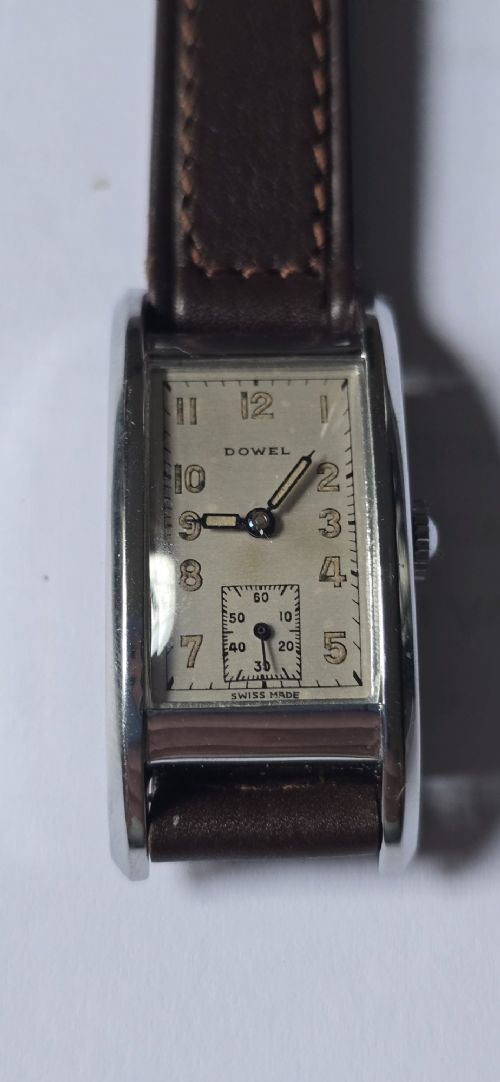
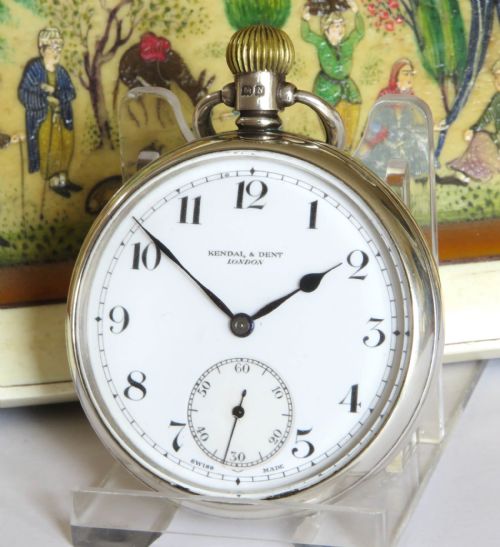
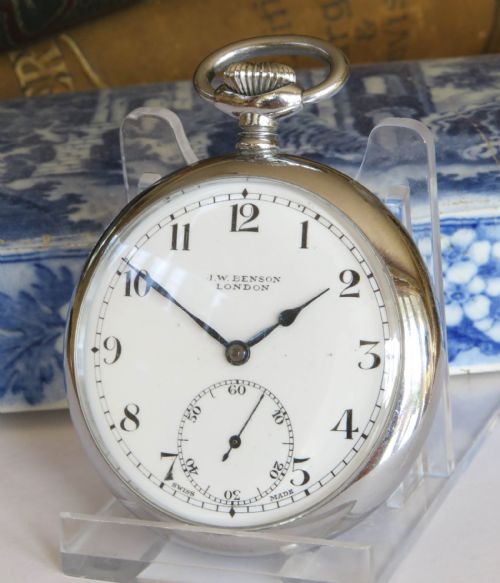
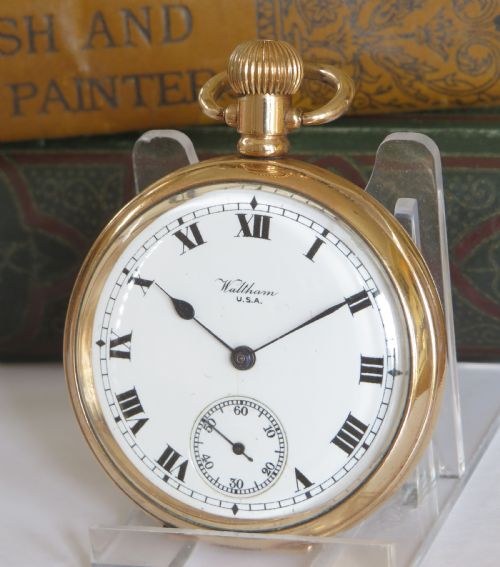
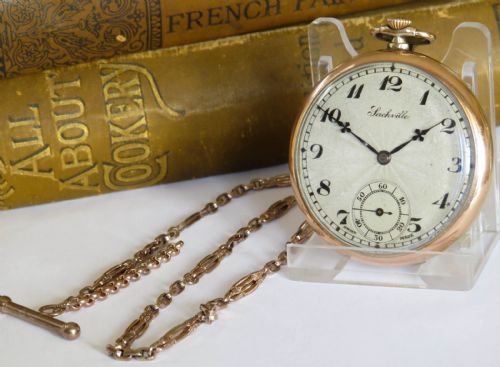
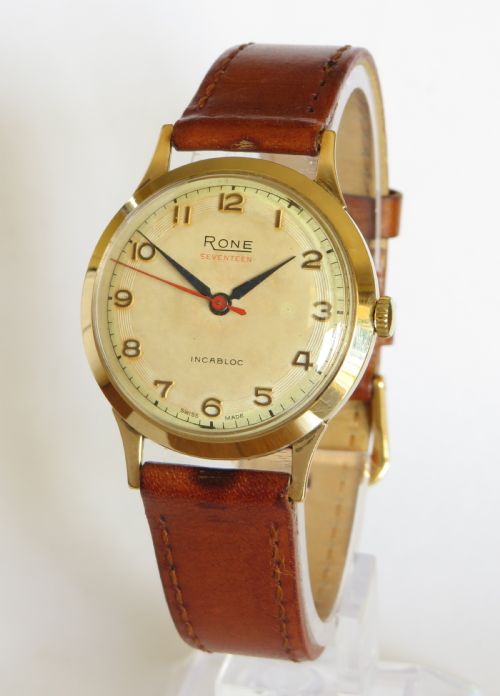
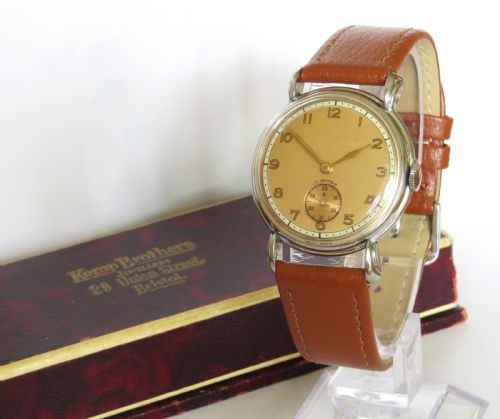
When you search for an antique watch movement, you encounter a diverse range of horological pieces including pocket watches and wristwatches spanning from the nineteenth century through the 1960s.
The selections on this page most commonly take the form of pocket watches and wristwatches originating from the 1900s, 1920s, 1930s, 1940s, and 1950s periods.
Makers and styles represented encompass Edwardian, Victorian, Art Deco, and Mid-Century Modern designs, alongside military issues from the 1940s.
Materials and construction
The casings utilise metals such as stainless steel, gold plate, gun metal, silver, and solid gold, paired with components made from brass and steel.
Dials and protections incorporate enamel, glass, acrylic, and leather straps, reflecting the functional and aesthetic choices of periods from Late Victorian to the 1960s.
Antique Watch Movement Retail Price Guide 2026
Typical asking prices for watch movement among the pieces listed under this phrase on Sellingantiques today, from the lower quarter to the upper quarter. They describe what is for sale here now, not the wider market.
The inventory spans Victorian, Edwardian, Art Deco, and Mid-Century Modern design styles.
Judging the pieces
Distinctions in the range often stem from the complexity of the mechanism, such as chronograph functions and specific calibres, alongside the prestige of the maker.
The choice of casing material, from standard base metals and gold plate to solid gold and sterling silver, dictates the upper tiers of the selection.
Omega·Longines·Tissot·Gruen Precision·Stauffer·Waltham·Elgin·Tiffany and Co
The Antique Watch Movement Glossary
- Calibre
- The specific internal movement designation used by the manufacturer. This number identifies the exact mechanical design of the watch.
- Chronograph
- A watch equipped with a stopwatch function alongside standard timekeeping. These models often feature additional sub-dials on the face.
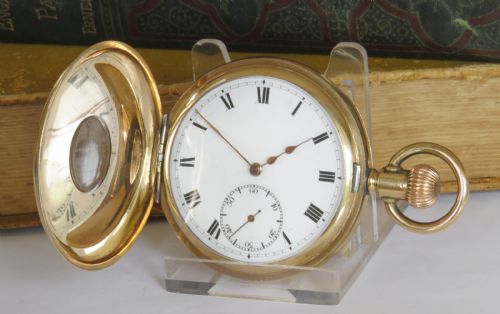
- Half Hunter
- A pocket watch case featuring a glass or open centre in the front lid. This allows the user to read the time without opening the outer cover.
- Fusee
- An early mechanical cone-shaped pulley system designed to equalise the power of the mainspring as it wound down. It appears in nineteenth-century English pieces.
- Lever movement
- An escapement mechanism utilising a lever and pallet jewels to regulate the release of power. This became the standard for precision timekeeping.
Antique Watch Movement: Frequently Asked Questions
How do I identify a 1940s military watch?
Military issues from the 1940s typically display specific case back engravings, stark high-contrast dials for readability, and robust stainless steel or chrome-plated housings. Many include specialised markings relevant to service branches.
These timepieces prioritise functional durability and precise manual wind movements over decorative exterior ornamentation.
What is an auto-wind wristwatch?
An auto-wind wristwatch, often termed self-winding, utilises an internal oscillating weight that moves with the natural motion of the wearer's wrist. This movement continually winds the mainspring without manual intervention.
This technology became prominent in mid-century horology, offering greater convenience for daily wear compared to traditional manual wind calibres.
How do I date a pocket watch?
Dating a pocket watch involves examining serial numbers on the movement or case, hallmarks on silver and gold housings, and stylistic clues from the dial and hands. Different makers recorded production years through distinct numbering systems.
Reference tables for specific makers or assay office hallmarks on precious metal cases provide the most accurate manufacturing date.