



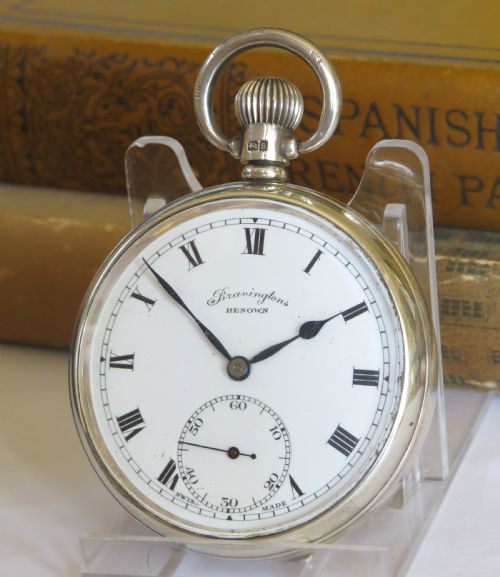

Gentlemans Vintage Pocket Watch
A gentlemans vintage pocket watch brings mechanical mastery to the waistcoat pocket, offering timeless utility and precise craftsmanship.
Gentlemans Vintage Pocket Watch
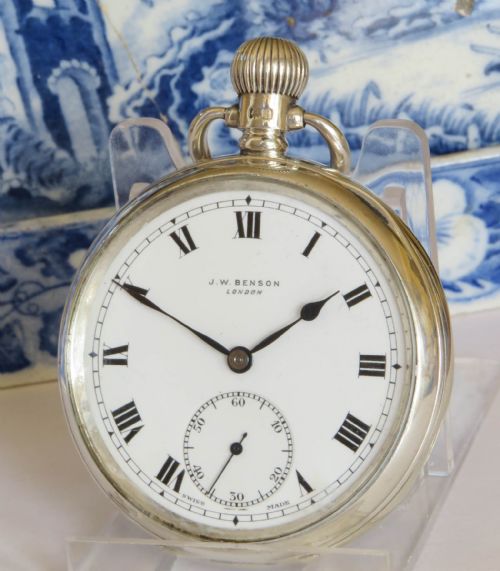
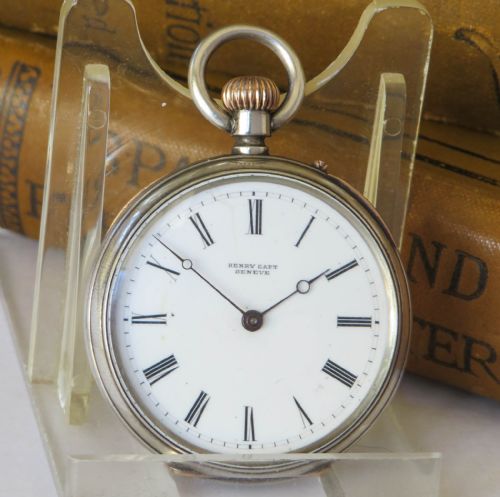
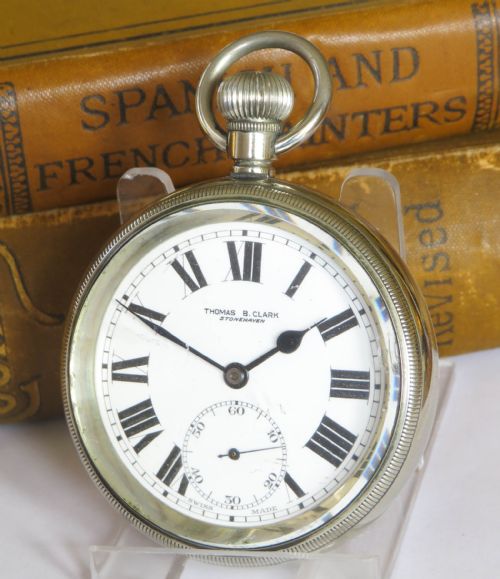
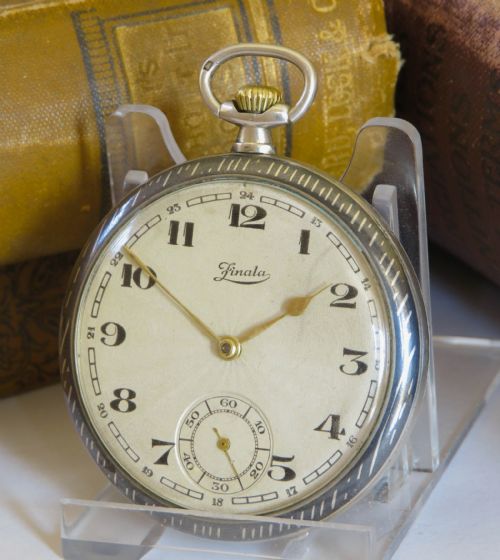
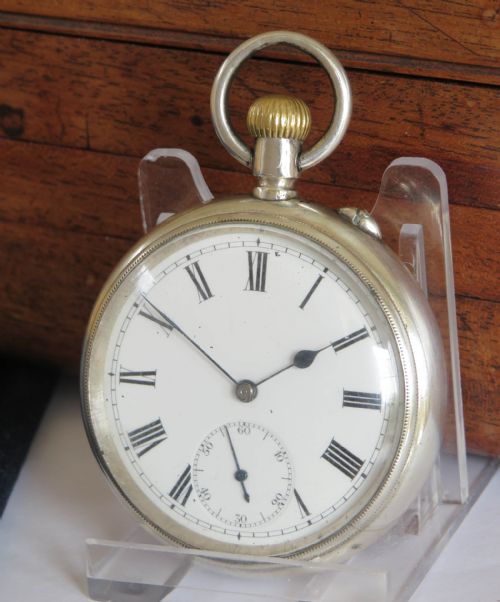
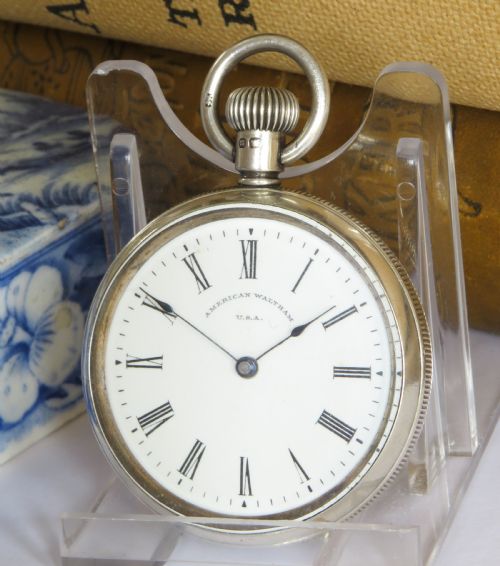
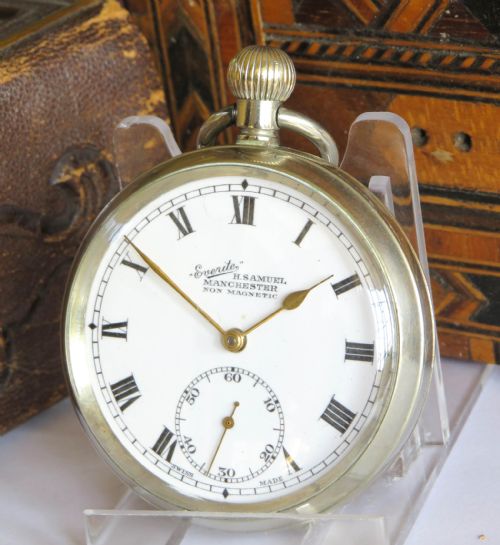
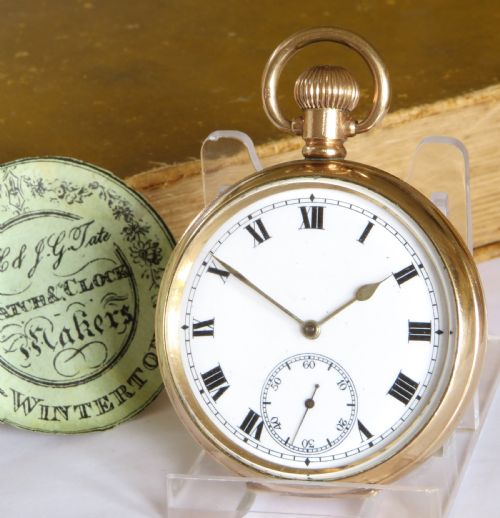
When you search for a gentlemans vintage pocket watch, you encounter timepieces spanning from the late nineteenth century through to the mid-twentieth century. The selection ranges from robust nineteenth-century silver pieces to refined Art Deco examples from the nineteen-thirties.
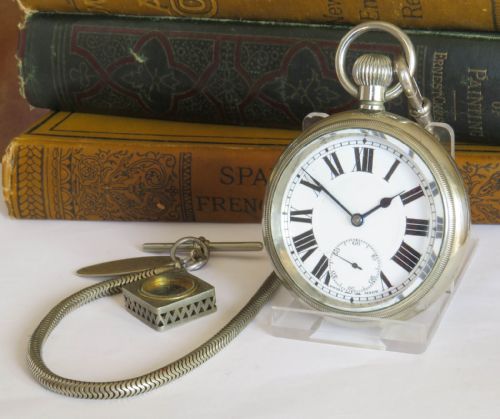
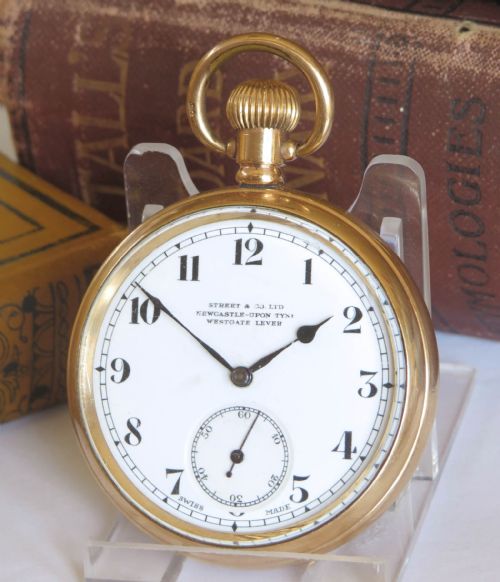
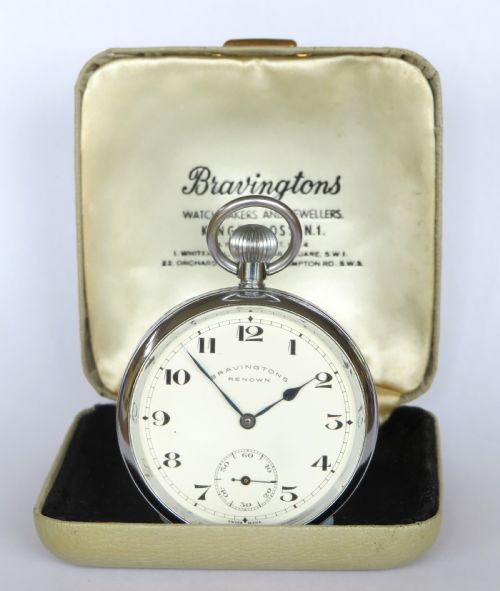
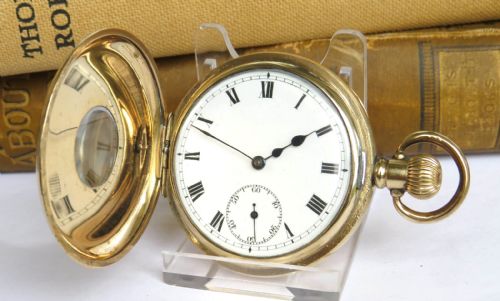
Most items on this page present open-faced or half hunter forms alongside accessories such as chains, alberts, compasses and fobs. These portable timepieces reflect changing mechanical preferences across the Victorian, Edwardian and mid-century eras.
Makers and retailers represented across the periods include Omega, Revue, Minerva, Silvana, Bravingtons, Stauffer, Everite, Waltham, Limit, Hamilton, Nirvana, Record, Baume and Co, Tavannes and Zenith.
Materials and construction methods
Cases utilise metals such as steel, brass, chrome, silver and gold plate, alongside solid nine-carat gold examples featuring engine-turned surface patterns. Enamel dials provide clear contrast for hands and numerals.
Movements rely on precision mechanical engineering, often employing stem winding mechanisms to power the gear trains housed beneath glass crystals.
Gentlemans Vintage Pocket Watch Retail Price Guide 2026
Typical asking prices for gentlemans vintage pocket watch among the pieces listed under this phrase on Sellingantiques today, from the lower quarter to the upper quarter. They describe what is for sale here now, not the wider market.
Listings span periods from the nineteenth century through the nineteen-fifties, featuring materials like silver, gold plate and chrome.
Factors that distinguish individual examples
The sophistication of the movement and the reputation of the maker distinguish standard production items from finer pieces. Named watchmakers and retailers introduce higher standards of mechanical finish and casework durability.
The integrity of the materials, from solid gold and silver cases to intricate engine-turned decoration and enamel dials, determines the overall calibre of the watch.
Omega·Revue·Minerva·Silvana·Bravingtons·Stauffer·Waltham·Limit·H Samuel·Hamilton·Lambert Bros·Record·Baume and Co·Tavannes·Zenith
The Gentlemans Vintage Pocket Watch Glossary
- Half hunter
- A pocket watch case featuring a protective outer cover with a glass-centred aperture that displays the hands. This design allows quick time reading while shielding the dial from damage.
- Stem winding
- A mechanism where the mainspring is tensioned by turning the crown situated at the pendant. It superseded key-wound systems during the later nineteenth century.
- Engine-turned
- A surface decoration technique utilising a lathe to engrave precise geometric patterns into metal cases. This ornamentation catches the light and adds tactile depth to gold and silver surfaces.
- Albert
- A chain attached to a pocket watch, designed to secure the timepiece to a waistcoat or buttonhole. They frequently incorporate attachments like compasses and fobs.
- Open faced
- A watch design lacking a protective metal front cover, exposing the glass crystal and dial directly to view. This form allows immediate checking of the time.
Gentlemans Vintage Pocket Watch: Frequently Asked Questions
How do I wind a vintage pocket watch?
Most pieces utilise stem winding mechanisms where you rotate the crown between your thumb and forefinger until you feel gentle resistance. Do not force the crown once tension builds up.
Take care not to overwind the mainspring, as this can strain the internal mechanical components of older movements.
How do I wear a pocket watch?
Secure the watch to your waistcoat or jacket using an albert chain looped through a buttonhole. Slip the watch itself into the designated pocket.
Ensure the chain has enough slack to prevent pulling the timepiece when you lift it out to check the hours.
How do I date my pocket watch?
Examine the dial styling, case materials and movement signatures to place the item within periods like the Victorian era or the nineteen-thirties.
Makers' marks and retail names stamped on the plates or inside the case provide reliable clues to the decade of manufacture.