




Hallmarked Silver Pocket Watch
A hallmarked silver pocket watch is a precision timepiece bearing official assay office stamps, offering tangible heritage and mechanical charm.
Hallmarked Silver Pocket Watch
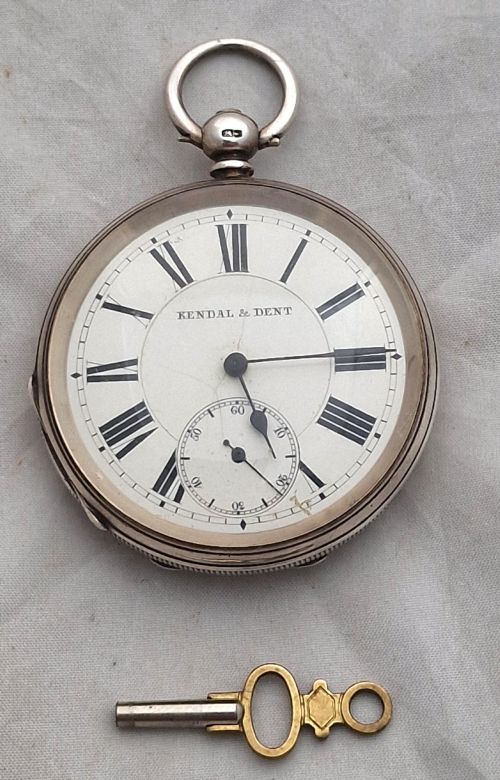
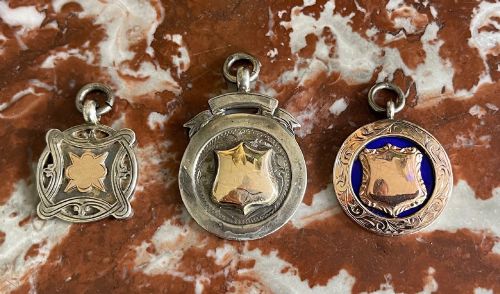
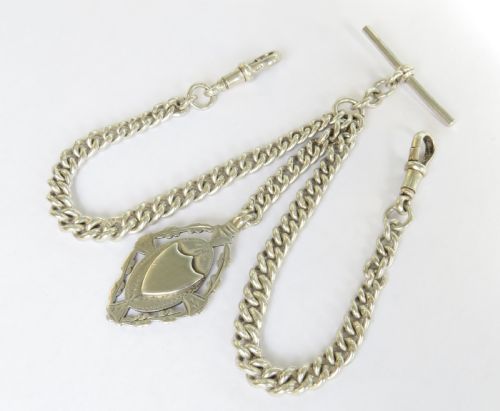
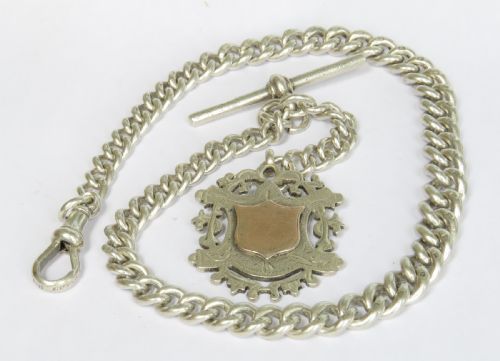
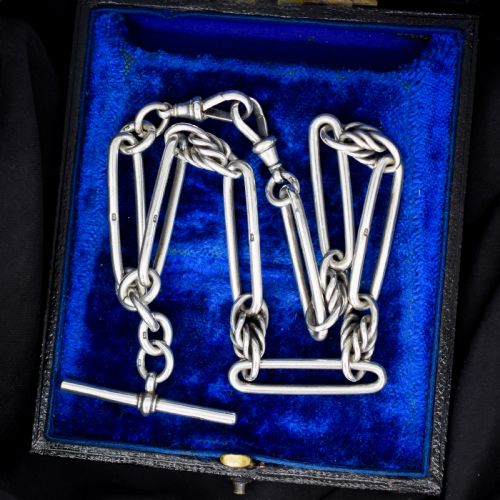
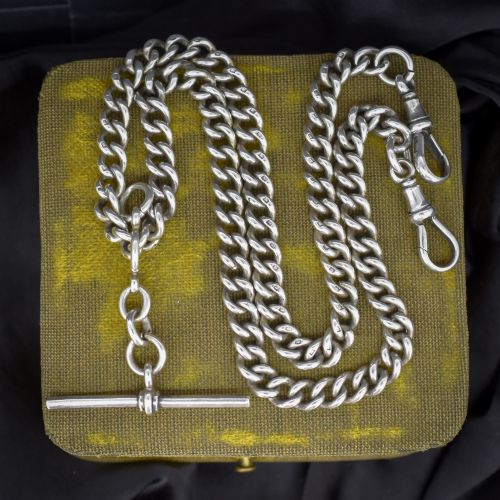
A hallmarked silver pocket watch represents a portable timepiece from the nineteenth and early twentieth centuries, encased in sterling or standard silver and stamped with official assay marks. These watches survive alongside related accessories such as albert chains, double watch chains, sovereign cases, watch fobs, and watch holders.
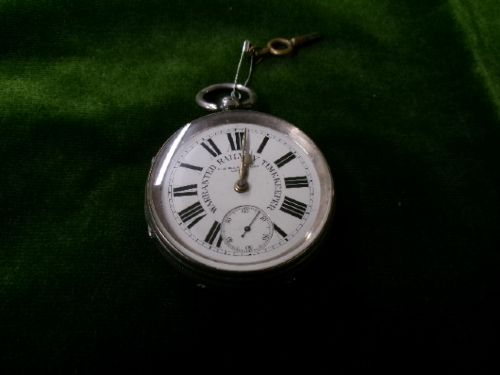
The pieces available on this page span the Victorian era, the Edwardian period, and the interwar years up to the 1930s, encompassing open-face designs, half hunter models, and railway timekeepers. Swiss and English movements both appear, including lever escapements and key-wound mechanisms housed within hallmarked silver cases.
Collectors frequently encounter associated items like watch chains with T-bars and dog clips, silver sovereign cases, and folding travelling clock cases alongside the watches themselves. Sterling silver dominates the material record, often paired with enamel dials and glass crystals.
How they were made
The construction of a hallmarked silver pocket watch relies upon precision metalworking, where silversmiths formed outer cases, bezels, and inner dust covers from sterling silver sheet. Assay offices then struck these cases with official hallmarks denoting the metal standard, city of assay, and date letter.
Movements inside these silver cases combine brass, steel, and gold-plated components assembled by watchmakers, often featuring lever escapements or key-wound mechanisms. Dials utilise white enamel painted with numerals, protected by fitted glass crystals and mounted with delicate metal hands.
The inventory records watch chains, sovereign cases, and watch holders alongside pocket watches.
What varies in quality
Quality in a hallmarked silver pocket watch rests upon the crispness of the case maker's punch marks and the legibility of the assay office stamps. Crisp hallmarks confirm the provenance and silver standard without excessive polishing that softens the edges of the metal.
Mechanical execution distinguishes standard production pieces from higher grade railway timekeepers or signed maker examples. The retention of original components, unblemished enamel dials, and intact case hinges define the upper tier of surviving specimens.
Aaron Lufkin Dennison·Kendal and Dent·J W Benson·J G Graves Sheffield·Dunhill
The Hallmarked Silver Pocket Watch Glossary
- Hallmark
- An official stamp applied by an assay office to guarantee the purity of precious metals. These marks typically include a maker's mark, standard mark, assay office town mark, and date letter.
- Albert chain
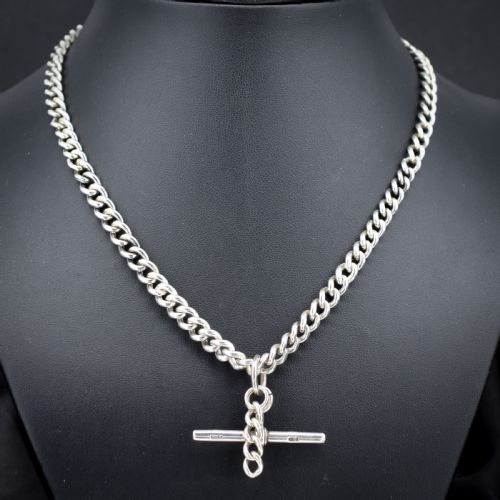
- A chain attached to a pocket watch, designed to secure the timepiece to a waistcoat or belt. Named after Prince Albert, these chains often feature curb links, T-bars, and dog clips.
- Half hunter
- A pocket watch case featuring a closed outer cover with a glass-centred aperture. This design allows the wearer to read the hands without opening the front cover.
- Lever escapement
- A mechanical linkage that transmits power to the balance wheel while regulating the gear train. This mechanism greatly improved the accuracy of portable timepieces.
- Sovereign case
- A small, round container designed to hold gold sovereign coins. These sterling silver cases frequently accompany watch chains and pocket watches in period collections.
- T-bar
- A crossbar attached to the end of a watch chain, designed to slip through a waistcoat buttonhole. It anchors the chain securely while the watch rests in the pocket.
Hallmarked Silver Pocket Watch: Frequently Asked Questions
How do I wind a pocket watch?
Most pieces require turning the crown clockwise until gentle resistance indicates the mainspring is fully tensioned. Key-wound specimens utilise a separate metal key fitted to a square arbor on the movement or dial.
Overwinding can damage the internal mechanism, so care is needed to stop turning the moment tension increases. Regular, gentle winding keeps the gear train operating smoothly.
What is an open face watch?
An open face pocket watch lacks a protective metal cover over the glass crystal, allowing the dial and hands to be read instantly. This style became standard for railway timekeepers where speed and visibility mattered.
Carrying an open face design safely requires a secure pocket and a stout albert chain to prevent accidental drops.
How are silver watch chains worn?
Albert chains fasten through a waistcoat buttonhole using the attached T-bar, with the watch sliding into the lower pocket. The pendant fob or sovereign case hangs down as a counterweight.
Double watch chains pass through the central buttonhole to anchor two items simultaneously, distributing weight evenly across the garment.
How do I read silver hallmarks?
Hallmarks consist of stamped symbols indicating the purity of the metal, the town where it was tested, and the year of assay. Sterling silver is denoted by a lion passant on English pieces.
Date letters change annually according to assay office alphabets, allowing collectors to date the silver case precisely to a specific year.
Can I wear a pocket watch daily?
Living with a vintage timepiece involves regular winding and careful handling to protect delicate internal components from shock. Storing the watch in a dedicated pocket or watch holder prevents surface scratches.
While mechanical movements function reliably, they benefit from occasional professional servicing to maintain accurate timekeeping.