


White Delftware Urn
White delftware urn pieces are tin-glazed earthenware vessels that bring historic ceramic character and classic form to an interior.
White Delftware Urn
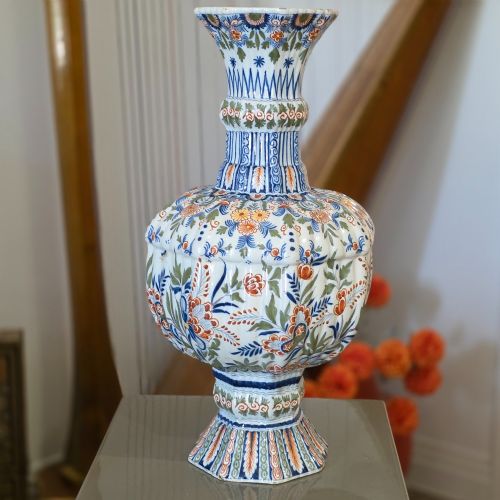
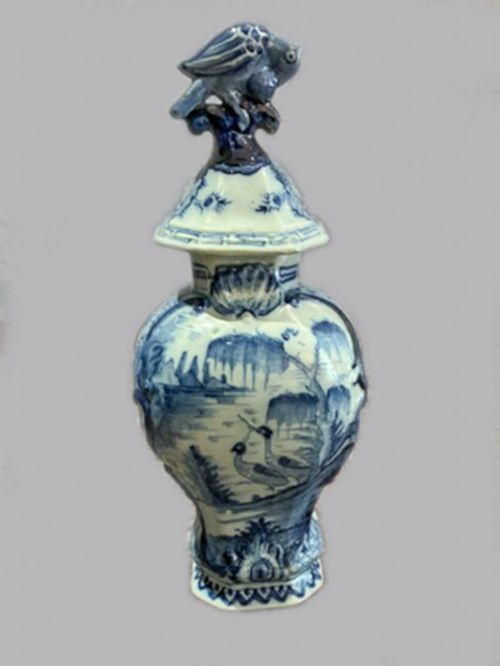
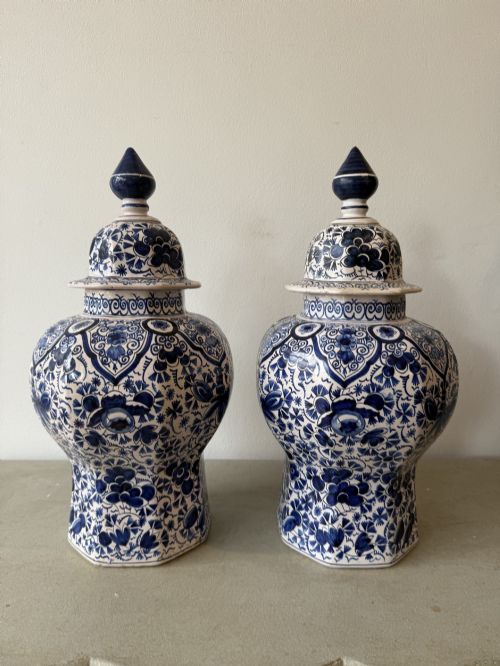
When you search for white delftware urn pieces, you encounter a range of ceramic vessels spanning several centuries. The selection includes garden urns, lidded jars, and vases originating from Dutch and French workshops.
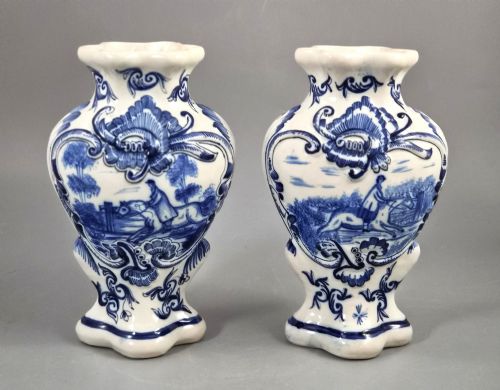
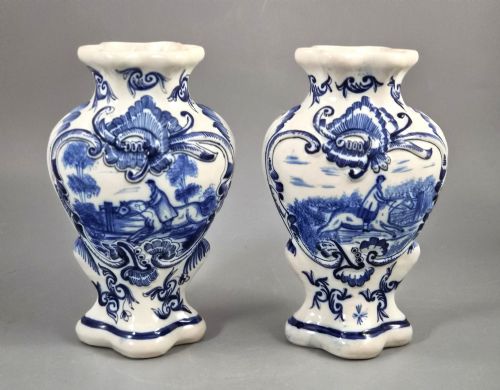
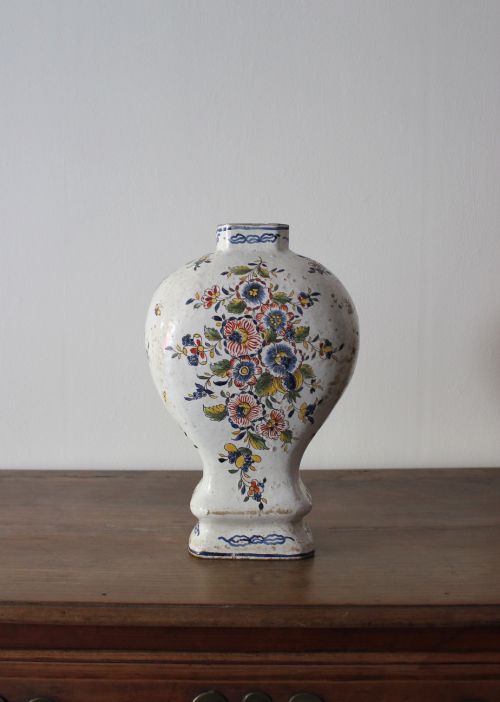
Most pieces seen here belong to the eighteenth and nineteenth centuries, taking forms such as baluster vases, beaker vases, and tobacco jars. Some examples arrive mounted as table lamps or paired as decorative ornaments.
Makers drew on Dutch Baroque, Rococo Revival, and Chinoiserie styles, producing both monochrome white surfaces and decorated bodies with blue or manganese pigments.
What varies in quality
Quality rests in the crispness of the earthenware form and the evenness of the tin glaze across the body. Superior examples maintain intact lids and well-defined ribs or handles without heavy distortion from the kiln.
Object forms include garden urns and planters alongside table lamps, beakers, and lidded jars.
Fourmaintraux-Courquin
The White Delftware Urn Glossary
- Tin-Glazed Earthenware
- Pottery fired with a lead glaze made opaque by the addition of tin oxide. This surface provides a smooth white ground for subsequent painting.
- Faience
- European tin-glazed earthenware, particularly associated with French production. It mirrors the techniques and aesthetics of Dutch delftware.
- Baluster
- A moulded vase shape with a rounded lower body and a narrower neck. This profile appears frequently among large decorative jars and urns.
- Chinoiserie
- European artistic style reflecting Chinese motifs and scenes. Makers applied these patterns in blue and white on earthenware vessels.
White Delftware Urn: Frequently Asked Questions
Are these urns waterproof?
Historic tin-glazed earthenware is porous and prone to moisture seepage through micro-fissures in the glaze over time. It is safer to use liners for fresh flowers or keep them dry as decorative ornaments.
Displaying them on mantels, tables, or within garden settings protects the ceramic body from internal water damage and preserves the historic glaze.
How do I clean delftware?
Dust the surface gently with a soft, dry cloth to remove everyday particles. Avoid harsh chemical cleaners or soaking the ceramic in water.
Moisture can penetrate old earthenware through hairline cracks in the glaze, so dry maintenance remains the standard approach for antique pieces.
Can I use them outside?
Garden urns and planters were designed to withstand outdoor conditions, though freezing winter temperatures can risk historic earthenware bodies. Bringing frost-sensitive pieces indoors during colder months prevents cracking.
Smaller vases and lidded jars are strictly indoor decorative objects and should not be exposed to the elements.
How do I date an urn?
Dating relies on observing the potting style, the tone of the tin glaze, and any painted motifs characteristic of specific periods like the eighteenth or nineteenth century. Examining the base and interior helps identify manufacturing methods of the era.
Comparing forms to documented examples from Dutch and French traditions provides further context for the age of the piece.