



White Cobalt Porcelain Bowl
A white cobalt porcelain bowl brings deep blue pigment and luminous white ceramic together across centuries of international kiln traditions.
White Cobalt Porcelain Bowl
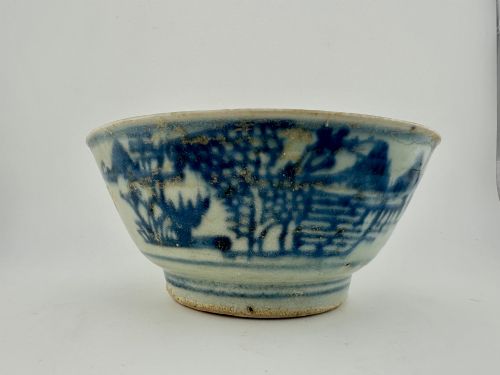
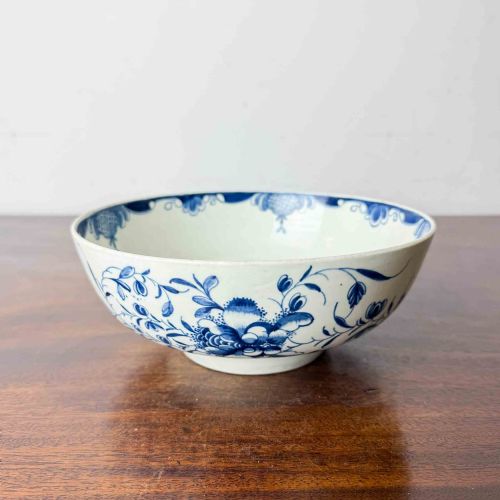
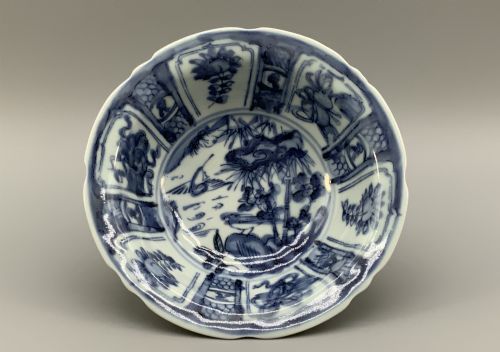
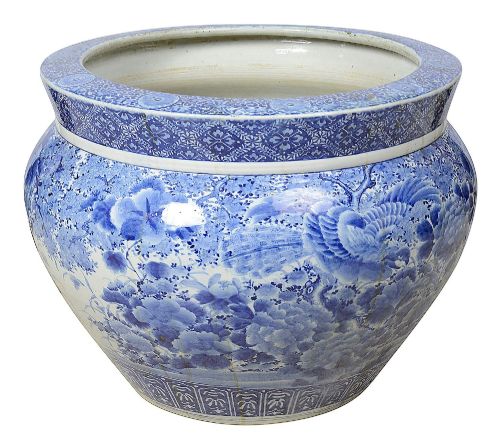
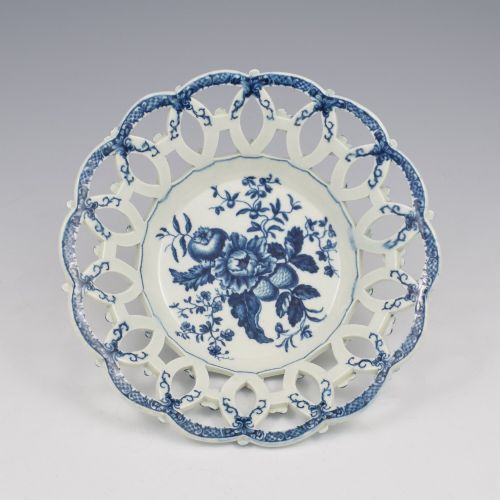
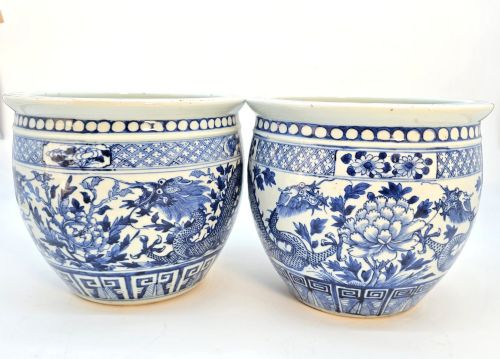
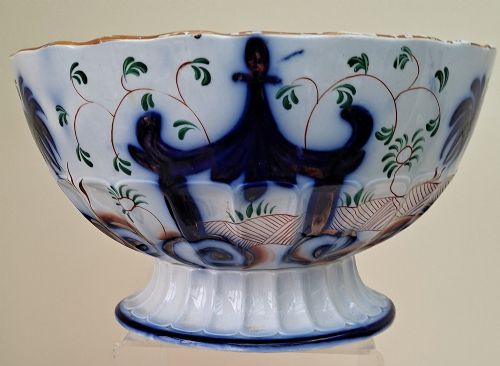
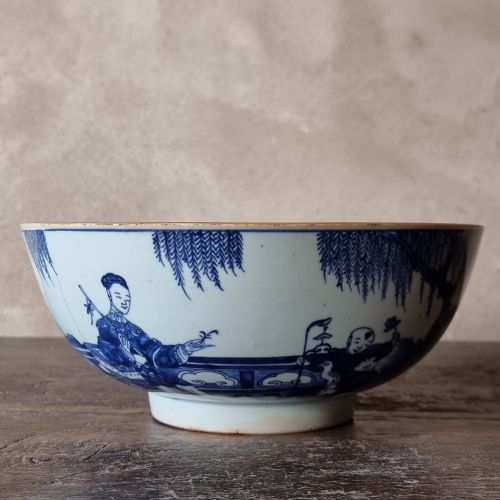
A white cobalt porcelain bowl encompasses forms ranging from modest tea bowls and punch vessels to large garden planters and decorative basins. When searching for a white cobalt porcelain bowl, collectors encounter items originating from Chinese dynasties, Japanese kilns, and European factories spanning multiple centuries.
The selection includes pieces bearing marks from the Kangxi and Wanli periods alongside English porcelain from Worcester and Lowestoft. Domestic vessels share space with heavier jardinières and specialised vessels like brush washers.
The aesthetic bridges domestic utilitarian objects and imperial display pieces. Many examples utilise underglaze decoration to depict dragons, floral motifs, and landscapes upon the ceramic body.
How they were made
Makers applied cobalt glaze or underglaze pigment directly to the ceramic body before firing the piece at high temperatures to vitrify the porcelain and fix the colour. Soft-paste porcelain and standard ceramic bodies received similar treatment depending on the kiln origin and period.
Surface embellishment frequently included hand-painted brushwork under a clear glaze, sometimes complemented by additional gilding or celadon-ground effects. Potters shaped these bowls either by throwing on a wheel or moulding, then finished them with foot rims and lobed or scalloped edges.
White Cobalt Porcelain Bowl Retail Price Guide 2026
Typical asking prices for white cobalt porcelain bowl among the pieces listed under this phrase on Sellingantiques today, from the lower quarter to the upper quarter. They describe what is for sale here now, not the wider market.
An eighteenth century punch bowl survived a shipwreck before finding its way to the display shelf.
What varies in quality
Quality rests in the precision of the cobalt brushwork and the clarity of the white porcelain ground. Controlled underglaze lines and balanced compositions distinguish exceptional imperial output from standard utilitarian wares.
The fineness of the potting, the stability of the glaze during high-temperature firing, and the sophistication of the decorative motifs set individual examples apart.
Doulton Burslem·Grainger and Co Royal Worcester·Lowestoft Porcelain
The White Cobalt Porcelain Bowl Glossary
- Underglaze
- Pigment applied to a ceramic piece before it receives a glaze coating and enters the kiln. This technique protects the painted design beneath a glassy layer.
- Soft-paste porcelain
- A ceramic composition containing glass frit or white clay mixtures fired at lower temperatures than hard paste. It possesses a slightly warmer tone and softer texture.
- Kraak
- Chinese export porcelain characterised by panelled borders and central landscape or floral motifs. It gained popularity in Europe during the sixteenth and seventeenth centuries.
- Jardiniere
- A large decorative pot or stand designed to hold growing plants. These heavy vessels often feature extensive blue and white landscape decoration.
- Celadon-ground
- A ceramic surface covered in a pale green or grey-green translucent glaze. Cobalt decoration is sometimes applied over or beneath this specific glaze tone.
White Cobalt Porcelain Bowl: Frequently Asked Questions
How are these bowls dated?
Dating relies on stylistic markers, reign marks, potting techniques, and the characteristics of the cobalt pigment. Comparative study of kiln output helps narrow the period of origin.
Changes in glaze formulation and export history provide further clues for placement within centuries of ceramic production.
Were these bowls used daily?
Many vessels served functional roles in dining, tea preparation, or punch service, while others served purely decorative display purposes. Punch bowls and tea bowls saw active domestic use.
Larger jardinieres and ritual censers fulfilled specific architectural and ceremonial functions within elite interiors.
What is underglaze blue?
Underglaze blue is a decorative method where cobalt oxide pigment is painted onto the raw or bisque ceramic body. A transparent glaze is applied over the top before firing.
This process seals the blue pigment beneath the glassy surface, preventing wear and protecting the design during long-term use.
How do I care for antique porcelain?
Antique porcelain requires gentle handling, stable environmental conditions, and washing by hand in tepid water without harsh detergents. Avoiding sudden temperature changes prevents stress fractures.
Display vessels benefit from secure placement away from high traffic areas and direct sunlight.