
White Ceramic Urns
White ceramic urns bring classical presence and hand-painted artistry to a room, ranging from grand Georgian porcelain to Dutch Delft earthenware.
White Ceramic Urns
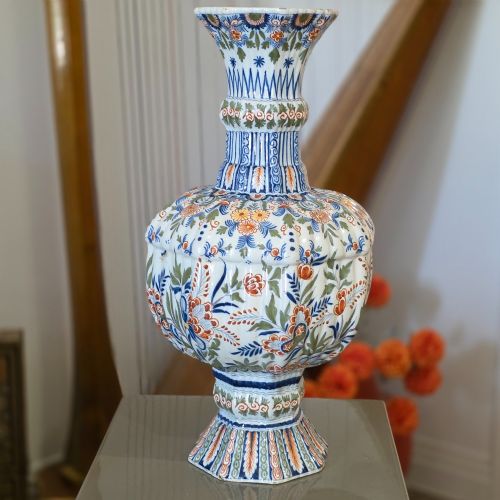
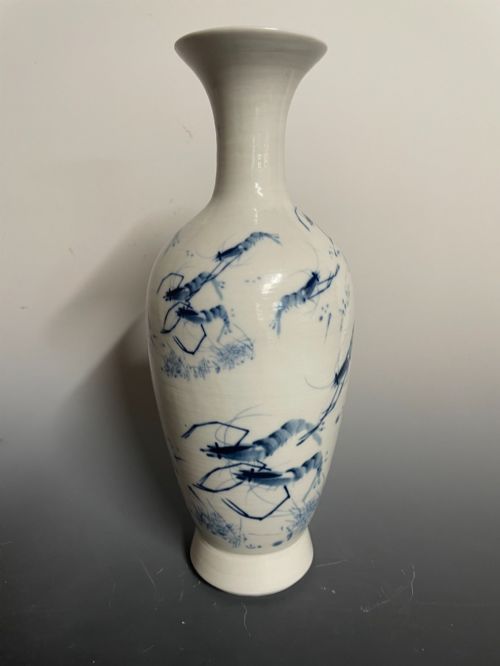
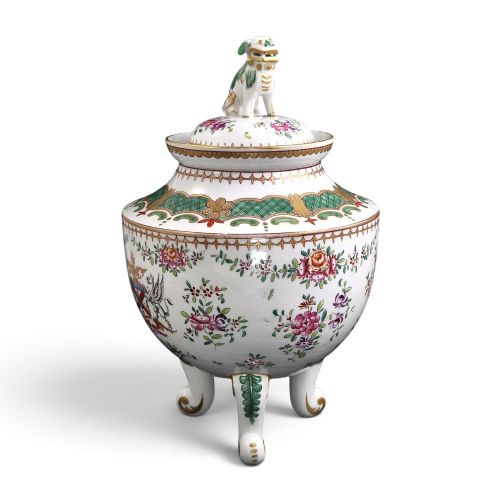
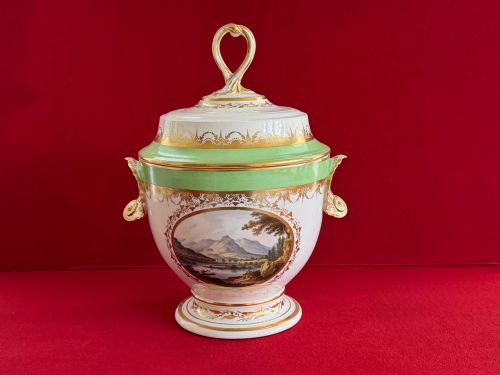
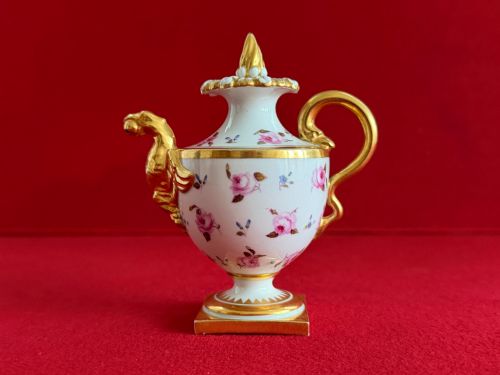
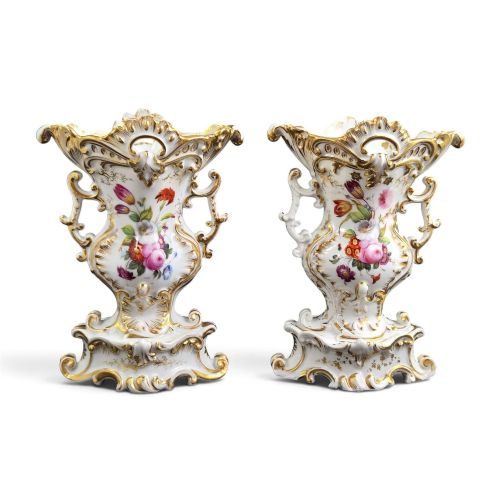
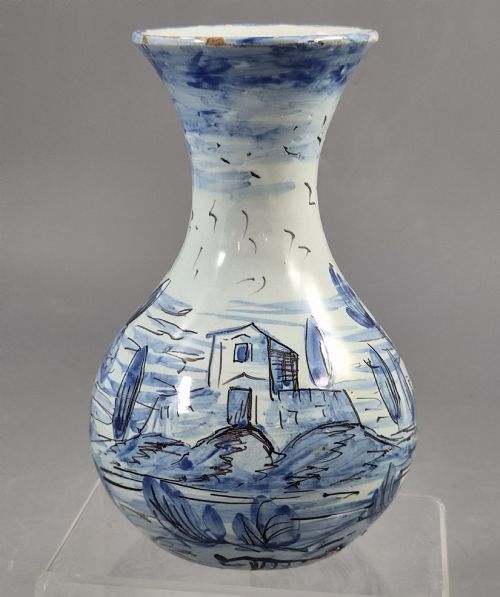
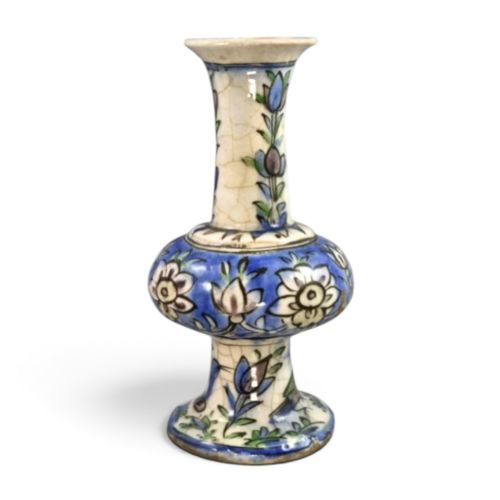
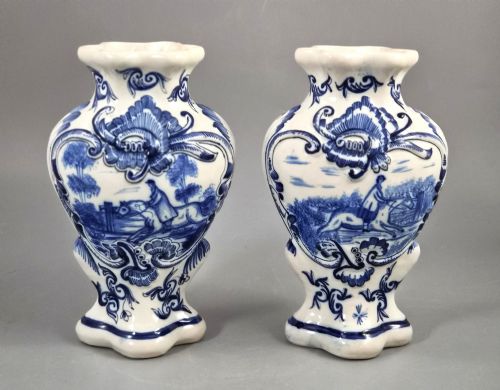
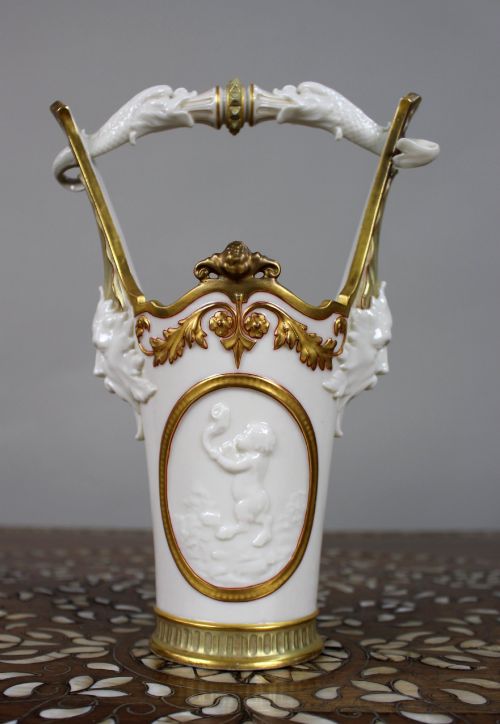
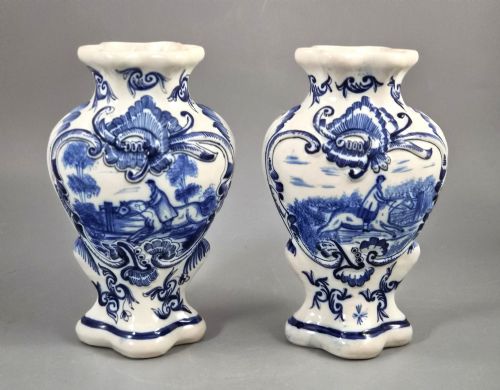
When you search for white ceramic urns, you encounter vessels shaped as vases, lidded jars, ice pails, and two-handled urns spanning the eighteenth and nineteenth centuries. The selection includes European porcelain from factories like Derby, Worcester, and Meissen alongside tin-glazed earthenware and faience from Delft, Desvres, and Sceaux.
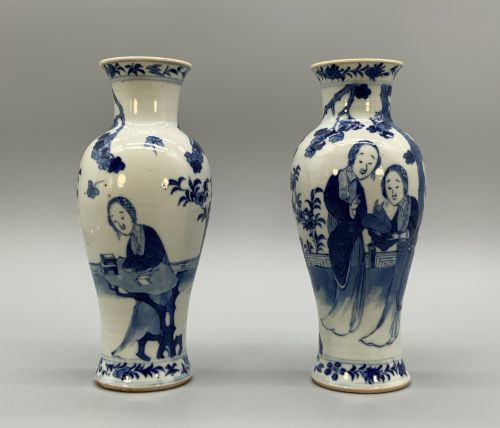
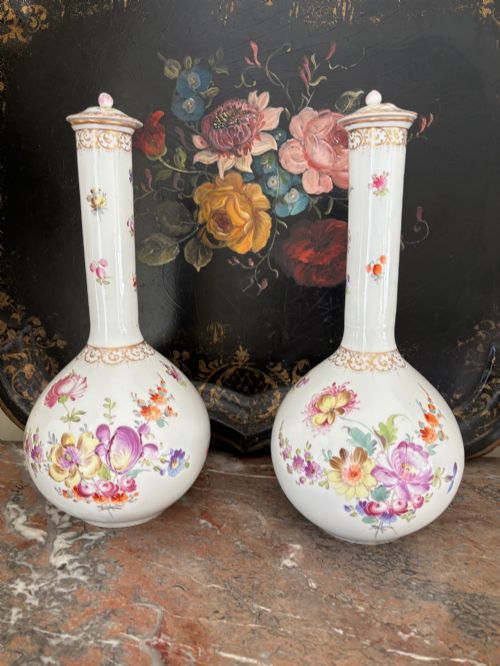
You are most likely to meet nineteenth-century decorative vases and lidded jars featuring hand-painted floral motifs, blue and white decoration, or gilt accents. Forms range from large baluster shapes to cabinet vases and pieces adapted into table lamps.
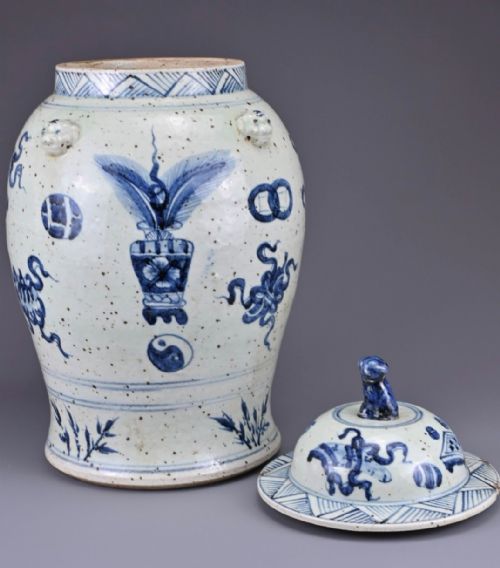
The objects originate from diverse traditions, encompassing English ironstone, French rococo revival porcelain, Italian maiolica, and Chinese export wares styled after Qing dynasties. Each piece serves as a decorative focal point, whether displayed in pairs or as a single monumental centrepiece.
Materials and construction
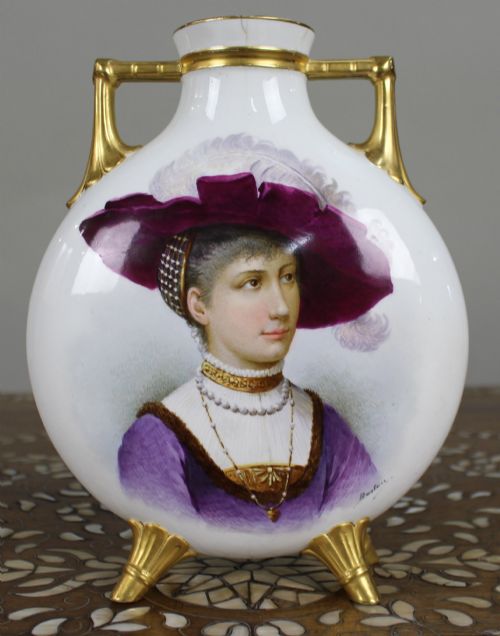
Potters shaped these vessels using hard-paste and soft-paste porcelain, earthenware, and ironstone, applying tin glazes or enamel coatings to create smooth white surfaces. Artisans then hand-painted intricate botanical, armorial, or figural scenes directly onto the ceramic body.
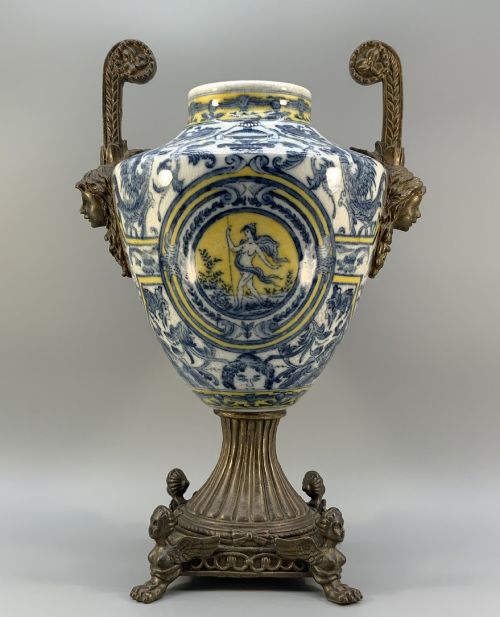
Many examples incorporate applied gilding, gold leaf highlights, or bronze mounts that frame the ceramic body. Kiln-firing techniques fixed the polychrome pigments and metallic details into the glaze, producing durable finishes across centuries of domestic use.
Evaluating craftsmanship
Quality rests on the crispness of the modelling, the precision of the hand-painted brushwork, and the clarity of the glaze. Master painters at factories like Meissen or Worcester achieved nuanced shading and fine lines that elevate standard floral patterns into works of high art.
The weight and balance of the vessel, the evenness of the white glaze, and the integration of any gilt or bronze mounts distinguish workshop output. Pieces retaining original matching covers and factory marks demonstrate superior preservation and provenance.
Samson Paris·Flight Barr and Barr·Jacob Petit·Royal Worcester·Sitzendorf·Meissen
The White Ceramic Urns Glossary
- Baluster vase
- A tall vase with a rounded body that tapers toward the base and swells near the centre, resembling a architectural baluster. This form frequently appears in eighteenth-century Delft and nineteenth-century porcelain collections.
- Tin-glazed earthenware
- Pottery coated with a white tin oxide glaze that provides an opaque surface for painted decoration. This technique defines traditional Delftware and European faience.
- Ironstone
- A heavy, durable type of earthenware patented in the nineteenth century to imitate porcelain. English makers used it for robust decorative vases and urns.
- Gilding
- The application of gold leaf or powdered gold to ceramic surfaces and handles. It provides metallic accents that contrast with white glazes.
- Maiolica
- Tin-glazed Italian pottery decorated with colourful pigments on a white ground. Pieces range from Renaissance revival cabinet vases to nineteenth-century Italian works.
White Ceramic Urns: Frequently Asked Questions
How do I clean an antique ceramic urn?
Dust the surface gently with a soft, dry brush to remove particles without disturbing old gilding or delicate hand-painted enamel.
Avoid using water or chemical cleaners on antique porous earthenware or gilt sections, as moisture can penetrate hairline cracks and weaken the glaze.
Were these urns used for flowers?
Many large vessels and jardinieres served as ornamental centerpieces or garden urns rather than functional water holders for fresh stems.
Covered jars and lidded urns functioned primarily as decorative interior objects or receptacles for potpourri and dry aromatics.
Why do some urns have drilled bases?
Makers and later owners frequently converted large nineteenth-century vases and jars into table lamps by running electrical cords through the ceramic body.
This adaptation altered the original function of the vessel while preserving the decorative qualities of the hand-painted porcelain or pottery.