


White Ceramic Box
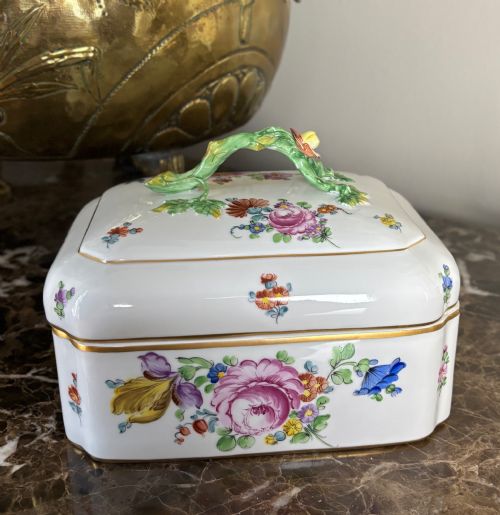
A white ceramic box brings refined utility to a dressing table, offering a neat vessel for small treasures fashioned from porcelain, earthenware, or stoneware.
White Ceramic Box
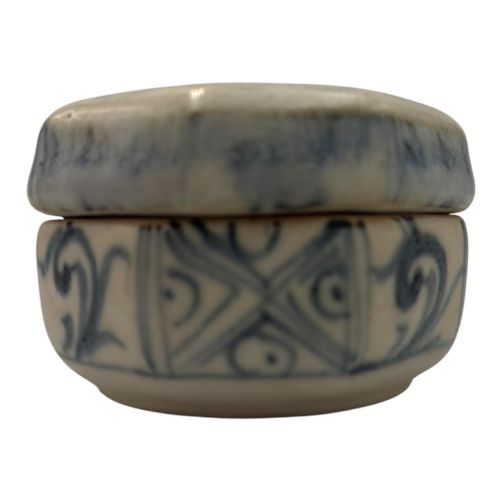
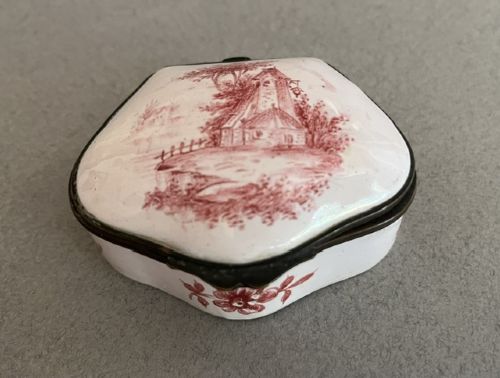
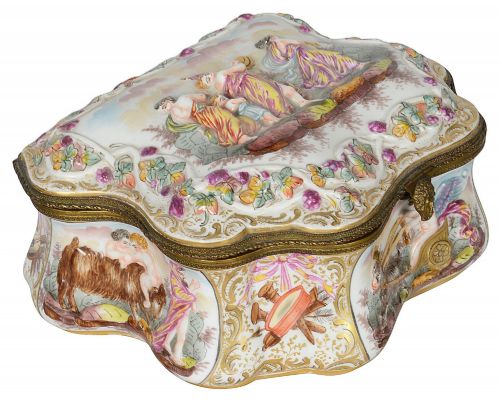
A white ceramic box encompasses a diverse array of small lidded receptacles, ranging from eighteenth-century sugar boxes and patch boxes to nineteenth-century trinket boxes and twentieth-century powder jars. These pieces emerge from various European and Asian traditions, reflecting centuries of skilled pottery production.
Domestic storage needs dictate much of the variety, leading to forms designed specifically for sugar, jewellery, coins, or toothbrushes. Each iteration combines a practical vessel with decorative ceramic craftsmanship suited to display.
Materials and Technique
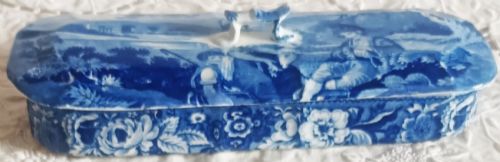
Potters shape these vessels using porcelain, earthenware, and stoneware, frequently applying a smooth white glaze to form the primary surface. Many examples incorporate intricate hand-painted decoration, transfer printing, or moulded relief work beneath or over the glaze.
Mounts and hinges often utilise brass or gilt metal, securing lids to bases on boxes intended for jewellery, patches, or trinkets. Firing techniques vary across the periods, resulting in either a translucent hard-paste body or a porous earthenware structure.
Listings span multiple centuries, ranging from early Asian covered pieces and eighteenth-century European porcelain to Art Deco earthenware powder boxes.
Judging Quality
The refinement of the modelling and the crispness of the moulded detail distinguish superior examples from standard production. Finer pieces display delicate hand-painting and precise alignment between the lid and the base.
The depth of the glaze and the integration of any gilt or metal mounts indicate the level of care invested during manufacture. Earlier specimens often reveal subtle irregularities inherent to historic kiln methods, which add character without diminishing structural integrity.
Edme Samson Of Paris·Richard Ginori·Edme Samson·Coalport
The White Ceramic Box Glossary
- Sucrier
- A small vessel designed to hold sugar, often provided with a matching cover and found in porcelain or ceramic. These pieces frequently double as decorative lidded boxes.
- Patch box
- A small container utilised in previous centuries to store cosmetic fabric patches for the face. They frequently feature hinged lids and internal mirrors.
- Hard-paste porcelain
- A dense ceramic material fired at high temperatures, composed of kaolin and petuntse. It yields a durable, bright white body.
- Transfer ware
- Pottery decorated by applying a printed design from an engraved copper plate onto the ceramic surface via tissue paper. This technique enabled intricate repeatable patterns.
- Bonbonniere
- A small ornamental box or dish intended for holding sweets or confections. They often take whimsical or figurative shapes in porcelain.
White Ceramic Box: Frequently Asked Questions
What were small ceramic boxes used for?
Historic lidded containers served multiple domestic purposes, primarily holding sugar, cosmetics, patches, or personal trinkets. Their enclosed design protected delicate items from dust and moisture.
Over time, many transformed into purely decorative objects for mantelpieces and dressing tables. Their small scale made them ideal gifts and tokens of affection.
How do I identify the period of a box?
Dating relies heavily on style markers, such as Neoclassical motifs, Rococo curves, or geometric Art Deco lines. Examining the glaze, the clay body, and any maker marks helps narrow down the manufacturing decade.
Construction details, including the type of metal hinges or foot rims, also provide clues to age. Comparing pieces to documented examples from known potteries confirms the timeline.
Are these boxes durable for daily use?
Most ceramic containers withstand gentle handling, though historic pieces require care to prevent chipping or glaze damage. Hinged metal mounts on boxes should be opened without excessive force.
Displaying them away from high-traffic edges prevents accidental drops. Regular dusting with a soft dry cloth maintains the finish.