



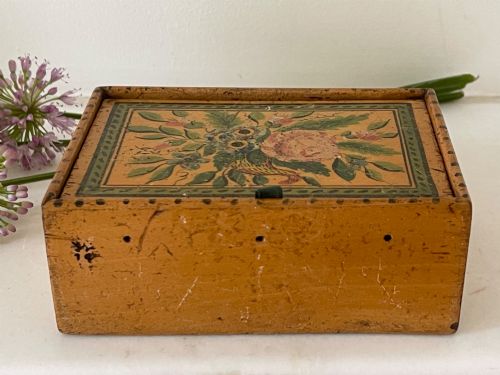
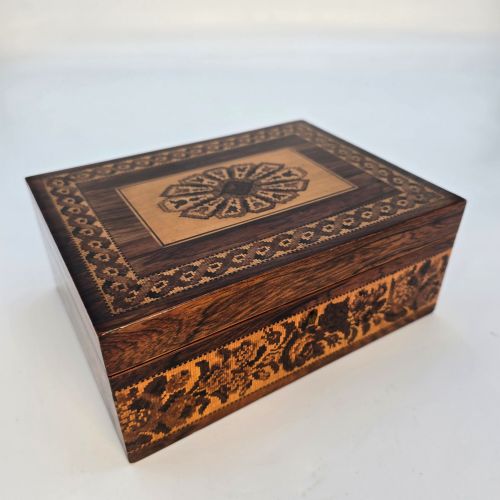
Antique Floral Trinket Box
An antique floral trinket box holds small keepsakes in metal, wood, or ceramic, bringing period craftsmanship and hand-worked detail to a dressing table.
Antique Floral Trinket Box
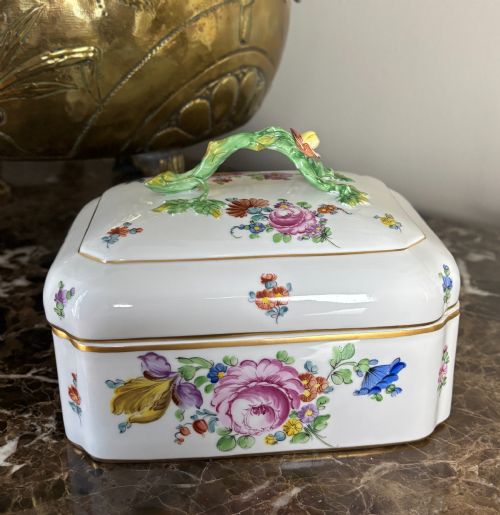
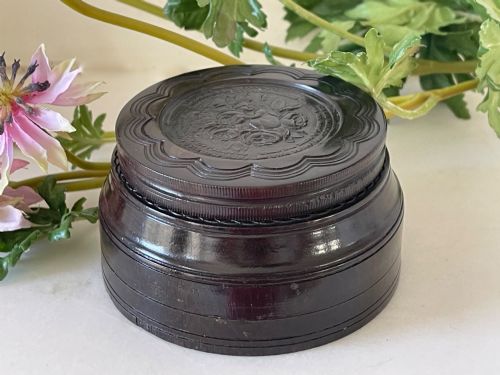
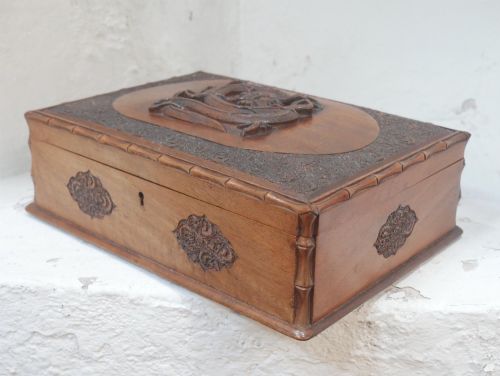
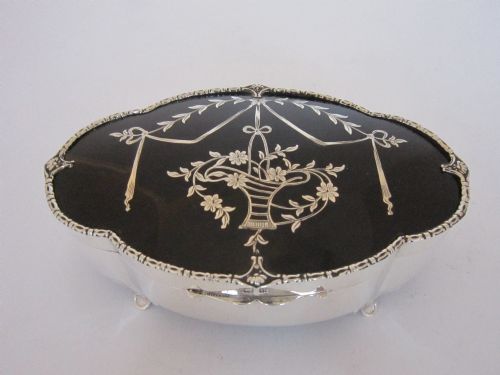
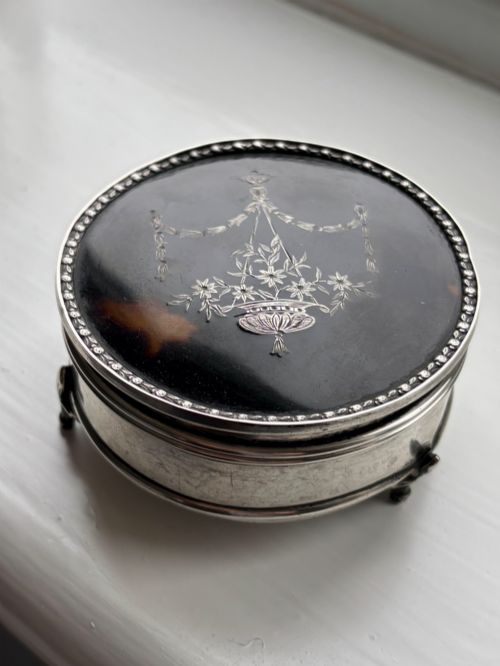
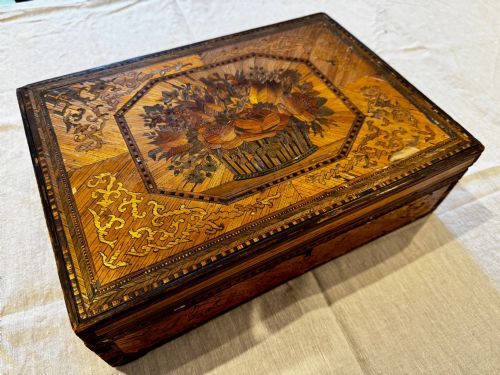
An antique floral trinket box spans varied forms from the Georgian, Victorian, and Edwardian eras, including dressing table jars, small silver boxes, and marquetry caskets. These pieces served to store jewellery, pins, and small personal valuables in domestic settings.
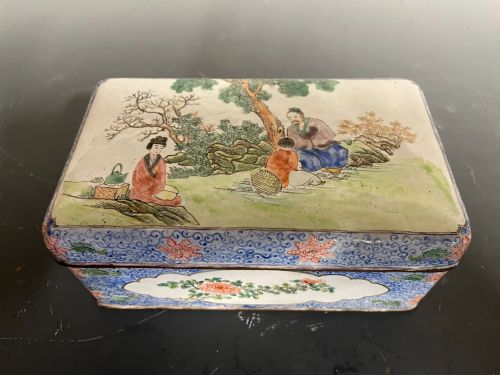
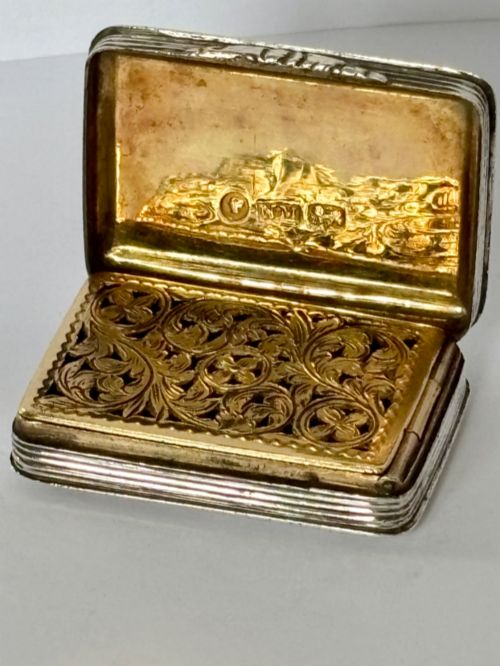
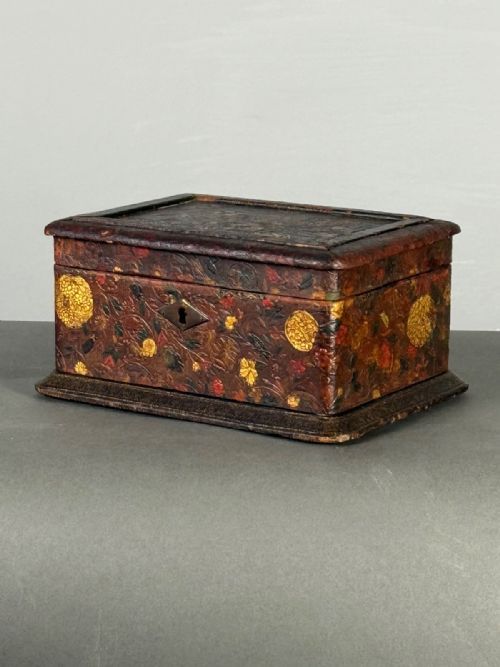
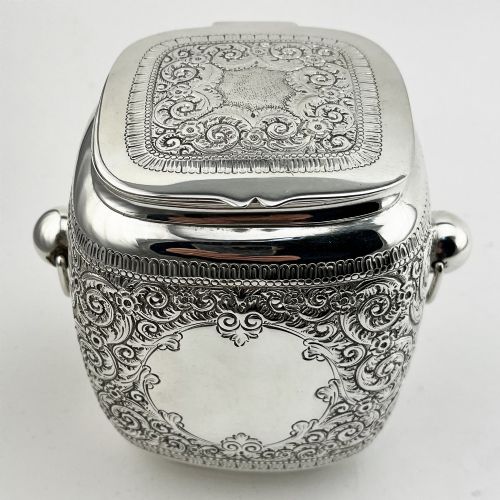
The version most commonly met on this page is the nineteenth-century or early twentieth-century silver box featuring chased, repoussé, or engraved floral motifs. Alongside these metal examples, buyers encounter lacquered papier-mâché, painted wood, and porcelain boxes decorated with botanical scenes.
Makers and workshops across Britain, continental Europe, and Asia produced these containers using regional materials like rosewood, brass, glass, and enamel. Their purposes range from utilitarian desktop storage to decorative display on vanity surfaces.
How They Were Made
Silversmiths and metalworkers shaped sterling silver and brass through casting, repoussé hammering, and hand-chasing to raise intricate floral scrolls and borders from the metal surface. Wooden boxes relied on precise joinery, often incorporating rosewood, oak, or ebonised carcases inlaid with Tunbridge ware marquetry and mother-of-pearl.
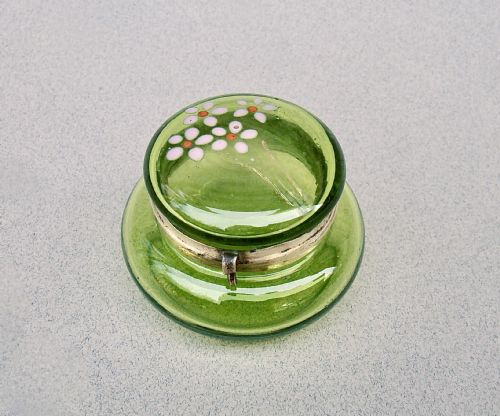
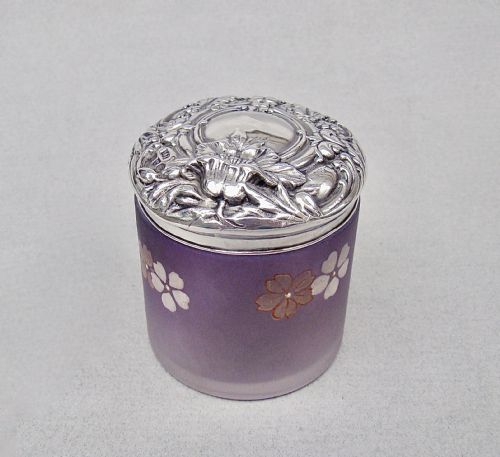
Ceramic and glass vessels employed painted enamels, polychrome glazes, and fired porcelain techniques, frequently originating from French, German, or English factories. Artisans applied lacquer, hand-painted pigments, and bronze mounts to complete intricate decorative caskets and dressing table jars.
Antique Floral Trinket Box Retail Price Guide 2026
Typical asking prices for floral trinket box among the pieces listed under this phrase on Sellingantiques today, from the lower quarter to the upper quarter. They describe what is for sale here now, not the wider market.
Some nineteenth-century makers hid tiny velvet-lined compartments inside small wooden boxes, perfect for concealing secret love tokens and locks of hair.
What Varies in Quality
The depth and crispness of the hand-chased or repoussé decoration define the artistic standard of metal boxes, where sharp relief separates masterwork from routine production. In wooden and marquetry pieces, the precision of the inlaid wood tesserae or the alignment of the grain dictates the merit of the work.
The integrity of the structural materials, such as the weight of the solid silver gauge, the stability of the papier-mâché carcase, and the preservation of hand-painted enamel or glass surfaces, establishes the enduring grade of the piece.
Susse Freres Paris·Ollivant and Botsford·Martin Hall and Co·Goldsmiths and Silversmiths Company·Edmund Nye·Joseph Willmore·William Hutton·A and J Zimmerman Ltd·S Theeman
The Antique Floral Trinket Box Glossary
- Repoussé
- A metalworking technique where a design is hammered into relief from the reverse side. This method creates tactile floral and scroll ornamentation on silver boxes.
- Tunbridge Ware
- A form of woodworking peculiar to Kent involving tiny mosaic tiles of natural woods. Artisans arranged thousands of pieces to form pictorial floral and geometric mosaics on boxes.
- Marquetry
- The art of applying small pieces of veneer to a structure to form decorative patterns. Makers utilised varied wood veneers to depict floral sprays across box lids.
- Chasing
- A metalworking process complementary to repoussé where tools sink and refine the front of the metal. Silversmiths used this to sharpen the outlines of floral motifs.
- Pietra Dura
- An artistic technique using cut and fitted polished coloured stones to create images. This inlay method appears on imported panels mounted to nineteenth-century wooden boxes.
Antique Floral Trinket Box: Frequently Asked Questions
What were antique floral trinket boxes used for originally?
These small containers held precious personal items such as rings, brooches, hairpins, and calling cards in the bedroom or parlour.
Wealthier households used specialised receptacles like dressing table jars and snuff boxes to organise daily accessories and cosmetics.
How can I date an antique silver trinket box?
Assay office marks, date letters, and maker's stamps stamped directly into the metal provide precise manufacture years for British silver.
Stylistic cues like Art Nouveau whiplash curves or Victorian floral chasing help narrow down unmarked pieces when hallmarks are absent.
Are wooden Tunbridge ware boxes fragile?
The thousands of tiny wood blocks forming the mosaic scenes require careful handling and stable humidity to prevent veneer lifting.
Keeping them away from direct sunlight and extreme temperature changes preserves the natural wood colours and structural joints.
What is the difference between repoussé and chased decoration?
Repoussé involves pushing the metal outward from the inside using hammers and punches to form the primary floral shapes.
Chasing is worked from the exterior surface to refine details, crisp up edges, and add texture to the background.