


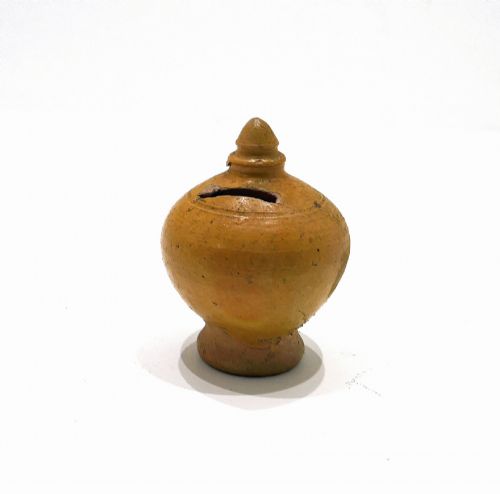

Antique Ceramic Box
When you search for an antique ceramic box, you uncover small lidded vessels formed from porcelain, earthenware, and stoneware across centuries of craftsmanship.
Antique Ceramic Box
An antique ceramic box encompasses lidded vessels and caskets designed for varied domestic uses, ranging from small patch and snuff boxes to larger trinket containers and powder bowls. When you search for an antique ceramic box, you encounter forms that span centuries, originating from European potteries and Asian kilns alike.
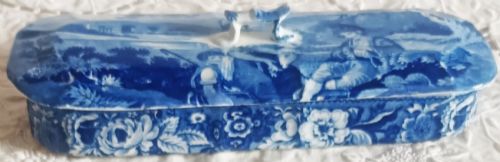
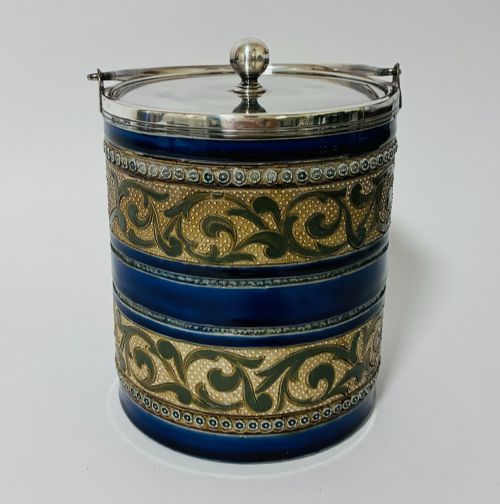
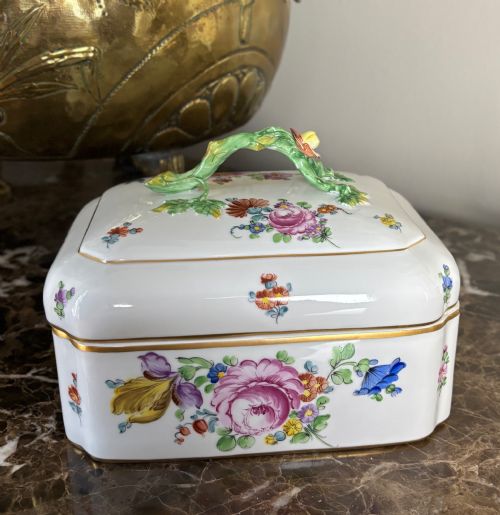
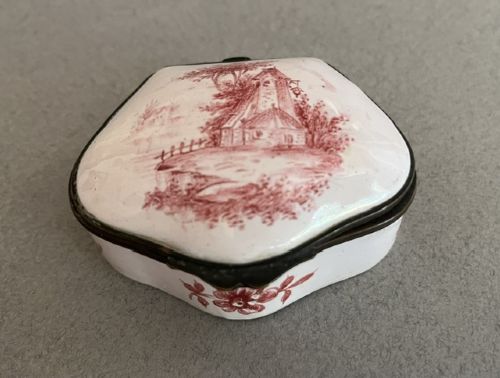
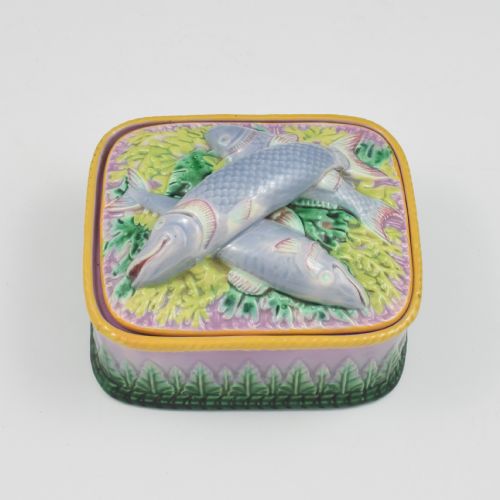
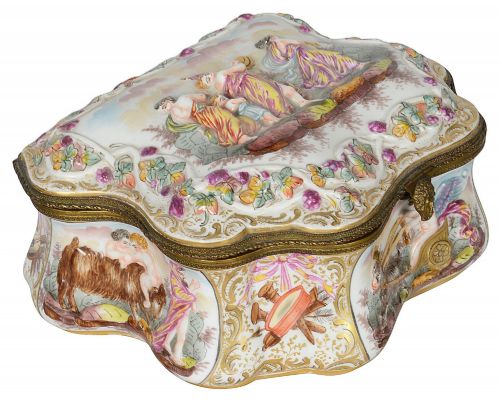
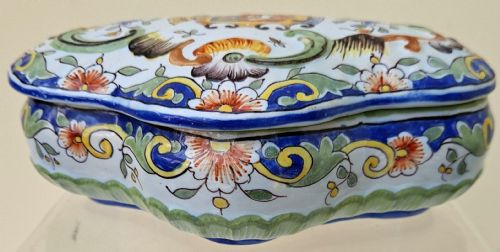
The pieces appearing on this page include eighteenth-century English sugar boxes, Victorian majolica sardine boxes, French porcelain trinket caskets, and Art Deco powder boxes. These items reflect the shifting fashions of their respective periods, moving from utilitarian kitchen jars to delicate vanity table accessories.
How they were made
Makers formed these pieces from clay bodies such as porcelain, earthenware, stoneware, and faience, shaping them by hand or mould before firing. Many examples feature applied glazes, transfer printing, or hand-painted details.
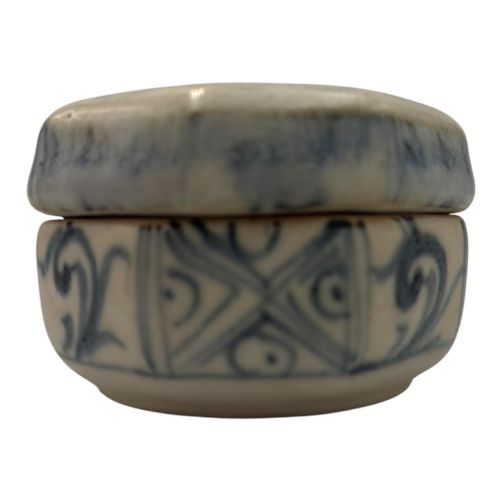
Surface decoration frequently incorporates gilding with gold leaf, enamel highlights, and metal fittings such as silver plating on hinges or mounts. Artisans utilised techniques ranging from traditional blue and white underglaze painting to majolica coloured lead glazes.
The selection includes functional household items such as money boxes, biscuit barrels, and sugar bowls alongside decorative vanity caskets.
What varies in quality
Quality in these items rests upon the crispness of the moulding and the skill executed in hand-painting or transfer printing. Pieces featuring fine, detailed brushwork or intricate hand-modelled elements stand apart from mass-produced wares.
The preservation of original gilding, enamel colours, and structural integrity without extensive restoration defines the upper tier of the range. Furthermore, the presence of distinct factory marks or recognisable decorative motifs indicates higher artistic output.
Doulton Lambeth·George Jones·Edme Samson·Toshozan·Julius Dressler
The Antique Ceramic Box Glossary
- Porcelain
- A hard, white, translucent ceramic fired at high temperatures, often used for finer trinket and powder boxes.
- Majolica
- A type of earthenware coated with an opaque tin glaze and painted with brightly coloured metal oxides.
- Sucrier
- A covered sugar bowl or sugar box originating from eighteenth and nineteenth-century dining traditions.
- Transfer Ware
- Pottery decorated by applying a printed design from an engraved copper plate onto the ceramic surface using a paper tissue.
- Bonbonniere
- A small decorative box specifically made for holding sweets or confectionary.
Antique Ceramic Box: Frequently Asked Questions
What were antique ceramic boxes used for?
These vessels served diverse purposes around the historic home, functioning as containers for snuff, patches, trinkets, sugar, and toothbrushes. Vanity items like powder boxes sat upon dressing tables, while others held dry goods or valuables.
Over time, changing domestic habits transformed utilitarian kitchen containers into decorative display pieces and collectible cabinets objects.
How do I identify the period of a box?
Dating relies upon stylistic markers, glaze types, and ceramic bodies associated with specific eras such as the Victorian period or the Art Deco nineteen-thirties. Maker marks, painted patterns, and registration numbers stamped underneath often provide precise chronological clues.
Comparing the manufacturing technique and decorative motifs against documented examples helps confirm whether a piece belongs to the eighteenth, nineteenth, or early twentieth century.
Are these boxes durable for daily use?
While these ceramics survived centuries of handling, their delicate glazes, hand-painted enamels, and fragile porcelain bodies require careful treatment. Hinges and metal mounts on lidded caskets can loosen with frequent opening.
Most modern collectors prefer to use them for gentle display or lightweight storage rather than heavy everyday service.
How should I clean my ceramic box?
Gentle dusting with a soft, dry cloth is usually sufficient to maintain the surface without risking fragile glazes or painted details. Harsh chemical cleaners and abrasive scrubbing must be avoided entirely.
If the piece requires deeper cleaning, a slightly damp cloth with mild soap can be applied cautiously, ensuring no moisture lingers on metal mounts or unglazed areas.