


Antique Fish Box
An antique fish box collects the small containers and boxed servers shaped by maritime themes or built to hold the catch of the day.
Antique Fish Box
When you search for an antique fish box, you encounter a surprisingly varied group of objects ranging from practical canteens and serving cutlery sets to novelties like snuff boxes and sardine dishes.
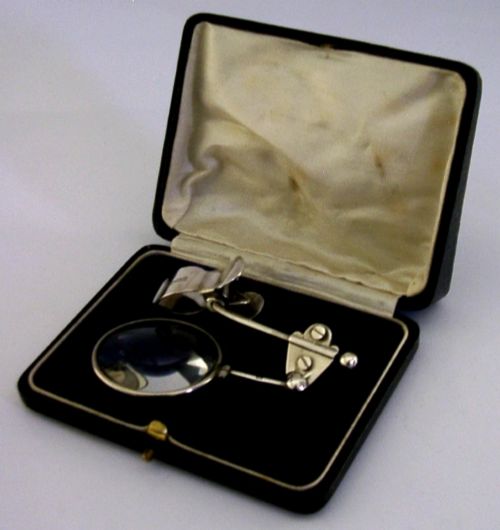
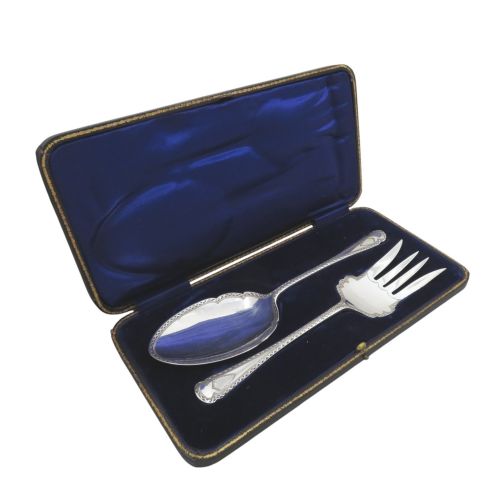
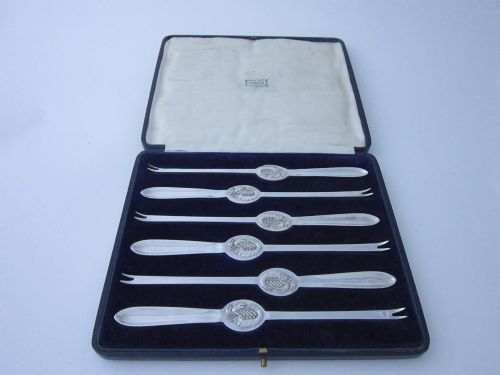
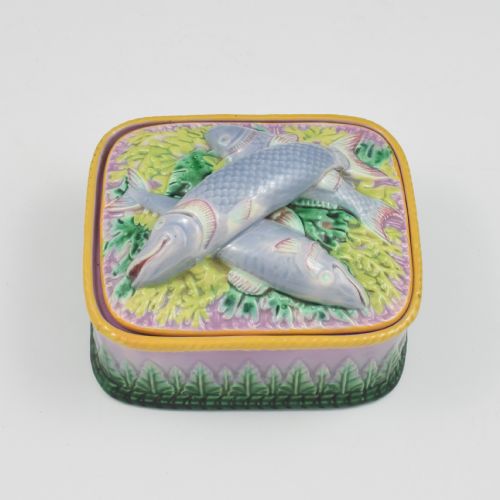
The pieces on this page span the nineteenth and twentieth centuries, taking the form of majolica lidded boxes, silver spice containers, and fitted cases for specialised cutlery.
Victorian and Edwardian examples dominate the selection, often featuring sterling silver or ceramic construction designed for dining or personal use.
Materials and Construction
Makers utilised sterling silver and earthenware alongside organic materials like bone, horn, wood, and ivory to form both the boxes and their internal contents.
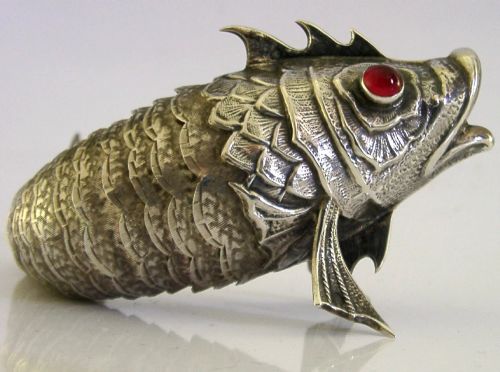
Metal items frequently employ articulation in the body and hinged heads, while ceramic sardine boxes display moulded majolica glazes in pink or lilac tones.
Some silver fish boxes come with hinged heads and fully articulated bodies that wiggle in the palm of your hand.
Distinctions in Quality
The tier of an antique fish box depends on the crispness of the modelling in animal forms and the structural integrity of hinged joints on articulated pieces.
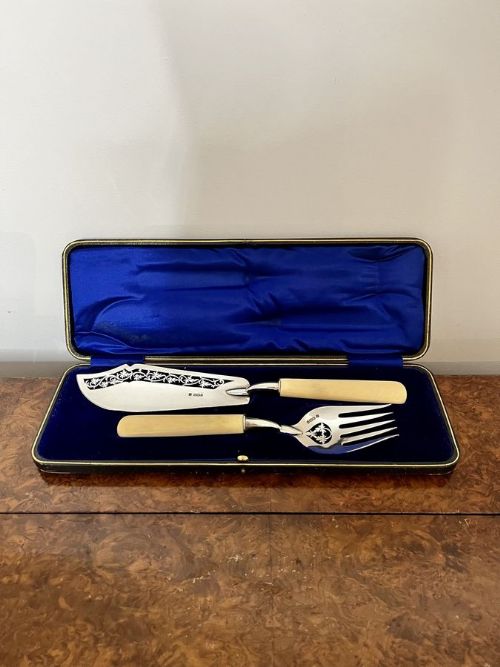
Cased cutlery sets and majolica models show superior execution through well-preserved fitted interiors, clear hallmarks, and undamaged ceramic glazes.
George Jones·James Jones of London·Thomas Forester and Sons·Waring and Gillows
The Antique Fish Box Glossary
- Articulated
- Formed with movable joints. This technique allows sections of metal fish novelties to flex naturally.
- Vinaigrette
- A small ornamental box for holding a sponge soaked in aromatic vinegar. These occasionally take animal or fish shapes in silver gilt.
- Treen
- Small handmade wooden objects. Examples include carved boxwood or penwork pieces shaped like fish for holding snuff.
Antique Fish Box: Frequently Asked Questions
What were fish snuff boxes used for?
These small boxes held dry snuff for personal consumption. Their aquatic shapes reflected the popular nineteenth-century taste for whimsical animal novelties.
Carried in a pocket or kept on a table, they combined practical storage with clever mechanical hinges and articulated bodies.
How do I identify a majolica sardine box?
Majolica sardine boxes appear in moulded earthenware with colourful glazes, often in pink or lilac shades. They were manufactured by potteries in the late nineteenth century to serve seafood at the dining table.
Look for modelled fish motifs on the lids and maker marks underneath to confirm their origin.
What is included in a fish cutlery set?
Fish cutlery sets usually comprise matching serving knives and forks housed in fitted velvet or silk-lined cases. The handles incorporate materials like silver, horn, ivory, or carved bone.
Victorian and Edwardian dining customs required specialised servers to handle delicate fish courses without damaging the flesh.
How can I date an antique fish box?
Dating relies on hallmarks stamped on silver items, maker marks on ceramics, and the overall style of the piece. Victorian, Edwardian, and mid-century examples each display distinct manufacturing traits.
Fitted wooden or oak cases and material choices like leatherette or sterling silver help narrow the period of production.