
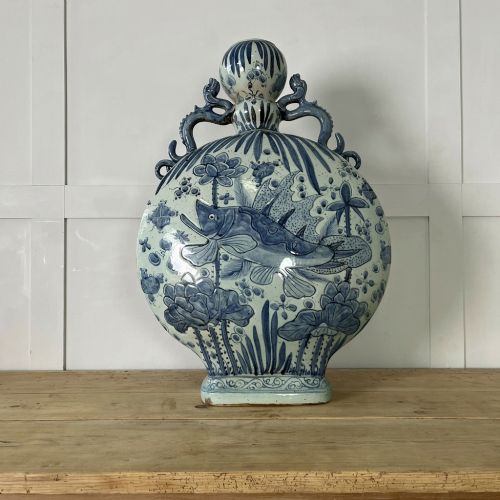


White Ceramic Bottle Vase
When you handle a white ceramic bottle vase, you hold a vessel shaped by centuries of ceramic tradition.
White Ceramic Bottle Vase
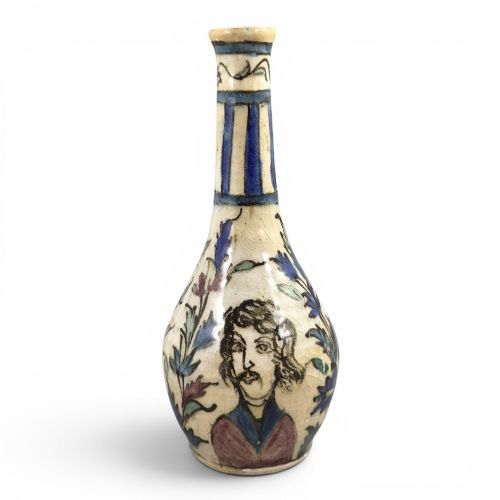
A white ceramic bottle vase combines a slender neck with a rounded body, serving as a classic vessel form found across multiple eras. These pieces appear in forms ranging from English delftware bottles to Persian Qajar pottery and Chinese porcelain.
The versions most common on this page span the eighteenth and nineteenth centuries, often decorated with blue and white designs or delicate hand-painted motifs. Makers from European factories to Asian kilns adapted this basic shape for domestic display and practical storage.
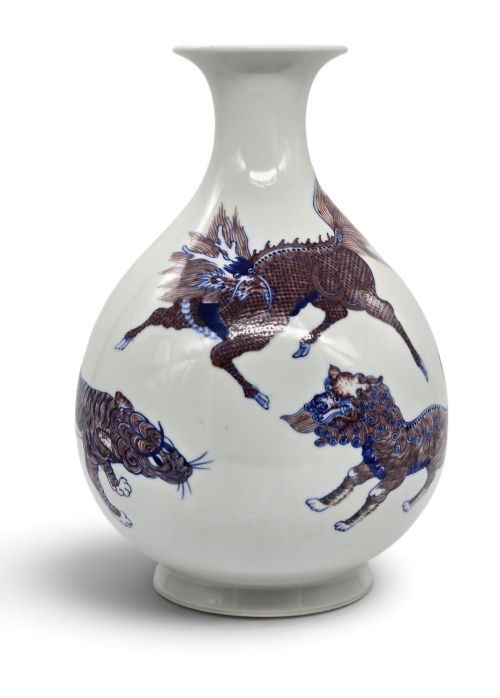
Collectors encounter diverse cultural interpretations of the form, including Japanese Arita pieces, Dutch delft faience, and English Worcester porcelain. Each origin brings distinct glazing traditions and potting techniques to the familiar bottle silhouette.
How they were made
Potters shaped these vessels on the wheel using ceramic, porcelain, or earthenware bodies before applying specialised coatings. Tin-glaze and cobalt glaze provided the opaque white and deep blue surfaces characteristic of delftware and oriental export wares.
Firing techniques required precise kiln temperatures to fuse the glazes and secure hand-painted decorations such as enamel, gilding, or gold leaf. Artisans often added underglaze blue details before the final glaze firing to ensure lasting clarity of the painted scenes.
Listings feature pieces from the seventeenth, eighteenth, and nineteenth centuries, utilising materials like porcelain, tin-glazed earthenware, and gold leaf.
What varies in quality
Quality rests in the precision of the throwing and the clarity of the painted decoration applied across the surface. Finer examples display balanced proportions in the neck and body alongside controlled brushwork that remains sharp and intentional.
The purity of the white ceramic ground and the stability of the glaze define the upper tier of these pieces. Lesser examples show uneven glaze pooling, dullness in the finish, or hasty painting that lacks the detail seen in factory or studio highlights.
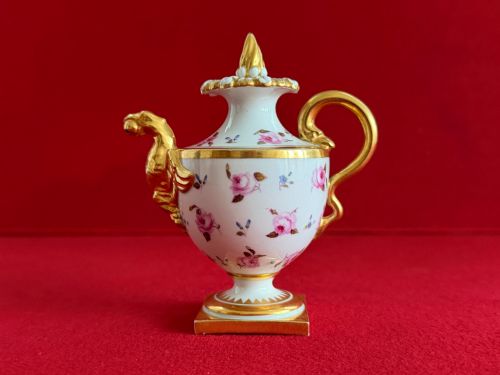
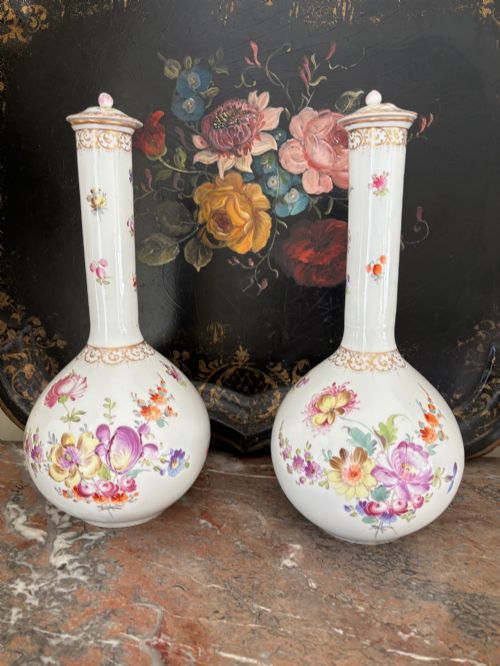
Flight Barr and Barr·Sitzendorf·Lambeth Pottery
The White Ceramic Bottle Vase Glossary
- Tin-Glazed Earthenware
- Earthenware pottery coated with a tin oxide glaze that fires to an opaque white finish. This technique underpins European delftware and majolica production.
- Albarello
- A vertical cylindrical ceramic jar designed to store medicines and apothecary drugs. Originating in the Middle East, this form was adopted by Italian and European pharmacies.
- Famille Rose
- A palette of opaque enamel colours dominated by pink or rose, introduced to Chinese porcelain during the Qing dynasty. The style allowed for painterly floral and figural compositions.
- Underglaze Blue
- A decorative technique where cobalt pigment is applied to the raw ceramic body before glazing and firing. The method protects the blue design beneath a clear glassy layer.
- Moon Flask
- A flattened spherical ceramic vessel supported by a foot and fitted with a short neck and small handles. This distinct shape draws inspiration from traditional metalwork flasks.
White Ceramic Bottle Vase: Frequently Asked Questions
What is a white ceramic bottle vase?
A white ceramic bottle vase is a hollow vessel featuring a narrow neck and a bulbous base, created for display or storage. These objects appear in materials like porcelain and tin-glazed earthenware across various historical periods.
Craftsmen shaped these vessels on the wheel, finishing them with glazes and painted details. The form accommodates diverse decorative traditions, from Chinese blue and white designs to European delftware.
How were these bottles used historically?
These vessels served as ornamental display pieces in domestic interiors or functioned as containers for liquids and pharmaceuticals. Apothecary jars and wine bottles held contents securely while offering decorative appeal.
Over time, the bottle vase transitioned into a purely aesthetic object meant for floral arrangement or mantel display. Their finished surfaces allowed them to sit prominently in polite rooms.
How do I care for antique ceramics?
Antique ceramics require gentle handling and stable environmental conditions away from direct sunlight and sudden temperature shifts. Dusting with a soft, dry cloth keeps the glazed surface clean without risking abrasion.
Avoid using liquid cleaners or immersing older earthenware pieces in water, as moisture can penetrate through historical glazes. Display them on secure, level surfaces to prevent accidental knocks.
How can I tell the period?
Dating these pieces involves examining the characteristics of the ceramic body, the formulation of the glaze, and the style of decoration. Potting techniques and base markings often point to specific centuries or manufacturing centres.
Comparing the brushwork and colour palette to documented examples helps narrow down the origin. European factories and Asian kilns each left distinct technical signatures on their wares.