


West Persian Rug
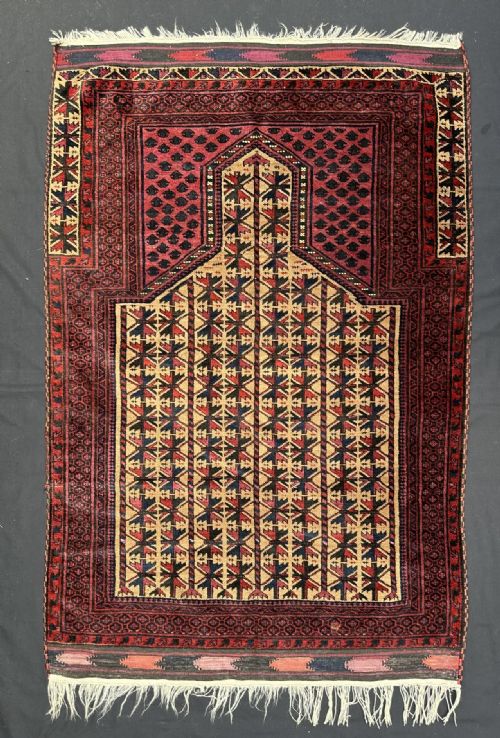
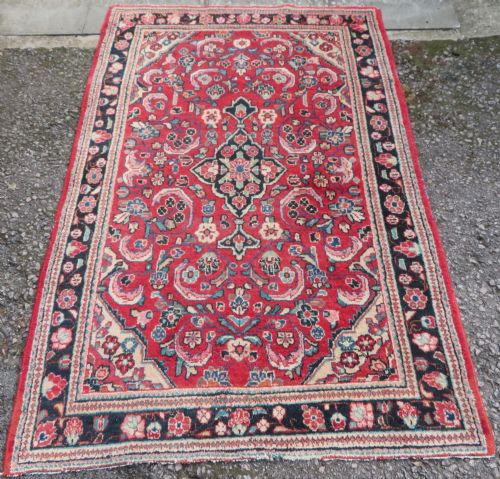
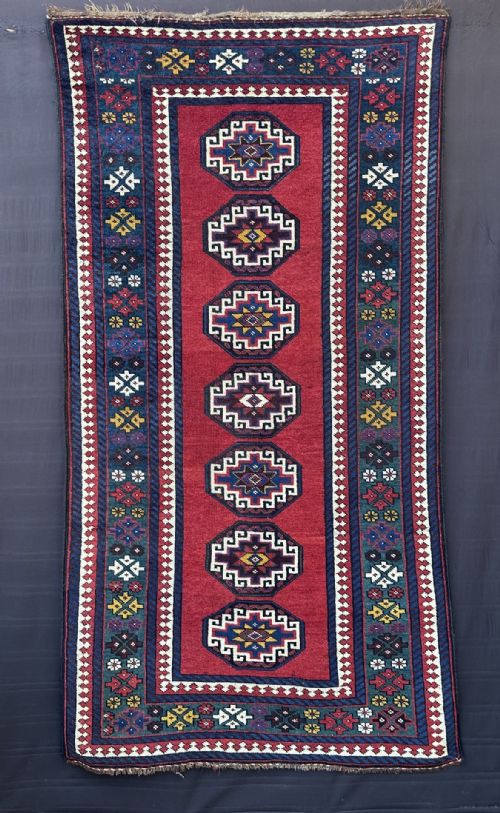
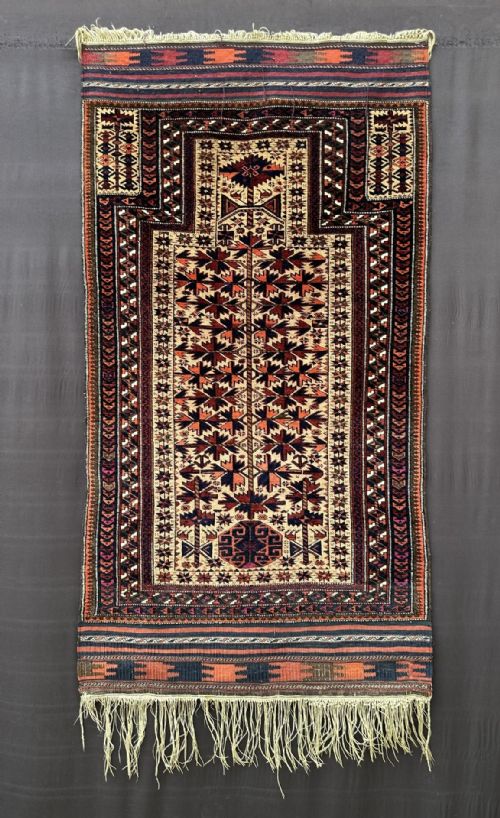
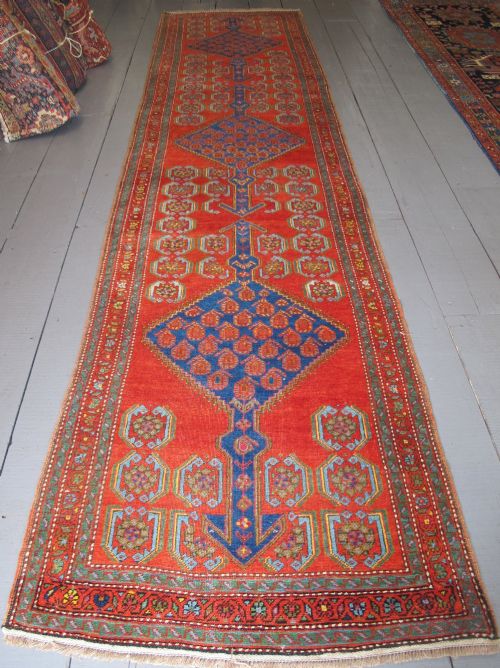
When you search for a west persian rug, you are looking at handwoven floor coverings rooted in nineteenth and early twentieth-century village traditions.
West Persian Rug
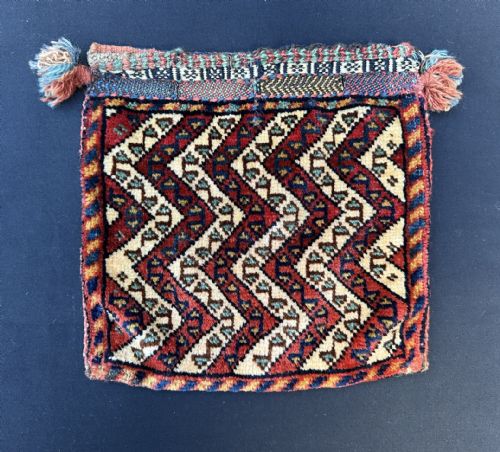
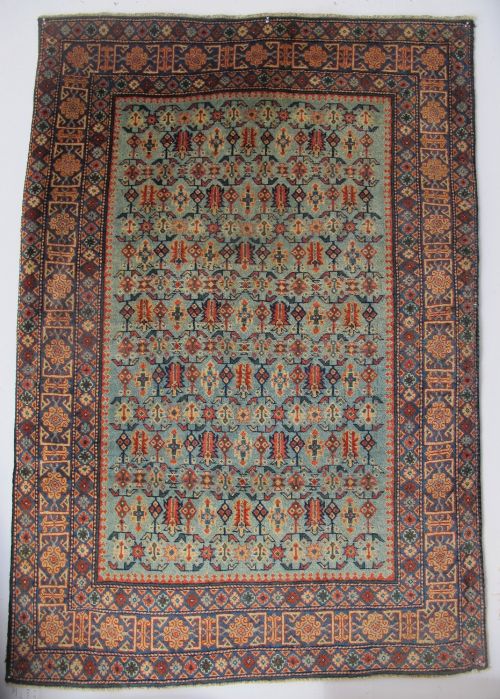
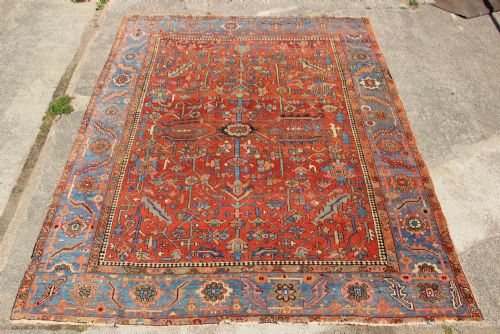
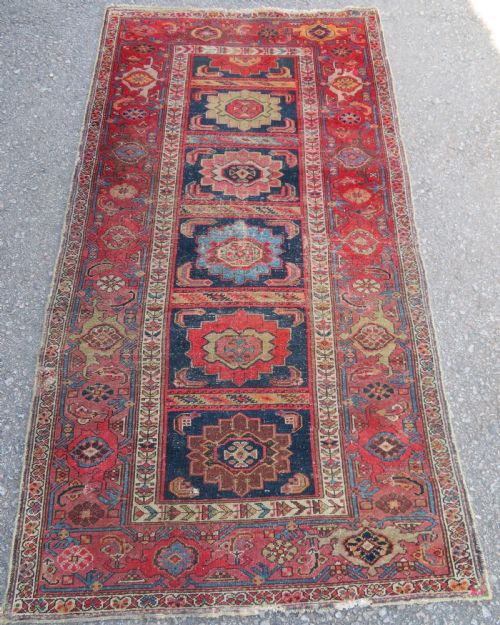
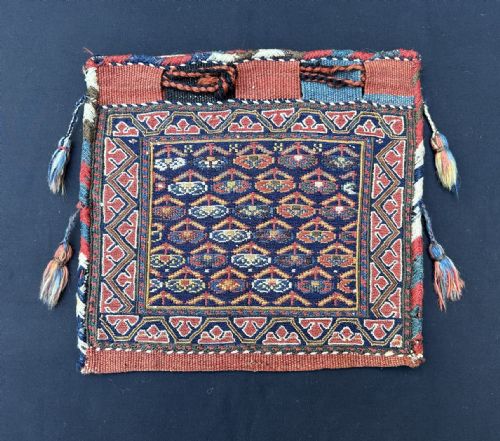
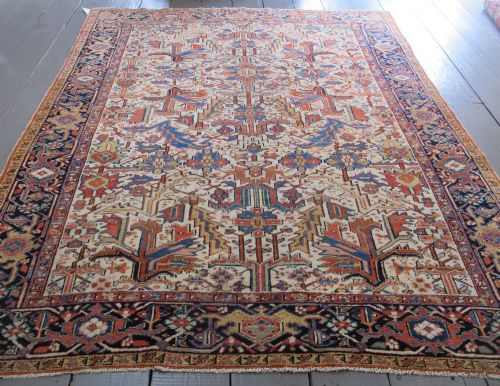
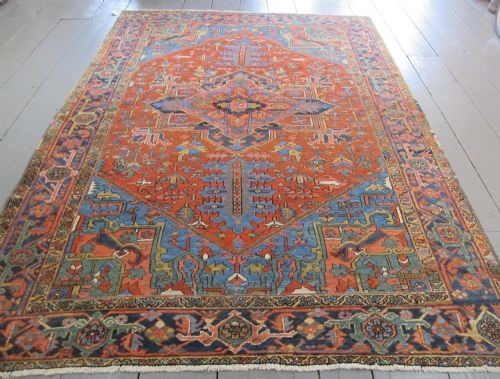
A west persian rug typically originates from specific weaving centres and village regions such as Hamadan, Malayer, Senneh, and Sarouk. These pieces function as durable area rugs and carpets, designed with traditional motifs that reflect the heritage of local weavers.
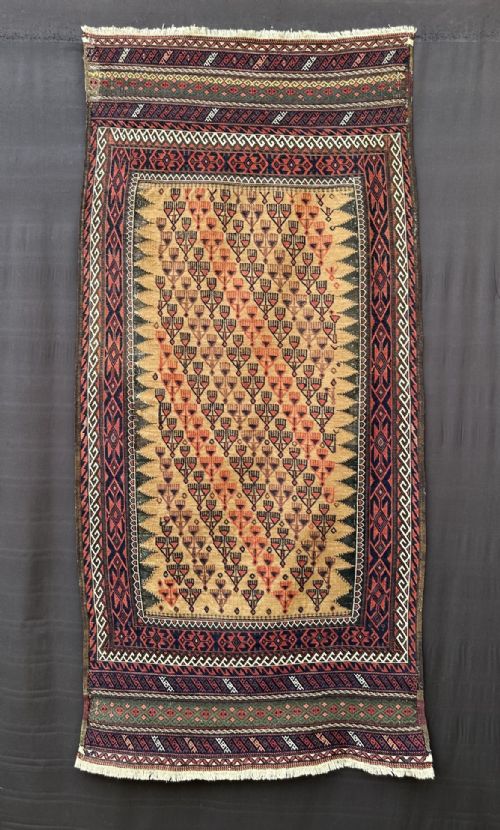
You will encounter pieces dating from the late nineteenth century up to the 1920s. Common formats range from smaller village rugs to longer runners, all created for practical domestic use in domestic interiors.
Materials and Construction
These textiles are constructed primarily from wool and cotton. Weavers typically utilised wool for the soft pile and foundation details, paired with cotton for structural warps and wefts.
Pieces are handwoven using traditional techniques, resulting in dense structures that withstand heavy foot traffic. Flat weave panels, such as soumaks, employ specific wrapping methods rather than a cut pile.
West Persian Rug Retail Price Guide 2026
Typical asking prices for west persian rug among the pieces listed under this phrase on Sellingantiques today, from the lower quarter to the upper quarter. They describe what is for sale here now, not the wider market.
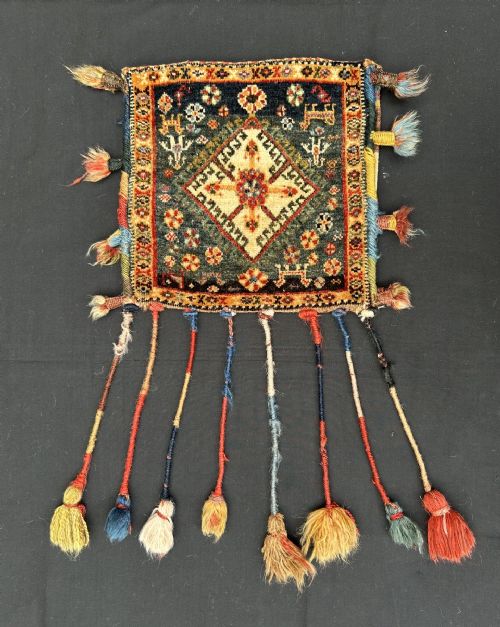
Some village weavers hid tiny stray animals among the grand garden designs just to keep themselves amused.
Assessing Quality and Execution
Quality in these textiles rests upon the fineness of the knotting and the precision of the village design. Tighter foundations and well-defined motifs demonstrate superior technical skill from the weaver.
The choice and saturation of dyestuffs contribute significantly to the visual depth of the piece. Balanced colour distribution and intact original borders elevate the overall integrity of the rug.
The West Persian Rug Glossary
- Boteh
- A stylised almond or pear-shaped motif commonly found in traditional Persian weaving. This ancient symbol often represents life and eternity.
- Soumak
- A flat-weave technique where decorative threads are wrapped over and under the warp threads. This method creates a sturdy textile without a raised pile.
- Medallion
- A central ornamental design motif placed in the middle of the rug field. It serves as the focal point for the surrounding patterns.
- Warp
- The vertical foundation threads stretched tightly on the loom before weaving begins. All horizontal wefts and pile knots attach to these structural elements.
- Weft
- The horizontal threads passed through the warp threads to secure the knots in place. Together, warp and weft form the underlying grid of the rug.
West Persian Rug: Frequently Asked Questions
How were these rugs used?
These textiles served primarily as functional floor coverings in homes, providing warmth and decoration. Their durable construction meant they could endure daily use in living spaces.
Over time, many of these pieces transitioned from everyday utility items to valued decorative antiques. Collectors now appreciate them for their historic craftsmanship and traditional designs.
How do I care for my rug?
Proper care involves gentle vacuuming without a rotating brush to protect the handwoven pile. Keeping the rug out of direct sunlight prevents the natural wool dyes from fading.
Periodic professional cleaning helps maintain the integrity of the cotton and wool fibres. Allowing air circulation underneath prevents moisture accumulation in the foundation.
How do I identify the period?
Dating relies on examining the materials, structural characteristics, and design motifs. Natural dye variations and handspun wool often point towards late nineteenth-century production.
Later pieces from the 1920s may show shifts in palette and tighter, more standardised weaving methods. Comparing the specific village style helps narrow down the probable era.