
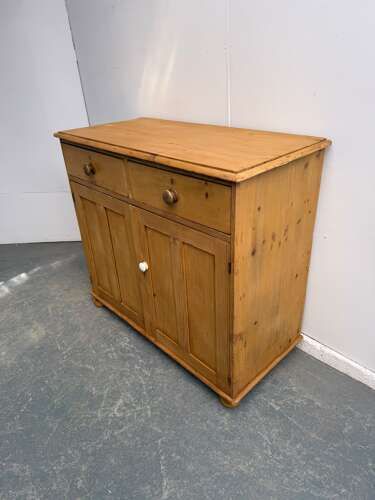


Welsh Pine Cupboard
A welsh pine cupboard brings domestic history into a room, offering sturdy storage fashioned from native softwood.
Welsh Pine Cupboard
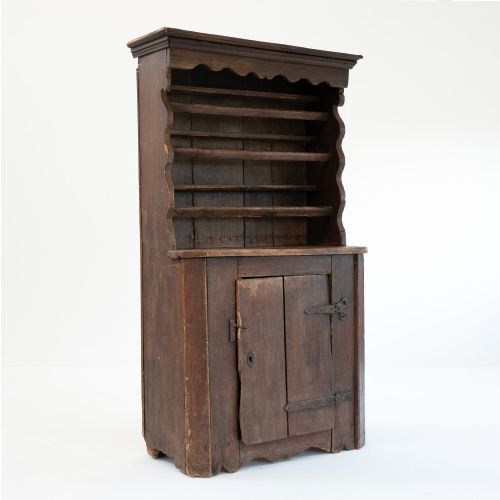
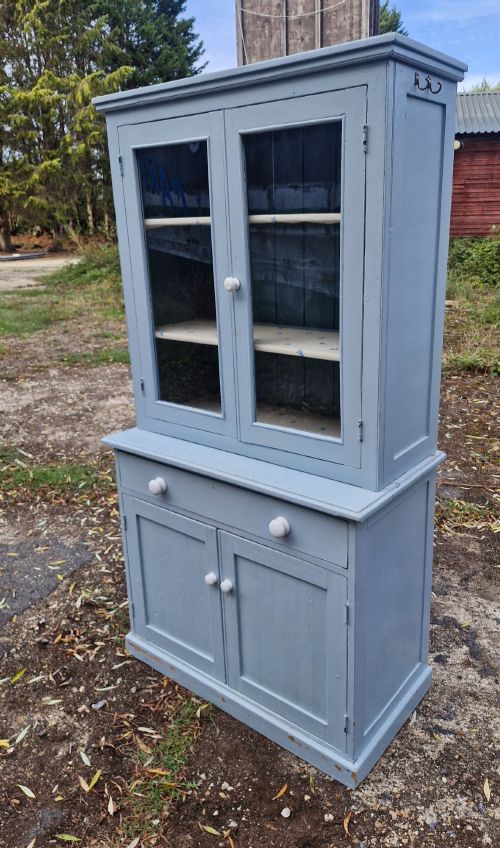
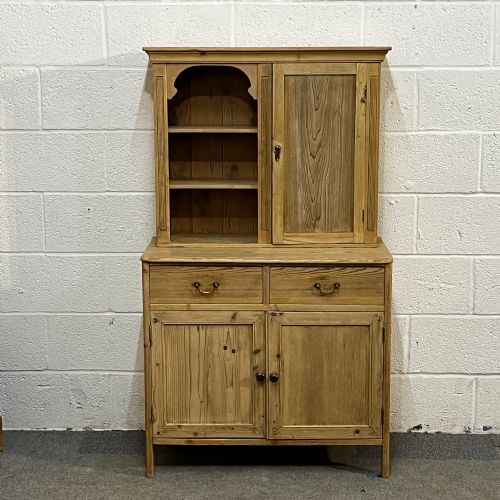
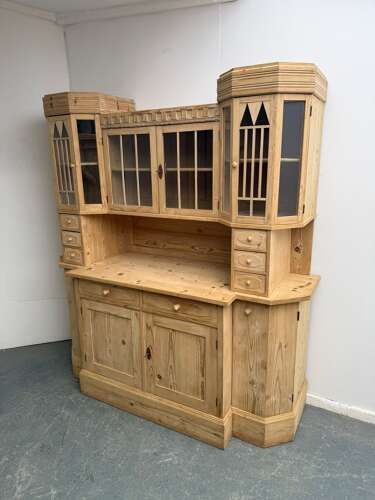
A welsh pine cupboard encompasses practical household storage pieces made primarily from softwood timber, often taking the form of dressers, food cupboards, or linen presses. These utilitarian items served rural households for storing provisions, crockery, and textiles.
The versions most commonly met on this page date from the eighteenth and nineteenth centuries, reflecting vernacular traditions from Wales and the wider British countryside. They appear with glazed doors, panelled doors, or open racks for display.
Regional variations extend beyond Wales to include English, Irish, Scottish, and West Country examples constructed within similar rural workshops. Each piece displays local preference in its cornice design, drawer configuration, and proportion.
Materials and construction
Makers utilised pine as the primary timber, sometimes pairing it with oak for structural strength or interior fittings. Brass and iron hardware, including hinges and drawer pulls, secured the doors and drawers during daily use.
Surfaces frequently show layers of early paint, often in original colours, alongside waxed or stripped finishes that expose the grain of the softwood. Wrought iron hooks and glass panels appear on specific food and display cupboards.
Joinery techniques relied on traditional methods suited to workshop production, producing robust frames designed to withstand heavy domestic service. Dovetail joints join drawer construction while pegged mortise and tenon joints secure larger carcasses.
Food cupboards retain the faint, lingering aroma of generations of stored cheese and cured bacon.
The spectrum of quality
Quality rests upon the preservation of original surfaces, such as early painted finishes or patinated waxed pine, compared to later stripping or repainting. Untouched regional character and original ironmongery elevate a piece above altered examples.
Proportion and scale dictate desirability, with smaller proportions, corner units, and compact food cupboards often commanding particular attention from collectors. The balance between base cabinets and upper plate racks also influences visual harmony.
The Welsh Pine Cupboard Glossary
- Pot board
- An open lower shelf beneath a dresser base traditionally used for storing pots and pans. This slatted or planked platform sits close to the floor.
- Bread and cheese cupboard
- A regional storage piece featuring perforated zinc or wooden lattices to ventilate food. These cabinets kept perishables safe from insects while allowing air circulation.
- Hanging cupboard
- A wall-mounted cabinet enclosed by doors, designed to store provisions or textiles off the floor. They frequently feature panelled doors and simple cornices.
- Dresser base
- The lower cabinet portion of a kitchen dresser, usually fitted with drawers and cupboards beneath a solid top. Some examples survive without their original upper plate racks.
- Talwrn dresser
- A distinct regional style of Welsh dresser associated with specific local cabinet-making traditions. These pieces demonstrate particular local traits in their drawer arrangements.
Welsh Pine Cupboard: Frequently Asked Questions
How do I date a pine cupboard?
Dating relies upon construction methods, timber selection, and surface treatments observed across the piece. Hand-cut nails, tongue-and-groove backboards, and original paint layers help establish the period of manufacture.
Secondary woods, such as oak or ash used in internal framing, also provide clues alongside vernacular design traits peculiar to the eighteenth or nineteenth century.
Were these cupboards always painted?
Many utility pieces received protective coats of paint or pigmented washes to seal the softwood timber. Original painted finishes survive on numerous examples from the Georgian and Victorian eras.
Subsequent generations frequently stripped these surfaces down to bare pine, altering the visual character of the cupboard from its original working appearance.
What is a food cupboard?
A food cupboard served as domestic storage for perishables before the advent of refrigeration. Ventilated panels allowed cool air to circulate while keeping provisions secure.
These pieces typically stood in kitchens or larders, functioning as practical storage for bread, cheese, and cured meats.
How do I care for antique pine?
Antique pine responds best to stable indoor humidity levels away from direct heat sources and strong sunlight. Maintaining consistent environmental conditions prevents timber shrinkage and board splitting.
Application of traditional beeswax preserves the surface finish without sealing the wood permanently, maintaining the natural patina developed over centuries.
What distinguishes Welsh dressers?
Welsh dressers combine lower storage cabinets with upper display shelving for ceramics and pewter. Regional characteristics appear in the moulding profiles, foot styles, and drawer layouts.
Local timber availability and cabinet-making conventions across different Welsh counties created distinct regional variations within the vernacular tradition.