
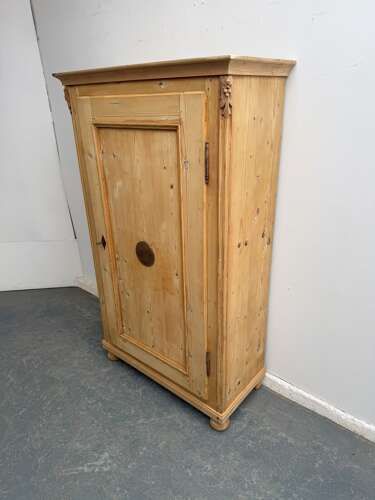
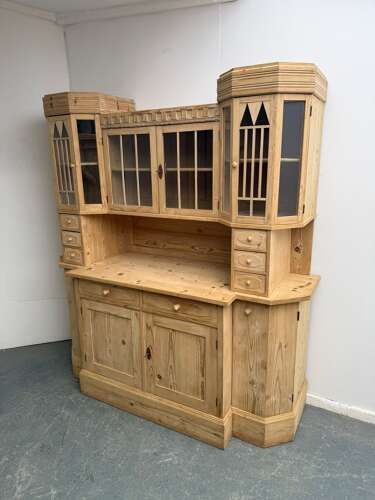
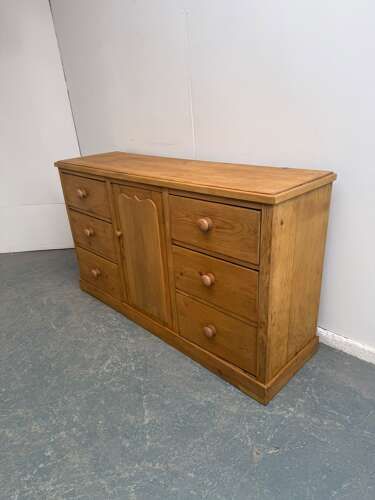
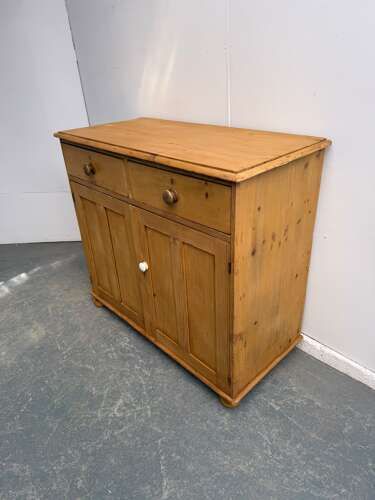
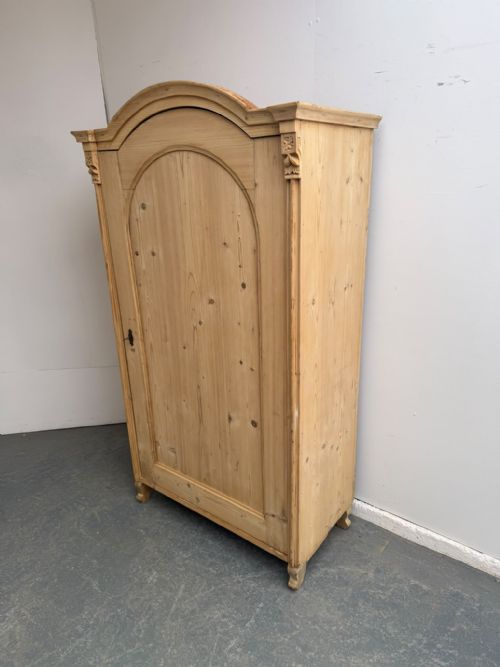
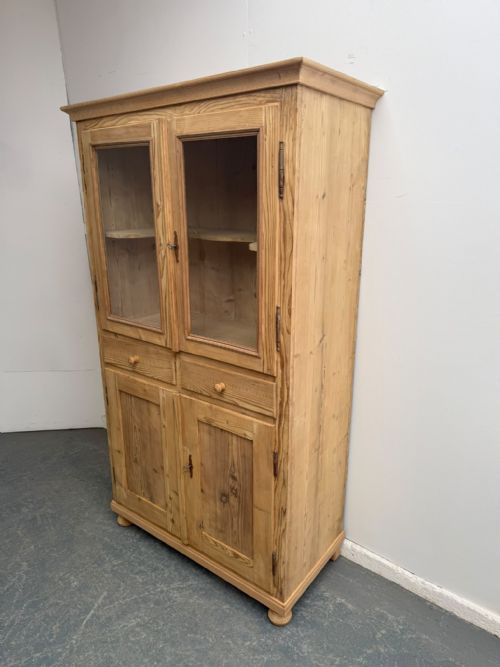
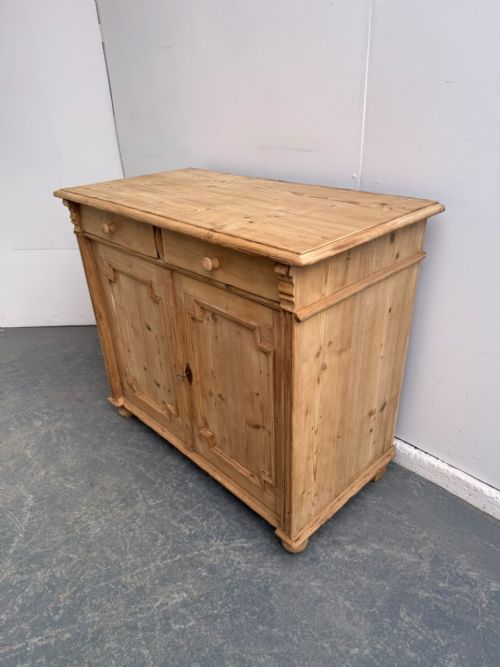
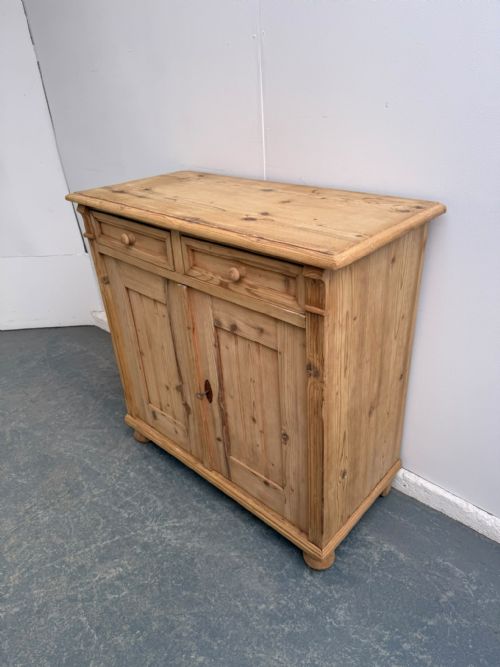
Waxed Pine Kitchen Cabinet
A waxed pine kitchen cabinet brings honest utility and warmth to a room, offering practical storage through traditional timber construction.
Waxed Pine Kitchen Cabinet
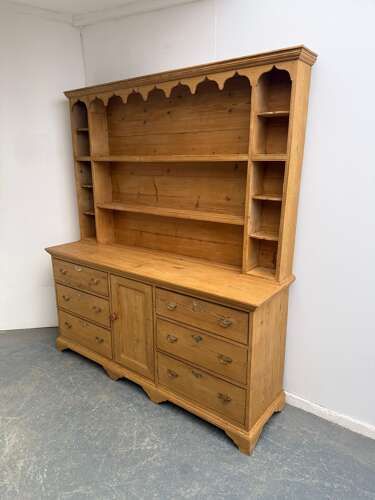
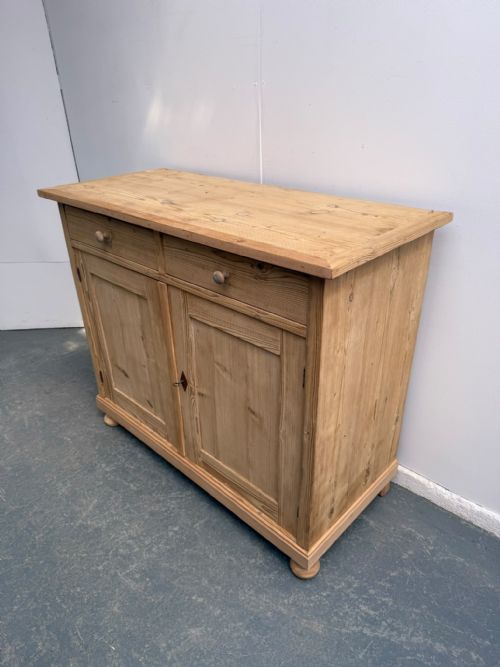
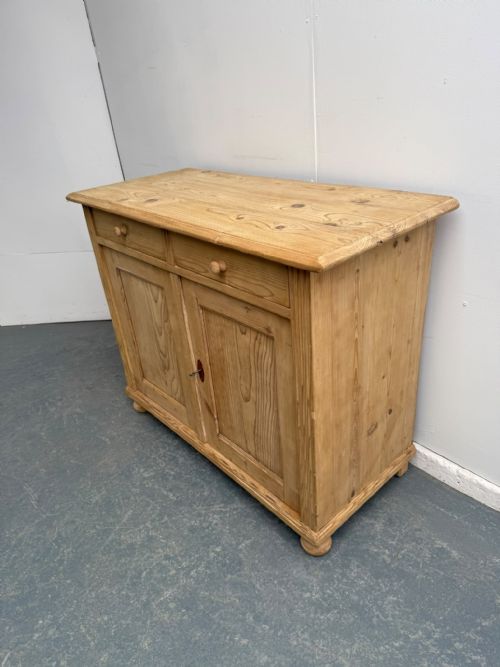
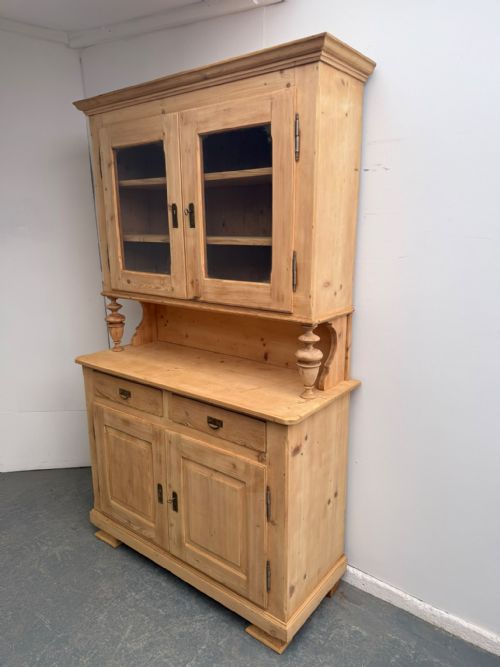
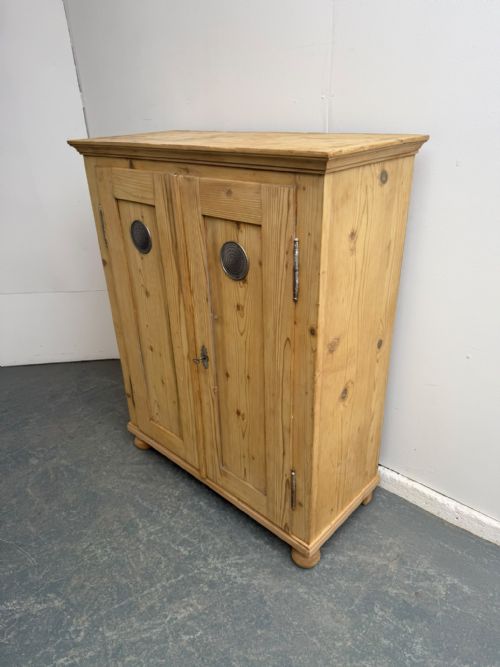
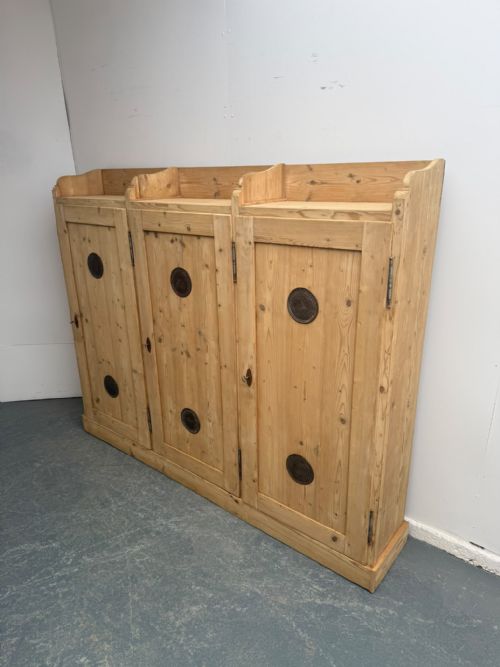
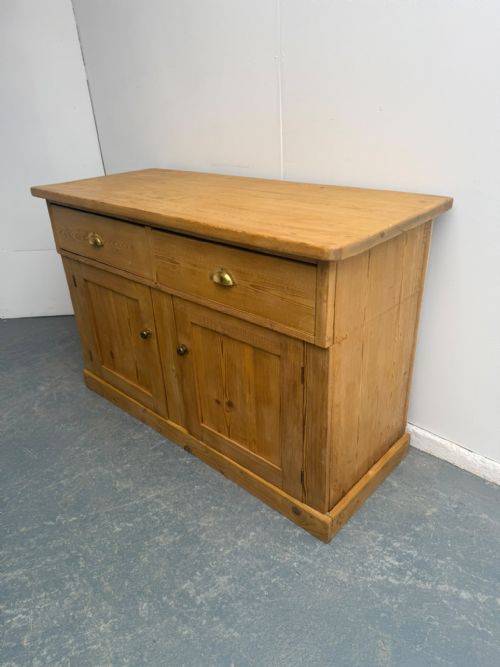
When you search for a waxed pine kitchen cabinet, you encounter sturdy timber storage furniture built for domestic utility. The pieces seen on this page span several decades and originate from English, Welsh, French, and Hungarian traditions. You find large kitchen dressers, dresser bases, sideboards, and freestanding cupboards designed to hold provisions and tableware.
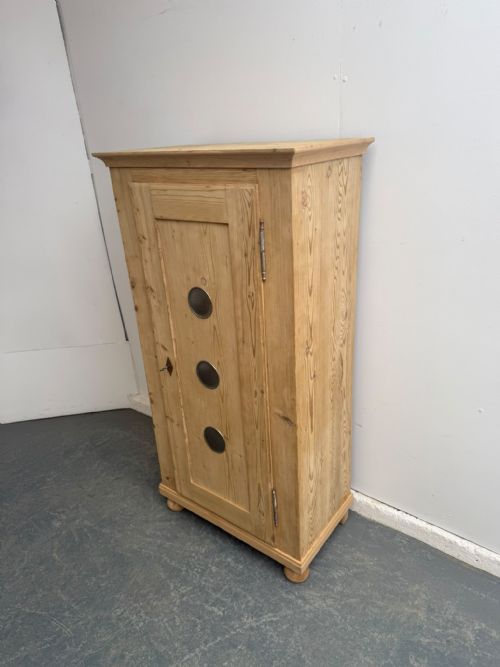
The most common forms on this page are Victorian dresser bases and kitchen cupboards featuring solid pine construction. These items often combine drawers and cupboards, and occasionally incorporate glazed display sections, bread slides, or vented doors. Georgian country examples also appear, offering similar utilitarian purpose with older proportions.
Originating from rural and provincial workshops, these cabinets served daily domestic labour rather than formal drawing rooms. Their presence reflects regional vernacular design, prioritising accessible storage and robust timber frames. Buyers choose them to anchor a kitchen or dining space with genuine period utility.
How they were made
Makers constructed these cabinets using solid pine timber, selected for its availability and workability in provincial workshops. Carpenters joined the structural elements using traditional joinery, housing panels within frames to accommodate seasonal wood movement. The surfaces received protective finishes of wax to nourish the grain and resist everyday kitchen wear.
Hardware played an essential functional role, with iron, brass, and metal hinges, handles, and latches securing doors and drawers. Certain specialised pieces integrated ceramic elements or glass panes within glazed display doors and tiled backs. Ventilation holes appeared on specific cupboards to keep stored foodstuffs cool and fresh.
Listings feature pieces spanning the Georgian, Victorian, Arts and Crafts, and vintage periods, constructed predominantly in solid pine with iron and brass hardware.
What varies in quality
Quality in these cabinets rests upon the integrity of the original timber and the restraint of subsequent alterations. Pieces retaining their original drawers, backboards, and hardware demonstrate superior historical value compared to those with heavily replaced components. The weight of the timber and the depth of the proportions also distinguish substantial architectural pieces from simpler utility cupboards.
The Waxed Pine Kitchen Cabinet Glossary
- Dresser base
- A lower sideboard unit featuring cupboards and drawers, historically used for food preparation and storage.
- Bread slide
- A pull-out wooden shelf integrated into a cabinet or dresser base, traditionally used for cooling or slicing bread.
- Vented cupboard
- A storage unit with pierced or perforated door panels designed to allow air circulation for perishable goods.
- Vernacular furniture
- Domestic pieces made by local regional craftsmen using accessible materials, prioritising function over high-style academic design.
- Fielded panel
- A wooden panel with bevelled edges designed to fit securely into a surrounding frame while allowing for natural timber expansion.
Waxed Pine Kitchen Cabinet: Frequently Asked Questions
What is a waxed pine kitchen cabinet?
A waxed pine kitchen cabinet is a freestanding piece of utilitarian storage furniture built from solid pine and finished with protective wax.
These items include cupboards, dresser bases, and sideboards originating from the Georgian and Victorian periods, designed originally for rural and provincial domestic use.
How do I clean waxed pine?
Clean waxed pine surfaces gently using a soft, dry cloth to remove everyday dust and surface grit.
Avoid harsh chemical cleaners or excess moisture, applying a traditional beeswax furniture polish periodically to maintain the timber's lustre and protection.
Where were these cabinets made?
These cabinets were made in provincial workshops across England, Wales, France, and Hungary to serve domestic kitchen storage needs.
Local carpenters and joiners utilised readily available regional pine to construct durable furniture suited to everyday country life.
How do I identify a Victorian pine cabinet?
Identify a Victorian pine cabinet by examining the timber density, construction methods, and hardware typical of the nineteenth century.
Look for hand-cut dovetail joints in the drawers, pegged frame construction, and authentic iron or brass fittings characteristic of the period.
Can I use an antique cupboard in a modern kitchen?
You can easily integrate an antique pine cupboard into a modern kitchen as a freestanding larder or crockery store.
Their robust timber construction and generous internal proportions provide practical everyday storage while adding historical warmth to contemporary spaces.