


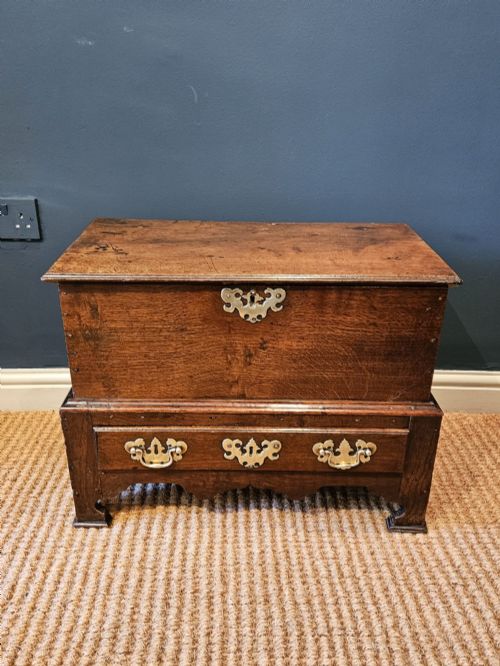


Welsh Oak Trunk
A Welsh oak trunk brings honest country craftsmanship and rich timber into a room, offering robust storage with centuries of character.
Welsh Oak Trunk
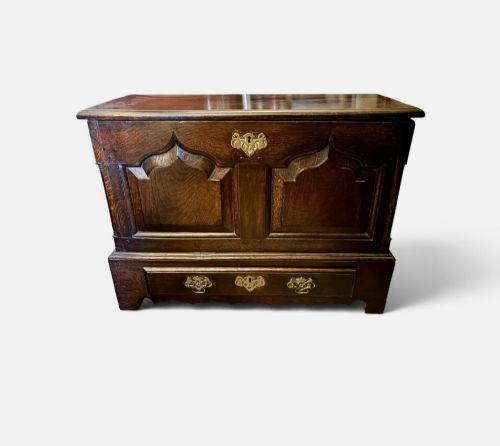
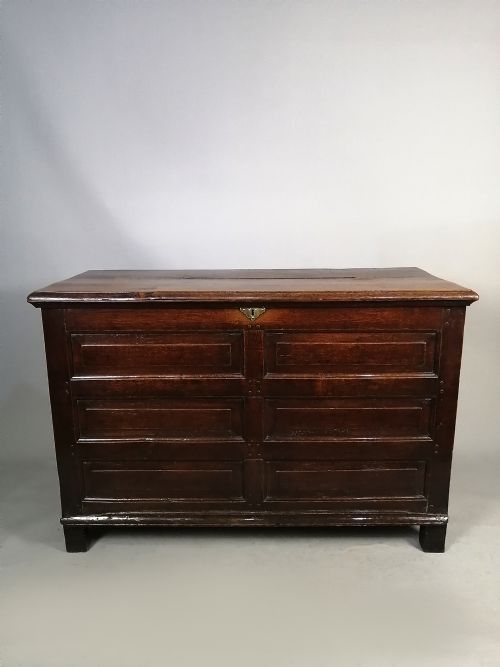
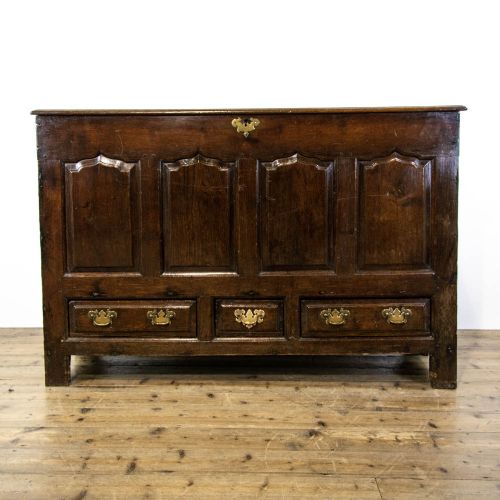
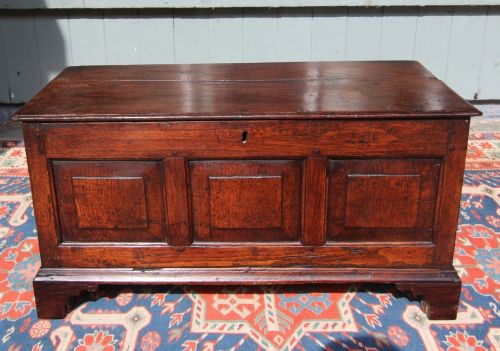
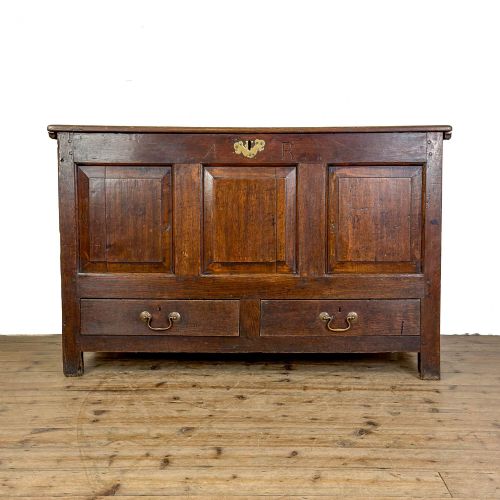
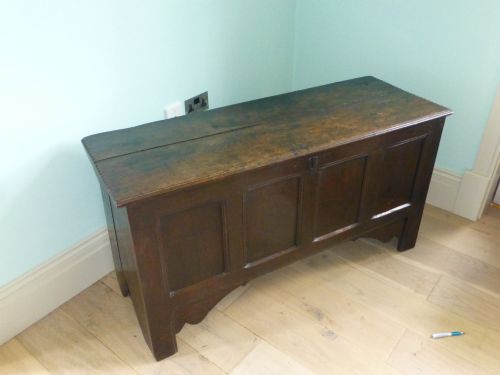
When you search for a Welsh oak trunk, you encounter a robust tradition of country furniture ranging from monumental sixteenth-century six-plank chests to diminutive coffer bachs. The pieces on this page span the sixteenth, seventeenth, eighteenth, and nineteenth centuries, capturing the evolution of domestic storage across Welsh regions like Gower, Snowdonia, and Montgomeryshire.
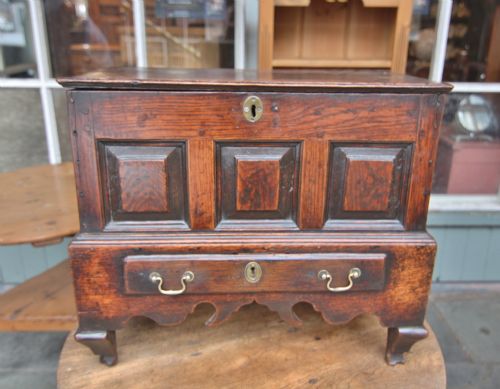
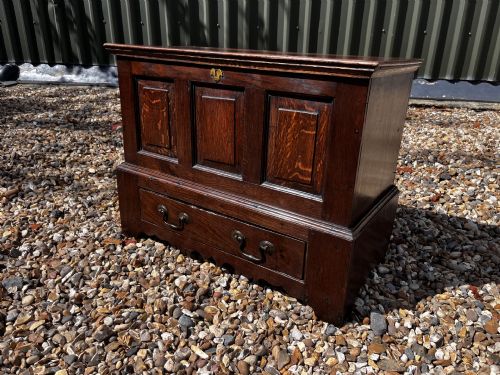
You will regularly meet standard coffers alongside mule chests fitted with drawers below the main compartment and miniature boxes known locally as coffor bach. These objects served essential storage functions in Welsh homes, housing textiles, grain, or valuables, and they survive today in forms from plain primitive boards to intricately carved examples.
How they were made
Local joiners built these pieces primarily from native oak, sometimes incorporating fruitwood, fruitwood inlay, and painted wood for decorative contrast. Structural hardware relied on iron and wrought iron for hinges and straps, alongside brass details on select later iterations.
Techniques ranged from rudimentary six-plank construction fastened with pegged joints to panelled framing and surface carving. Craftsmen utilised basic hand tools to shape the timber, leaving tool marks and surface variations that document the regional workshop practices of the period.
One tiny nineteenth-century box survives in painted wood, proving that even rural Welsh joiners occasionally yielded to the temptation of colour.
What varies in quality
The distinction between standard domestic utility and superior craftsmanship lies in the depth and crispness of the original carving, the integrity of the timber surfaces, and the survival of secondary woods. Early examples with untouched patination and original ironwork command greater attention than heavily restored or later altered pieces.
Proportion and scale also dictate distinction, particularly in smaller forms where miniature proportions require refined scaling of stiles, rails, and lids. The presence of documented regional characteristics, such as specific regional panel arrangements or dated inscriptions, elevates the standing of an individual chest.
The Welsh Oak Trunk Glossary
- Coffer bach
- A small Welsh chest or miniature coffer, historically used for holding precious items or personal documents. These diminutive pieces often mirror the construction of larger blanket chests on a smaller scale.
- Mule chest
- A storage chest featuring one or more drawers built into the base beneath the primary compartment. This form bridges the gap between the traditional coffer and the modern chest of drawers.
- Six-plank chest
- An early and simple form of box construction made from six boards joined at the edges, often pegged and reinforced at the corners. It represents some of the earliest surviving vernacular furniture.
- Grain ark
- A specialised agricultural chest or bin designed for storing dry goods or seed grain. These robust pieces reflect the practical domestic economy of rural Welsh communities.
- Patination
- The deep surface sheen and coloration developed by oak over centuries of handling, exposure to light, and waxing. It serves as a visual indicator of age and continuous use.
Welsh Oak Trunk: Frequently Asked Questions
How do mule chests differ from standard chests?
Mule chests incorporate one or more drawers beneath the main lifting compartment of the box. This hybrid design allowed users to access frequently used items in the drawers without lifting the heavy lid.
They emerged as domestic needs for organised storage increased during the seventeenth and eighteenth centuries.
Where were these pieces made?
These items originated in various rural regions and communities across Wales, including Montgomeryshire, Snowdonia, and the Gower Peninsula. Local craftsmen utilised locally sourced oak and regional design idioms.
Distinct structural characteristics often point back to the specific Welsh county or workshop where the joiner worked.
How do I care for antique oak furniture?
Antique oak benefits from stable indoor humidity levels and protection from direct sunlight to prevent timber shrinkage and cracking. Regular dusting with a soft cloth keeps the surface clean.
Occasional applications of traditional beeswax nourish the wood and help maintain the natural patination without sealing the pores.
How can I tell the period of a chest?
Dating relies on examining construction techniques, tool marks, joinery methods, and hardware styles across the piece. Six-plank construction and heavy mouldings typically point to sixteenth or seventeenth-century origins, while added drawers and lighter proportions suggest the eighteenth century or later.
Original hinges, locks, and surface wear patterns provide further physical clues to the age of the object.