


Welsh Country Table
These pieces are a welsh country table, combining honest vernacular utility with hard-wearing native timbers.
Welsh Country Table
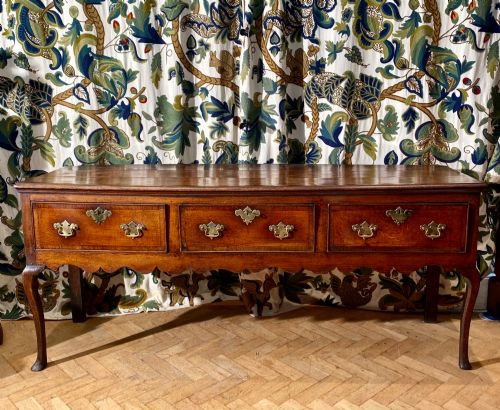
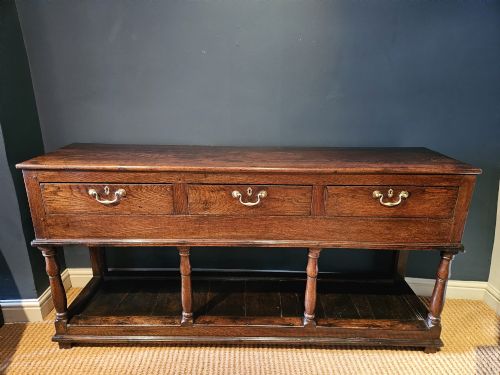
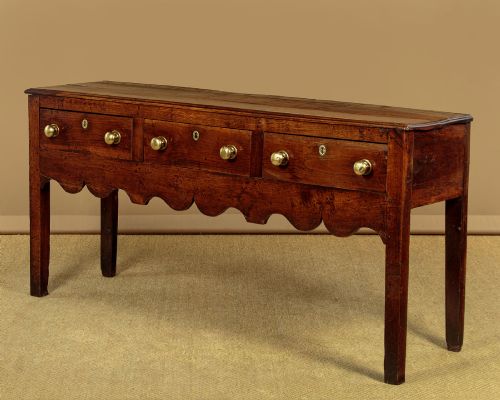
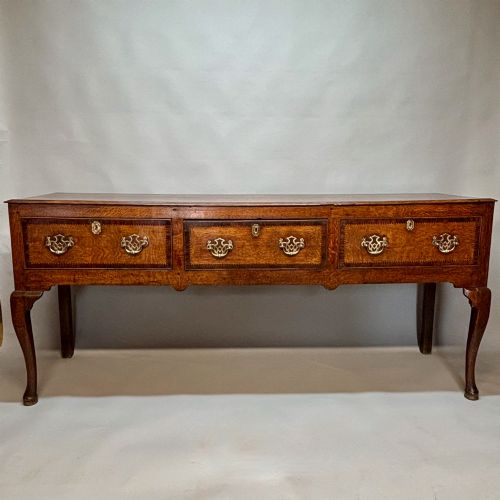
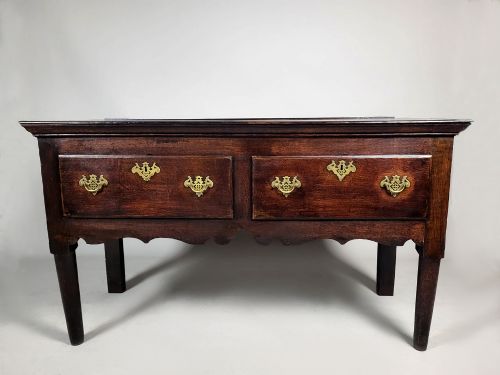
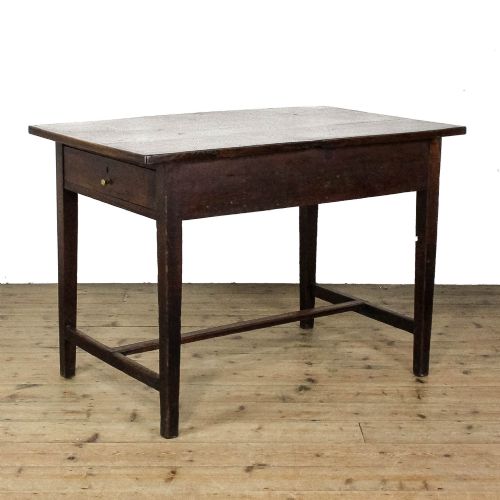
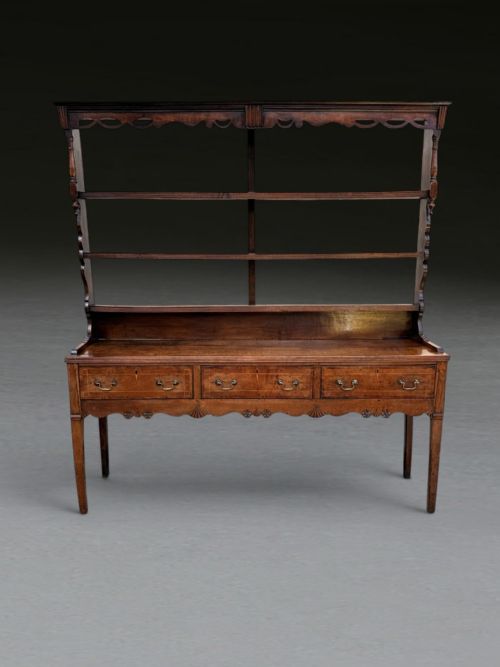
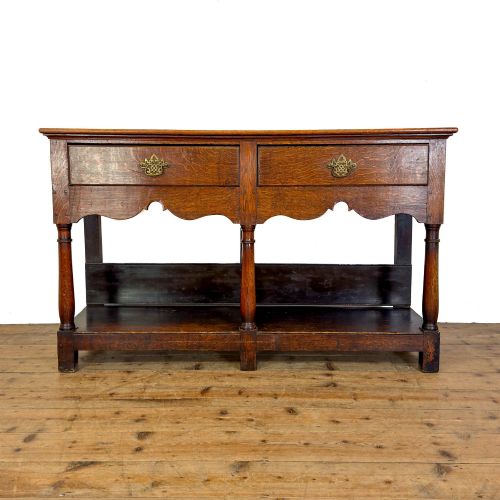
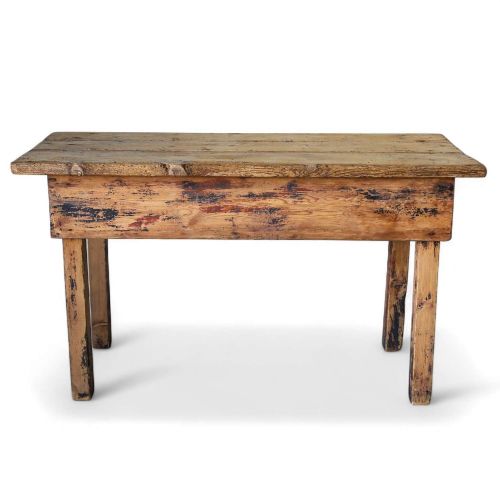
A welsh country table encompasses sturdy kitchen and dining pieces, along with smaller occasional forms built for daily rural use. The most common examples seen here are oak and pine dresser bases, side tables, and tavern tables dating from the seventeenth century through to the nineteenth century.
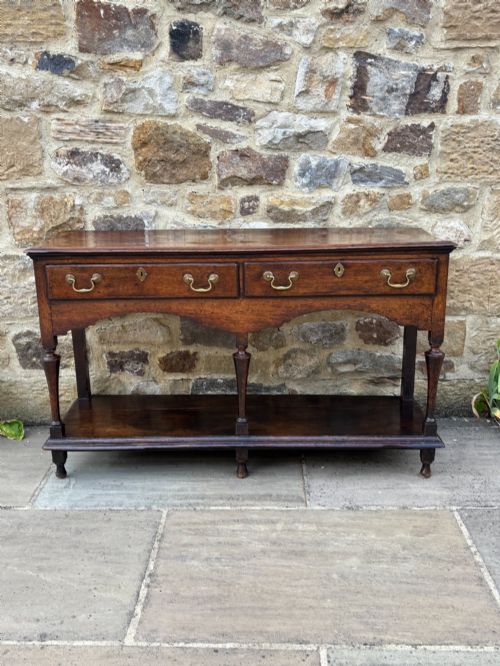
Makers working within these vernacular traditions produced robust furniture suited to domestic and tavern life. Pieces often display regional characteristics, such as the lowboard or potboard configurations typical of mid-Wales workshops.
Materials and construction
Makers relied primarily on native timbers, utilising solid oak for structural longevity alongside pine, ash, and sycamore. Joinery was straightforward and utilitarian, designed to withstand heavy domestic service.
Surfaces frequently show the natural grain of the wood, though surviving examples also incorporate historical painted finishes like original red paint. Brass fittings appear on drawer fronts, while some tables utilise traditional tripod or X-frame supports.
Woods recorded across the inventory include oak, pine, ash, sycamore, elm, and brass.
Assessing quality and character
Quality rests in the integrity of the timber and the balance of regional proportions. Superior examples maintain their original surfaces, unaltered bases, and untouched brasses rather than reconstituted elements.
The degree of country vernacular charm also dictates appeal. Simple rustic execution with patinated wood sits at the heart of the tradition, distinguishing honest working furniture from later imitation.
The Welsh Country Table Glossary
- Dresser base
- The lower section of a Welsh dresser, functioning as a sideboard or serving table with drawers and cupboards.
- Cricket table
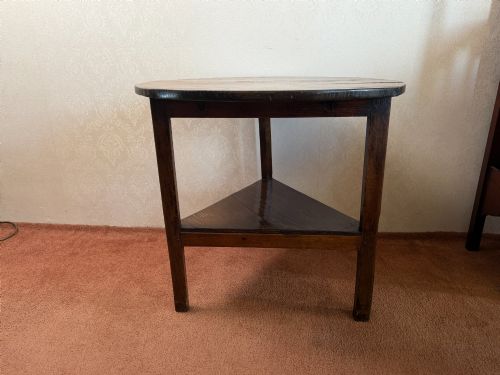
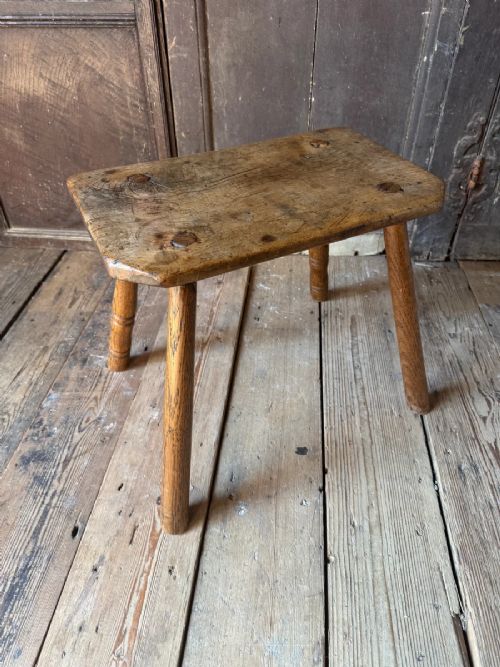
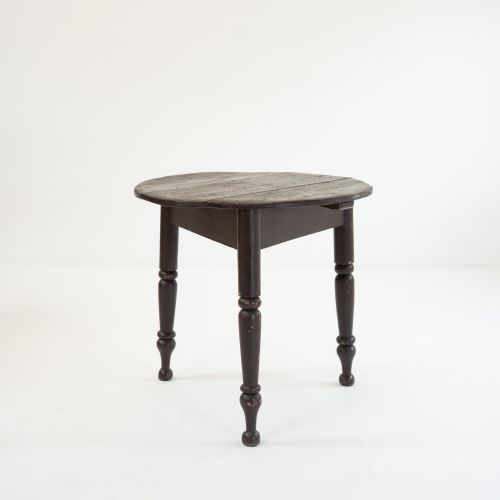
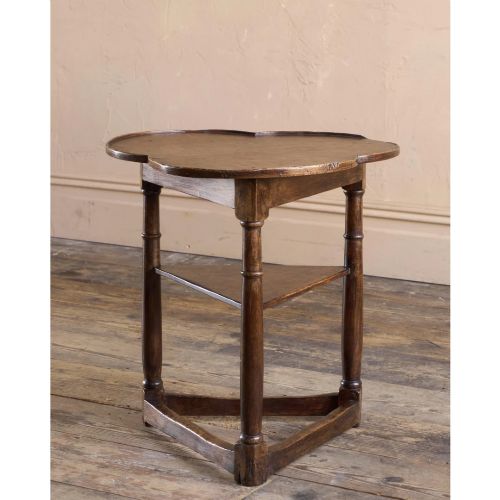
- A small, light occasional table supported by three splayed legs, historically designed for uneven flagstone floors.
- Potboard
- An open slatted lower shelf fitted between the legs of a dresser base, traditionally used for storing pots and pans.
- Lowboy
- A small side table or dressing table featuring one or more rows of drawers beneath the work surface.
- Vernacular
- Architecture and furniture built by local craftsmen using traditional methods and regional materials without academic design influence.
Welsh Country Table: Frequently Asked Questions
What is a cricket table?
A cricket table is a small occasional table distinguished by three legs, which provided steady footing on uneven stone floors in rural homes.
These pieces typically feature circular wooden tops and splayed legs, making them versatile for side use in any room.
How do I identify a Welsh dresser base?
A dresser base is a low rectangular cabinet featuring rows of drawers and sometimes lower potboards or cupboards.
They were built by local joiners to serve as practical kitchen workstations and server units.
Are these tables made of solid wood?
These pieces utilise solid native timbers such as oak, pine, ash, and sycamore throughout their construction.
Makers selected these hardwoods and softwoods for their local availability and strength under daily domestic use.
Where were these tables made?
The furniture originates from rural workshops across Wales and English border regions, reflecting distinct local building traditions.
Craftsmen built them for farmhouses, cottages, and taverns using locally felled timber.