


Weight Driven Longcase Clock
A weight driven longcase clock measures hours through descending masses, bringing mechanical precision and architectural presence to a room.
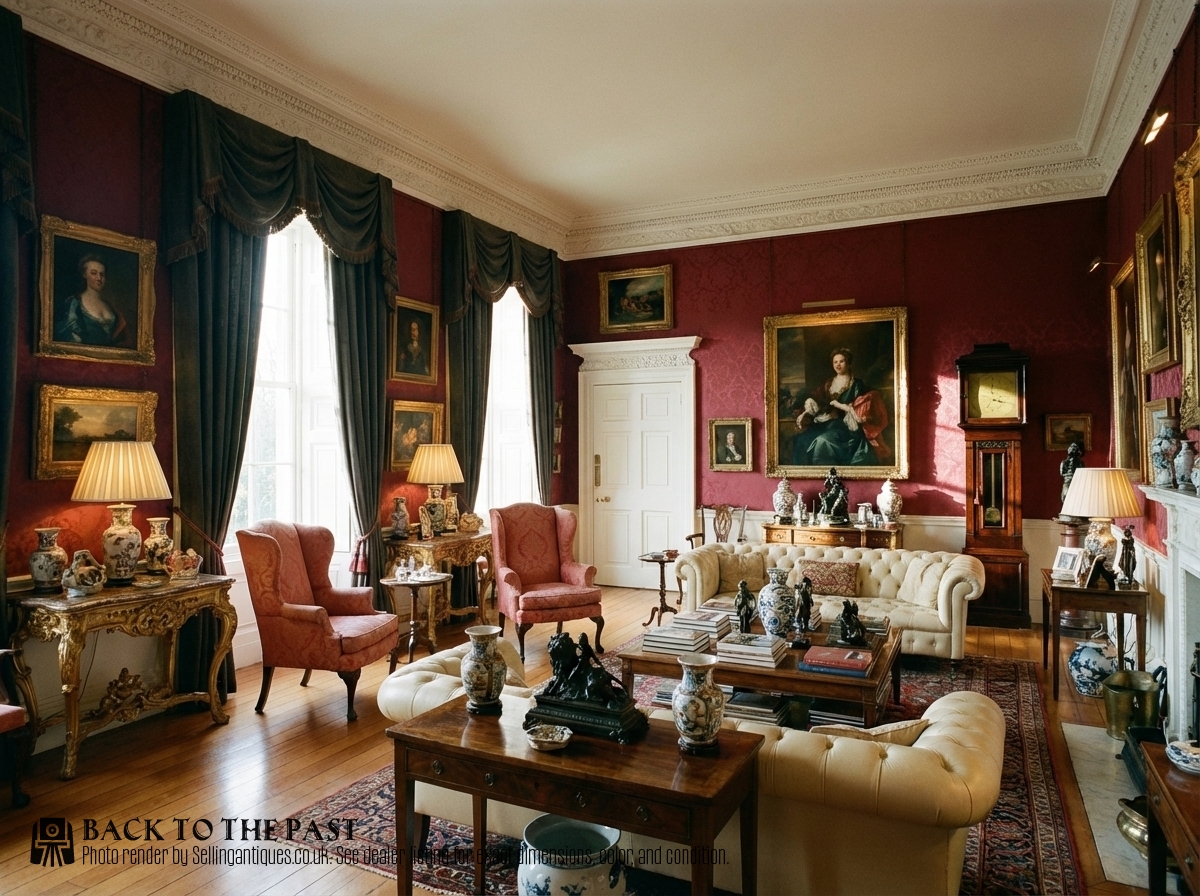
Weight Driven Longcase Clock
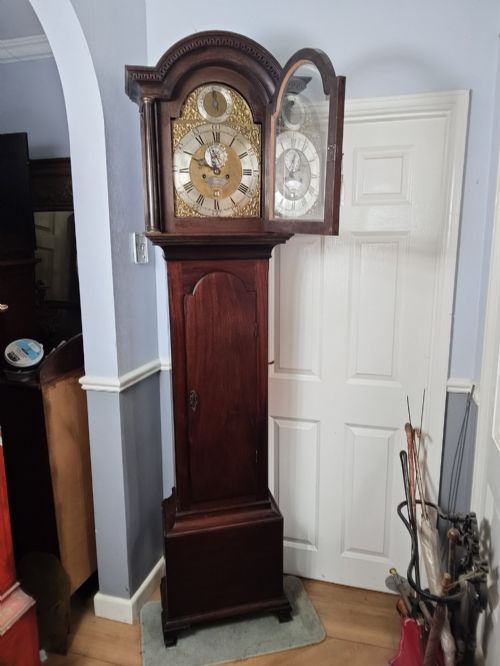
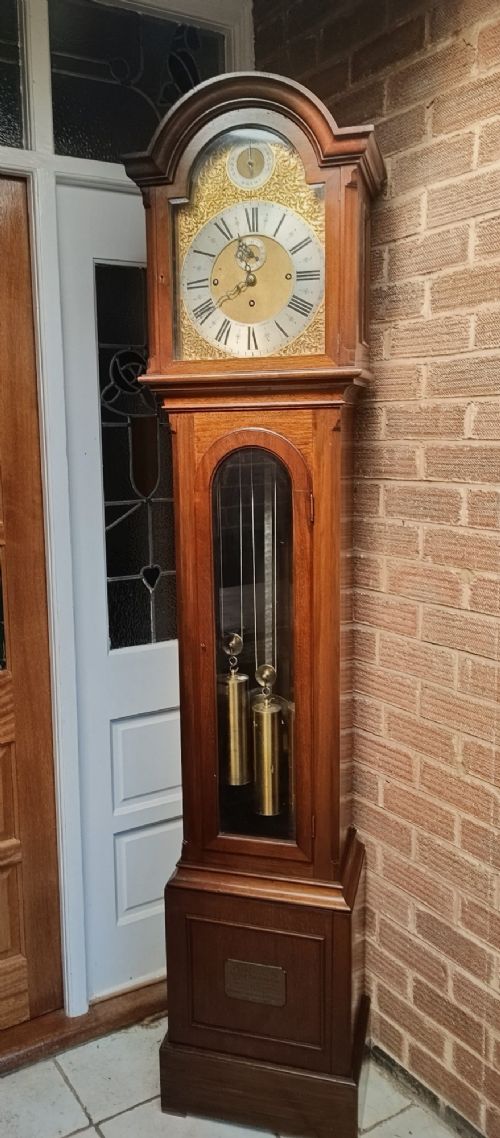
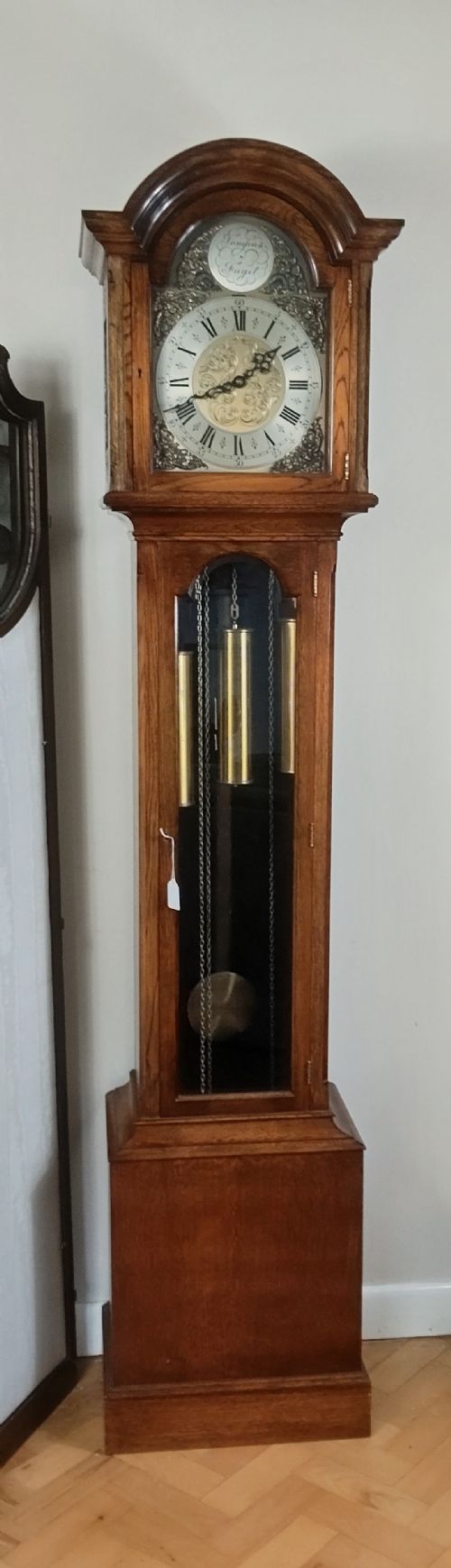
A weight driven longcase clock stands tall on the floor, housing a pendulum and suspended weights within a wooden trunk. When searching for this phrase, a buyer encounters tall case timepieces spanning the Georgian, Victorian, and Edwardian eras, alongside later 1930s examples.
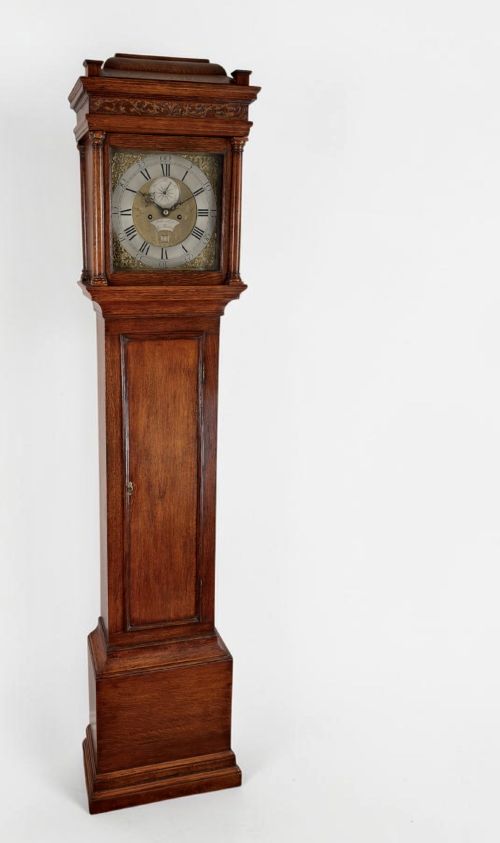
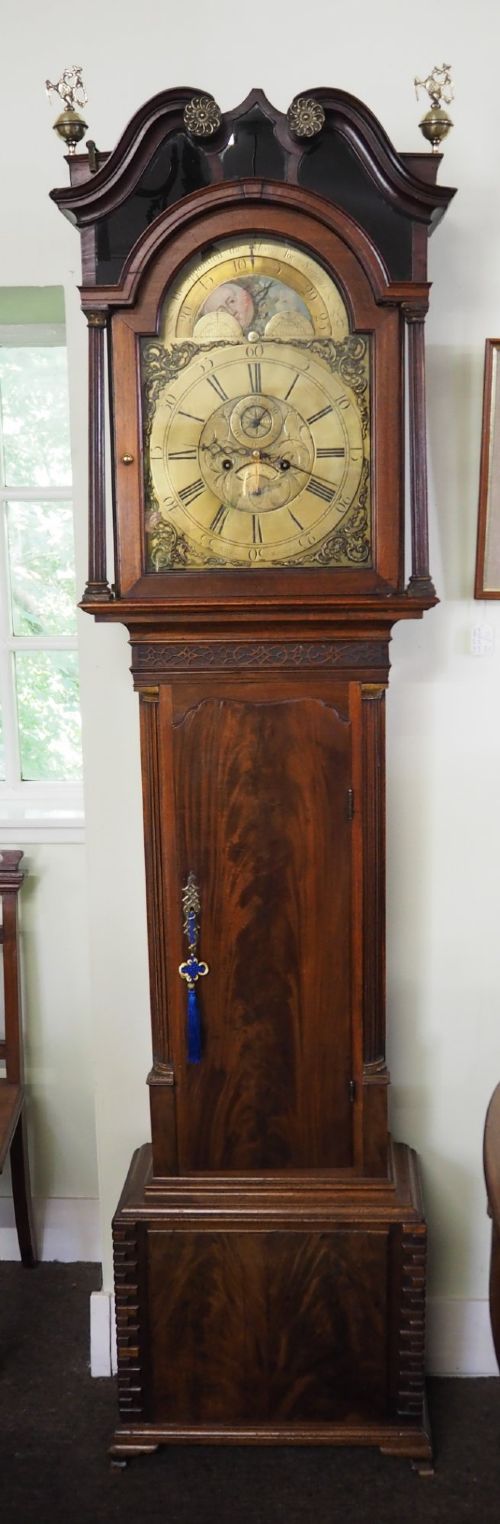
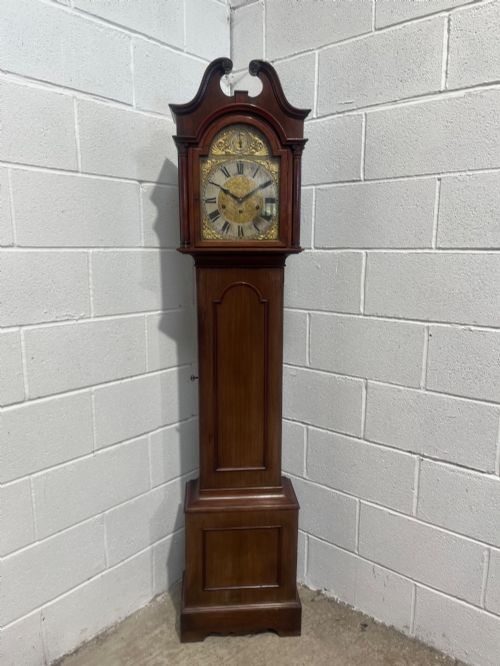
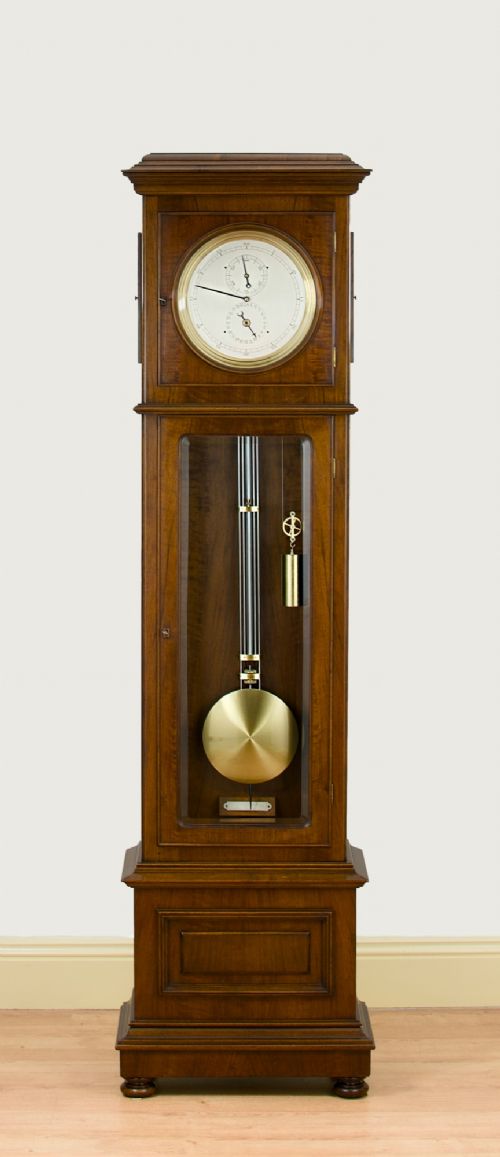
The versions most frequently met on this page include mahogany and oak floor-standing clocks, ranging from full-sized grandfathers to smaller grandmother and miniature regulator formats. These pieces originate from English and Scottish makers, utilising brass dials and glass door panels to display the movement inside.
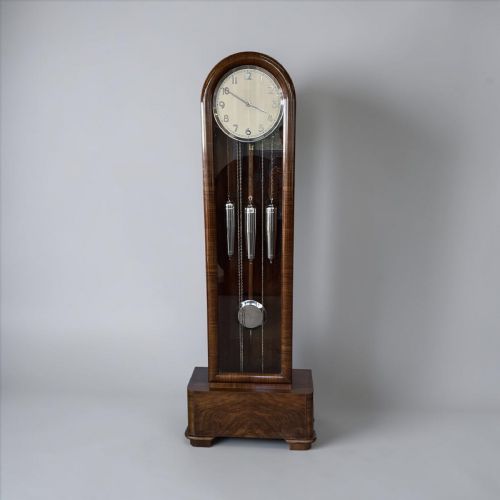
Cabinets vary from early oak country examples to polished mahogany London pieces and later Art Deco designs. Dial configurations include arched brass faces, painted iron numbers, and specialised regulator seconds sub-dials.
How They Were Made
Cabinetmakers constructed the tall wooden cases using native and imported timber, predominantly oak and mahogany, occasionally applying walnut veneers, lacquer, or inlaid details. Wood panels protect the internal pendulum and heavy metal weights from dust and air currents.
Horologists built the interior mechanisms from brass, steel, and iron, driving the gear trains with suspended weights hung on lines or chains. Glass panels set into the trunk doors allow visibility of the swinging pendulum and descending weights.
Dials combine engraved or silvered brass chapters with painted iron faces, displaying single hands, minute hands, or complex subsidiary rings for seconds and calendar functions.
Some provincial clocks arrive bearing the distinct marks of domestic history, including handwritten watchmaker repair notes pasted inside the trunk door.
What Varies in Quality
The standard of dial engraving and the complexity of the movement separate standard timepieces from high-grade regulators. Precision models include maintaining power to keep the clock running during winding, alongside delicate quarter-chiming or multi-tune musical mechanisms.
Cabinet construction quality shows in the choice of timber figurations, secondary wood use, and the crispness of mouldings or inlay. Original hood glass, undisturbed brass dial plates, and properly matched weights indicate a well-preserved survival.
Lee of Great Marlow·Elliott·Lenzkirch·Enfield·Gillett and Johnston·Francis Perigal·William Wady·Wm Stanford·Benjamin Rogers·Rob Parry Pwllheli·Herbert of Haversham·Aitchison of Glasgow·JJ Elliot
The Weight Driven Longcase Clock Glossary
- Regulator
- A high-precision clock designed for exact timekeeping, often featuring a sweep seconds hand and temperature-compensated pendulum. These movements prioritize timekeeping accuracy above domestic chiming functions.
- Grandmother clock
- A smaller, scaled-down version of the traditional longcase clock. These compact timepieces suit rooms with lower ceilings while retaining weight-driven mechanisms.
- Dial
- The face of the clock where hours and minutes are read. They are constructed from brass or painted iron and framed by the hood.
- Hood
- The upper glazed section of a longcase clock that lifts or opens to reveal the dial and movement. It protects the delicate motion work from dust.
Weight Driven Longcase Clock: Frequently Asked Questions
How do weight driven longcase clocks work?
Weights suspended by lines or chains descend slowly inside the wooden trunk, providing the downward force that drives the internal gear train and keeps the pendulum swinging.
Owners periodically wind the mechanism by pulling the chains or using a crank to draw the weights back up to the top of the case.
Where should I place a longcase clock?
These clocks require a solid, level floor and a secure fixing point to the wall through the back of the case to prevent swaying. Placing them away from direct sunlight and drafts preserves the wooden cabinet and keeps the pendulum beating evenly.
Ceiling height is the main practical consideration, ensuring the tall hood clears light fixtures or decorative mouldings.
How do I tell an 18th century clock from a later one?
Eighteenth-century examples often feature square brass dials with cast spandrels in the corners, mounted in solid oak or figured mahogany cabinetry built by regional makers. Later Victorian and Edwardian pieces frequently introduce arched painted dials, drum heads, or elaborate inlaid mahogany cases.
Twentieth-century variations shift towards streamlined Art Deco silhouettes or specialised precision regulators with deadbeat escapements.
What is the difference between a grandfather and grandmother clock?
Grandfather clocks are full-sized floor-standing timepieces, typically measuring over six feet in height to accommodate long pendulums and heavy weights. Grandmother clocks are noticeably shorter and narrower miniature versions designed for smaller domestic spaces.
Both types rely on identical weight-driven mechanics, though smaller variants appeared more frequently during the Edwardian and later periods.