




Wedgwood Lustre Pottery
Wedgwood lustre pottery brings dazzling iridescent surfaces and fantastical imagery to your shelves, offering some of the most imaginative ceramic design of the early twentieth century.
Wedgwood Lustre Pottery
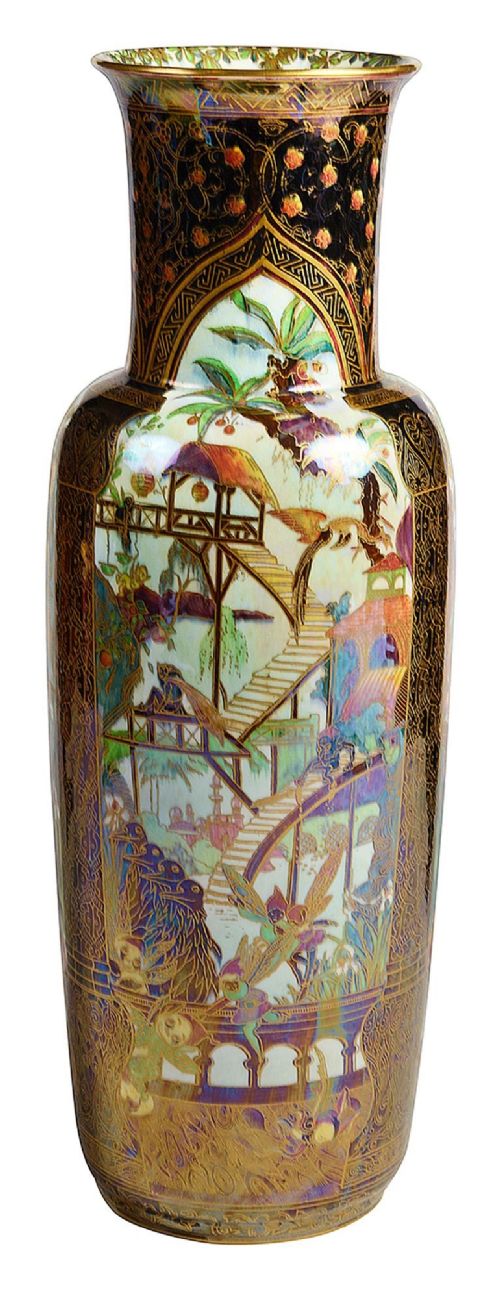
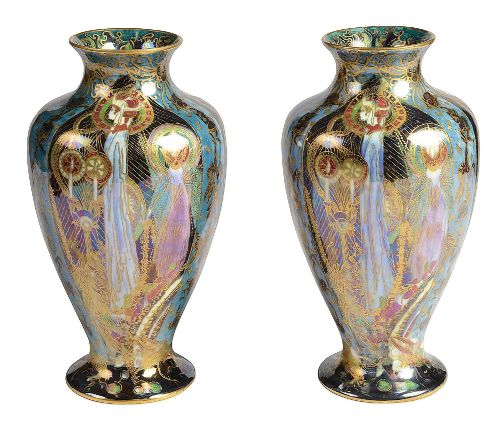
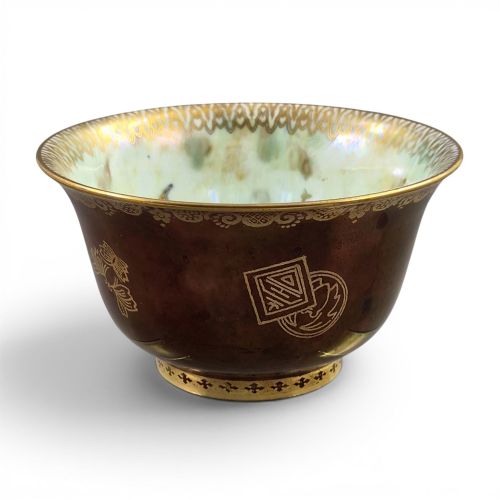
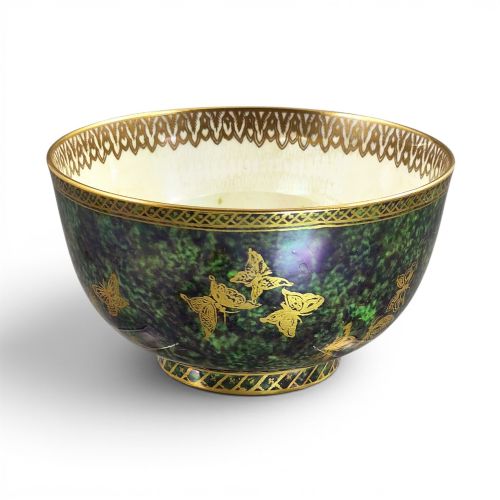
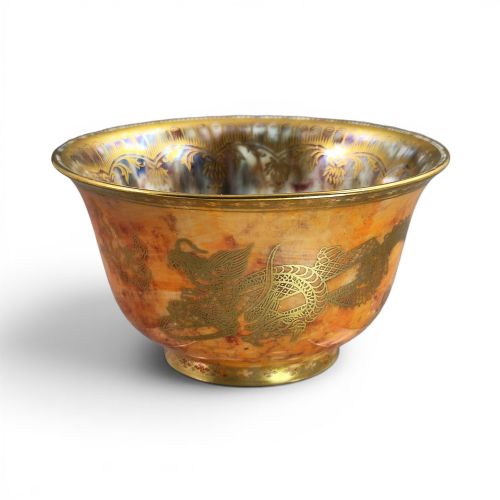
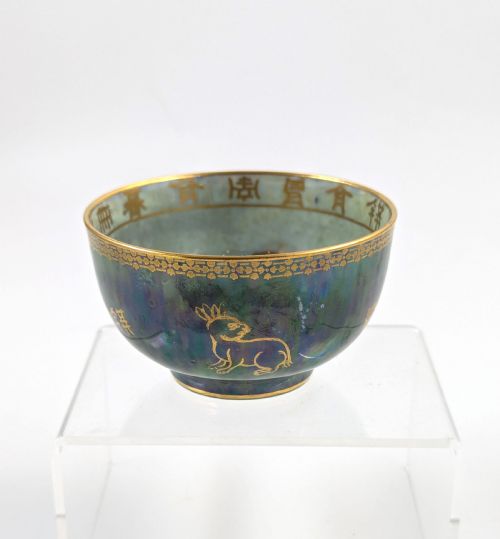
When you search for wedgwood lustre pottery, you encounter a distinct genre of ceramic art defined by shimmering metallic oxides and rich colour palettes. The pieces on this page span several decades, featuring decorative bowls, vases, and jugs created in distinct aesthetic movements.
You are most likely to meet twentieth-century works, particularly those associated with the Edwardian period and the 1920s. These items frequently display intricate motifs involving dragons, fairies, and butterflies rendered across earthenware and porcelain bases.
Earlier Georgian examples also appear, demonstrating a different tradition of variegated glaze effects on creamware. Alongside these, Art Deco and Art Nouveau styling heavily influence the geometric forms and organic contours of the vessels.
Materials and production techniques
Potters utilised earthenware, bone china, and porcelain as the foundational bodies for these ceramic objects. The application of specialised lustre glazes produced the characteristic metallic sheen that catches the light from different angles.
Makers integrated gold leaf and gold gilt details to highlight intricate patterns and outline fantastical scenes. Enamel colours were layered over the glaze, requiring multiple firings in the kiln to fix the iridescent finishes permanently.
Listings in this category predominantly feature twentieth-century earthenware and porcelain objects decorated with lustre glazes.
Assessing quality in lustre wares
The sophistication of the design execution largely determines the standing of a piece within this genre. Complex pictorial narratives involving multiple mythical figures demand exceptional painting skill compared to simpler geometric patterns.
The brilliance and depth of the iridescent glaze finish further distinguish finer examples. A well-fired surface exhibits vibrant play of light across the metallic oxides without dull patches or uneven pooling.
Daisy Makeig Jones·James Hodgkiss
The Wedgwood Lustre Pottery Glossary
- Lustre glaze
- A type of ceramic glaze containing metallic salts that produce an iridescent, pearl-like or metallic sheen upon firing. This technique creates the signature reflective surface seen on these wares.
- Fairyland lustre
- A specific line of decorative ceramics featuring elaborate, mythical designs such as elves, imps, and fantastic landscapes. It represents the pinnacle of Wedgwood's twentieth-century artistic output.
- Creamware
- A refined earthenware body of light cream colour developed in the eighteenth century. It provides a smooth, pale background well suited to colourful enamel painting and glaze experimentation.
- Baluster vase
- A tall vase form characterised by a rounded body that tapers toward the neck, resembling an architectural baluster. This shape appears frequently among the larger display vessels.
Wedgwood Lustre Pottery: Frequently Asked Questions
What is wedgwood lustre pottery?
These pieces are decorative ceramics produced by Wedgwood, featuring metallic glaze finishes that create a shimmering, iridescent effect.
They encompass various forms such as bowls, vases, and jugs adorned with painted motifs ranging from abstract patterns to elaborate mythological scenes.
How do I identify fairyland designs?
Fairyland designs typically showcase intricate, narrative scenes filled with imaginative creatures like fairies, goblins, and dragons set in fantastical landscapes.
They often incorporate rich colour combinations alongside extensive gilding and detailed borders that frame the primary artwork.
What materials are used?
The pieces are constructed from ceramic bodies including earthenware, porcelain, and bone china, which provide a stable base for the glazes.
Surface decoration relies on specialised metallic lustre glazes, colourful enamels, and applied gold gilt or gold leaf.
How should I display them?
Display these ceramics in spaces with good ambient lighting to allow the iridescent glazes and gold details to catch the light effectively.
Keep them out of direct, harsh sunlight to protect the enamel colours and metallic finishes over extended periods.