

Weathered Stone Ornaments
Weathered stone ornaments bring character to outdoor spaces through time-softened figures, urns and staddle stones shaped by decades in the garden.
Weathered Stone Ornaments
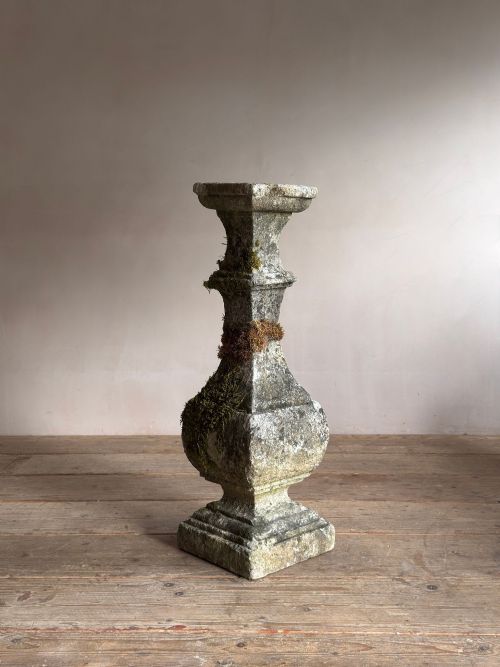
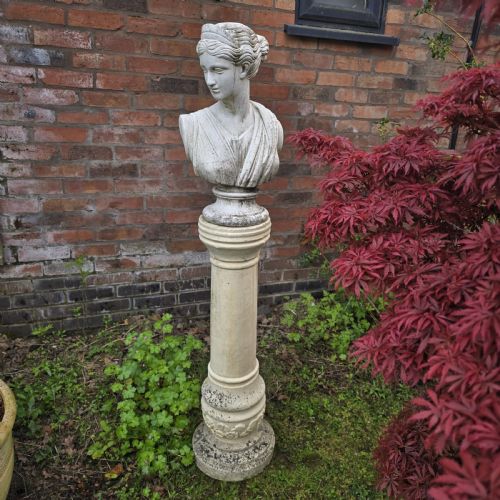
Weathered stone ornaments encompass garden statues, bird baths, sundials, urns and architectural salvage shaped from natural and composite materials. When you search for weathered stone ornaments, you encounter pieces that have spent decades exposed to the elements, developing genuine patinas of moss and softened edges.
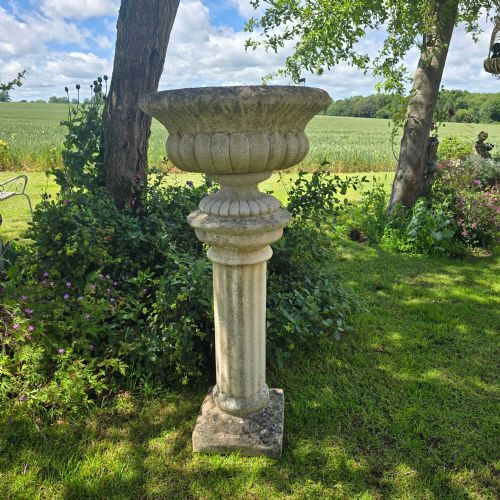
The selection ranges from eighteenth-century limestone sundials and staddle stones to twentieth-century cast stone figures and campana urns. Mid-twentieth-century pieces appear frequently, alongside earlier examples showing neoclassical or Gothic revival styles.
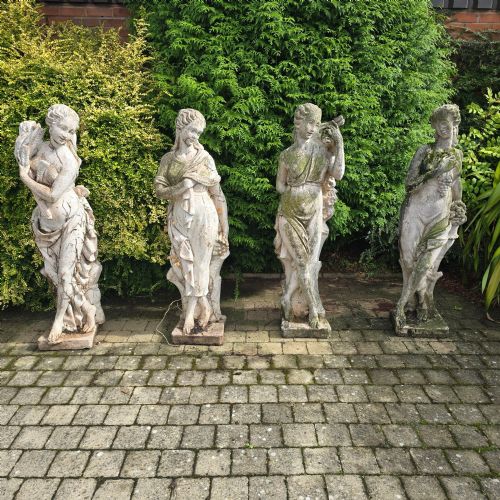
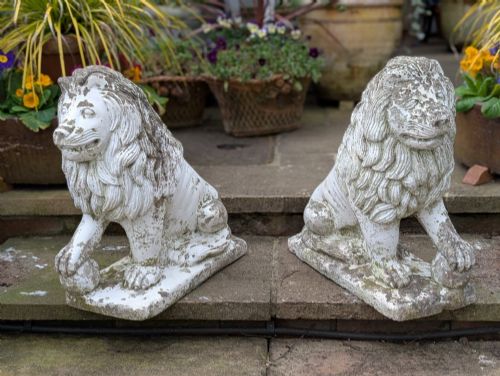
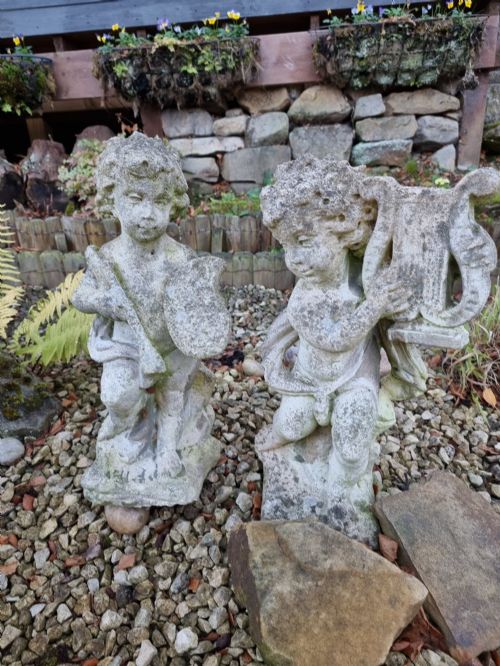
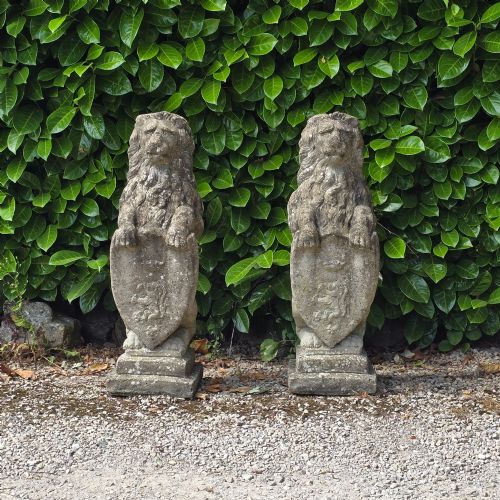
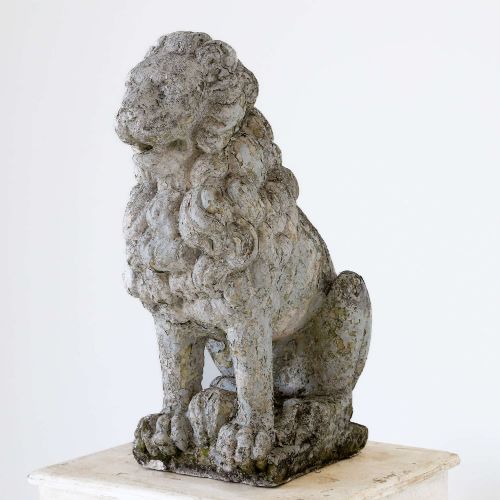
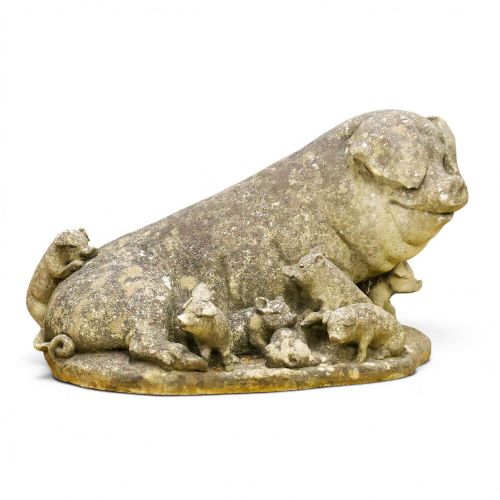
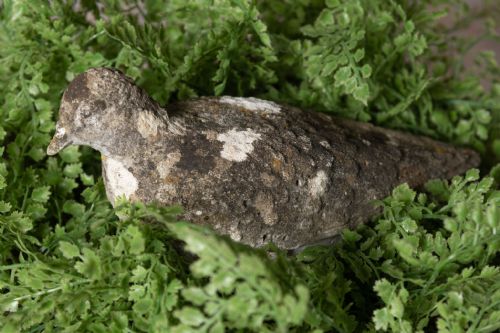
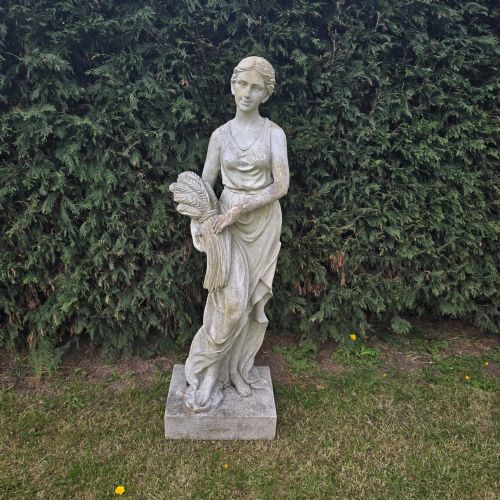
Forms vary from life-sized figures of the four seasons and mythical lions to animal statues like pigs, pigeons and eagles. Many items retain traces of original old paint or deep weathering that distinguishes them from recent reproductions.
Materials and construction methods
Makers shaped these pieces using natural quarried materials such as sandstone, limestone and York stone, carving figures, pinnacles and staddle stones by hand. Natural stone items show the distinct geological grain and mineral deposits of their source quarries.
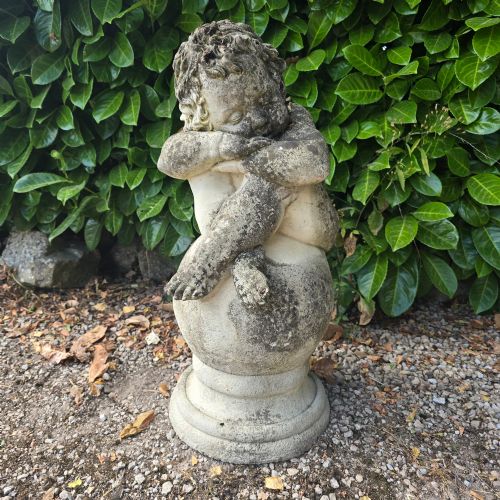
Alternatively, workshops utilised cast stone, reconstituted stone and concrete poured into moulds to create consistent garden ornaments, urns and statuary. Many of these composite pieces incorporated local aggregates and Portland cement mixtures designed to weather naturally over time.
Listings feature pieces spanning from the eighteenth century to the mid-twentieth century, utilising sandstone, limestone, reconstituted stone and concrete.
Distinctions in quality and character
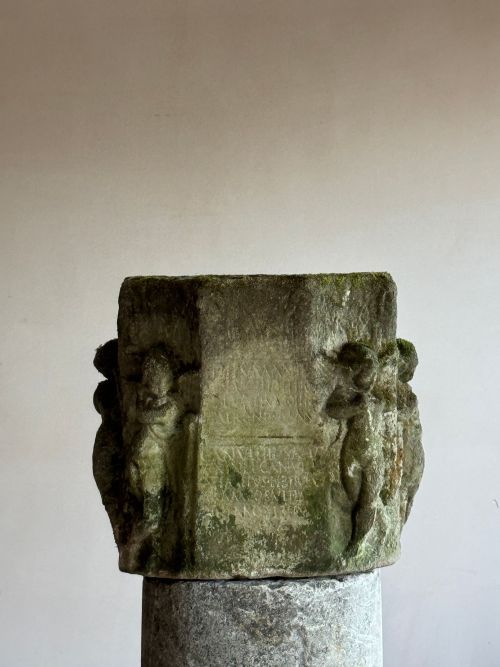
The authenticity of the surface patina separates exceptional items from lesser ones, with genuine age showing gradual chemical weathering rather than artificial staining. The provenance of architectural elements, such as medieval limestone pinnacles from historic minsters, elevates the historical significance of the piece.
The Weathered Stone Ornaments Glossary
- Staddlestone
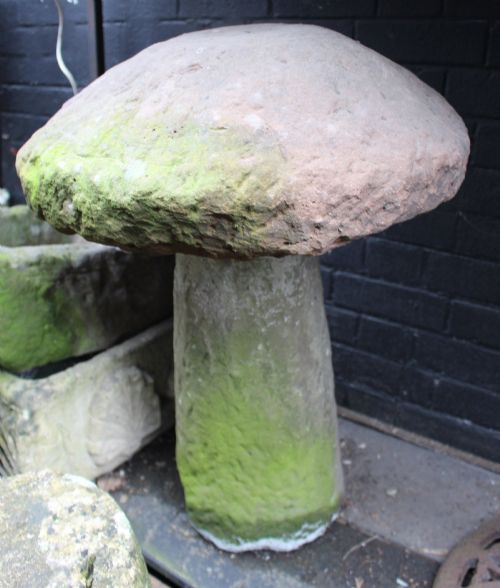
- A mushroom-shaped stone support formerly used to elevate granaries off the ground to prevent damp and vermin. These agricultural pedestals now serve as popular garden ornaments.
- Campana urn
- A bell-shaped garden vessel with an everted rim, often mounted on a pedestal. This classical form became particularly popular during the nineteenth and early twentieth centuries.
- Reconstituted stone
- A manufactured material made from crushed stone aggregate mixed with a binder. It allows workshops to cast complex statues and architectural ornaments efficiently.
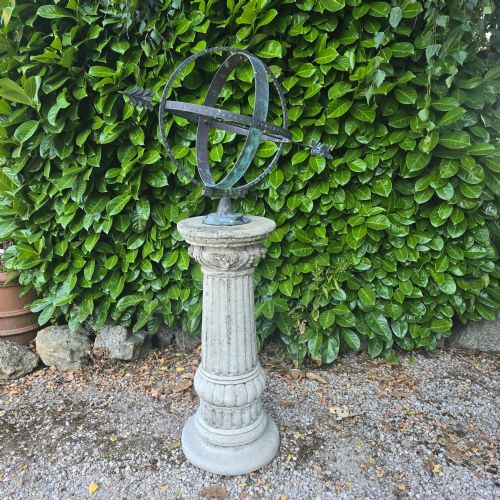
- Armillary sphere
- A model of objects in the sky consisting of a spherical framework of rings. Garden versions function as decorative sundials mounted on stone plinths.
- Gothic pinnacle
- A relatively small pointed architectural ornament often terminating a buttress or roofline. Medieval examples salvaged from minsters carry significant age and historic interest.
Weathered Stone Ornaments: Frequently Asked Questions
How do I clean weathered stone ornaments?
Most dealers recommend leaving weathered surfaces untouched to preserve the accumulation of moss, lichens and age-related patinas that define their character.
If cleaning is necessary to prevent damage from heavy grime, use a soft brush and plain water without harsh chemical detergents.
Are cast stone pieces durable outdoors?
Cast stone and reconstituted stone items withstand normal seasonal weather changes well, provided the aggregate mix was properly cured during manufacture.
During freezing winter conditions, lifting smaller statues or bird baths off the ground prevents moisture absorption from cracking the base.
How can I tell natural stone from cast stone?
Natural sandstone and limestone display continuous geological bedding planes and tool marks left by the mason's chisel.
Cast stone often reveals tiny air bubbles from the moulding process and lacks the random mineral variations found in quarried rock.
What is a staddle stone used for?
Historical staddle stones consisted of a stone base pier and a separate cap functioning together as a mushroom-shaped stilt.
Farmers used them to support wooden granary floors above ground level to keep harvested grain dry and away from rodents.