

Warm Brown Writing Table
A warm brown writing table brings the rich grain of walnut, oak and mahogany into a room as a functional surface for correspondence.
Warm Brown Writing Table
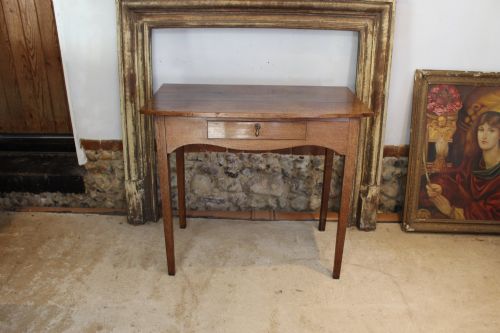
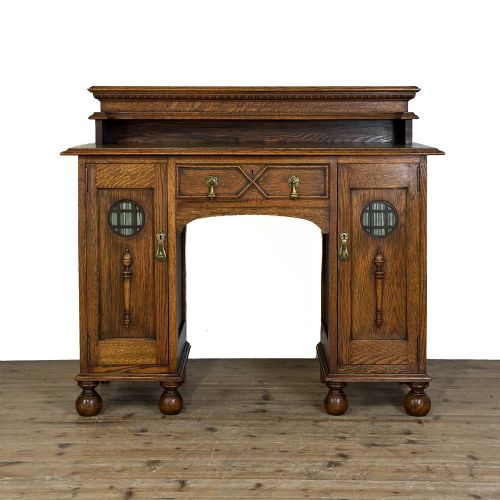
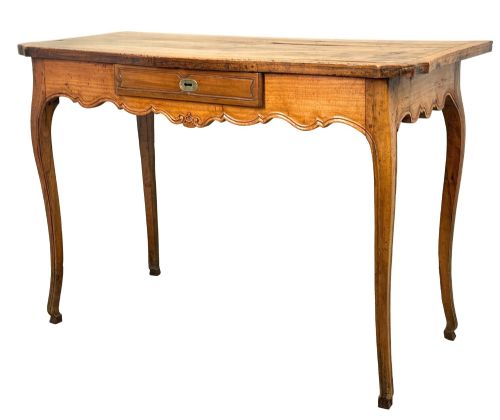
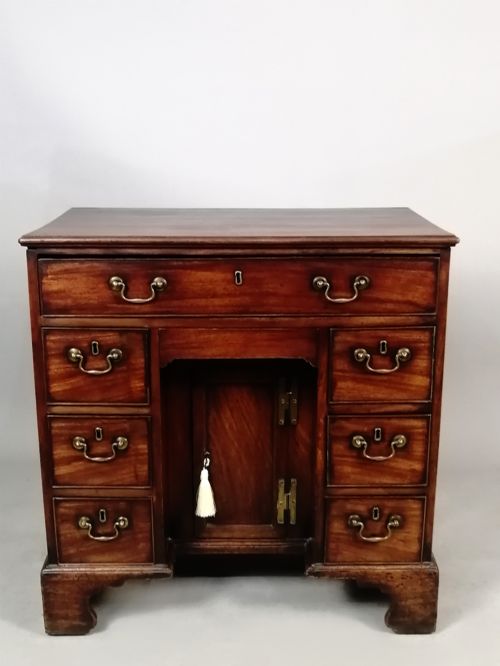
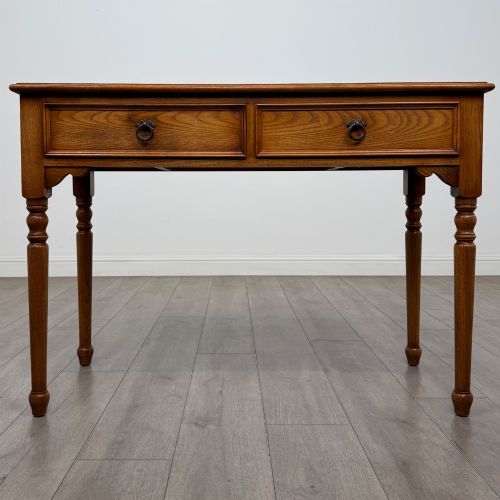
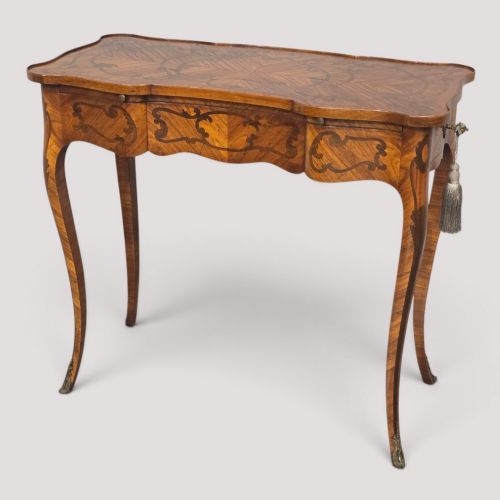
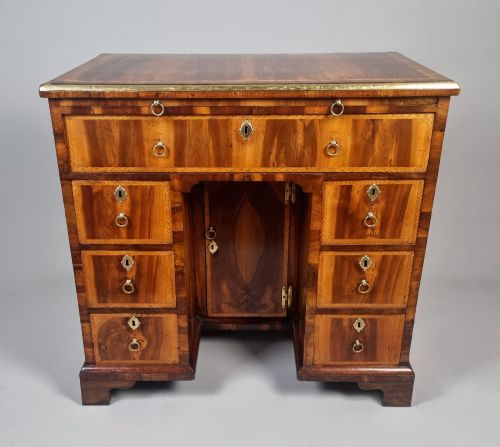
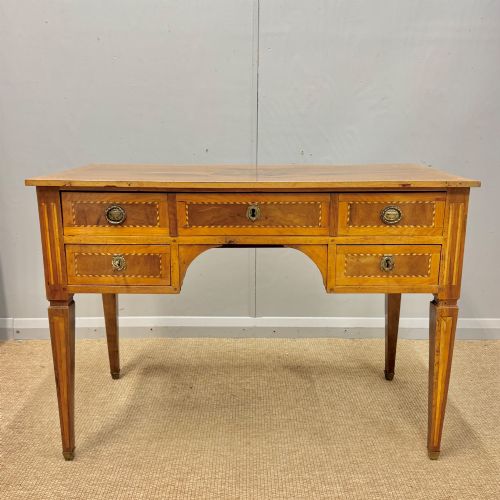
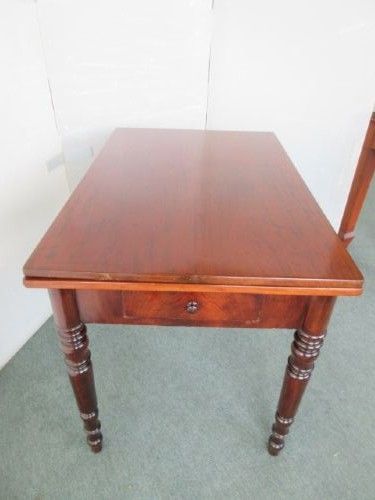
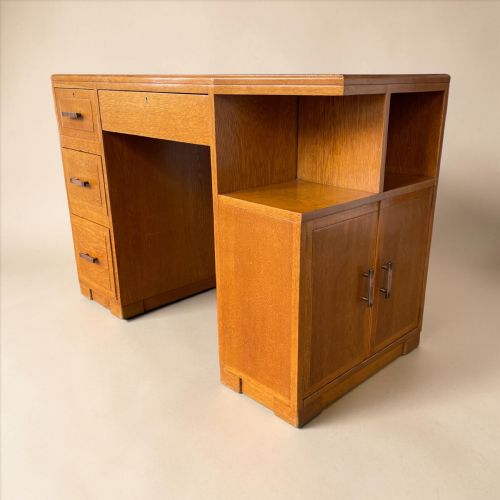
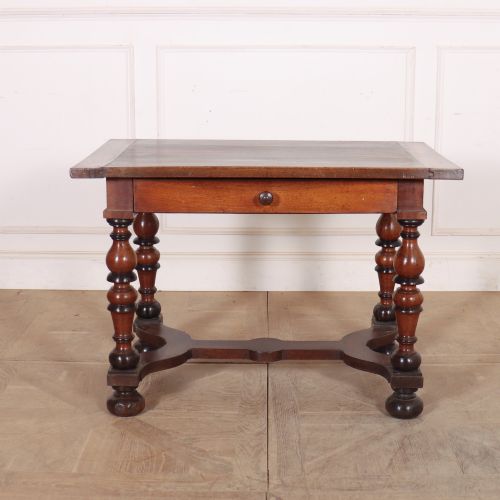
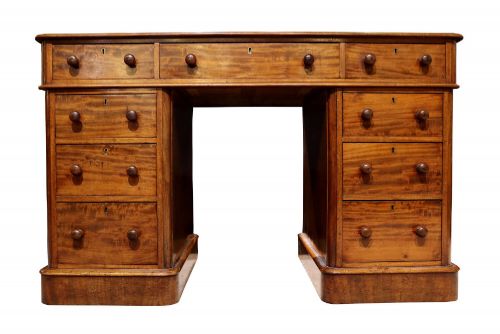
A warm brown writing table encompasses forms ranging from Georgian kneehole desks and lowboys to freestanding Victorian pedestal desks and French provincial writing pieces. These items serve as practical desks, side tables and occasional surfaces designed for daily study and letter writing.
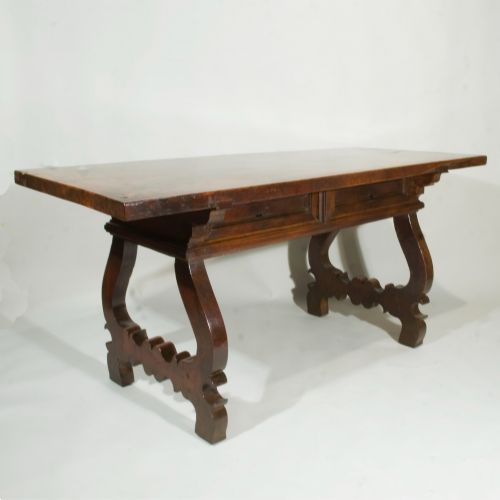
The pieces appearing on this page span several centuries, with a strong representation of eighteenth-century Georgian and nineteenth-century examples. Walnut, oak and mahogany predominate, often showing deep, rich patination achieved through generations of use and polishing.
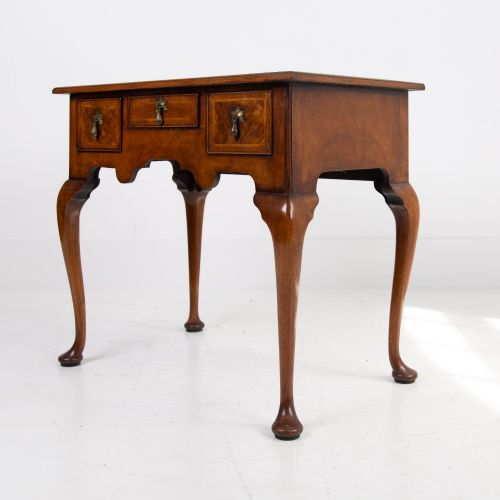
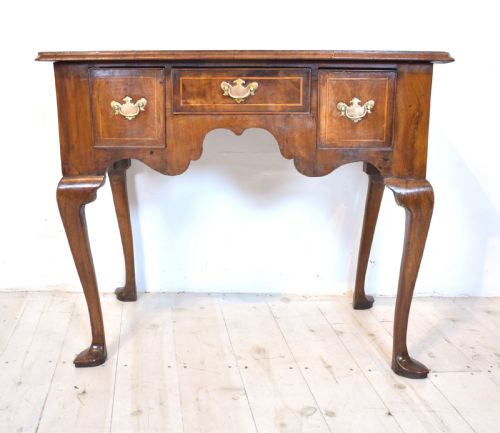
Buyers will encounter compact lowboys with cabriole legs alongside grander pedestal designs and marquetry-inlaid desks. Each variant offers a specific proportion suited to modern studies, bedrooms or living rooms seeking a historic focal point.
Materials and construction methods
Cabinet makers utilised dense hardwoods such as walnut, oak, mahogany and fruitwood, often selecting figured veneers and burr timbers for top surfaces. Brass hardware, including original drop handles and escutcheons, punctuate the dark timber panels.
Construction techniques involve traditional joinery like dovetailing for drawer construction and pegged mortise and tenon joints in earlier frames. Marquetry inlay and decorative banding frequently embellish French and English examples from the eighteenth and nineteenth centuries.
Distinctions in craftsmanship and preservation
Quality rests upon the selection of timber figures, such as burr walnut or figured elm, and the crispness of hand-cut dovetails within the drawers. Superior examples retain original brasses and exhibit untouched patination across the wooden surfaces.
The subtlety of marquetry work and the integrity of secondary timbers like oak or pine inside the carcase define the upper tier of these pieces. Structural harmony, balanced proportions and minimal timber replacement separate finer workshop output from simpler utilitarian items.
Maple and Co
The Warm Brown Writing Table Glossary
- Lowboy
- A small table with drawers, commonly used as a dressing table or side table in the eighteenth century. They typically feature cabriole legs and multiple small drawers.
- Kneehole desk
- A desk featuring a central recess for the legs flanked by columns of small drawers. This compact form gained popularity during the Queen Anne and Georgian periods.
- Marquetry
- Decorative patterns formed by inserting pieces of coloured wood, veneer or shell into a solid timber background. This technique creates pictorial or geometric designs on tabletops and drawer fronts.
- Davenport
- A small compact writing desk with a sloping leather-lined top and drawers opening to the side. Victorian iterations often incorporated pop-up compartments.
- Sofa table
- A rectangular table designed to stand in front of a sofa, featuring drop leaves at either end. Regency versions frequently showcase rosewood or figured mahogany.
- Escutcheon
- A flat plate of brass or other metal surrounding a keyhole. It protects the surrounding wood from wear caused by the key.
Warm Brown Writing Table: Frequently Asked Questions
How do I care for a historic wooden surface?
Apply traditional beeswax sparingly and buff gently with a soft cloth to maintain the natural lustre without building up heavy residue. Keep the timber away from direct sunlight and central heating vents to prevent splitting.
Avoid modern silicone sprays or harsh chemical cleaners that strip the historic patination. Regular dusting with a dry microfibre cloth protects the grain from abrasive particles.
Where should I place a lowboy in my home?
A lowboy works well as a hall table, a dressing table in a bedroom or a compact writing desk beneath a window. Its shallow depth allows it to fit easily into narrow corridors and alcoves.
The modest proportions also suit living rooms where it can function as an occasional surface beside seating. Pairing it with a simple wooden chair creates a dedicated writing nook.
How do I distinguish a Georgian desk from a Victorian one?
Georgian desks from the eighteenth century typically exhibit restrained classical proportions, oak secondary timbers and hand-cut dovetails with irregular spacing. Mahogany and walnut dominate this earlier era alongside simple brass drop handles.
Victorian pieces from the nineteenth century often display heavier proportions, machine-sawn elements and factory-produced hardware. Styles from this later period frequently incorporate bolder mouldings and richer veneer selections like burr walnut.
What is the purpose of a leather insert on a writing table?
The leather surface provides a smooth, non-reflective cushion for writing with a quill or fountain pen while protecting the underlying wood from ink stains. Gold-tooled borders often frame the perimeter of the hide.
Historically, skiver leather was pared thin and glued directly to the wooden top. Many surviving tables retain their original or period-replacement leather inserts.