


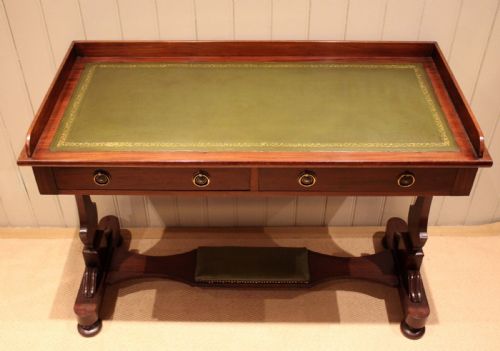
Gallery Top Writing Desk
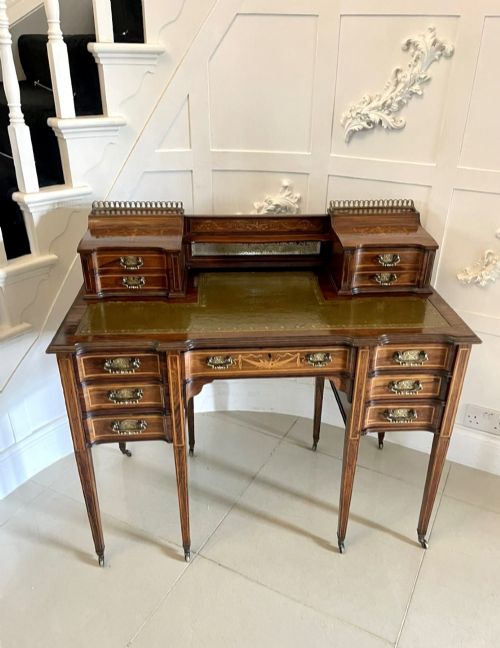
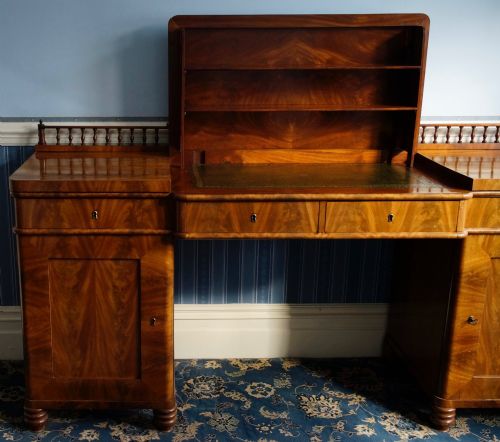
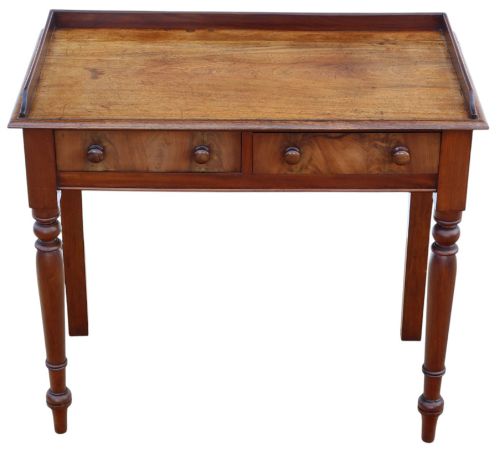
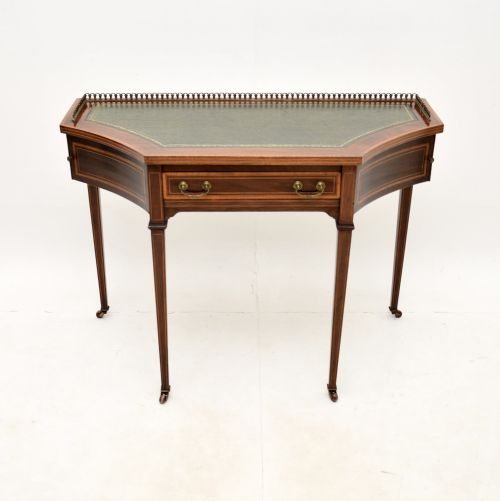
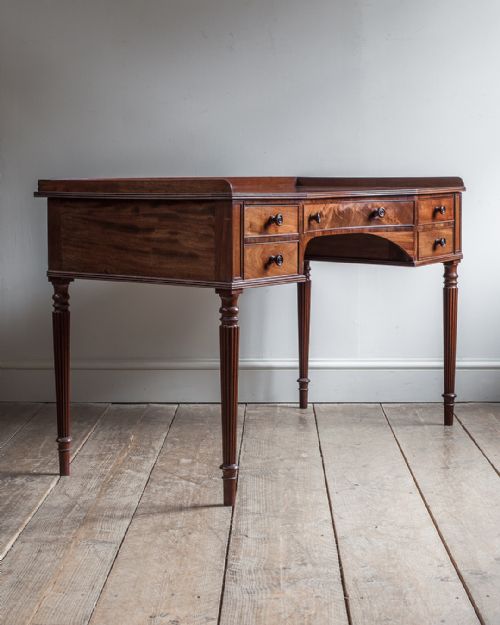
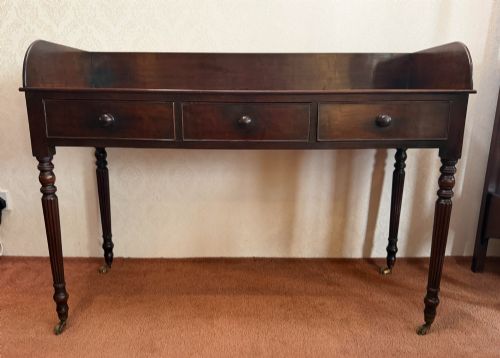
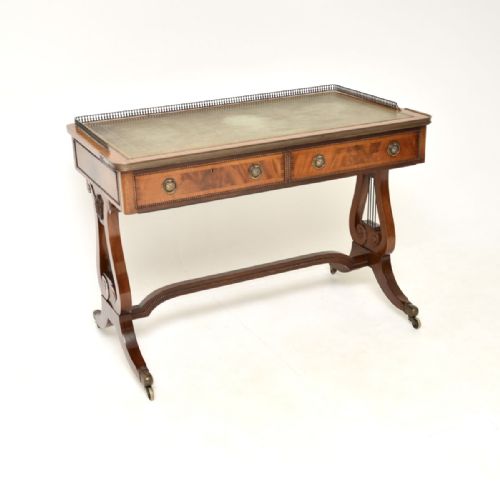
Gallery top writing desk designs group compact writing furniture featuring raised galleries, appearing across Georgian, Regency, Victorian, and Edwardian periods.
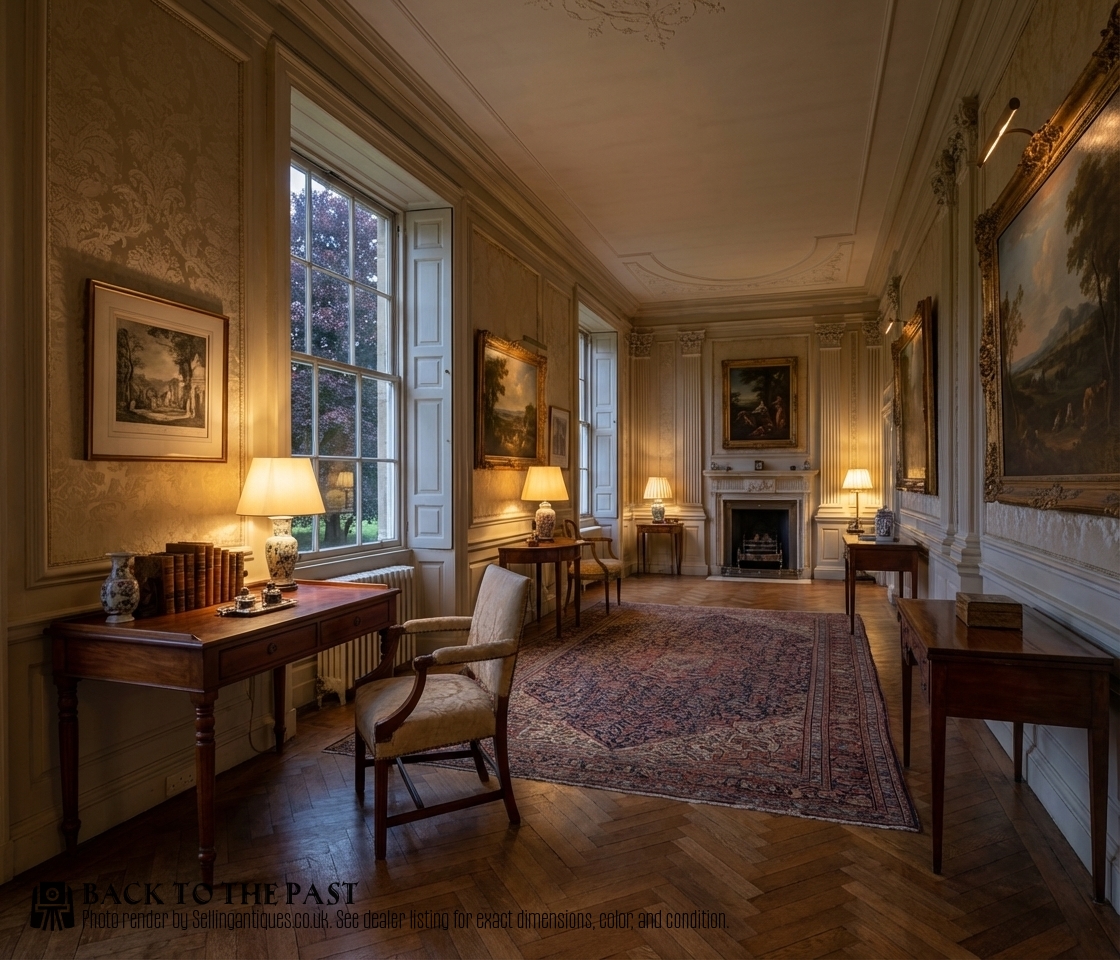
Gallery Top Writing Desk
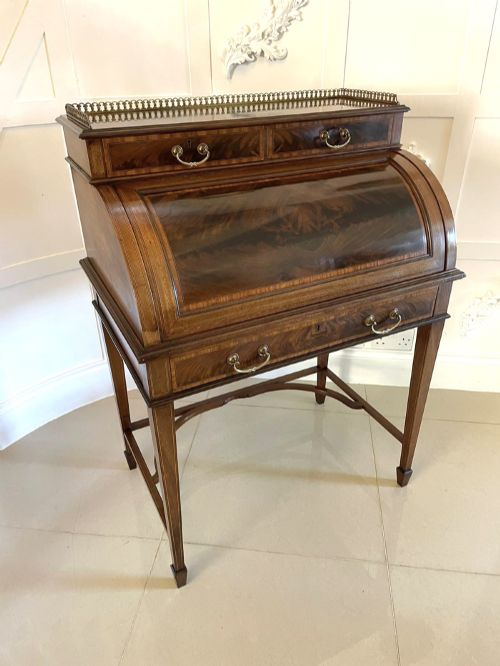
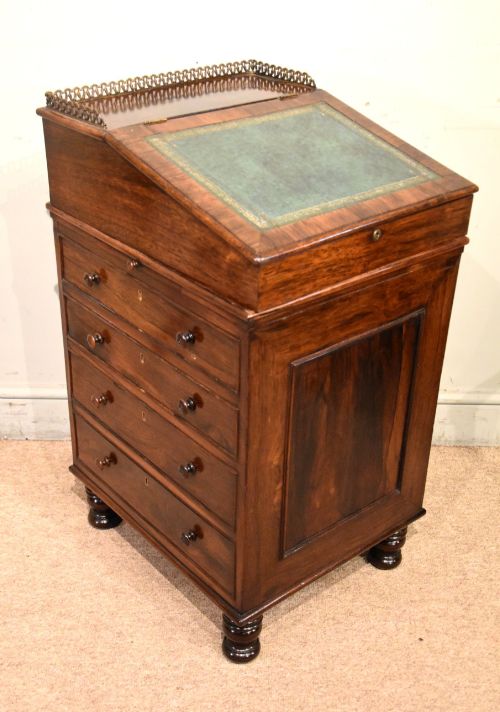
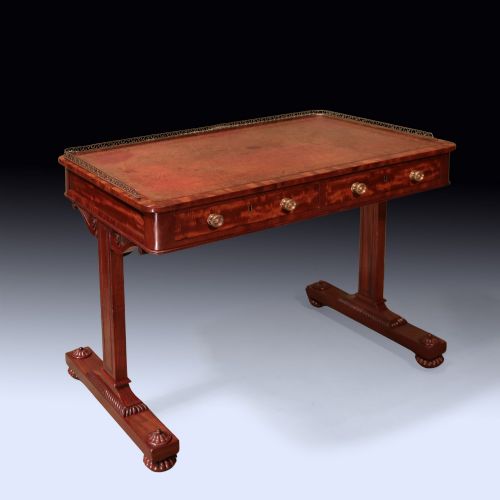
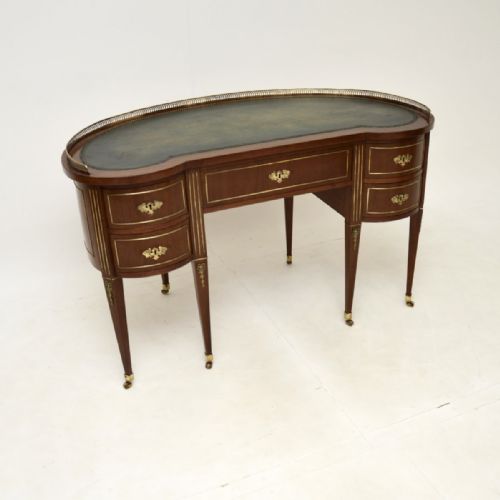
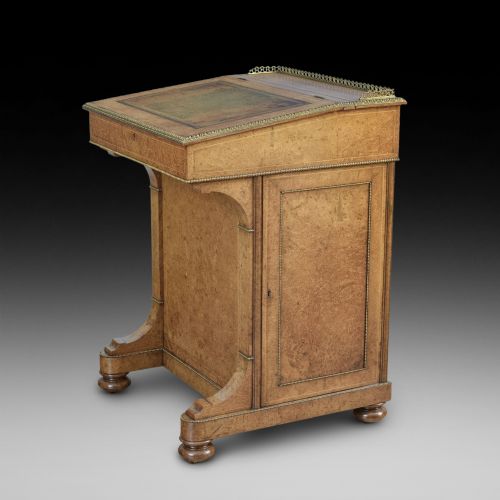
A gallery top writing desk provides a designated surface for correspondence and paperwork, featuring a protective raised border along the back or sides. Buyers browsing this selection encounter forms ranging from compact writing tables and cylinder desks to davenports and Carlton House desks. These pieces span the Georgian, Regency, William IV, Victorian, and Edwardian eras, alongside revival styles.
Mahogany dominates the material selection, frequently accompanied by rosewood, satinwood, walnut, burr walnut, oak, and amboyna. Inlaid decoration, leather writing inserts, and brass mounts appear across multiple pieces. The architectural framing distinguishes these desks from standard side tables and dressing tables.
Judging execution
Quality rests upon the selection of timber veneers and the precision of the inlay work. Finer examples display harmonious grain matching across large surfaces and crisp botanical or geometric banding.
Structural refinement shows in the smooth operation of drawers, cylinder mechanisms, and drop fronts. The integration of the gallery into the overall design distinguishes bespoke commissions from standard production pieces.
Some Victorian davenports conceal secret side drawers accessed by spring-loaded catches.
Maple & Co·Gillow & Co
The Gallery Top Writing Desk Glossary
- Gallery
- A raised wooden, brass, or pierced metal rail positioned along the top edges of a desk to prevent items from rolling off. This feature is characteristic of many writing tables and davenports.
- Cylinder desk
- A writing desk featuring a curving quarter-circle wooden shutter that rolls back to reveal writing surfaces and pigeonholes. These items often incorporate inlaid satinwood and mahogany.
- Davenport
- A compact pedestal desk featuring a sloping, hinged writing lid above a bank of drawers. The form gained popularity during the Regency and Victorian eras.
- Carlton House desk
- A horseshoe-shaped writing desk fitted with a raised tier of drawers and compartments following the curve of the desk top. These tables frequently utilise inlaid mahogany and satinwood.
- Crossbanding
- A strip of veneer applied perpendicularly to the grain of the primary surface to create a decorative border. Cabinet makers utilised this technique on drawer fronts and tabletops.
Gallery Top Writing Desk: Frequently Asked Questions
What is a gallery top writing desk?
A gallery top writing desk is a form of antique writing furniture featuring a low decorative or protective rail around the upper perimeter. These desks serve as functional workspaces equipped with compartments and drawers.
They emerged in various styles across the Georgian, Victorian, and Edwardian periods, utilising timbers such as mahogany, rosewood, and satinwood.
How do I date a writing desk?
Dating relies upon timber selection, structural joinery, and stylistic markers associated with specific periods like the Regency or Edwardian eras. Secondary woods inside drawers and the presence of makers' stamps offer further chronological evidence.
Reconstruction details and hardware types also assist in determining the era of manufacture.
What is a davenport desk?
A davenport desk is a small form of writing furniture featuring a sloping, leather-inset desktop positioned over a pedestal of drawers. Many examples include a side-hinged pen box and a stationary well beneath the writing slope.
Originating in the early 19th century, these pieces suit compact spaces while offering internal storage.
How should I care for leather desk inserts?
Leather writing surfaces require gentle cleaning with a slightly damp cloth and occasional treatment with appropriate leather dressings to prevent cracking. Avoiding direct sunlight preserves both the leather and the surrounding timber finish.
Careful maintenance protects the gold tooling often applied to the perimeter of the insert.