

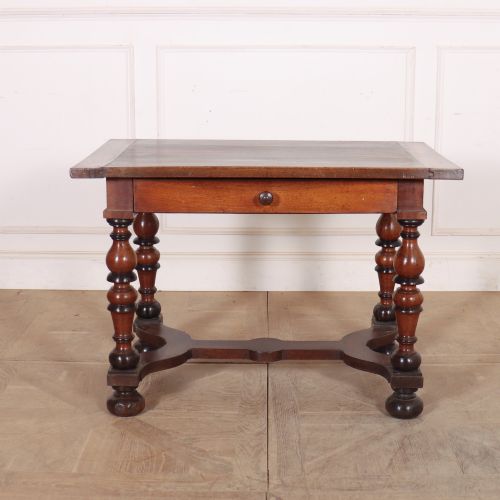
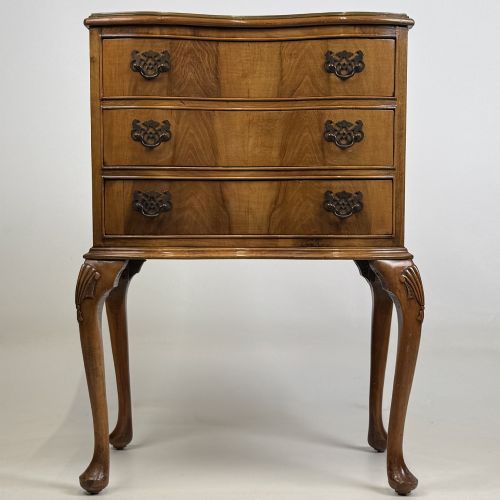

Warm Brown Walnut Table
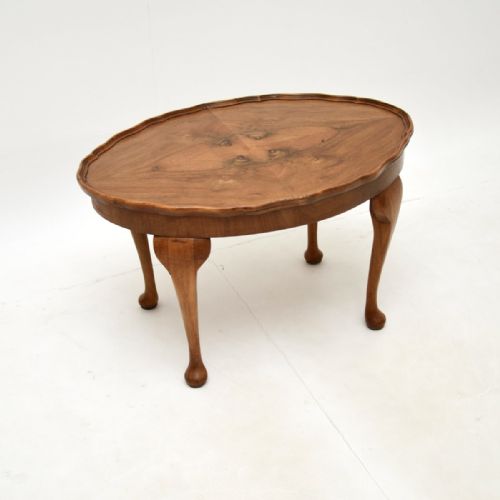
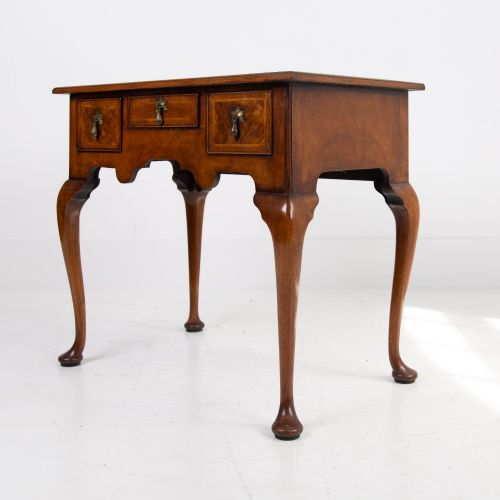
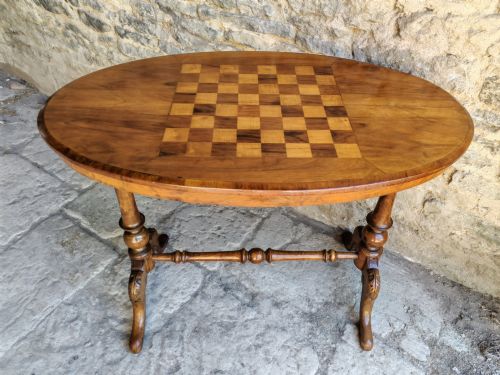
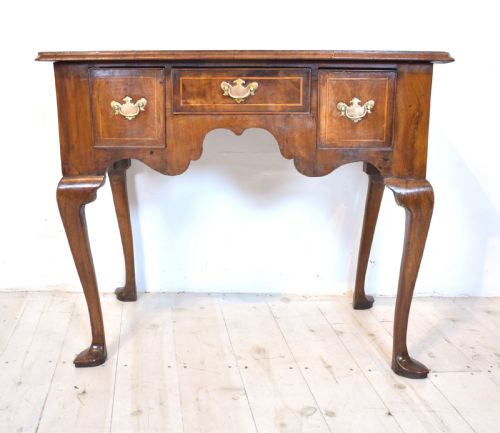
A warm brown walnut table brings deep grain and rich colour to a room, ranging from Georgian lowboys to Art Deco coffee tables.
Warm Brown Walnut Table
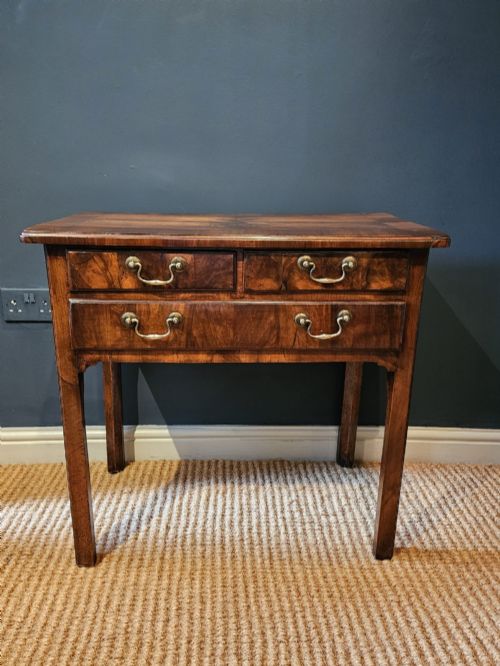
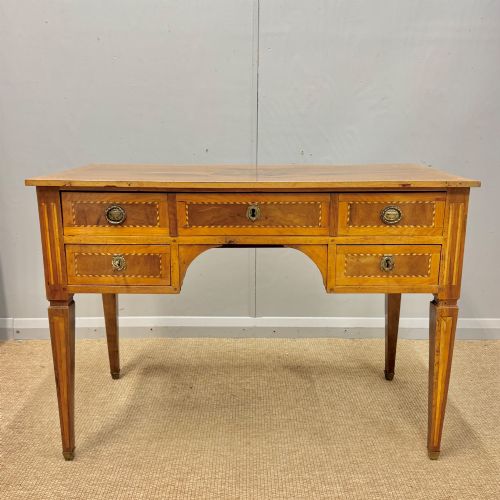
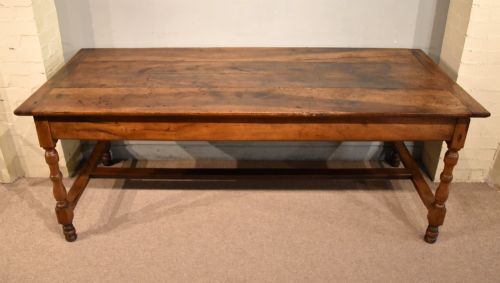
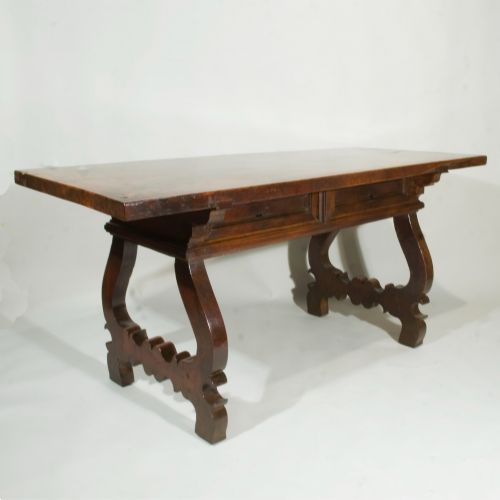
A warm brown walnut table spans centuries of cabinet making, appearing in forms from formal Georgian lowboys and Queen Anne kneehole desks to French provincial farmhouse dining tables. Buyers searching for a warm brown walnut table encounter everything from 18th century side tables to 1930s coffee tables and nesting tables.
The selection on this page includes dining tables, writing desks, bedside cabinets, and occasional tables. Pieces hail from English, French, Italian, Dutch, and Spanish workshops, showing diverse regional interpretations of timber and form across the 18th, 19th, and early 20th centuries.
How they were made
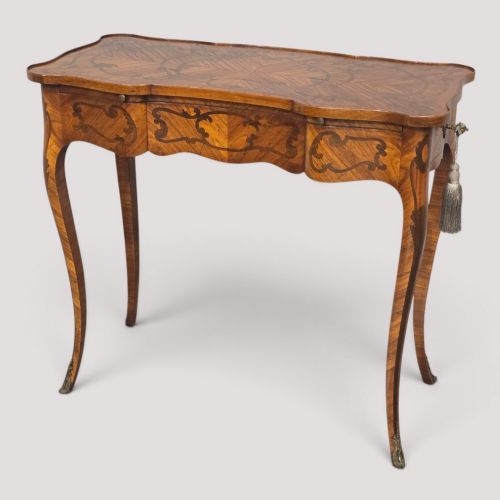
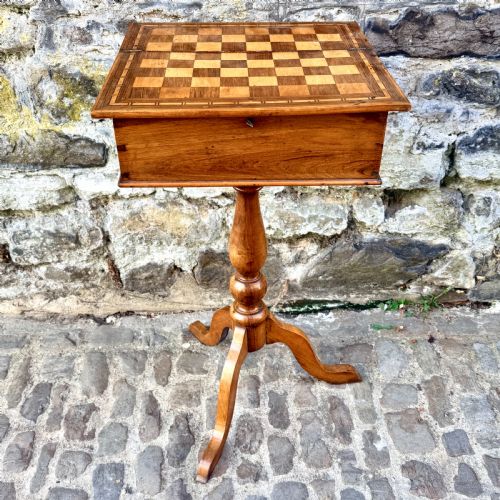
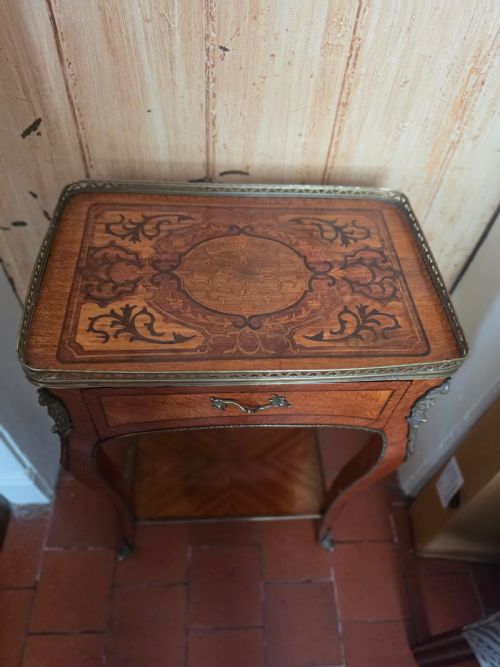
Cabinet makers utilised solid walnut, burr walnut, and figured veneers applied over secondary timbers, often framing the grain with feather banding or elaborate marquetry inlay in fruitwood and brass. Surfaces received hand-rubbed finishes that deepened the natural colour and lustre of the wood over decades.
Structural joints relied on traditional pegged mortise and tenon construction for tables and dovetailed joints for drawers. Marquetry panels incorporated delicately cut floral and avian motifs, while turned or cabriole legs provided sturdy support.
Warm Brown Walnut Table Retail Price Guide 2026
Typical asking prices for warm brown walnut table among the pieces listed under this phrase on Sellingantiques today, from the lower quarter to the upper quarter. They describe what is for sale here now, not the wider market.
Listings span from the 17th century through the Georgian, Victorian, and Edwardian eras into 1930s Art Deco designs, utilising solid walnut, burr walnut, fruitwood, and marquetry inlay.
What varies in quality
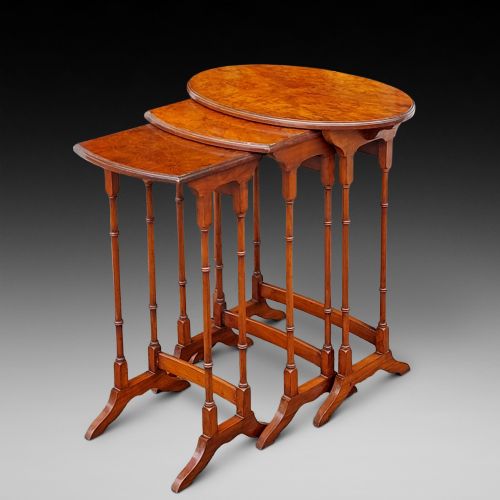
The distinction between ordinary and exceptional examples lies in the selection of the timber and the precision of the cabinet work. Highly figured burr walnut and symmetrical grain matching across a tabletop elevate a piece above standard stock.
Execution of decorative elements such as marquetry inlay, feather banding, and hand-carved cabriole legs defines the upper tier of craftsmanship. Original brass hardware and untouched surface patination further separate fine examples from heavily restored pieces.
Gilbert Rohde·Maurice Adams·Whytock and Reid·Pietro Ferrario
The Warm Brown Walnut Table Glossary
- Lowboy
- A small, low table with drawers, typically originating in the 18th century and used as a dressing table or side table.
- Marquetry
- Decorative inlay work where pieces of wood veneer, fruitwood, or brass are fitted into a ground to form floral or geometric patterns.
- Burr walnut
- Timber taken from a tree growth or burl, prized for its swirling, highly figured grain patterns used on cabinet fronts and tabletops.
- Feather banding
- A delicate inlay technique using veneer pieces laid diagonally to form a herringbone border around a central panel.
- Cabriole leg
- A furniture leg that curves outward at the knee and tapers inward at the ankle, common on Queen Anne and Georgian pieces.
- Refractory
- A long, heavy dining table traditionally built for communal halls and large farmhouse kitchens.
Warm Brown Walnut Table: Frequently Asked Questions
How do I clean a walnut table?
Dust regularly with a soft, dry cloth to protect the polished surface from abrasive particles. Apply natural beeswax periodically to nourish the timber and maintain its characteristic warm glow.
Avoid placing the table near direct heat sources or strong sunlight, which can dry out the walnut and fade the rich colour. Use felt pads beneath items placed on the surface to prevent scratching.
Are walnut tables durable for daily use?
Walnut is a strong hardwood that withstands regular dining, writing, and living room use when treated with proper care. Many historical examples retain sturdy construction after centuries of domestic service.
Protect the finish from moisture and heat by using coasters and placemats. Promptly wiping away spills prevents water rings from forming on the polished wood.
How can I tell the period of a walnut table?
Examine the construction methods, such as hand-cut dovetails in drawers and the type of secondary timber used beneath veneers. Leg styles, hardware fixings, and overall proportions offer strong clues to whether a piece is Georgian, Victorian, or Art Deco.
Compare the decorative techniques, such as rococo marquetry or clean geometric Art Deco lines, against known stylistic periods. Subtle tool marks and wear patterns also help establish the age of the woodwork.
What is burr walnut?
Burr walnut comes from a specialised growth on the tree that produces intricate, swirling grain patterns. Cabinet makers prized this timber for creating decorative tabletops and drawer fronts.
Because burr walnut is scarce, it was typically sliced into thin veneers and applied to a stable foundational wood. This technique created striking visual symmetry across larger furniture surfaces.