

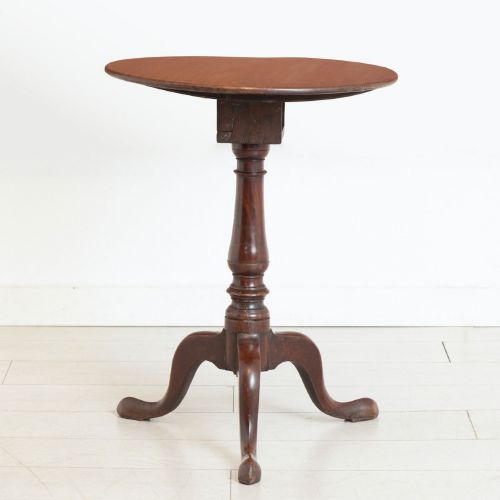
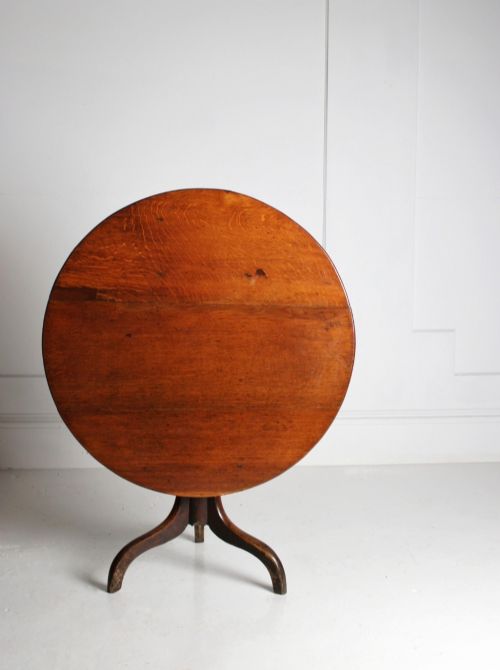


Warm Brown Tripod Table
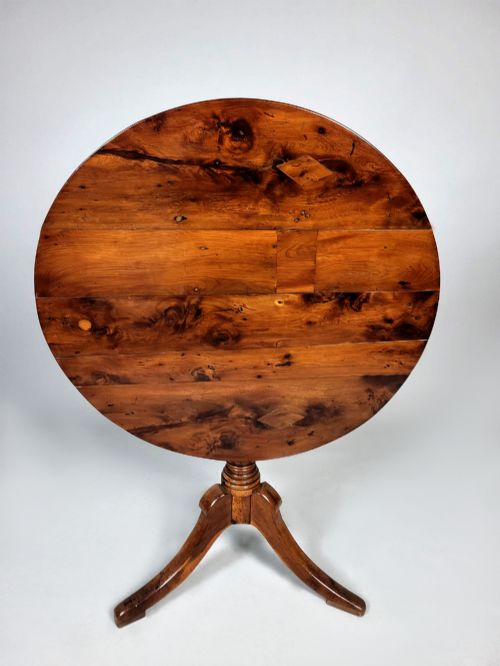
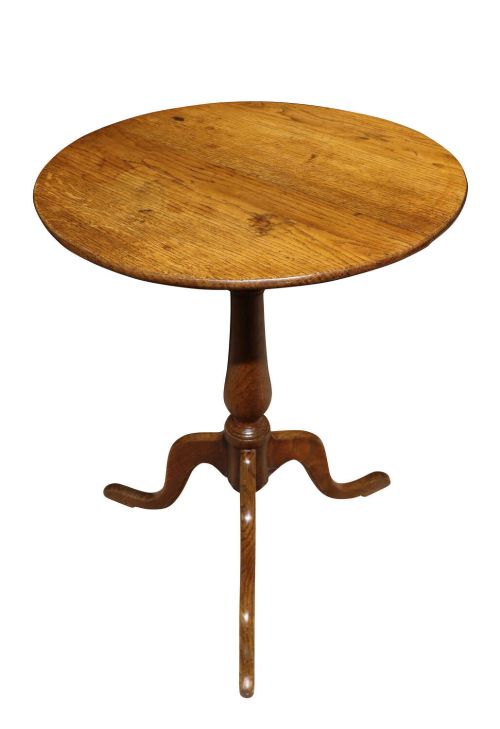
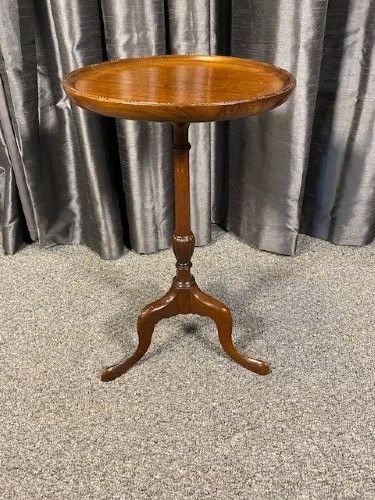
A warm brown tripod table brings centuries of practical elegance to a room, offering a sturdy pedestal base and a rich timber top.
Warm Brown Tripod Table
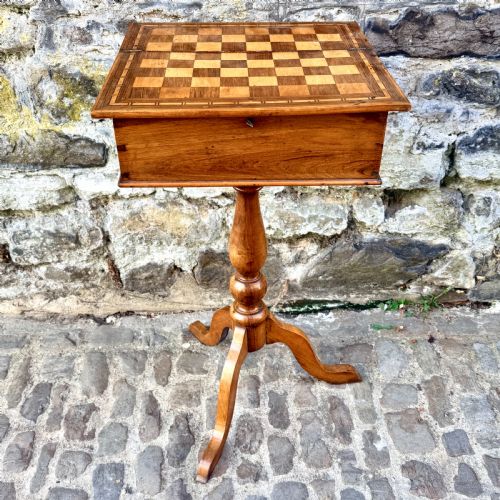
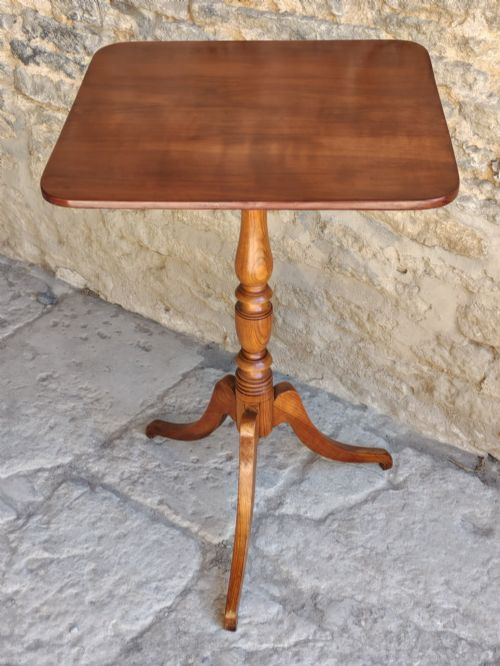
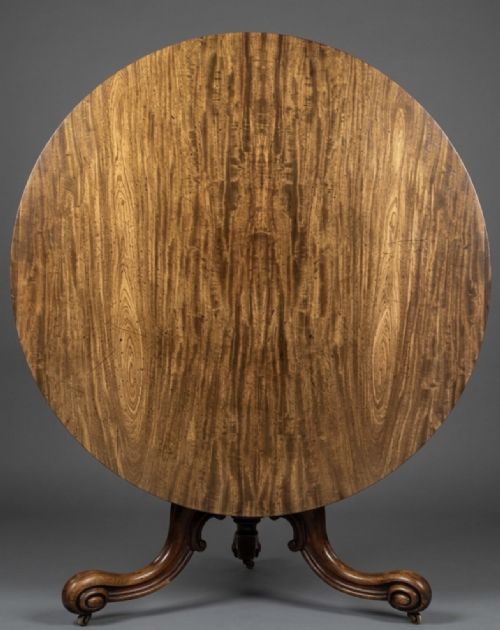
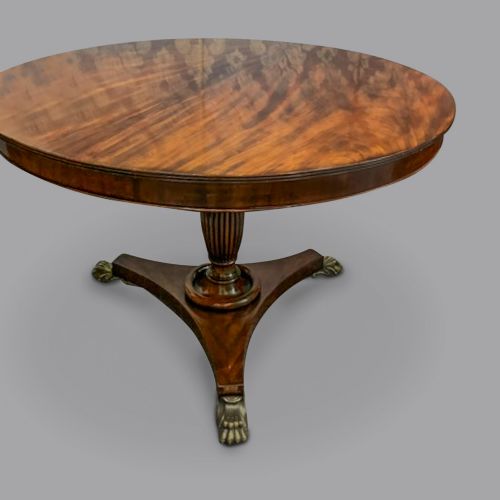
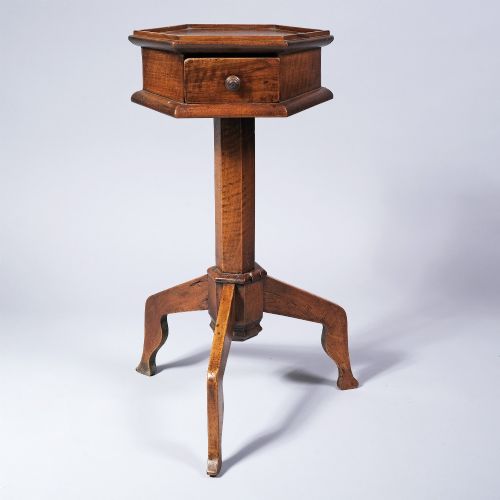
A warm brown tripod table is a compact piece defined by a central pillar supported by three feet. These items serve multiple domestic purposes, appearing as wine tables, occasional surfaces, tilt tops, and games tables across several periods.
The pieces seen on this page span from the early eighteenth century through the Victorian era, embracing Georgian, Regency, and French Provincial styles. Mahogany remains the dominant timber, accompanied by walnut, fruitwood, elm, yew, and oak.
Buyers will most frequently encounter mahogany and fruitwood versions from the Georgian and nineteenth-century periods. These examples range from simple country pine and elm pedestals to refined satinwood and amboyna designs.
Materials and construction
Cabinetmakers utilised dense hardwoods such as mahogany, walnut, and oak for durability and rich grain patterns. Timber selection dictated the structural integrity of the slender central pillars and the three splayed legs.
Joinery techniques included sophisticated birdcage mechanisms for tilt-top tables, allowing the circular surfaces to tip and rotate. Turning lathes shaped the central pedestals, whilst dovetails and pegged joints secured the framing.
Current listings feature eight distinct timber varieties, ranging from common mahogany and oak to exotic thuyawood and amboyna.
The markers of distinction
Quality depends upon the choice of timber figure, such as burr walnut, thuyawood, or satinwood, and the crispness of the turned pedestal. Superior examples exhibit balanced proportions between the top and the splayed tripod base.
The sophistication of the mechanism separates standard items from finer works, particularly in birdcage tilt-top joints that operate without wobble. Hand-carved details on the knees and feet of the pedestal reveal the hand of a skilled maker.
Gillows·Holland & Son
The Warm Brown Tripod Table Glossary
- Tripod table
- A small freestanding table supported by a central pillar and three legs. This form gained immense popularity during the Georgian period for tea and wine service.
- Tilt top table
- A table with a hinged top that folds into a vertical position when not in use. This clever design saved valuable floor space in smaller eighteenth-century rooms.
- Birdcage
- A timber framework beneath the table top that allows the surface to both tilt and revolve. It represents a mark of superior Georgian cabinetmaking.
- Thuyawood
- A fragrant softwood derived from the sandarac tree, prized for its intricate, swirling grain patterns. Regency makers utilised it for decorative occasional furniture.
- Specimen wood
- A tabletop composed of numerous geometric segments of different coloured timbers. These pieces showcase the maker's skill in parquetry and wood selection.
Warm Brown Tripod Table: Frequently Asked Questions
What were tripod tables used for?
These pieces served multiple domestic functions in historic homes, acting as movable surfaces for tea, wine, or candlelight. Owners could easily relocate them around a parlour depending on the evening's activities.
Tilt-top variants allowed households to push the furniture flat against a wall when not in use, maximising floor space in smaller rooms.
How do I date a wooden table?
Dating relies upon examining the timber species, the turning style of the pedestal, and the construction methods used beneath the top. Eighteenth-century examples often feature pegged tenons and dense native hardwoods like oak or elm.
Nineteenth-century pieces frequently display machine-sawn components, exotic veneers like amboyna, and standard iron fixings rather than hand-forged screws.
How do I care for antique timber?
Maintain antique wood by keeping it away from direct heat sources and sudden temperature fluctuations that cause timber to split. Regular dusting with a soft, dry cloth preserves the aged patina without stripping the polish.
Apply a traditional beeswax sparingly once or twice a year to nourish dry surfaces and enhance the natural warm brown tones of the grain.
Are tilt-top mechanisms stable?
Original tilt mechanisms remain remarkably stable when the wooden catch and birdcage components are well-fitted and free from excessive wear. A slight movement can occur in older joints due to natural timber shrinkage over the centuries.
Ensure the safety catch underneath is properly engaged when the table top is returned to its horizontal position.