




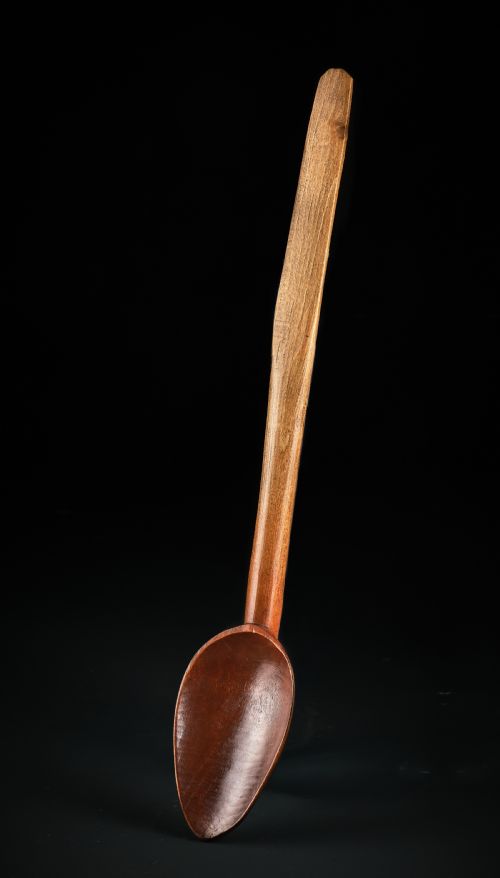
Warm Brown Treen
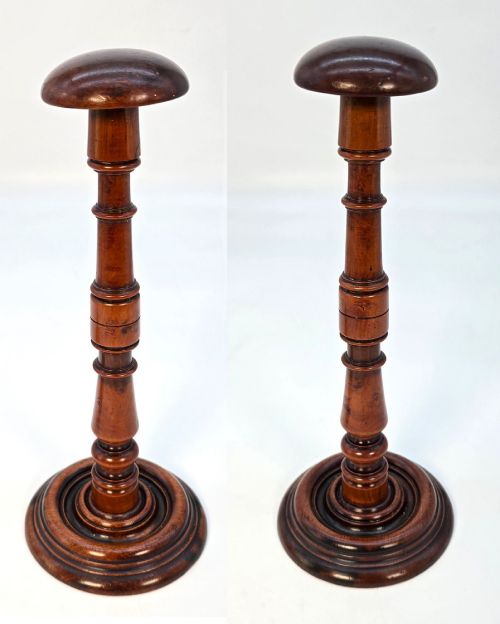
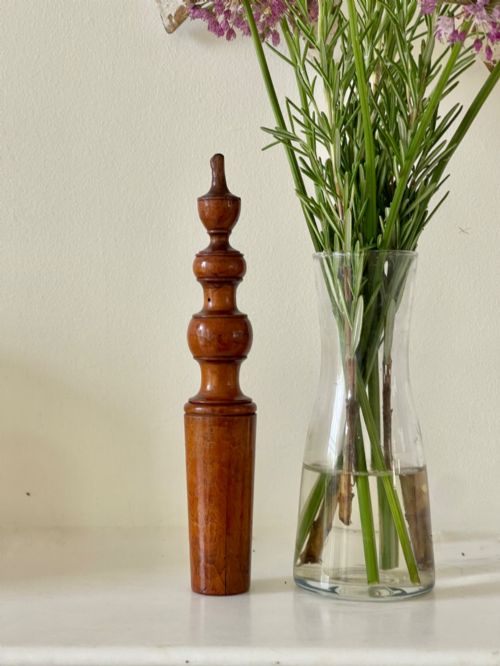
Warm brown treen brings together tactile wooden household objects and kitchenalia possessing deep, time-softened patinas that collectors prize for display.
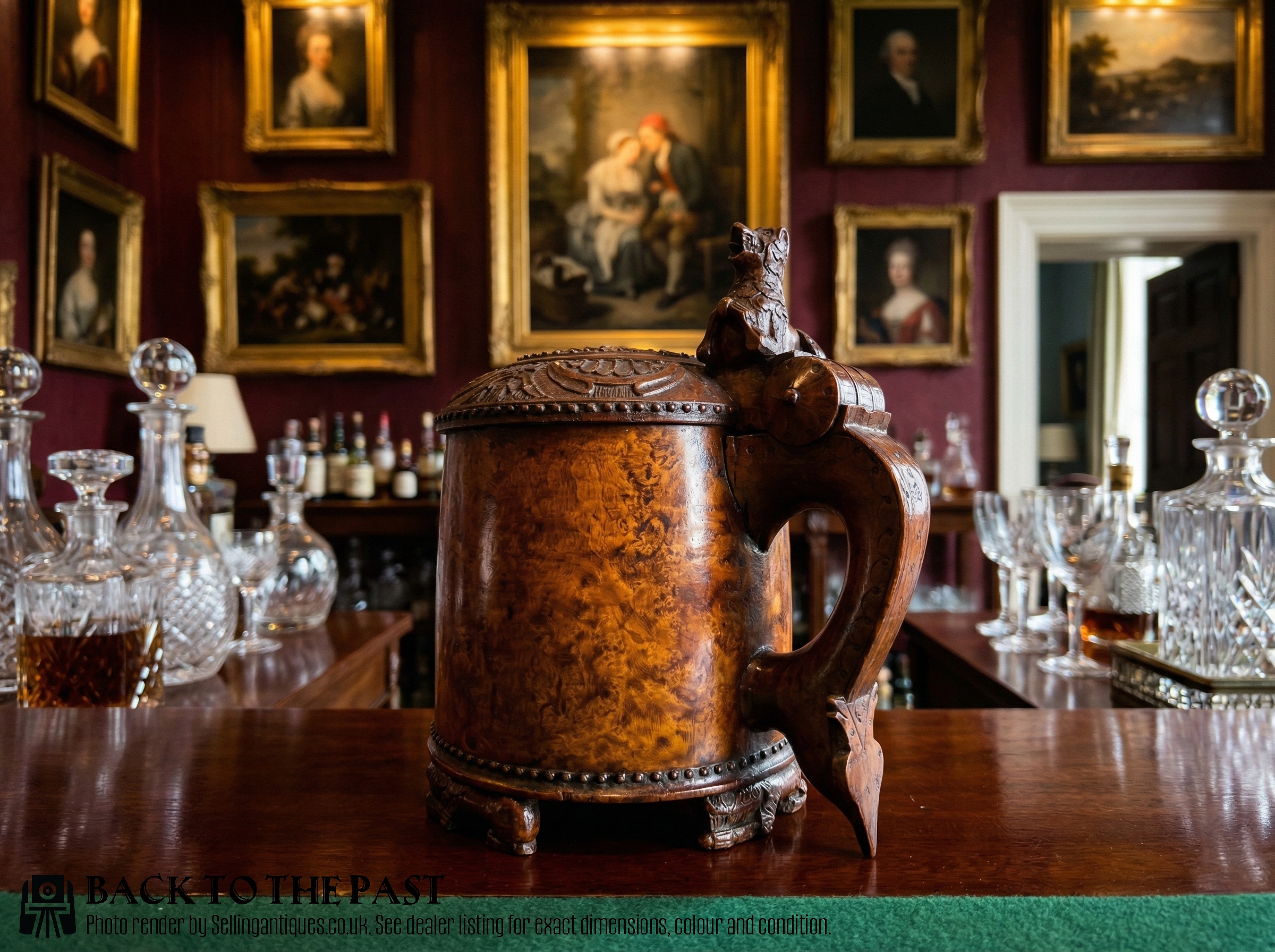
Warm Brown Treen
Warm brown treen encompasses small, functional wooden items fashioned for domestic use, the kitchen, and personal tokens of affection. When searching for warm brown treen, buyers encounter domestic vessels, utensils, and containers that survived generations of daily handling.
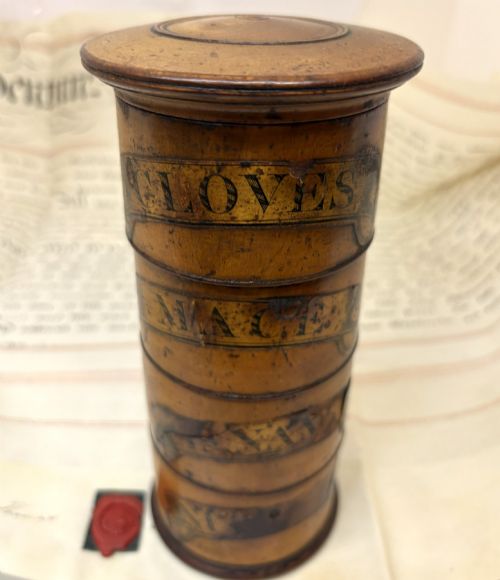
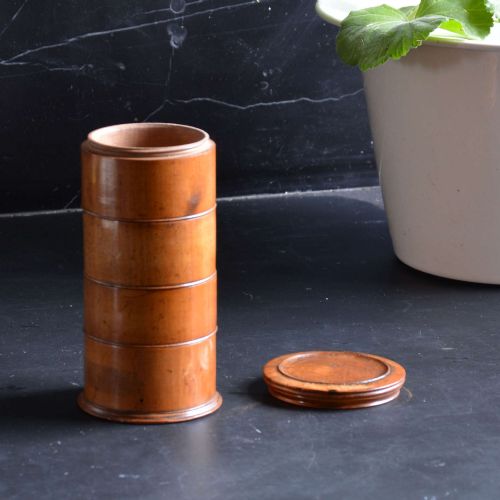
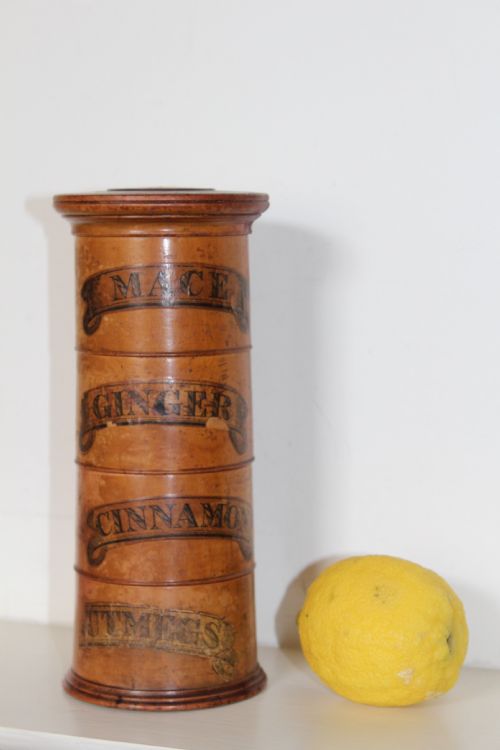
The selections span functional pieces such as spice towers, bowls, ladles, and butter tubs originating from the eighteenth, nineteenth, and early twentieth centuries. These objects reflect the hand of the maker in domestic spaces, showcasing vernacular designs from Georgian, Victorian, and Edwardian periods.
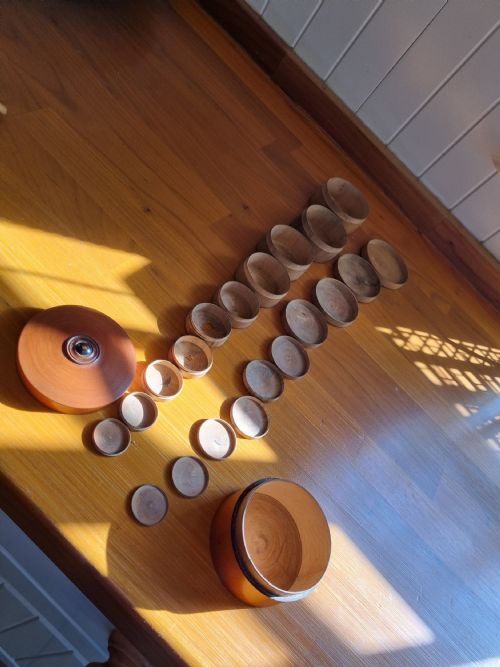
Most examples emerge in standard domestic timbers finished through turning or carving, bringing organic warmth to modern interiors. Collectors find everything from dairy bowls to love tokens, each retaining the distinct marks of early toolwork and use.
Materials and Methods
Makers utilised close-grained native hardwoods suited to turning on a lathe and hand-carving. Sycamore, boxwood, beech, walnut, and fruitwood dominate the material record.
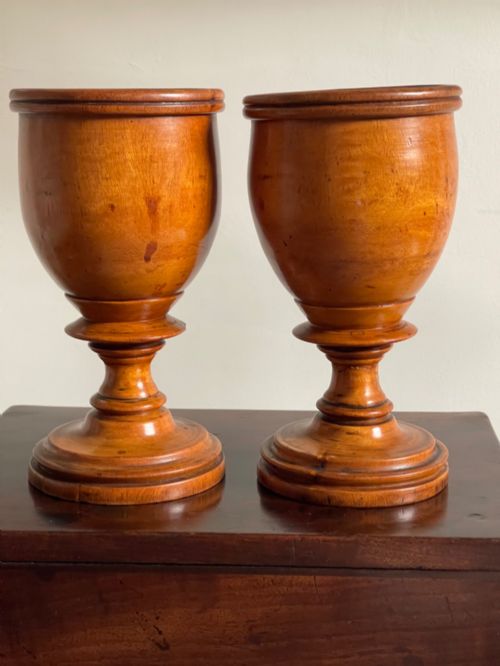
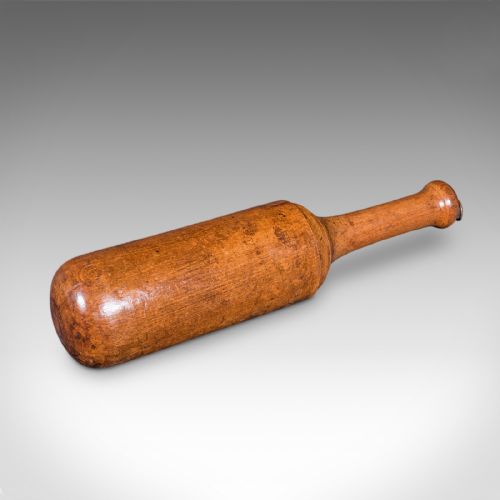
Turning on a pole lathe shaped cylindrical forms like goblets, spice towers, and jars with tight-fitting covers. Hand-carving created items requiring flat or curved facets, such as biscuit cutters, lovespoons, and steak tenderisers.
Warm Brown Treen Retail Price Guide 2026
Typical asking prices for warm brown treen among the pieces listed under this phrase on Sellingantiques today, from the lower quarter to the upper quarter. They describe what is for sale here now, not the wider market.
Evaluating Quality
Quality rests upon the crispness of the original turning and the depth of the surface patina achieved through decades of handling and waxing. Pieces retaining clear tool marks and balanced proportions sit at the higher end of the range.
The integrity of the timber and the survival of original components, such as multi-tiered nested containers or matching covers, dictate desirability. Simple utilitarian forms succeed when the wood grain displays rich warmth and minimal structural alteration.
The Warm Brown Treen Glossary
- Treen
- Small handmade wooden objects for domestic use. The term derives from the Middle English word for tree.
- Patina
- The surface sheen and colour developed over decades of handling and polishing. It deepens the character of the timber.
- Spice tower
- A turned wooden container comprising stacked, interlocking compartments for storing spices. These pieces unscrew section by section.
- Lovespoon
- A decorative wooden spoon carved as a token of affection. Makers traditionally presented these to romantic interests.
- Dairy bowl
- A large vessel used in milk processing and butter making. Sycamore was chosen for these bowls because it did not taint the dairy.
Warm Brown Treen: Frequently Asked Questions
What is treen?
Treen describes small handmade wooden items created for the home, including kitchenware, tableware, and personal containers.
These functional objects range from spoons and bowls to intricate spice towers and boxes shaped by turners and carvers.
How were spice towers used?
Spice towers held valuable culinary spices in separate stacked compartments within a single vertical turned column.
Each section unscrewed or lifted off, allowing cooks to access individual ingredients during food preparation.
What woods are common?
Turners and carvers relied on dense domestic hardwoods such as sycamore, boxwood, beech, fruitwood, and walnut.
These timbers offered the stability needed for fine lathe work and resisted splitting during everyday kitchen use.
How do I care for wooden treen?
Keep wooden pieces away from direct heat sources and extreme humidity fluctuations to prevent the timber from drying and splitting.
Occasional application of food-safe mineral oil or beeswax helps preserve the surface sheen without harming the historic patina.
What is a lovespoon?
A lovespoon is an ornate wooden spoon carved by hand as a courting gift or token of romantic devotion.
Craftsmen often incorporated symbols like hearts and interlocking chains into the handle to signify emotional attachment.