


Carved Oak Caddy
A carved oak caddy is a robust container for storing tea or provisions, bringing tactile warmth and period character to any interior.
Carved Oak Caddy
A carved oak caddy represents a sturdy domestic container designed primarily for holding tea, biscuits or dry goods within the home. When searching for a carved oak caddy, buyers encounter pieces fashioned in Victorian, Edwardian and Georgian eras, reflecting utilitarian origins alongside decorative refinement.
Materials and construction
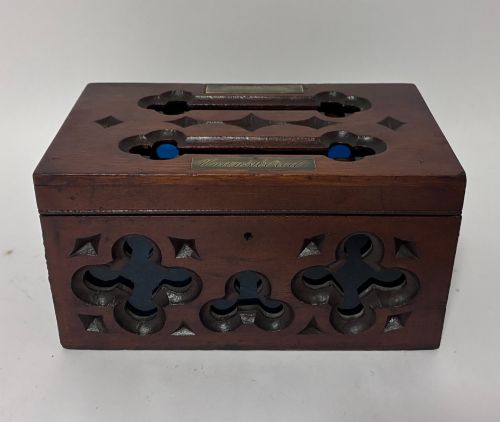
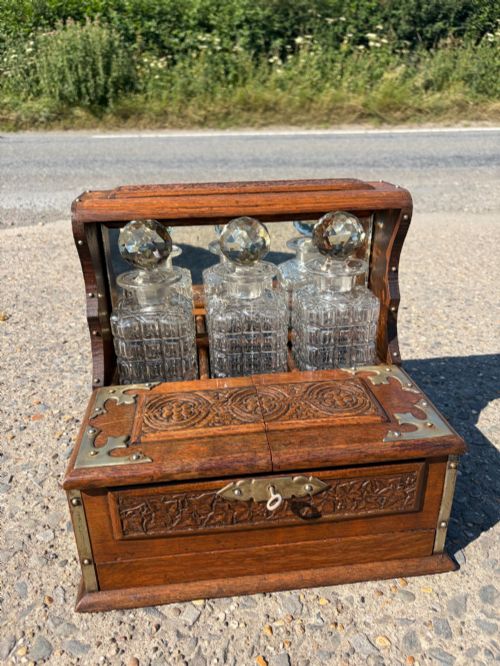
Makers utilised solid oak and pollard oak, often pairing the timber with brass mounts, silver plate fittings, glass inserts and mirror elements to elevate the functional design. Surfaces frequently display deliberate carving, ranging from geometric strapwork in Gothic Revival pieces to organic floral motifs associated with Art Nouveau and Arts and Crafts styles.
Construction techniques relied on sturdy joinery appropriate for domestic storage items subjected to daily handling. Metal hinges, locks and decorative handles made of brass or silver plate were integrated securely into the timber bodies to ensure longevity.
The listings span the Georgian, Victorian and Edwardian eras, incorporating oak, brass, glass and silver plate materials.
Assessing quality and execution
Quality in a carved oak caddy rests upon the crispness of the timber carving and the architectural proportion of the box itself. Superior examples display deeply chiselled detail and harmonious grain selection, whereas simpler pieces rely on basic moulding.
The integrity of original hardware, including brass mounts and fitted interiors, distinguishes standard utility pieces from finer decorative works produced by notable makers.
Tahan of Paris
The Carved Oak Caddy Glossary
- Tea caddy
- A box or container originally designed for storing loose tea leaves securely. They often featured internal compartments and lockable lids to protect expensive nineteenth-century commodities.
- Teapoy
- A pedestal table fitted with a top compartment for storing tea. These larger pieces served a similar purpose to the portable caddy but remained stationary in the parlour.
- Tantalus
- A locking drink container frame that displays decanters while preventing unauthorised access. The design uses a metal bar secured by a key to hold the stoppers in place.
- Pollard oak
- Timber taken from trees that have been pollarded, producing a highly figured, knobbly grain pattern. Cabinet makers valued this wood for decorative veneers and panel accents.
- Gothic Revival
- A nineteenth-century design style drawing inspiration from medieval architecture. Pieces feature pointed arches, heavy mouldings and elaborate tracery carving.
Carved Oak Caddy: Frequently Asked Questions
What is a carved oak caddy used for?
These containers were originally manufactured to store valuable commodities such as tea leaves, dry goods or biscuits securely in the Victorian household. Today, buyers utilise them on desks, sideboards or dressing tables to store small personal items while adding historical character to a room.
The sturdy construction makes them practical for everyday organisation. Their decorative carved exteriors also allow them to function purely as display objects on open shelving.
How do I date a carved oak caddy?
Dating relies upon identifying stylistic markers such as Gothic Revival motifs, Art Nouveau curves or Arts and Crafts simplicity alongside the construction methods used in the timber. Hardware like brass hinges and locks also provides clues regarding the manufacturing period.
Examining the interior linings and base boards helps distinguish mid-nineteenth-century examples from later Edwardian reproductions. Comparing the depth of the hand carving against known period styles confirms the likely decade of production.
Are these caddies made entirely of solid oak?
Many examples utilise solid oak throughout the main body and lid, though pollard oak veneer was sometimes applied to create decorative panel effects. Secondary timbers might appear on internal divider partitions or baseboards.
Metal components such as brass hinges, escutcheons and silver plate mounts are incorporated structurally to reinforce the wooden joins. Glass and mirror elements also appear in specific variants like tantalus frames or desk accessories.
How should I care for an antique oak caddy?
Preserving the timber requires keeping the box away from direct heat sources and drastic humidity changes that could cause the oak to split or warp. Occasional application of suitable wax helps nourish the wood surface without building up excessive residue.
Metal fittings such as brass handles and locks benefit from gentle dusting with a soft, dry cloth. Avoid using harsh chemical cleaners that might strip the historic patina from the carved surfaces.