



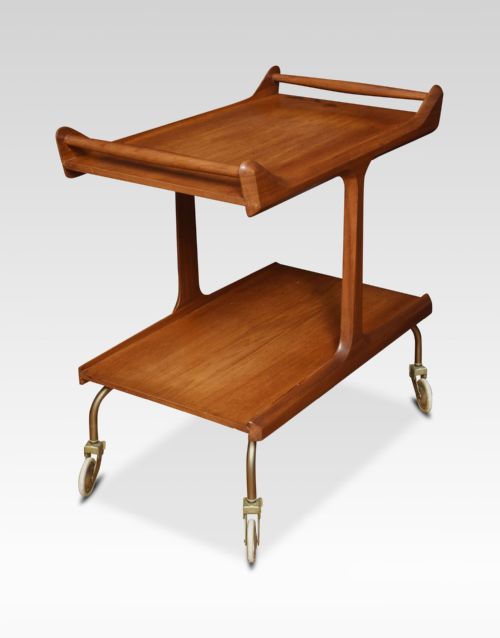
Walnut Tier Trolley
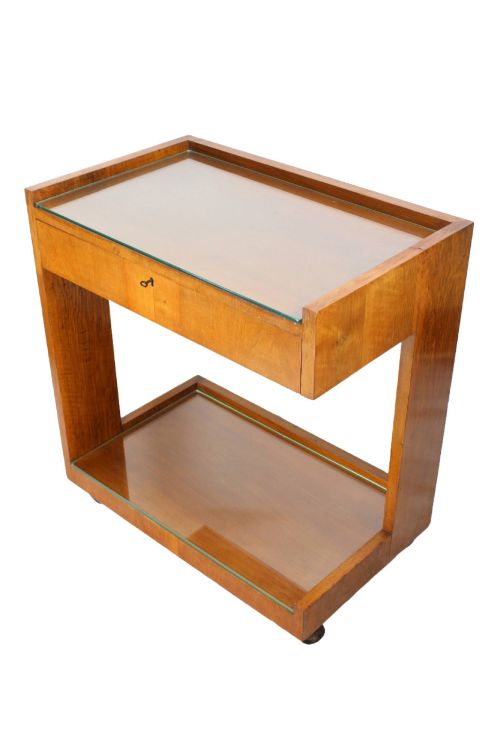
A walnut tier trolley brings serving functionality and timber warmth into a room, spanning Victorian designs through to Art Deco bar carts.
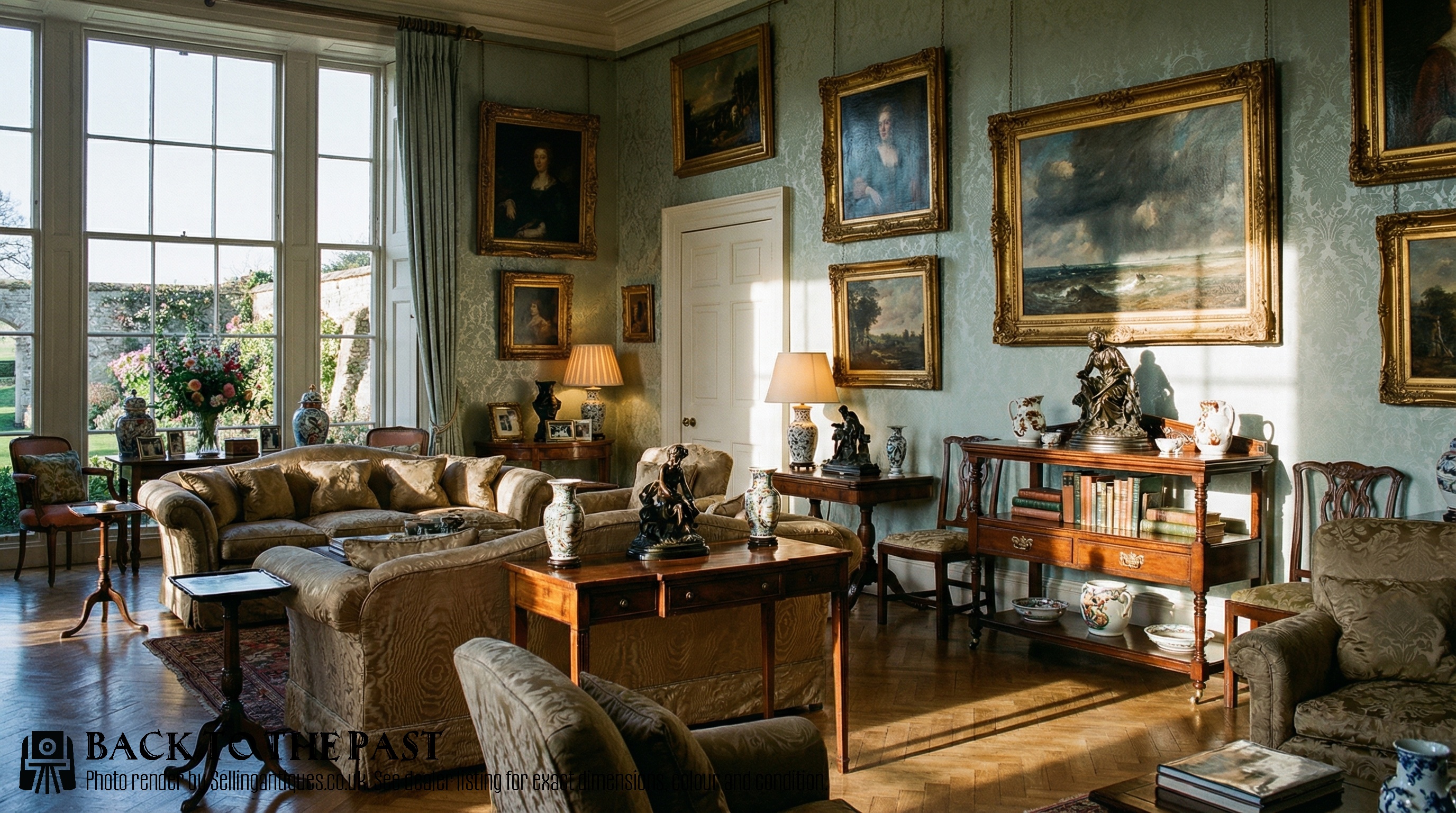
Walnut Tier Trolley
A walnut tier trolley serves as a mobile surface for drinks, books, or dining, appearing across Victorian, Edwardian, and Art Deco periods. When buyers search for a walnut tier trolley, they encounter multi-shelf pieces designed for entertaining and domestic service.
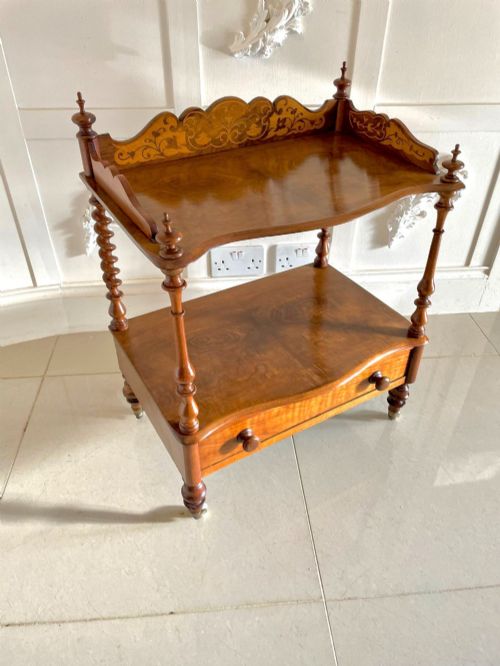
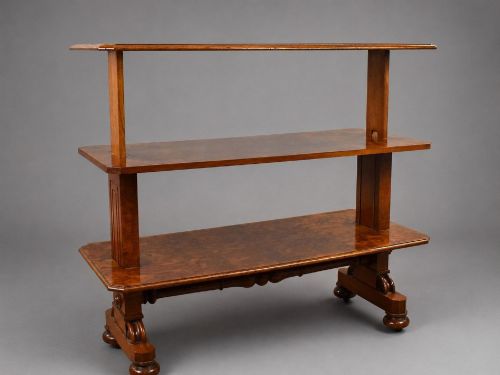
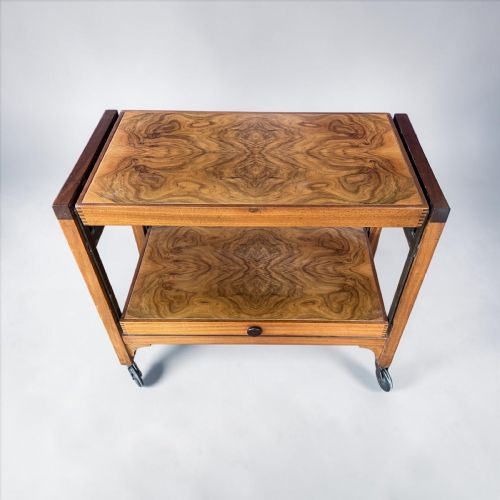
The forms range from Victorian dumbwaiters and three-tier what-nots to Art Deco circular drinks carts and metamorphic serving trolleys. These pieces utilise woods such as burr walnut and ebonised wood, often fitted with casters for mobility.
How they were made
Maker construction relies on solid walnut, burr walnut veneer, and ebonised wood surfaces supported by turned timber legs or uprights. Metal and brass elements frequently appear on galleries, casters, and decorative mounts.
Victorian pieces incorporate inlaid details and telescopic mechanisms or adjustable tiers, while Art Deco items favour figured grain patterns and curved framing. Glass inserts and brass railings occasionally feature on the upper tiers of drinks carts.
Walnut Tier Trolley Retail Price Guide 2026
Typical asking prices for walnut tier trolley among the pieces listed under this phrase on Sellingantiques today, from the lower quarter to the upper quarter. They describe what is for sale here now, not the wider market.
Materials recorded across these pieces include burr walnut veneer, brass fittings, ebonised wood, and glass.
What varies in quality
Quality separates through the selection of timber veneers, particularly the richness of burr walnut figures across the tiers. The precision of joinery in turned supports and the integrity of brass galleries dictate the upper tier of craftsmanship.
Mechanisms on telescopic, adjustable, or metamorphic examples distinguish standard utility items from finer workshop output. The retention of original casters and smooth mobility further divides simpler carts from superior pieces.
The Walnut Tier Trolley Glossary
- Burr walnut
- A figured timber grain prized for its swirling patterns, frequently used as a veneer on prominent surfaces.
- Dumbwaiter
- A multi-tiered serving piece designed to hold dishes or drinks without requiring a servant.
- Whatnot
- An open set of multi-tiered shelves used for displaying or storing small household objects.
- Metamorphic
- Describing furniture that transforms or adjusts its configuration for alternative uses.
- Gallery
- A raised metal or wooden rim around the edge of a tray or shelf to prevent items from sliding off.
Walnut Tier Trolley: Frequently Asked Questions
What is a walnut tier trolley used for?
These pieces serve primarily as mobile surfaces for holding drinks, glassware, or serving dishes during gatherings.
Historically, they functioned as dumbwaiters or tea wagons, allowing hosts to transport items between rooms with ease.
How do I date a walnut trolley?
Dating relies on stylistic markers such as Victorian turned supports and inlay versus Art Deco curved lines and streamline forms.
Materials like brass galleries and the presence of specific wood veneers also help place the piece within the nineteenth or twentieth century.
Are these trolleys sturdy enough for daily use?
Most pieces are constructed from solid timber and wood veneers designed to bear the weight of dishware or bottles.
Checking the stability of the tier supports and casters ensures the structure remains dependable for regular service.
What is the difference between a dumbwaiter and a tea trolley?
Dumbwaiters generally originate from the Victorian era with fixed stacked tiers, sometimes featuring adjustable mechanisms.
Tea trolleys and bar carts frequently date to the Art Deco period, incorporating wheels and specialised frames for serving beverages.