



Victorian Carved Buffet Wagon
These Victorian carved buffet wagon pieces are sturdy dining room servers designed to hold dishes, and you buy one to anchor a traditional interior.
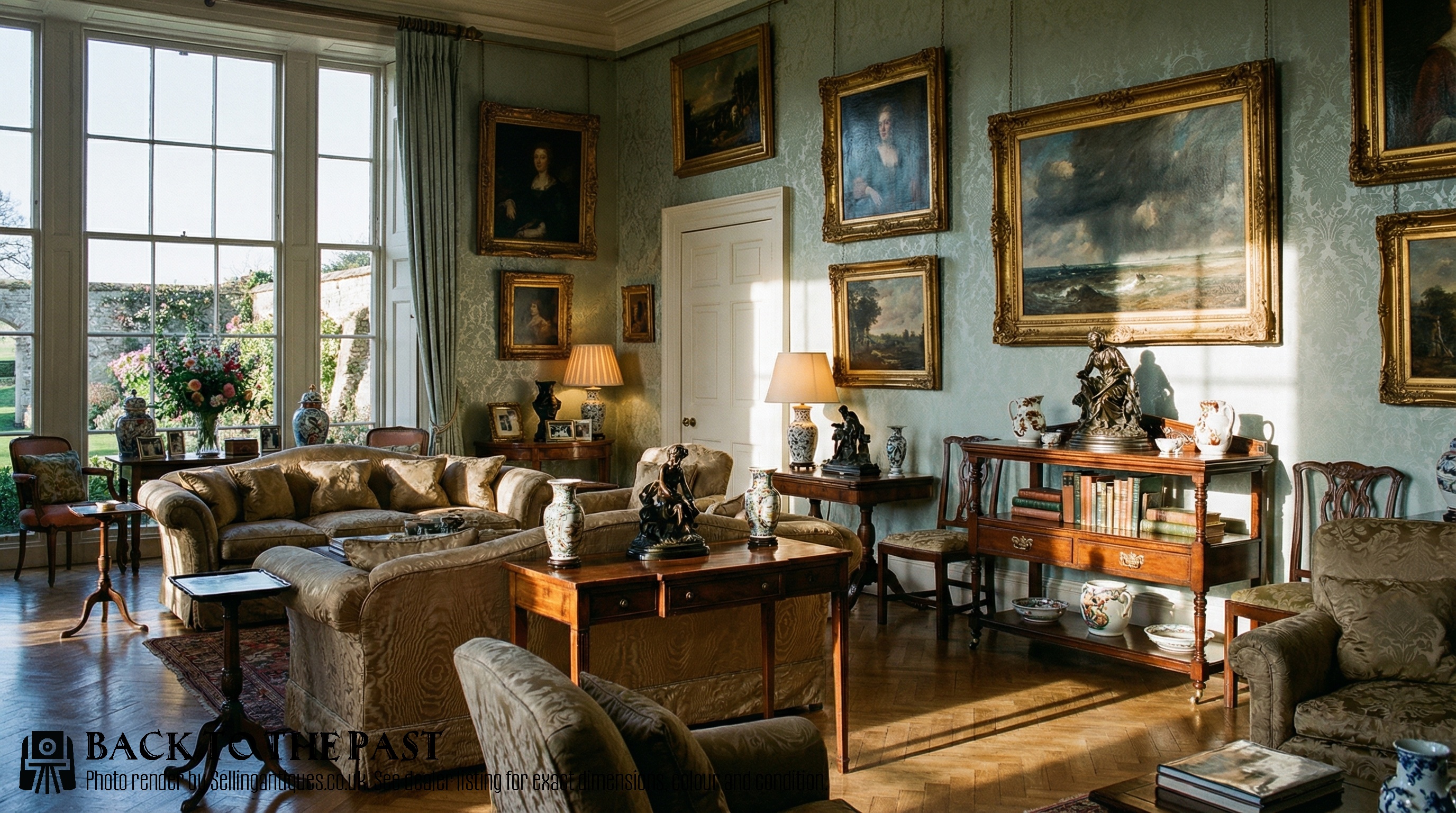
Victorian Carved Buffet Wagon
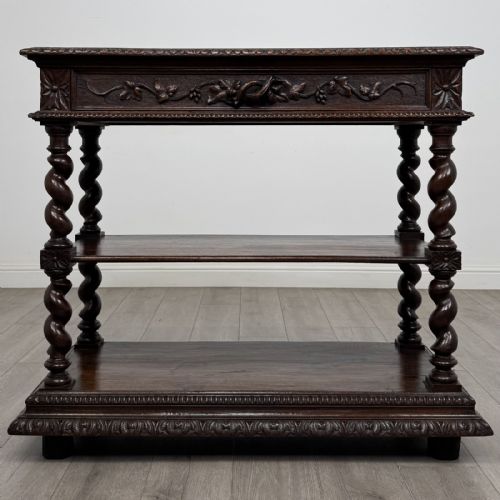
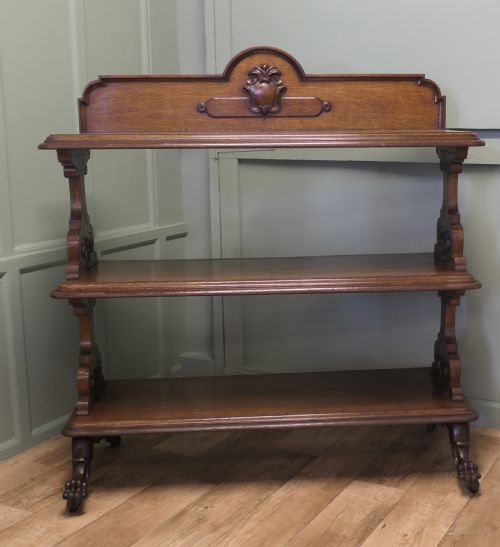
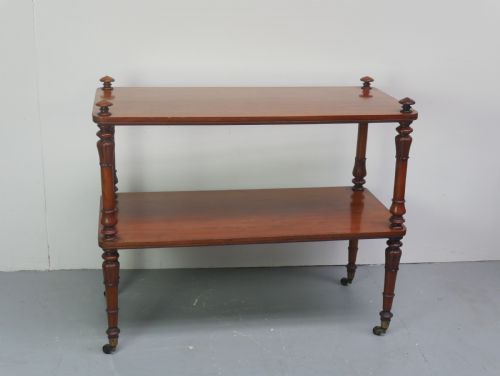
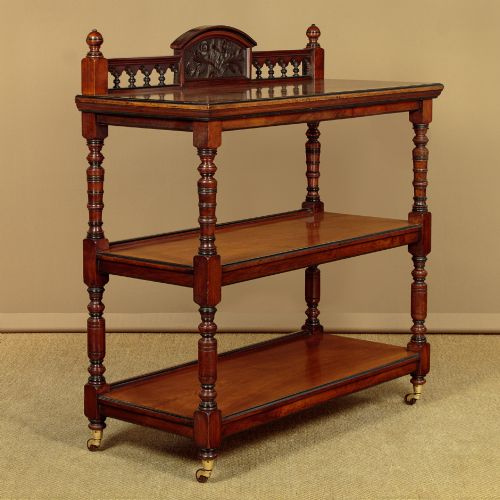
A victorian carved buffet wagon typically presents as a substantial dining room server, sideboard, or tiered serving table designed for practical hospitality. The evidence records formats including three-tier dumb waiters, serving tables, and traditional sideboards.
Most examples you meet on this page date from the nineteenth century, spanning periods from eighteen-fifty to eighteen-eighty alongside an Edwardian-dated walnut dumb waiter. These pieces range from large oak buffets to mahogany serving tables and walnut aesthetic movement designs.
Materials and construction methods
Makers utilised solid timbers such as mahogany, oak, walnut, and pollard oak to build these dining room pieces, occasionally incorporating brass hardware. The timber selection dictates the weight and grain pattern visible across the tiers and sideboards.
Carving serves as the primary decorative technique, applied directly to the solid wood surfaces of the buffets and servers. Workshops shaped tiered shelves and standing frames by hand, joining structural elements with traditional cabinetmaking methods.
Victorian Carved Buffet Wagon Retail Price Guide 2026
Typical asking prices for victorian carved buffet wagon among the pieces listed under this phrase on Sellingantiques today, from the lower quarter to the upper quarter. They describe what is for sale here now, not the wider market.
Judging the quality of a piece
The choice of primary timber creates a clear distinction between standard production items and superior examples, particularly when makers selected figured pollard oak or rich walnut veneers. Grain pattern depth and timber density dictate the visual weight of the carved surfaces.
The complexity and execution of the carved decoration separate basic utility servers from high-end commissions associated with makers like Gillows of Lancaster and London. Crisp detailing in the woodwork and balanced proportions across multiple tiers reflect the skill of the original workshop.
Gillows of Lancaster and London
The Victorian Carved Buffet Wagon Glossary
- Buffet wagon
- A heavy dining room piece used for serving food and displaying tableware. These items often feature multiple tiers or enclosed cupboards.
- Dumb waiter
- A tiered stand used in dining rooms to hold dishes without needing a servant present. This form typically has three shelves supported by turned columns.
- Pollard oak
- Oak timber taken from trees that have been pollarded, producing a highly decorative and knotted grain pattern. Cabinetmakers utilised this wood for striking visual effect on cabinet doors and tabletops.
- Aesthetic movement
- A nineteenth-century design style emphasising visual beauty over narrative subject matter. Pieces from this movement display clean architectural lines and refined proportions.
- Sideboard
- A large dining room furniture piece used for storing cutlery and serving meals. The evidence shows these items combined with buffet and server categories.
Victorian Carved Buffet Wagon: Frequently Asked Questions
What is a Victorian buffet wagon used for?
These pieces served as dining room servers for holding dishes, silverware, and serving platters during large meals. Their multiple tiers provided accessible surface space close to the dining table.
Today, you use them in a dining room or hallway as a sideboard to display ceramics or store table linen.
What woods were used for these buffets?
Makers constructed these dining pieces primarily using mahogany, oak, walnut, and pollard oak. These hardwoods provided the structural strength needed to hold heavy ceramic and silver items across multiple shelves.
Brass hardware often completed the construction, appearing as castors or decorative mounts on select walnut and mahogany items.
How do I date a nineteenth-century buffet?
Dating relies on stylistic clues, timber choice, and specific decorative movements such as the Aesthetic style popular around eighteen-eighty. Surviving examples often carry specific era markers ranging from mid-nineteenth-century mahogany to Edwardian tiered stands.
Examining the construction methods and the depth of the hand-carved woodwork helps place the piece within the Victorian period.