

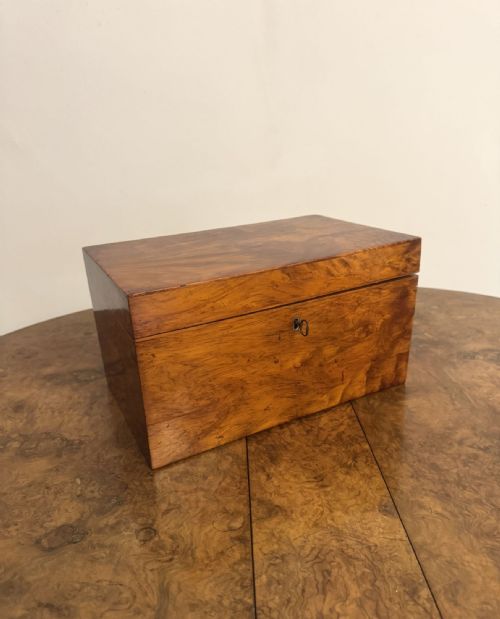


Walnut Tea Chest
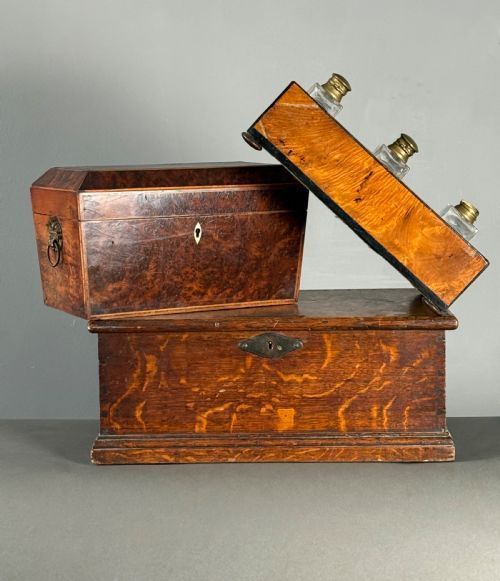
These walnut tea chest examples range from Georgian rectangular boxes to Victorian sarcophagus models, offering refined storage for precious dry leaves.
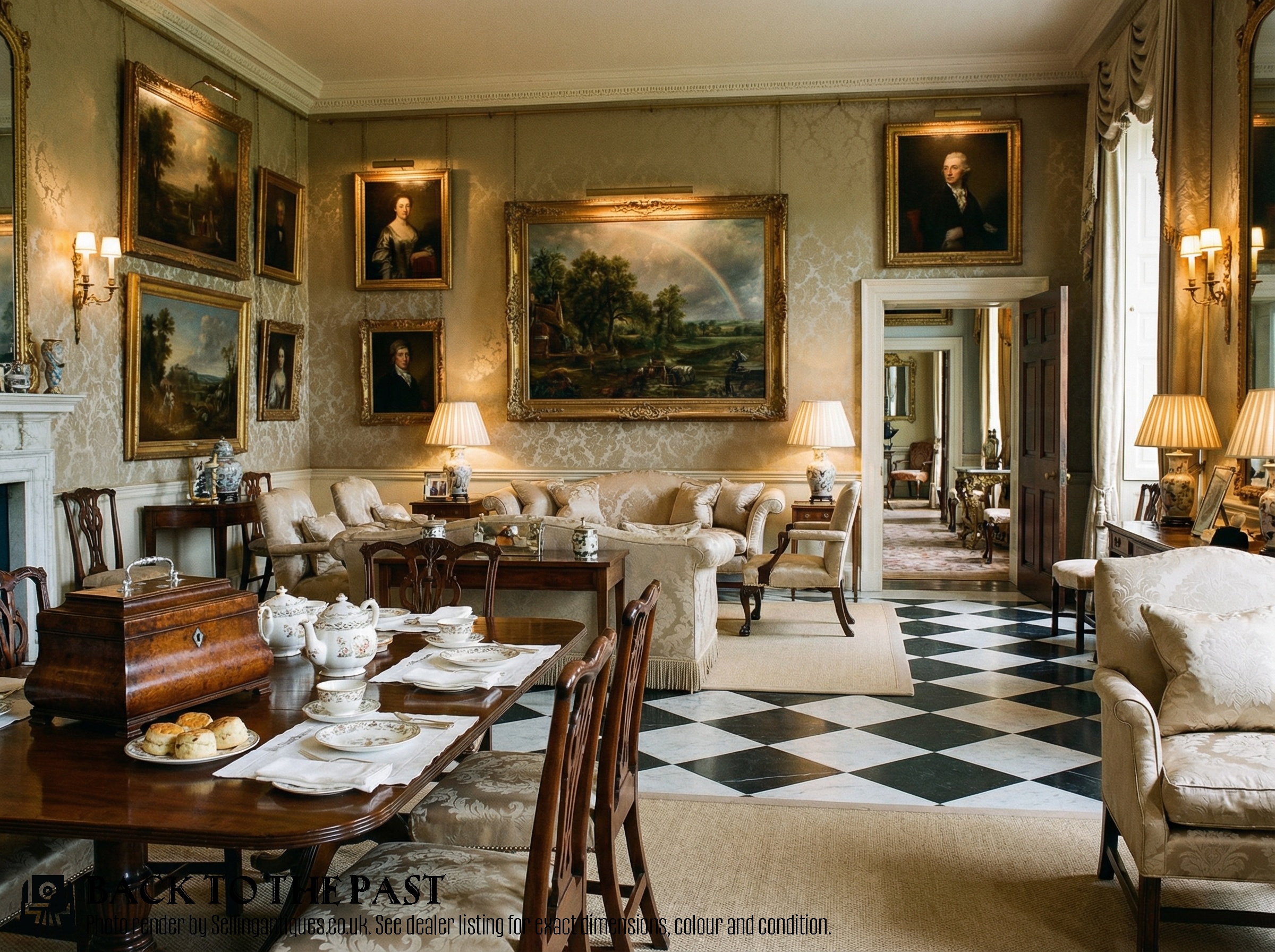
Walnut Tea Chest
A walnut tea chest is a specialised lidded container designed to preserve and dispense dry tea leaves, which were once a high-value commodity. These pieces appear across several eras, including the Georgian, Regency, and Victorian periods.
The selections available include standard tea caddies and larger freestanding teapoys, alongside decorative boxes featuring fitted interiors. Buyers frequently encounter burl variants, rectangular forms, and sarcophagus shapes dating from the eighteenth and nineteenth centuries.
How they were made
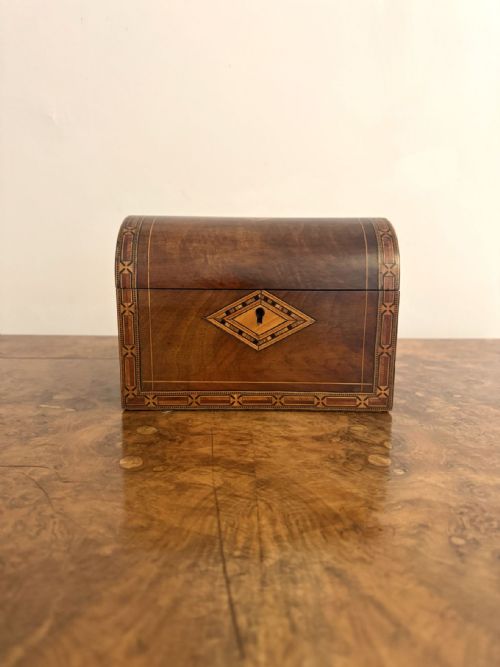
Cabinetmakers utilised timber such as burr walnut, red walnut, and occasionally elm, often selecting veneers to display rich grain patterns. These wooden structures were frequently reinforced or decorated with contrasting inlays of boxwood and brass.
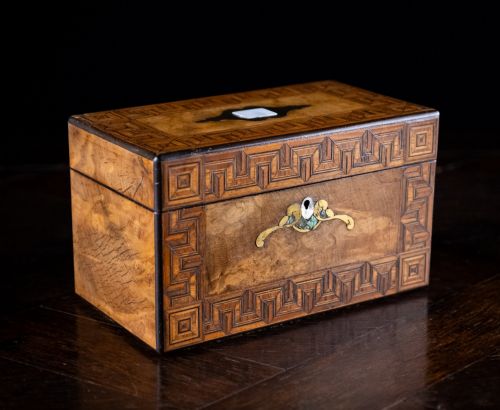
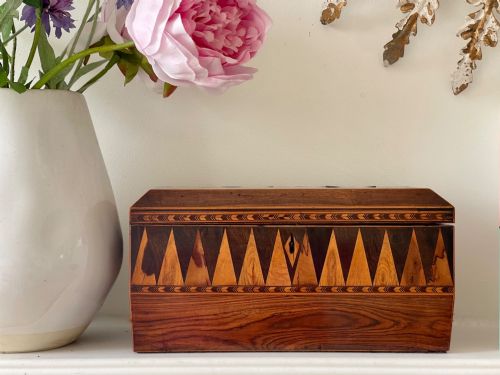
Many examples incorporate detailed surface ornamentation, including parquetry and Tunbridge Ware mosaic detailing. Interior fittings often comprise wooden lids and compartments designed to keep different varieties of leaf separate.
Walnut Tea Chest Retail Price Guide 2026
Typical asking prices for walnut tea chest among the pieces listed under this phrase on Sellingantiques today, from the lower quarter to the upper quarter. They describe what is for sale here now, not the wider market.
Listings feature walnut tea chests across the Georgian, Regency, and Victorian periods, utilising brass, boxwood, and mother of pearl.
What varies in quality
The standard of a walnut tea chest depends primarily on the choice of timber and the precision of its decorative inlays. Elaborate parquetry, mother-of-pearl embellishments, and intricate Tunbridge Ware distinguish finer examples from plain constructions.
Internal preservation also separates pieces, with surviving fitted compartments and original mixing bowls or canisters commanding greater interest. The overall harmony of proportions between the lid, body, and feet dictates the visual appeal of each box.
Henry Hollamby
The Walnut Tea Chest Glossary
- Tea caddy
- A small container or box designed to hold tea leaves securely. The name derives from the word catty, a traditional unit of weight.
- Teapoy
- A pedestal table fitted with a tea chest compartment on top. These originated in the Georgian era and served as freestanding parlour furniture.
- Tunbridge Ware
- A type of decorative wood mosaic work produced in Kent. Makers used thousands of tiny tinted wood blocks to create pictorial or geometric surface patterns.
- Sarcophagus
- A distinct box shape featuring a domed or sloping lid reminiscent of ancient stone tombs. Cabinetmakers adopted this grand architectural silhouette during the Regency and Victorian periods.
- Parquetry
- A geometric mosaic of wood pieces used for surface decoration. It creates repeating patterns across the exterior surfaces of finer boxes.
Walnut Tea Chest: Frequently Asked Questions
What is a walnut tea chest?
A walnut tea chest is a lidded wooden container historically used to store valuable loose tea leaves safely under lock and key. These boxes range from simple Georgian rectangles to elaborate Victorian sarcophagus shapes.
Inside, the chests typically feature divided compartments for different types of tea. Some larger freestanding variants, known as teapoys, include pedestal bases for parlour use.
How do I date a tea chest?
Dating relies on observing the timber choice, construction methods, and decorative styles visible across the piece. Georgian examples often show simpler rectangular outlines, while Victorian pieces lean towards burr veneers and Gothic or sarcophagus influences.
Inlays such as Tunbridge Ware or mother-of-pearl also point towards specific decades in the nineteenth century. Examining the interior fittings and hinges helps confirm the period of manufacture.
How do I care for burr walnut?
Burr walnut veneer requires stable room conditions away from direct sunlight and sudden temperature shifts to prevent warping. Gentle dusting with a dry or barely damp cloth preserves the polished surface.
Avoid placing these boxes near radiators or damp areas, as moisture damages the delicate wood grain and historic inlays. Regular mild waxing helps maintain the lustre of the timber.