
Walnut Pier Glass
A walnut pier glass brings warm timber tones and reflected light into a room, spanning wall mirrors and glazed display cabinets from Georgian to Victorian eras.
Walnut Pier Glass
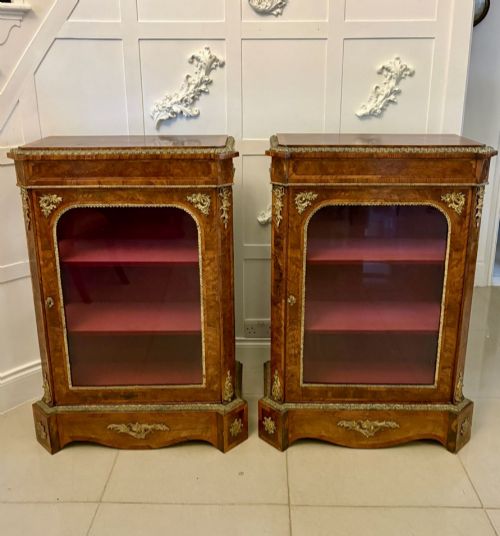
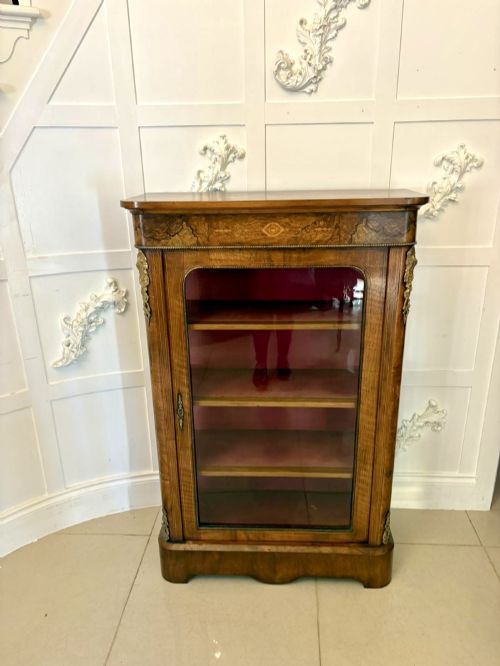
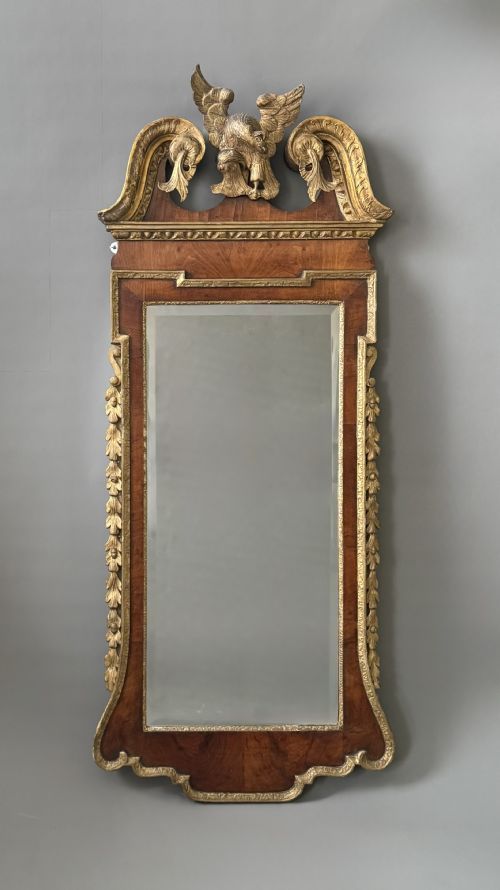
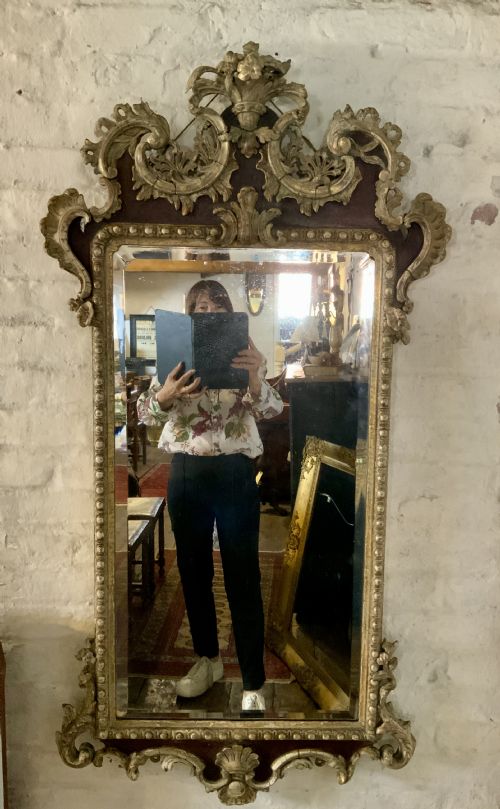
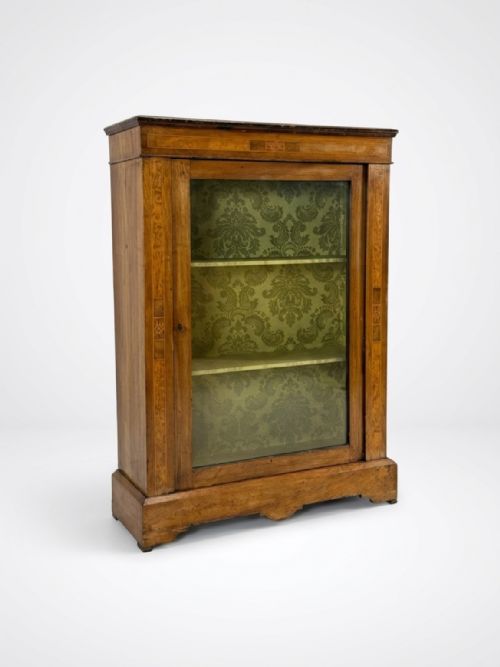
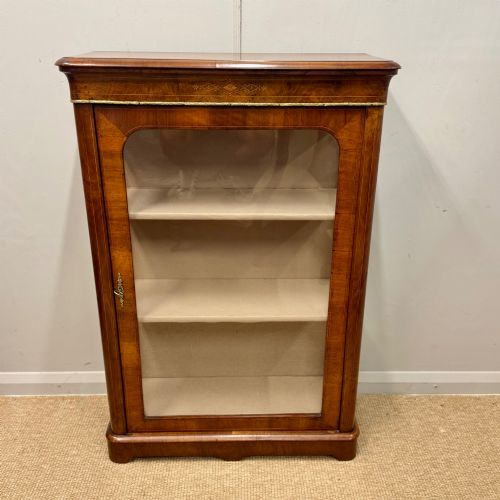
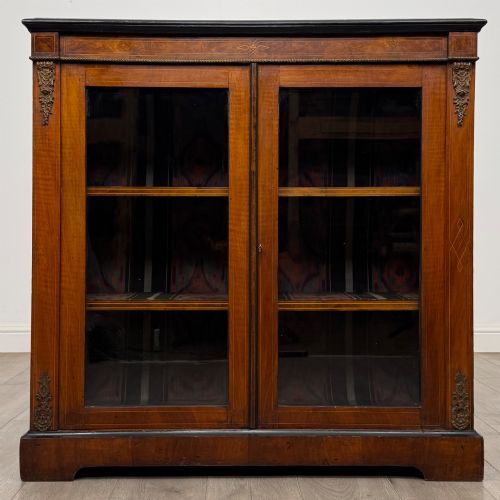
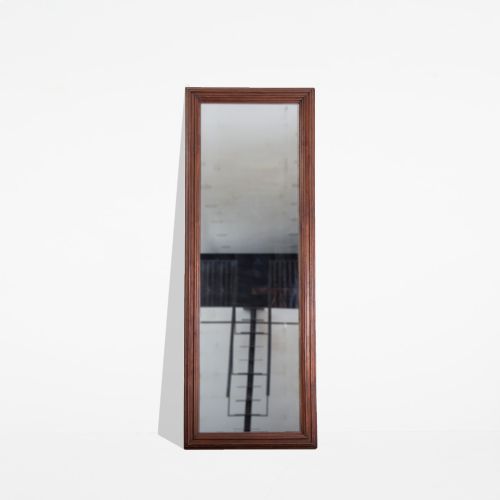
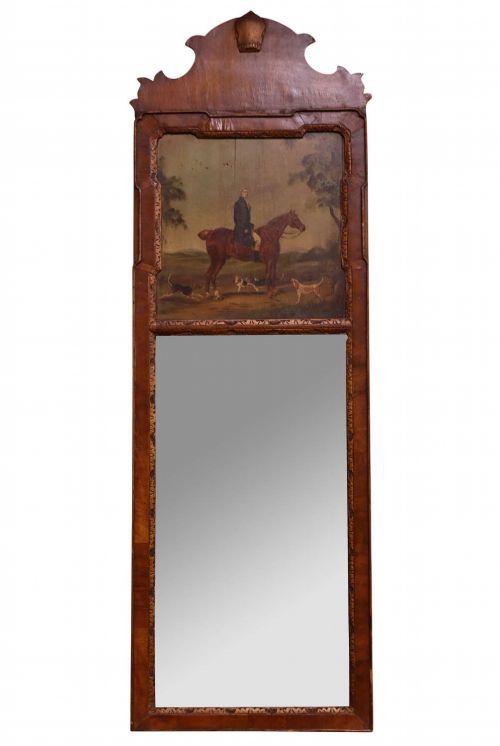
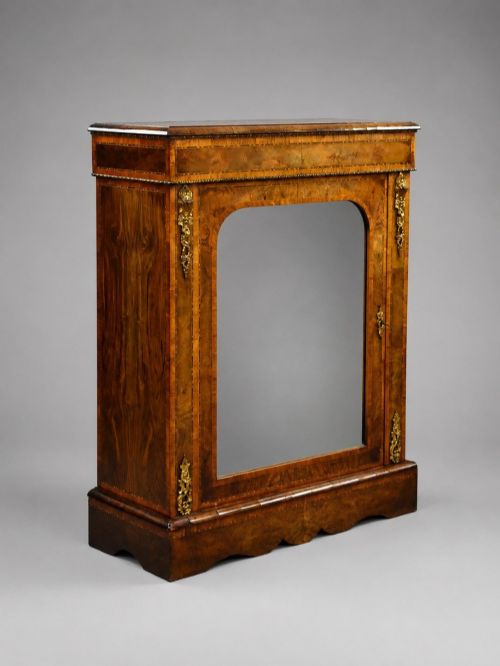
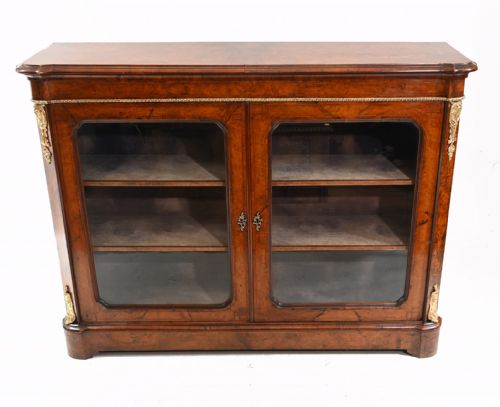
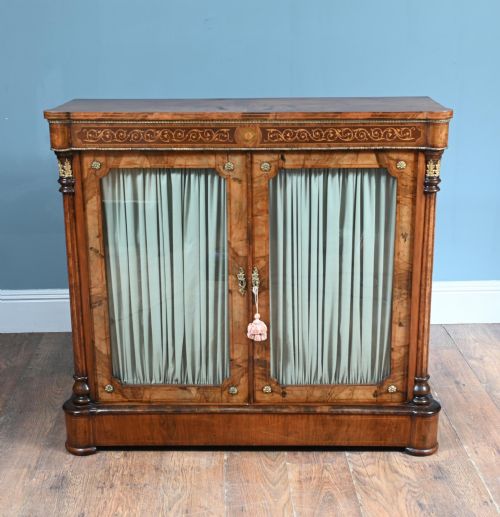
A walnut pier glass refers to mirrors and tall display cabinets designed to fit the narrow wall space between windows, known as the pier. The evidence shows these pieces range from George II and Georgian wall mirrors with fretwork frames to Victorian burr walnut cabinets.
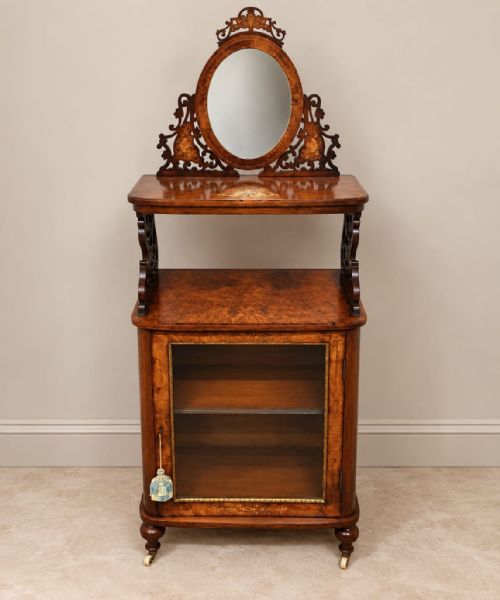
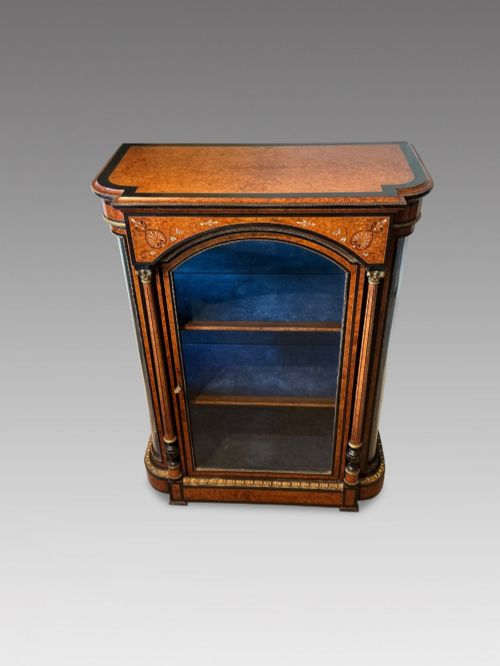
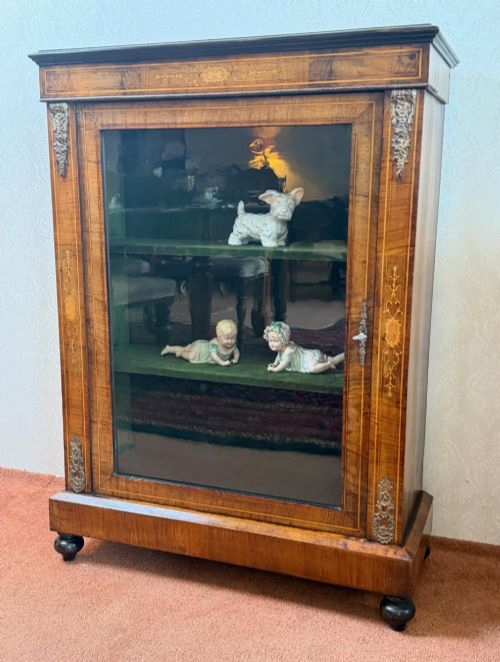
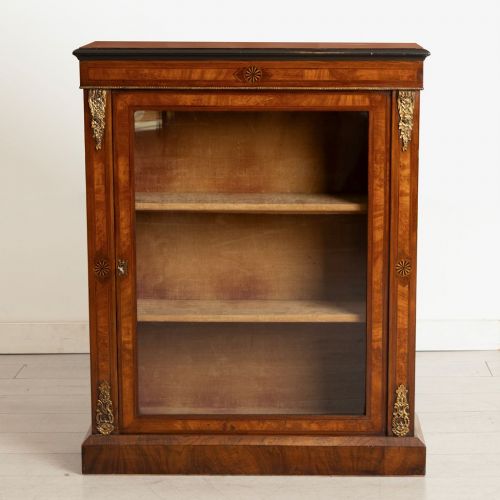
The version most commonly met on this page is the Victorian walnut pier cabinet or the Georgian wall mirror. These forms utilise rich timbers like burr walnut, often paired with glass doors for display or architectural mirror plates for hanging between rooms.
Makers and craftsmen applied styles from Queen Anne Revival to Chippendale, resulting in items that function either as focal wall hangings or as low display furniture housing collections.
How they were made
Makers utilised solid walnut and figured burr walnut veneers applied to secondary timbers, frequently enhanced by crossbanding, marquetry inlay, and parcel gilding. Ormolu mounts and brass details appear on mid-nineteenth-century items.
Mirror frames often incorporate fretwork cut from thin timber sheets, whilst cabinets feature glazed doors enclosing shelves, sometimes lined with velvet.
Listings feature periods spanning from the eighteenth century to the twentieth century, utilising walnut, burr walnut, ormolu, and giltwood.
What varies in quality
Quality rests in the choice of timber figure, such as highly figured burr walnut or rich grain patterns, alongside the precision of marquetry inlay and fretwork cutting. Superior examples display balanced proportions and crisp carved detail rather than mechanical regularity.
The integration of mounts, parcel gilding, and original glass plates separates standard utility items from pieces made for country houses and formal reception rooms.
The Walnut Pier Glass Glossary
- Pier glass
- A tall mirror designed to hang on the narrow pier of wall between two windows. It often sat above a matching pier table or cabinet.
- Burr walnut
- Timber taken from the wart or burl of a walnut tree, yielding swirling, knotty grain patterns prized for cabinet veneers.
- Parcel gilt
- Portions of a frame or furniture piece decorated with gold leaf while other areas show the natural wood finish. This technique highlights carved details.
- Marquetry
- Decorative patterns formed by fitting contrasting veneers of wood into a prepared ground. It appears frequently on Victorian cabinet doors.
- Fretwork
- Thin wood panels pierced with decorative patterns using a fretsaw. Georgian and later mirrors use this on scroll-cut frames.
- Crossbanding
- A border of veneer laid with the grain running perpendicular to the main panel. It frames table tops, doors, and mirror surrounds.
Walnut Pier Glass: Frequently Asked Questions
What is a pier glass?
A pier glass is a tall mirror specifically proportioned to hang on the wall space between windows. These mirrors reflect natural light deeper into period rooms.
Over time, the term also came to describe tall, narrow cabinets placed beneath or near these wall spaces.
How do I tell an 18th century mirror from a later copy?
Eighteenth-century mirrors typically exhibit hand-cut fretwork, older mirror plates with slight distortion or foxing, and construction using period pine or oak secondary woods. Later revival pieces from the Victorian and Edwardian eras often use machine precision and newer glass.
Examining the backboards, fixings, and timber shrinkage helps clarify the actual period of manufacture.
Where should I place a walnut pier glass?
These pieces suit narrow wall spaces, hallways, or narrow expanses between doorways where wider furniture does not fit. Wall-hung versions benefit from natural light sources.
Cabinet versions work well in sitting rooms to display small collections behind glass doors.
What is burr walnut?
Burr walnut is a timber veneer sourced from the deformed growths on walnut trees. It creates complex, swirling grain patterns full of small knots.
Cabinet makers used these dramatic veneers on prominent surfaces like door fronts and tabletops.