



Walnut Grip Pistol
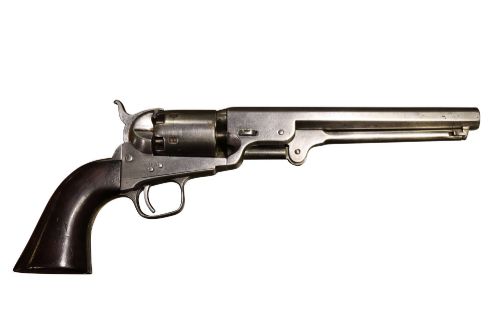
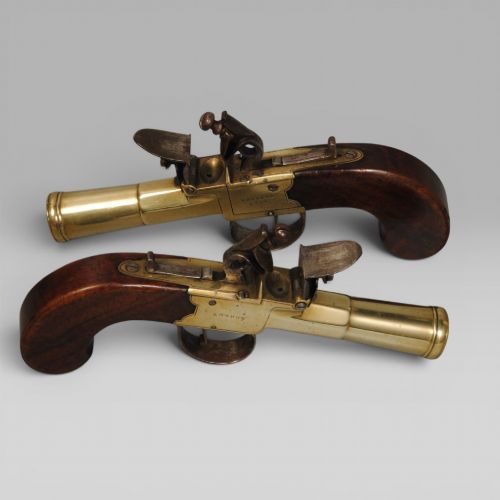
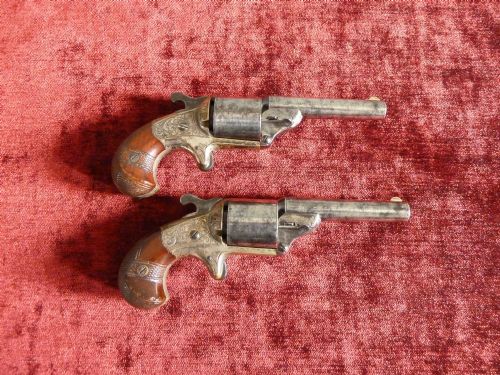
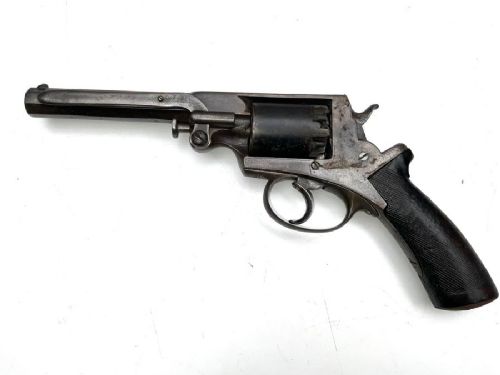
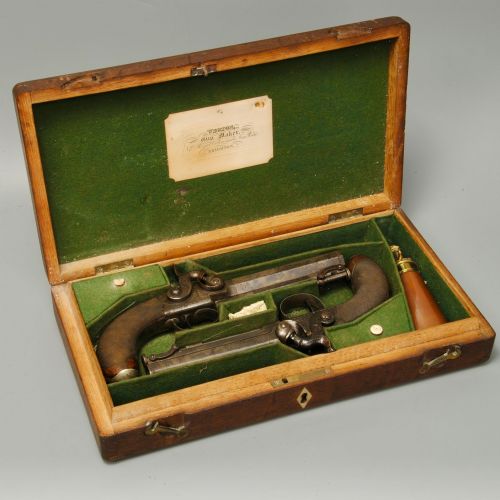
A walnut grip pistol is an antique firearm combining functional iron, steel, or brass mechanics with figured timber stocks, desired by collectors of militaria.
Walnut Grip Pistol
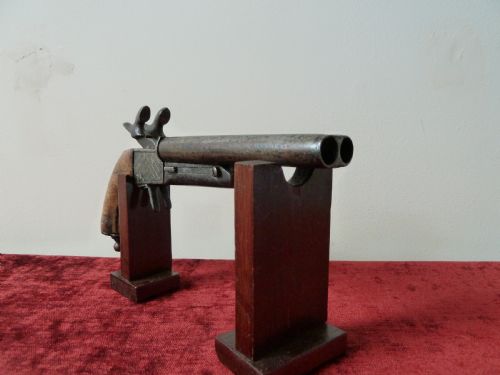
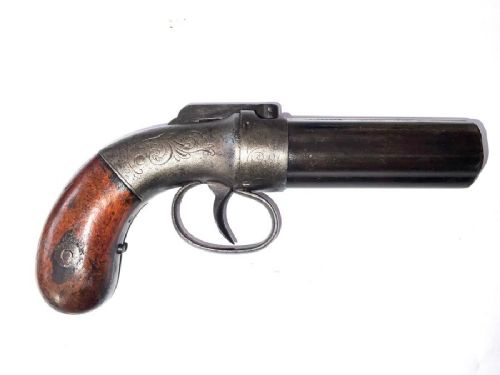
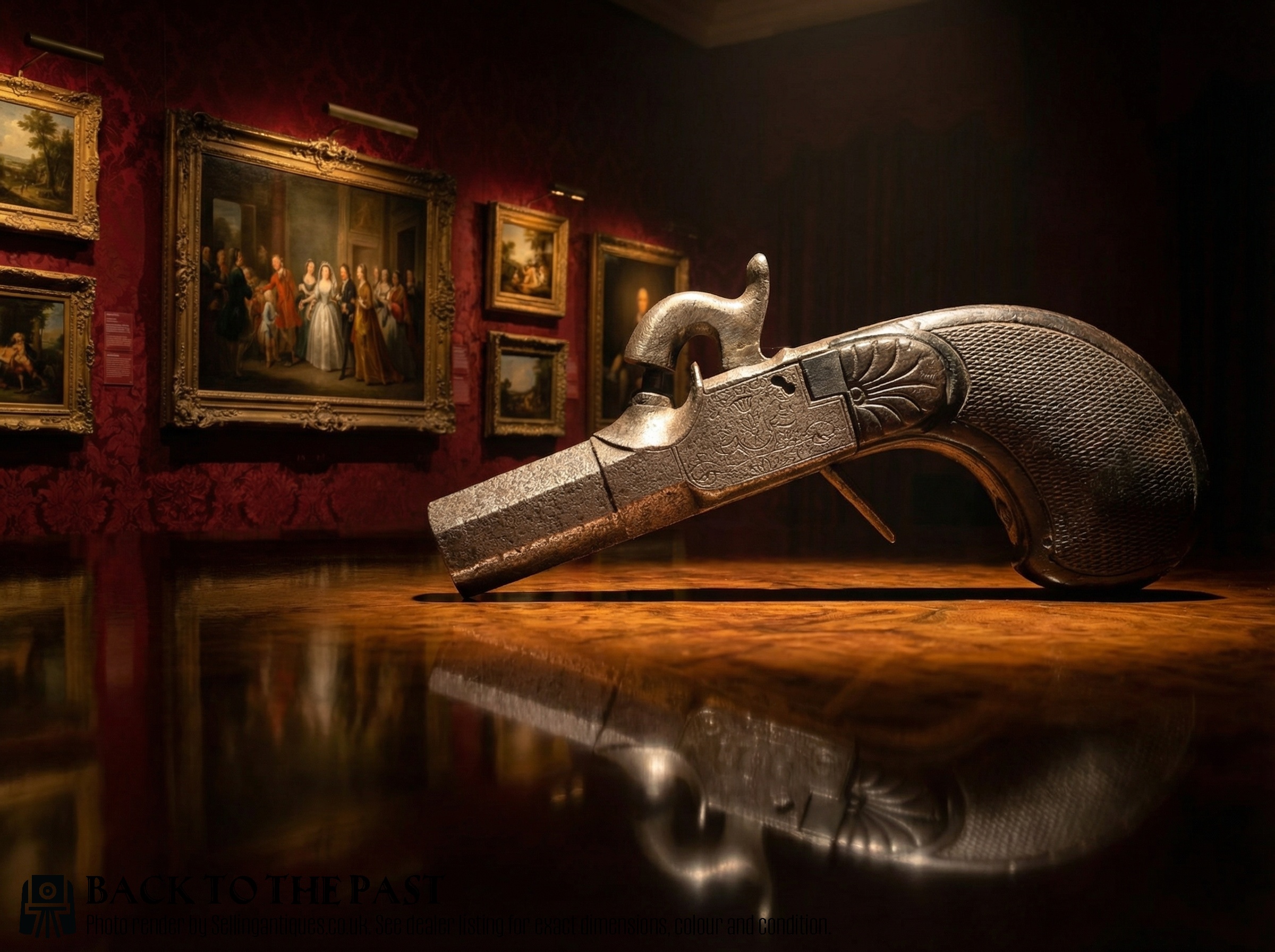
A walnut grip pistol encompasses a range of antique firearms and weaponry spanning the eighteenth and nineteenth centuries, including boxlock blunderbuss pistols, pepperbox revolvers, and double-barrelled percussion designs. These pieces cross various eras such as the Georgian, Regency, and Victorian periods, showcasing domestic and international origins from London, Birmingham, Worcester, Liège, and America.
The specimens encountered here most frequently include nineteenth-century pepperbox pistols and percussion firearms featuring wooden handle components. Makers such as Allen & Thurber, J.R. Cooper, Auguste Francotte, and Deane, Adams & Deane represent the diverse British, European, and American manufacturers producing these historic arms.

Materials and construction
Construction relies upon durable metals including steel, iron, and brass for the barrels, frames, and internal mechanisms, paired with walnut or walnut wood for the stock grips. Some later nineteenth-century examples incorporate nickel-plated steel alongside standard metallic finishes.
Makers utilised mechanical innovations such as sliding rear sights, hidden triggers, revolving barrels, and solid-frame percussion systems. Proof marks stamped upon the metal components verify the origin and testing of these functional mechanisms.
Walnut Grip Pistol Retail Price Guide 2026
Typical asking prices for walnut grip pistol among the pieces listed under this phrase on Sellingantiques today, from the lower quarter to the upper quarter. They describe what is for sale here now, not the wider market.
Listings feature items spanning the 18th and 19th centuries, utilising walnut, steel, iron, brass, and nickel-plated steel.
Assessing quality and craftsmanship
Quality manifests in the precision of the mechanical action, from smooth revolving pepperbox cylinders to crisp flintlock or percussion lock operation. Engraving detail on the metal surfaces and the grain definition of the walnut grip further separate standard production arms from superior signed works.
Provenance and maker attribution elevate certain pieces, particularly those bearing verifiable signatures from recognised makers and specific commercial addresses. The preservation of original finishes on both the timber and metal components defines the better-surviving examples.
Allen & Thurber·J.R. Cooper·Auguste Francotte·Deane Adams & Deane
The Walnut Grip Pistol Glossary
- Percussion pistol
- A firearm that uses a percussion cap struck by a hammer to ignite the gunpowder charge. This system succeeded the earlier flintlock mechanism in the nineteenth century.
- Pepperbox revolver
- A multi-barrelled firearm where the barrels revolve around a central axis as the weapon is cocked or fired. This design offered multiple shots before reloading.
- Boxlock action
- A firearm design where the hammer and lock mechanism are contained within an internal housing rather than mounted on a sideplate. It provides a clean and compact profile.
- Flintlock pistol
- An ignition system utilising a flint struck against a steel frizzen to create sparks that ignite the priming powder. This technology dominated earlier centuries.
- Proof mark
- An official stamp applied to the metal components of a firearm after testing for strength and safety. These marks often indicate the city of testing, such as Birmingham or London.
Walnut Grip Pistol: Frequently Asked Questions
What is a walnut grip pistol?
A walnut grip pistol is an antique firearm featuring a wooden handle made from walnut timber, encompassing various mechanisms from flintlocks to percussion revolvers.
These pieces represent centuries of firearm development across British, European, and American workshops.
How do I date an antique pistol?
Dating relies upon stylistic indicators, mechanical systems such as flintlock versus percussion, and stamped proof marks.
Maker signatures and patent dates inscribed on the metal further narrow the period of manufacture.
Were these pistols used for self-defence?
Many compact forms, including gambler pistols and pocket pepperboxes, served as personal protection weapons during the Georgian and Victorian eras.
Larger military and blunderbuss variants fulfilled roles in armed service and coach defence.
How should I display my pistol?
Displaying these firearms involves secure, stable placement away from excessive humidity and direct sunlight to protect the walnut stocks and metal surfaces.
Many collectors utilise dedicated cabinets or shadow boxes suited to militaria.