


Walnut Frame Settee
A walnut frame settee brings nineteenth and early twentieth century seating into a room with exposed timber and substantial upholstery.
Walnut Frame Settee
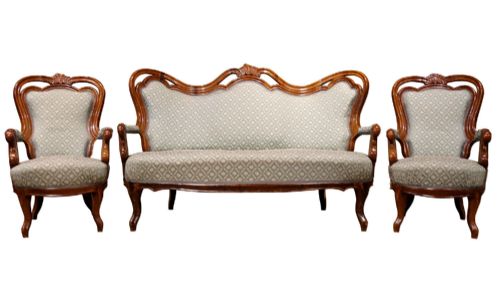
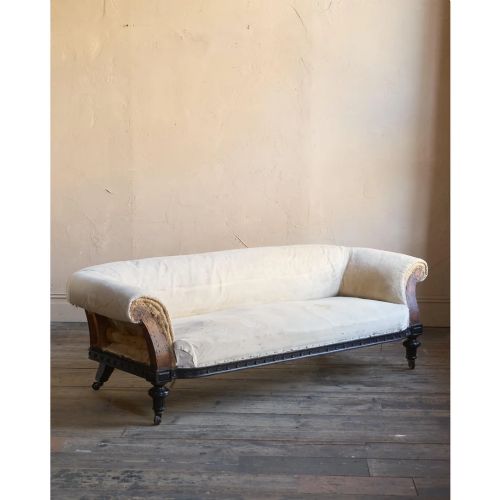
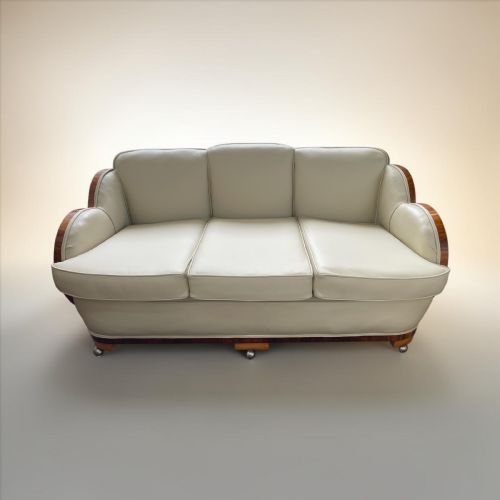
A walnut frame settee is an upholstered seat supported by an exposed wooden structure, appearing across nineteenth and early twentieth century periods. These pieces range from compact two-seater forms to larger salon suites and chesterfield sofas.
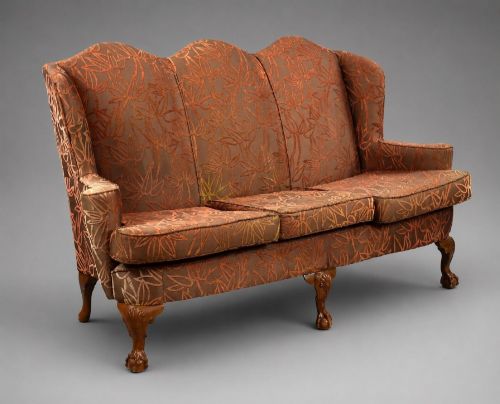
The most common examples on this page are Victorian and Edwardian pieces, often finished in revival styles like Queen Anne, Rococo, and Louis XV. Makers utilised walnut timber to construct curved arms, carved cabriole legs, and show frames that surround the upholstered sections.
Buyers encounter everything from French canapés and open-arm sofas to button-backed cameo settees and deep-seated club styles. The timber frame remains visible around the backrest and rails, contrasting with the textile coverings.
How they were made
Cabinetmakers shaped solid walnut into structural frames, often utilising carved ornamentation along the crest rails, arms, and legs. This dense timber allowed for crisp chisel work and slender yet robust load-bearing components.
Upholsterers then built up internal padding using traditional webbing, springs, and stuffing before securing the final outer layer. Coverings span from velvet and damask to leather, tapestry, and textured textiles, sometimes held with brass tacks.
Listings feature walnut frames paired with velvet, leather, damask, and tapestry upholstery across Victorian and Edwardian periods.
What varies in quality
Quality rests on the depth of the timber carving and the architectural proportion of the frame. Finer examples display hand-carved detail integrated into the structural design rather than applied ornament, maintaining clean lines through complex curves.
The choice of upholstery material and the precision of the sewing also separate standard production from superior work. Well-executed buttoning, matched fabric patterns, and robust joinery dictate how firmly a piece holds its shape over decades of use.
Harry and Lou Epstein
The Walnut Frame Settee Glossary
- Show frame
- A wooden structural skeleton left deliberately exposed around the upholstered elements of a seat. This timber border defines the silhouette and displays the grain.
- Cabriole leg
- A furniture leg that curves outward and then tapers inward, mimicking an animal's leg in motion. It frequently terminates in a pad or scroll foot on period seating.
- Canapé
- A traditional French-style upholstered sofa with an exposed wooden frame. These pieces typically feature open arms and padded backrests supported by slender legs.
- Damask
- A reversible figured fabric woven on a loom, featuring patterns formed by contrasting warp and weft threads. It is frequently encountered on formal period upholstery.
Walnut Frame Settee: Frequently Asked Questions
How do I care for the walnut frame?
Dust the timber regularly with a soft cloth and feed the grain occasionally with appropriate wax to prevent drying. Avoid placing the wood in direct sunlight or near heat sources.
Keep upholstered sections brushed and protected from moisture to preserve the fabric and internal padding over time.
Are these settees comfortable for daily use?
Period settees vary from upright salon seating to deep-sprung chesterfields designed for relaxation. The degree of comfort depends heavily on the firmness of the internal spring and stuffing setup.
Many nineteenth-century examples offer supportive backrests and generous padding suited for regular living spaces.
How do I identify a revival style?
Revival pieces borrow decorative motifs from earlier eras, such as Queen Anne cabriole legs or French Rococo carved scrolls. Cabinetmakers produced these interpretations during the Victorian and Edwardian periods.
Examining the construction methods and wood ageing helps distinguish these later recreations from genuine eighteenth-century originals.
Can I fit one in a modern room?
A walnut frame settee works well in contemporary settings by adding tactile warmth through natural timber and textured fabrics. Compact two-seater versions integrate easily into smaller apartment layouts.
Pairing a historic sofa with minimalist furniture highlights the craftsmanship of the exposed wood frame.