
Walnut Dresser Storage
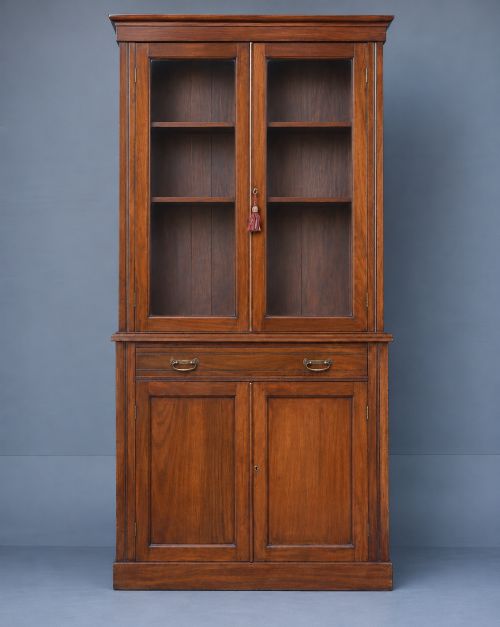
Walnut dresser storage encompasses practical timber drawer units and cabinets providing domestic organisation.
Walnut Dresser Storage
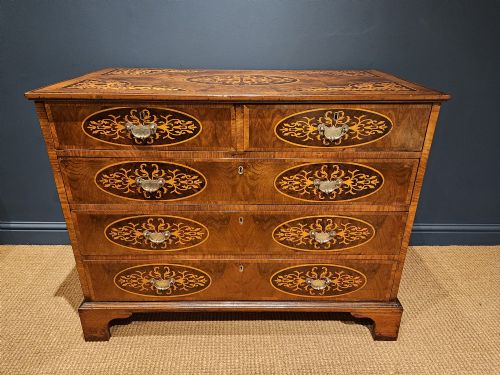
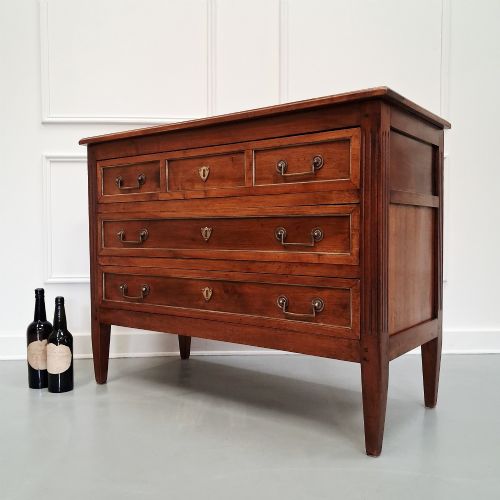
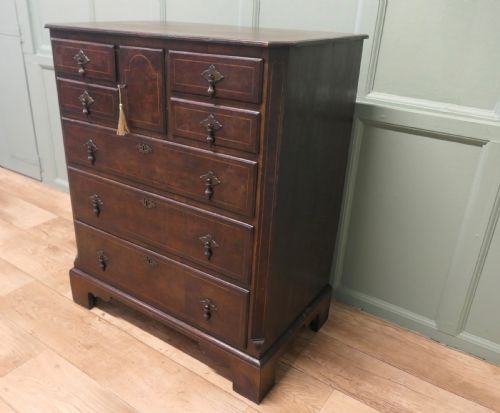
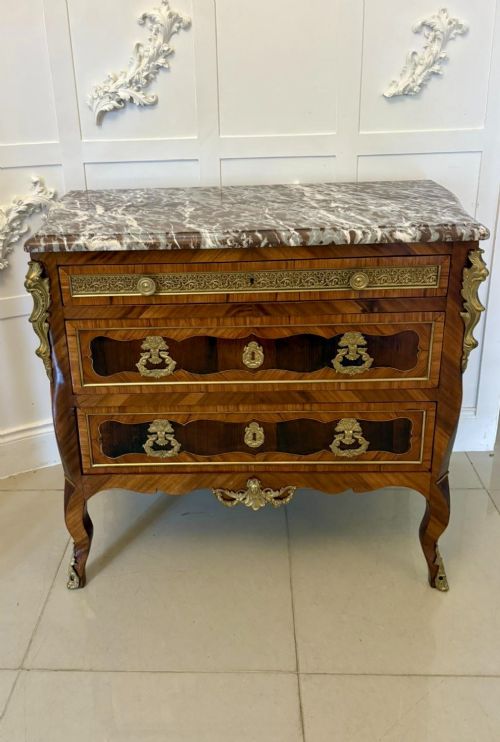
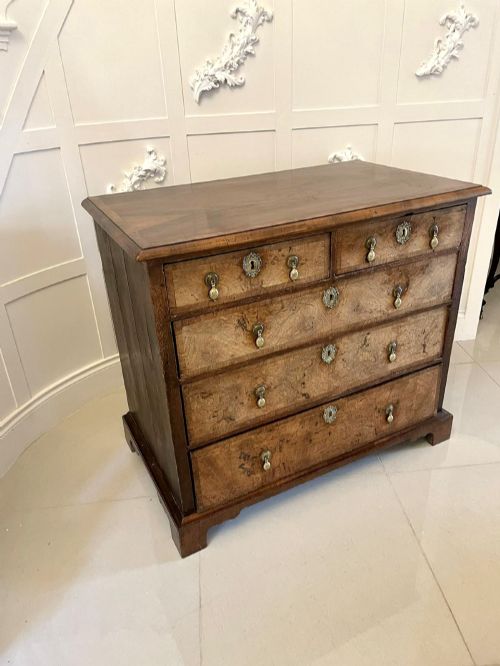
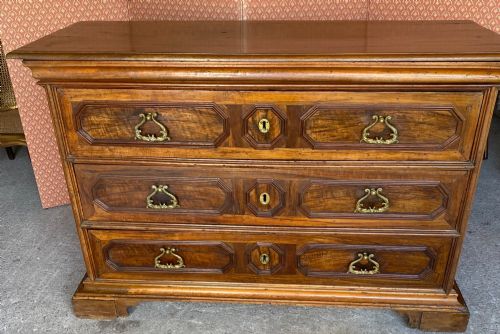
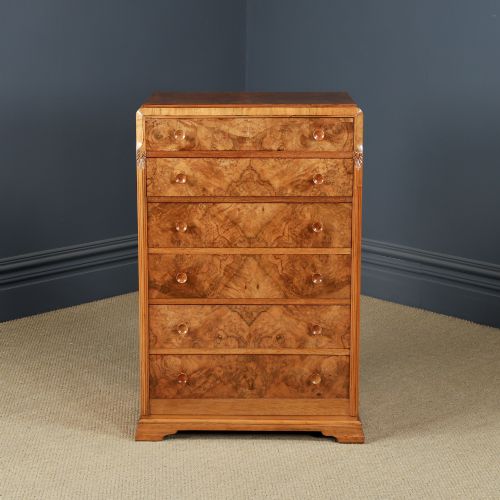
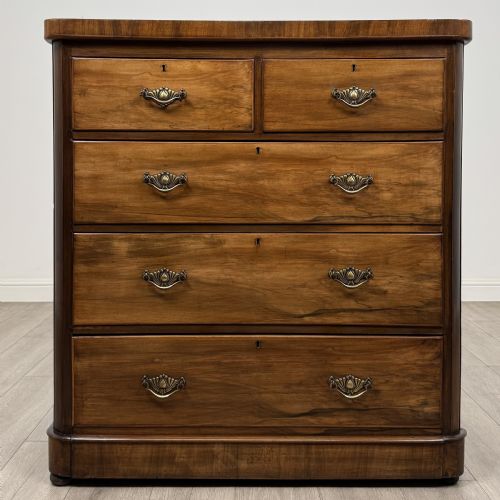
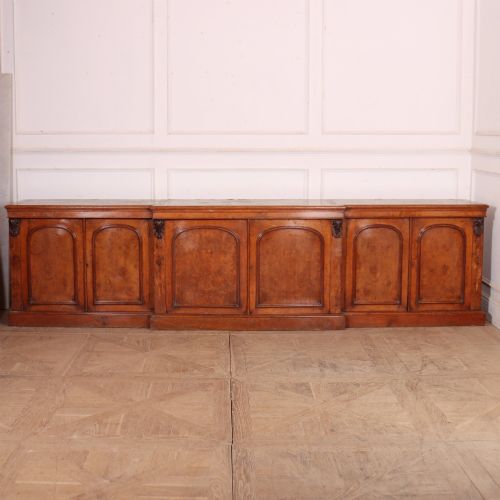
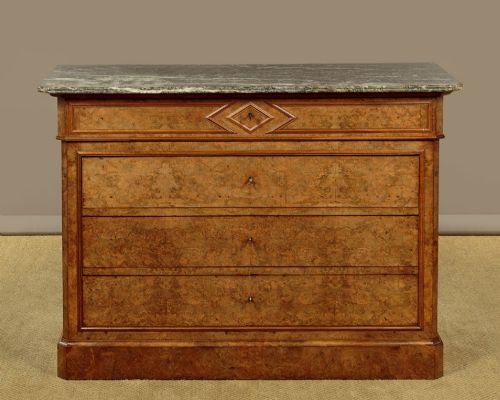
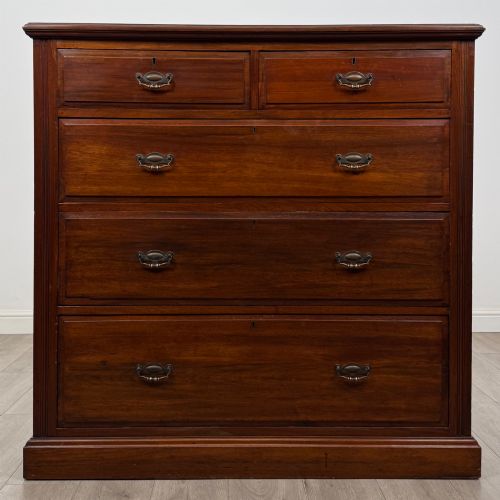
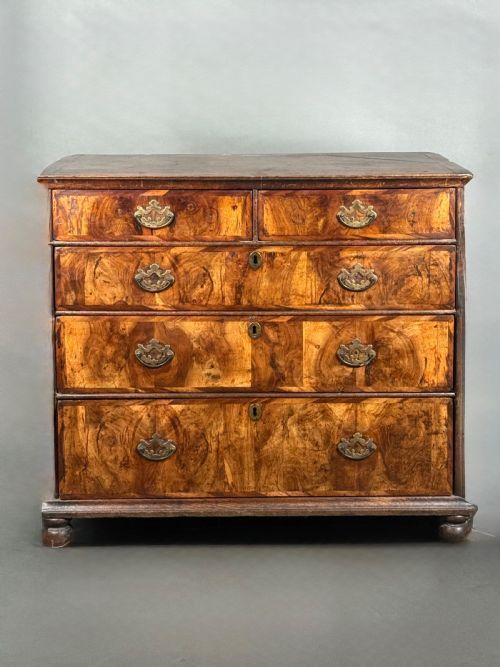
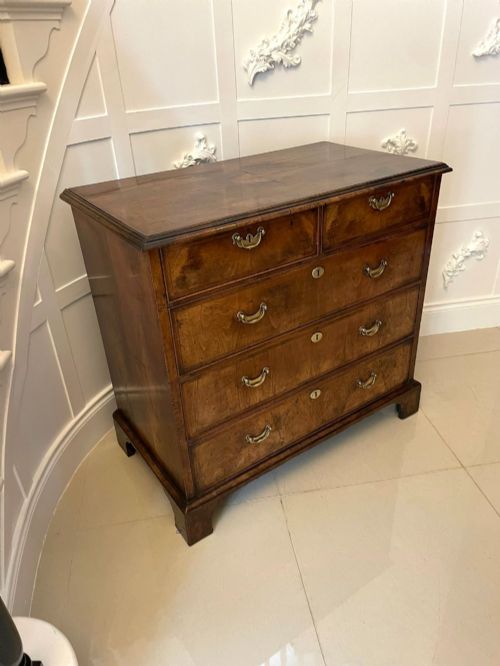
Walnut dresser storage primarily takes the form of chests of drawers, commodes, and sideboard bases spanning multiple historical eras from the 17th century through to Art Deco designs of the 1930s.
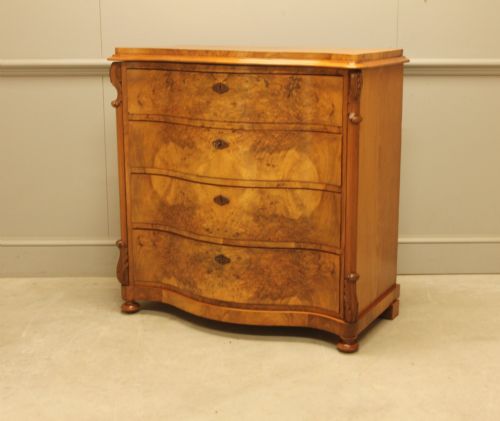
Buyers encounter distinct regional variations, including English George I and Queen Anne iterations, alongside French commodes, Italian chests, and Swedish serpentine pieces.
These items serve as functional storage solutions, combining wardrobe or linen organisation surfaces with decorative timber facades.
Materials and construction
Cabinet makers utilised solid timbers such as oak and pine for internal carcases and drawer linings, applying walnut, burr walnut, and figured veneers to external surfaces.
Decorative techniques involve elaborate veneer work, including oyster veneering and herringbone banding, complemented by brass hardware and occasionally marble tops.
Listings feature walnut dresser storage items incorporating brass hardware, marble, and oak secondary woods across Georgian, Victorian, and Art Deco periods.
Quality factors
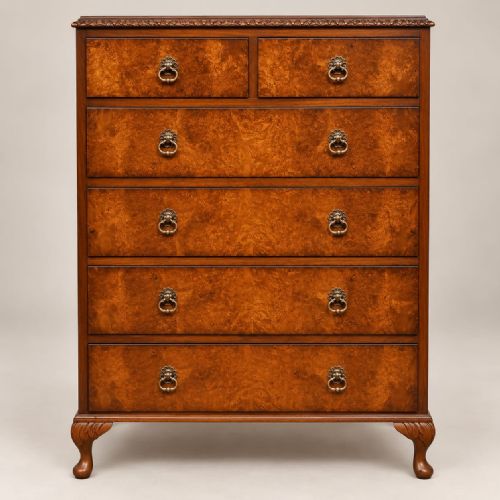
The sophistication of the timber veneer selection dictates the visual impact, ranging from plain walnut boards to highly figured burr patterns and intricate marquetry.
Structural integrity depends on period-appropriate joinery methods in the carcase and drawer construction, alongside the preservation of original brass handles and sliding panels.
Jas Shoolbred
The Walnut Dresser Storage Glossary
- Burr walnut
- A figured timber harvested from walnut tree growths that produces complex, swirling grain patterns. Cabinet makers prized this material for decorative drawer fronts.
- Herringbone banding
- A decorative inlay border formed by arranging small strips of veneer in a V-shaped pattern. This detail frames drawer perimeters on Georgian furniture.
- Commode
- A low French storage chest or cabinet fitted with drawers and frequently topped with marble. These pieces function as decorative storage in domestic interiors.
- Oyster veneering
- The practice of slicing branch wood transversely to create circular, oyster-shell-like patterns across a surface. It appears on late 17th-century pieces.
- Serpentine
- A curved furniture front characterised by a convex centre flanked by concave ends. This contour requires precise woodworking skill.
Walnut Dresser Storage: Frequently Asked Questions
How do I date a walnut chest?
Dating relies on observing construction methods, timber choices, and hardware styles across periods like the Georgian era or the 1930s. Secondary woods like oak or pine inside drawers offer clues to the origin.
Changes in handle design and foot style also help distinguish 18th-century pieces from Edwardian or Art Deco interpretations.
Are marble top commodes practical?
Marble top commodes offer durable, wipe-clean surfaces suitable for placement in bedrooms or hallways. The stone adds weight and structural presence to the storage unit.
Original marble slabs match the period of the commode carcase, whether 19th-century French or mid-Victorian.
How should I care for walnut furniture?
Protect walnut storage pieces by keeping them away from direct sunlight and steady heat sources to prevent veneer drying. Regular dusting with a dry cloth maintains the finish.
Occasional waxing preserves the moisture and lustre of historical timber surfaces.