

Walnut Display Cupboard
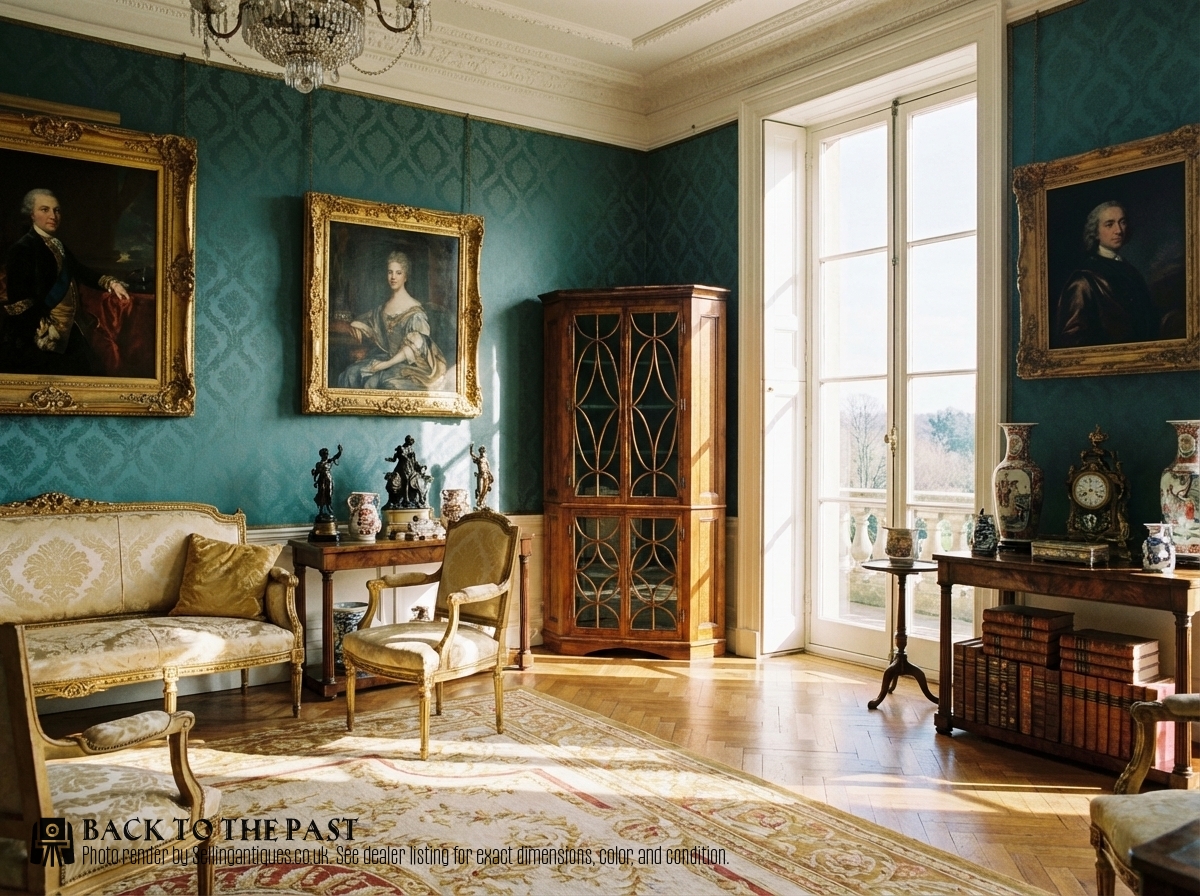
A walnut display cupboard brings warmth to a room while securely holding glassware and books behind glazed doors.
Walnut Display Cupboard
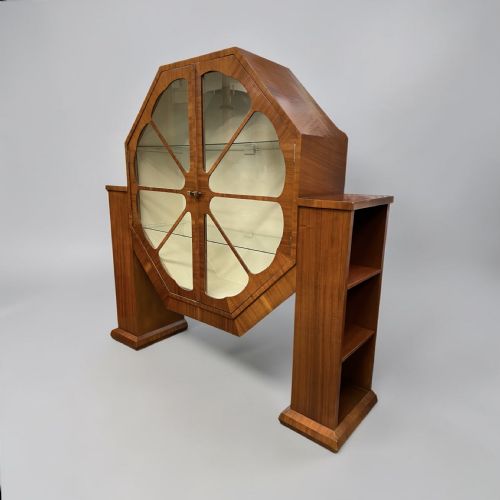
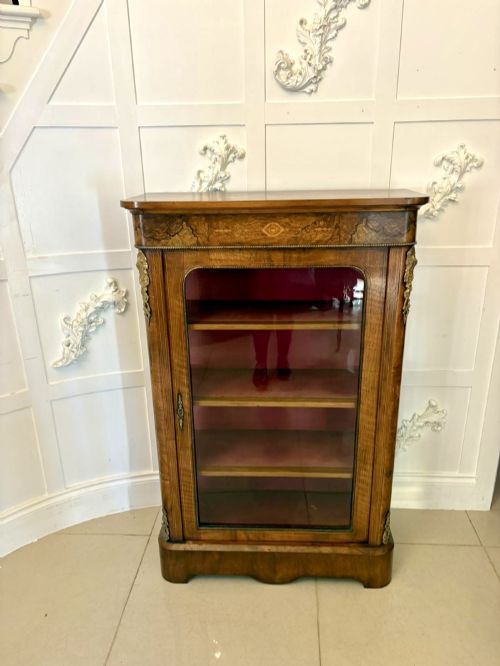
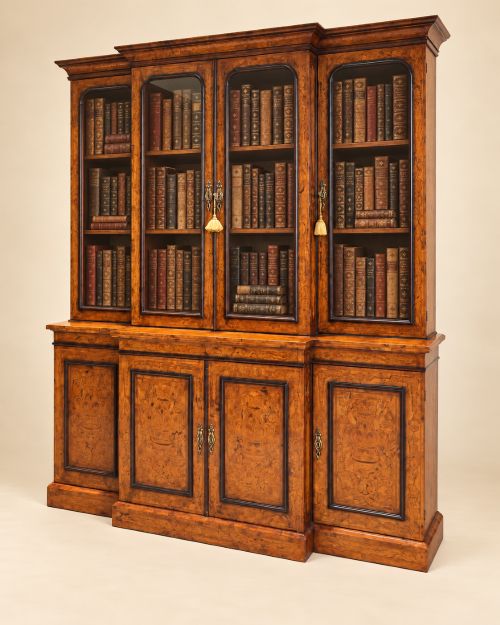
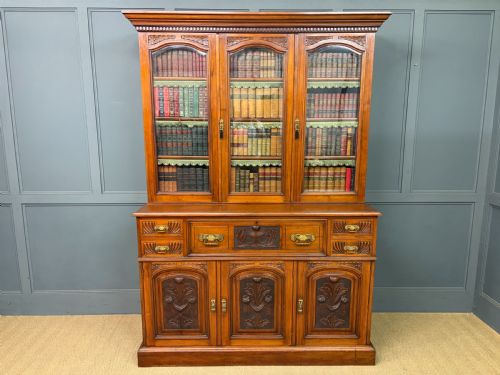
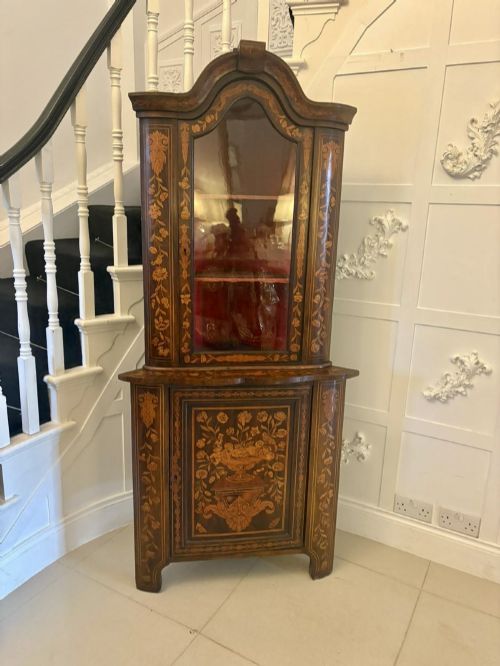
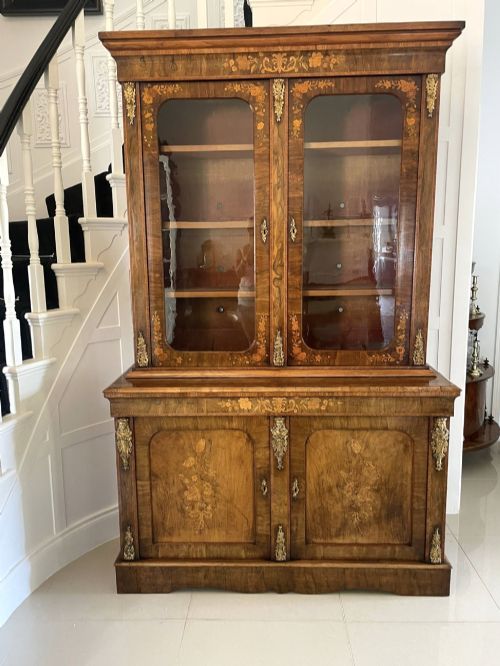
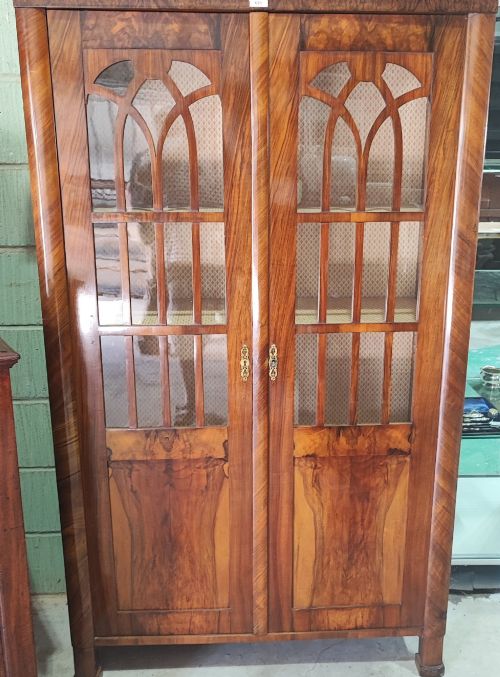
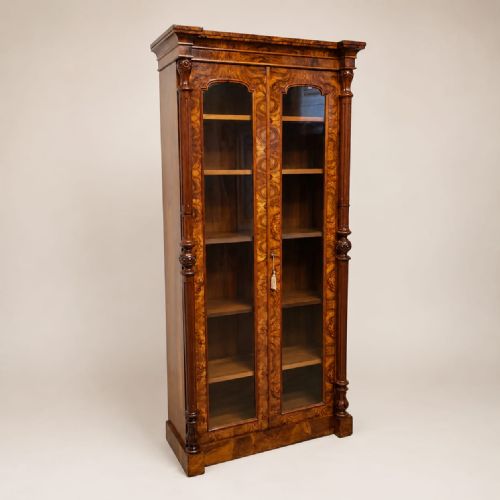
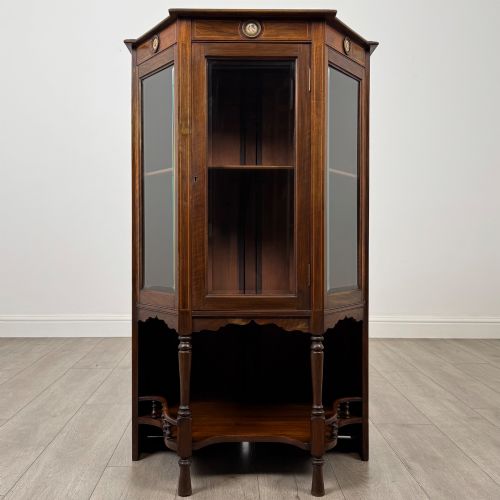
A walnut display cupboard combines timber framing with glass panels to show off prized possessions, appearing across periods from the seventeenth century to the twentieth century. These pieces take many structural forms, including tall glazed bookcases, low pier cabinets, corner cupboards, and smaller cabinets mounted on stands.
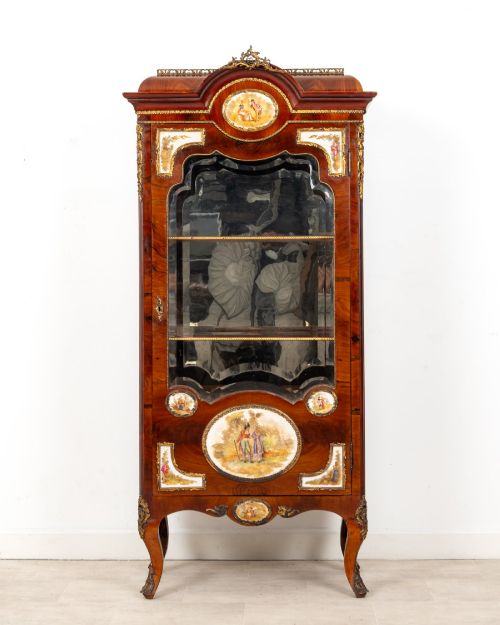
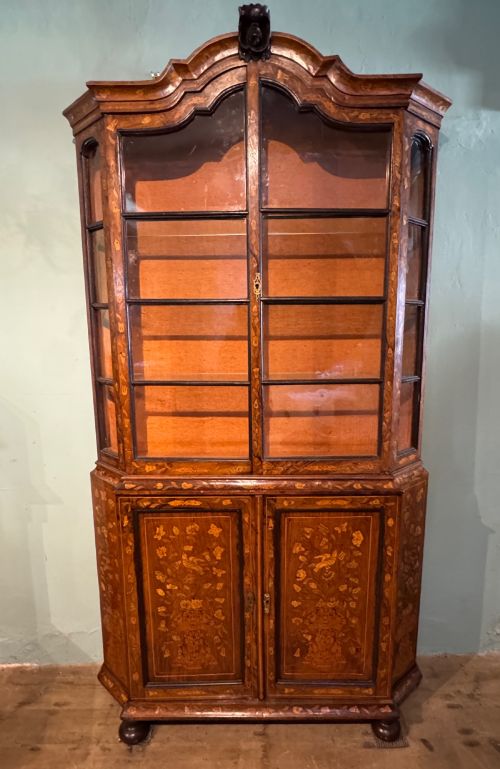
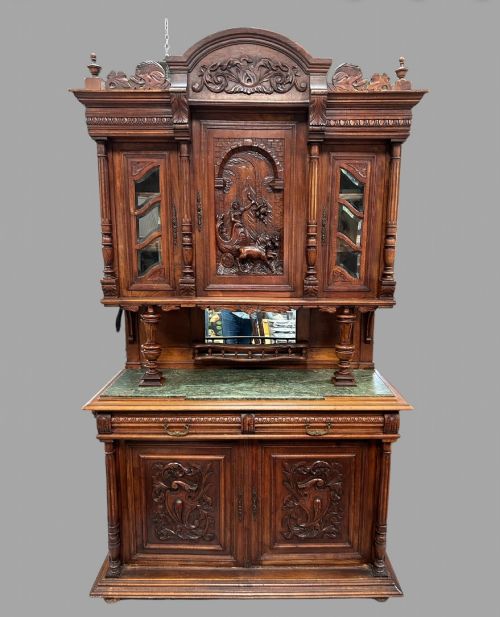
Victorian and Edwardian iterations dominate the selection, often utilising figured or burr veneers alongside glass and brass hardware. Buyers also encounter Continental examples, such as Dutch marquetry cabinets and French provincial dressers, which introduce distinct floral inlays and curved silhouettes.
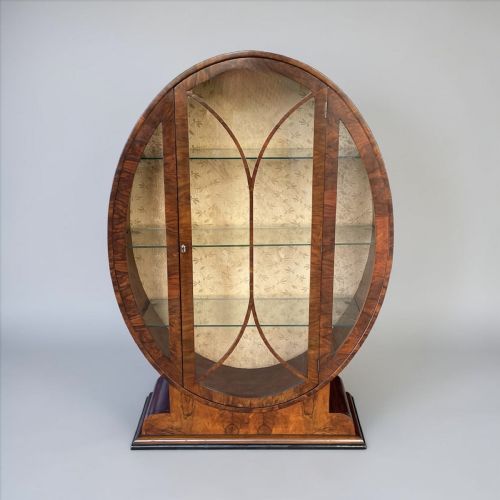
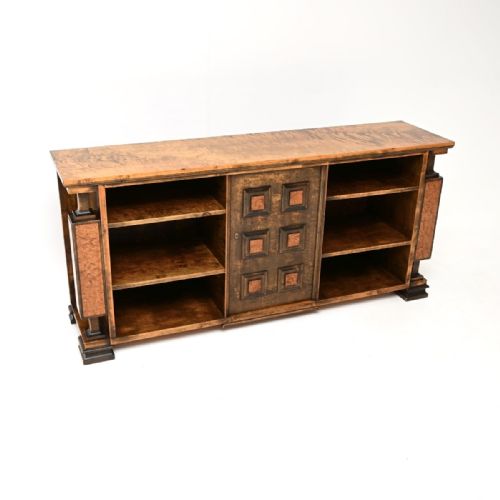
The assortment spans diverse revival movements, including Queen Anne, Dutch Baroque, and Louis XV styles, alongside later geometric Art Deco designs. Whether standing as a full-height breakfront bookcase or a petite wall-hung cabinet, each version serves the fundamental purpose of storage and exhibition.
Materials and technique
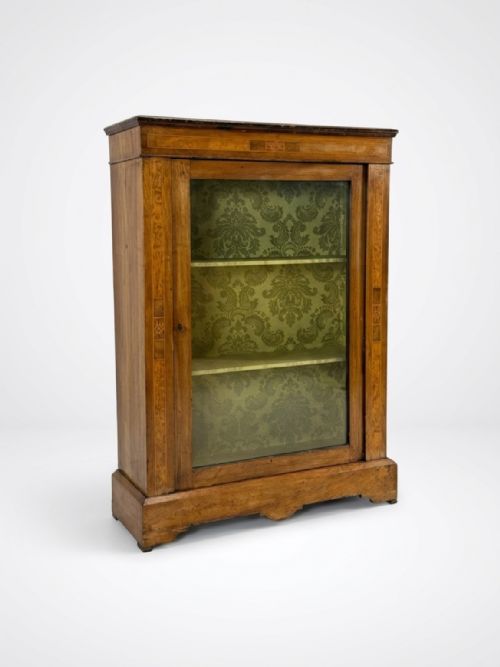
Cabinet makers constructed these pieces primarily using solid walnut or applying richly patterned burr walnut and figured walnut veneers over secondary timbers such as fruitwood. Marquetry decoration added intricate floral motifs using contrasting woods, occasionally complemented by pewter inlay.
Glazing bars divided the glass doors into geometric or curved panes, while brass mounts, ormolu details, and porcelain plaques provided decorative accents. Interior shelving frequently featured fabric or velvet linings to cushion displayed ceramics and glassware.
Walnut Display Cupboard Retail Price Guide 2026
Typical asking prices for walnut display cupboard among the pieces listed under this phrase on Sellingantiques today, from the lower quarter to the upper quarter. They describe what is for sale here now, not the wider market.
The listings span eight distinct decades of manufacture, running from seventeenth-century Dutch Baroque pieces through to 1930s Art Deco designs.
Evaluating the craftsmanship
Quality rests in the selection of the timber veneer, where dense burr patterns and symmetrical grain matching indicate superior cabinet making. The precision of marquetry work and the crispness of carved ornamentation further separate standard utility pieces from exceptional commissions.
Structural integrity shows in the fit of the glazed doors, the smooth operation of drawers, and the retention of original brass hardware or ormolu mounts. Finer examples display meticulous attention to interior fittings, such as adjustable shelving and high-grade fabric linings.
The Walnut Display Cupboard Glossary
- Burr walnut
- A wood cut from the abnormal growth of a walnut tree, yielding swirling, highly decorative grain patterns. Furniture makers prized this timber for high-status cabinet facades.
- Marquetry
- The art of applying decorative veneer pieces to a structure to form detailed pictures or patterns. Dutch makers frequently employed floral motifs using this technique.
- Pier cabinet
- A low freestanding cabinet designed to sit against the wall space between windows. These Victorian forms typically featured glazed doors and gilt metal mounts.
- Ormolu
- Gilded bronze furniture mounts used to accent corners, friezes, and feet. This decorative technique added rich metallic contrast to dark wood surfaces.
- Breakfront
- A furniture facade where the central section projects forward from the flanking wings. This architectural arrangement created visual depth in larger bookcases and cabinets.
Walnut Display Cupboard: Frequently Asked Questions
How do I clean the glass?
Use a soft microfiber cloth and a mild glass cleaner sprayed onto the cloth rather than directly onto the cabinet. This prevents moisture from seeping into fragile antique wood frames or damaging old veneer.
Take care near original glazing putty and delicate wood mouldings. Gentle wiping preserves both the clarity of the glass and the integrity of the surrounding structure.
Where should I place it?
Position your cabinet away from direct sunlight and heat sources to protect the walnut veneer from drying and cracking. Stable indoor humidity keeps wood stable and prevents the shrinkage of glue joints.
Corner cupboards make efficient use of difficult angles in smaller rooms. Freestanding pier cabinets anchor empty wall spaces effectively.
How do I spot a reproduction?
Examine the interior secondary woods, drawer construction, and screw types to understand the manufacturing era. Machine-cut elements and modern adhesives point to twentieth-century or later copies.
Genuine period pieces show honest wear, hand-cut joinery, and consistent ageing in the timber and finish. Compare the style of the mounts and hinges against documented historical examples.