
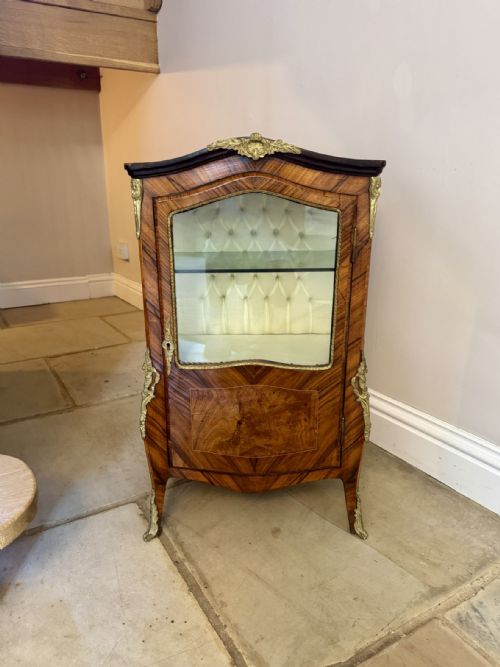

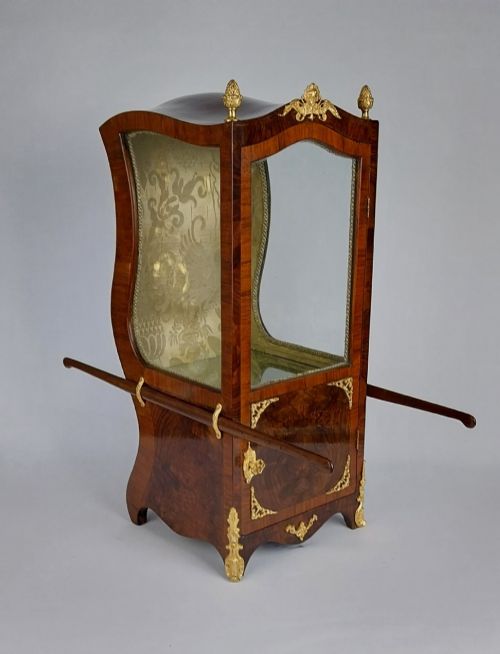


Ormolu Walnut Vitrine
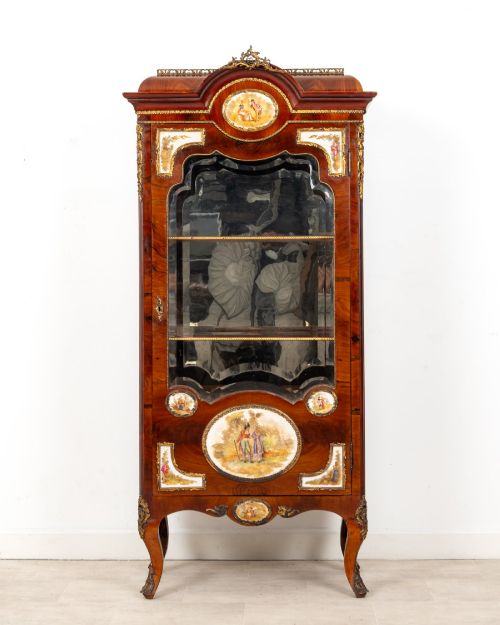
An ormolu walnut vitrine brings together warm figured wood and chased gilt metal mounts to display treasured objects inside glazed glass cases.
Ormolu Walnut Vitrine
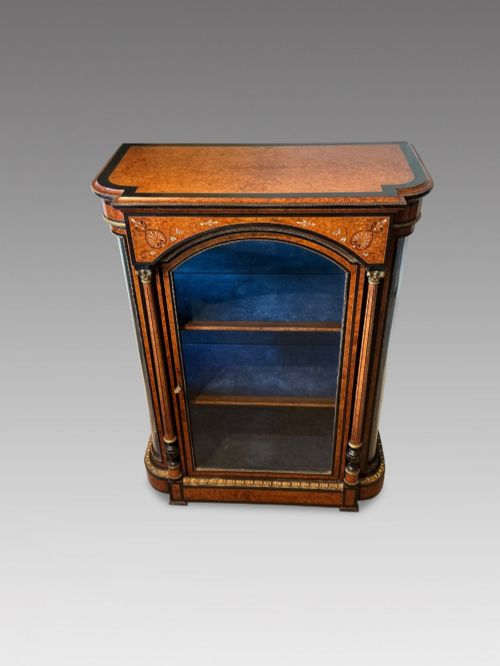
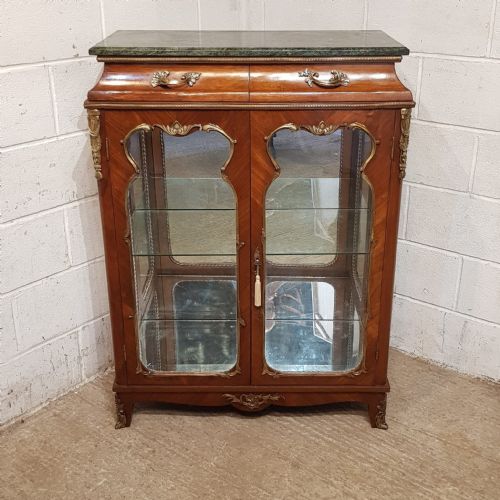
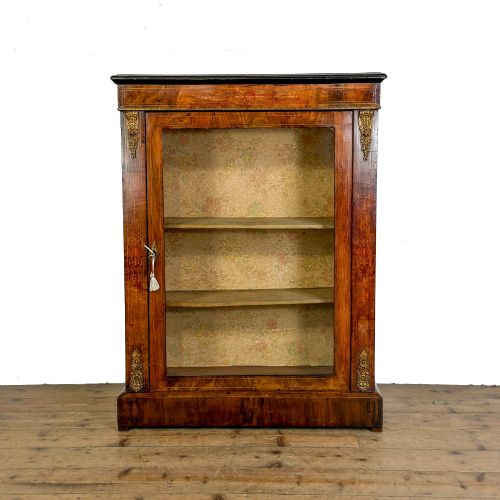
An ormolu walnut vitrine is a glazed display cabinet designed to showcase porcelain, small antiques and fine decorative items in a drawing room or parlour. Buyers seeking this phrase encounter pieces ranging from compact Victorian pier cabinets and corner units to large French Louis XV revival vitrines.
The material palette relies heavily on rich walnut veneers, burr walnut and kingwood, augmented by gilt brass and ormolu mounts. Dating spans the Victorian and Edwardian eras alongside nineteenth-century French workshops.
Forms include single-door floor cabinets, serpentine fronts, table-top bijouterie cases and marble-topped display cupboards. The French influence appears strongly in Louis styles and rococo revival details.
What varies in quality
The crispness and depth of the ormolu casting separate ordinary production from superior examples, as better mounts display sharp chiselling rather than soft, blurred details. Timber selection also dictates grade, with highly figured burr walnut and intricate marquetry requiring greater skill from the cabinet maker.
Structural integrity depends on the precision of the mitred joints, the flatness of large veneered panels, and whether the original glass and velvet linings survive intact.
Cabinets span Victorian and Edwardian periods alongside nineteenth-century French Louis XV and XVI revival styles.
Linke
The Ormolu Walnut Vitrine Glossary
- Ormolu
- Gilt bronze mounts applied to furniture. This technique involves coating cast brass or bronze in a gold amalgam and heating it.
- Pier cabinet
- A low cabinet designed to fit against the wall space between windows. These pieces often feature glazed doors and elaborate marquetry.
- Vitrine
- A glass-fronted display cabinet intended for the exhibition of small ornaments and porcelain. The term derives from the French word for glass.
- Bijouterie table
- A glazed display table with legs, used for holding jewellery and small curiosities. They often have hinged lids lined with velvet.
- Marquetry
- Inlaid patterns of wood veneers applied to a furniture surface. Craftsmen cut contrasting timbers to form pictorial or scrollwork designs.
Ormolu Walnut Vitrine: Frequently Asked Questions
What is an ormolu walnut vitrine used for?
These cabinets were designed to display porcelain, silver and small collections behind protective glass doors. They kept dust away while allowing guests to admire decorative items in principal rooms.
Today, they serve the same purpose in domestic interiors, holding curated groups of ceramics, glass or curiosities.
How do I date an ormolu walnut vitrine?
Dating relies on stylistic clues, construction methods and timber choices found across nineteenth-century and early twentieth-century examples. Victorian pieces often show distinct marquetry and architectural cornices, while French revival cabinets display rococo curves.
Examining the backboards, screw types and interior linings helps confirm the period of manufacture.
Where should I place a vitrine at home?
A vitrine requires a stable spot away from direct sunlight, which can fade interior fabrics and delicate wood veneers. Placing the cabinet against a solid wall in a drawing room, dining room or hallway protects it from foot traffic.
Because many examples feature glass side panels, positioning them where light can pass through enhances the visibility of displayed items.
How do I care for walnut and ormolu?
Walnut benefits from occasional light waxing to nourish the grain and maintain a soft sheen. Avoid silicone polishes and keep the wood away from extreme temperature changes that cause timber to split.
Ormolu mounts should be dusted gently with a dry, soft brush without using metal cleaners that strip the gilt surface.