

Victorian Narrow Bookcase
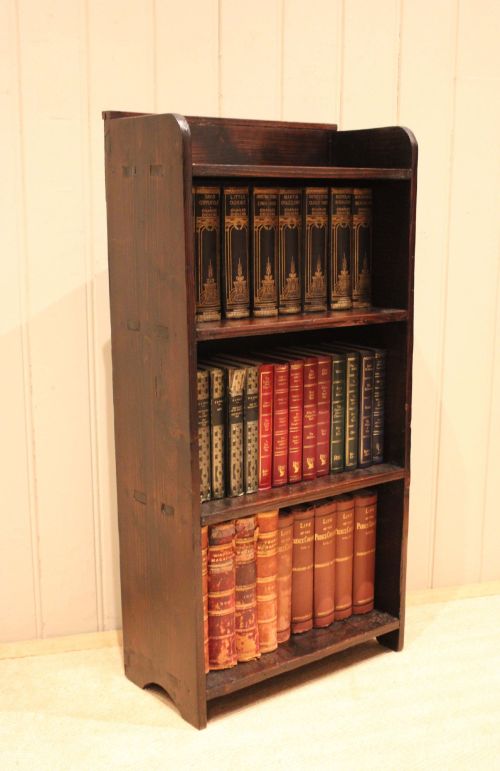
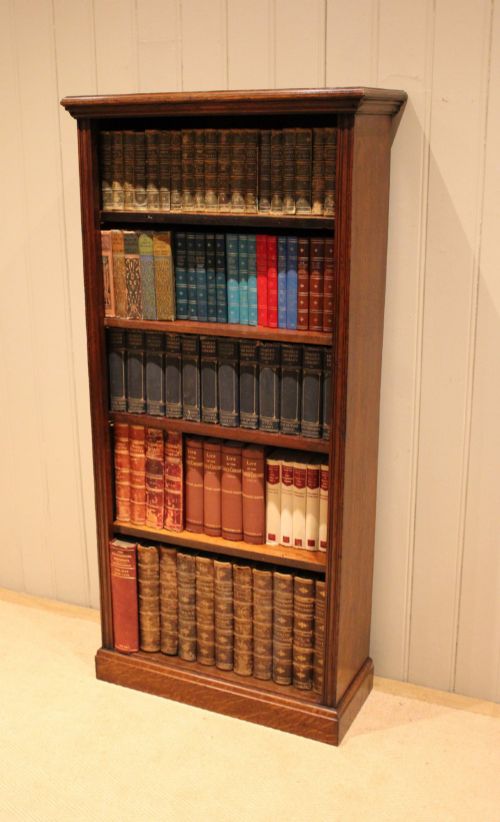
When you need a victorian narrow bookcase, you are looking at upright timber furniture built to hold volumes in confined spaces.
Victorian Narrow Bookcase
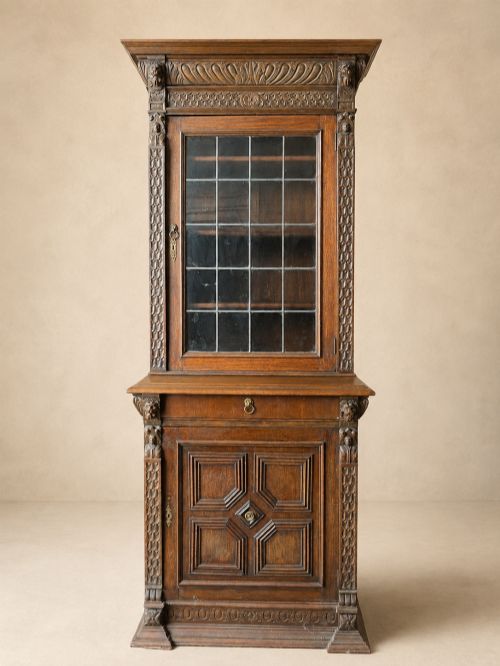
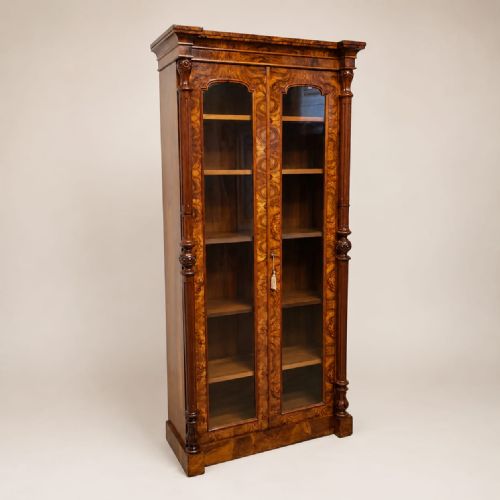
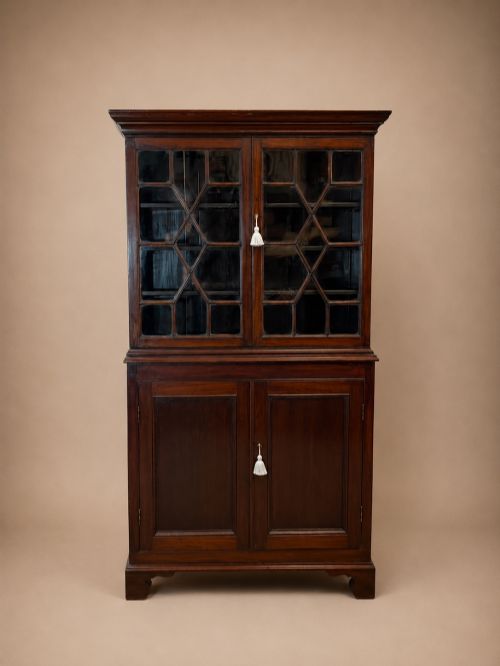
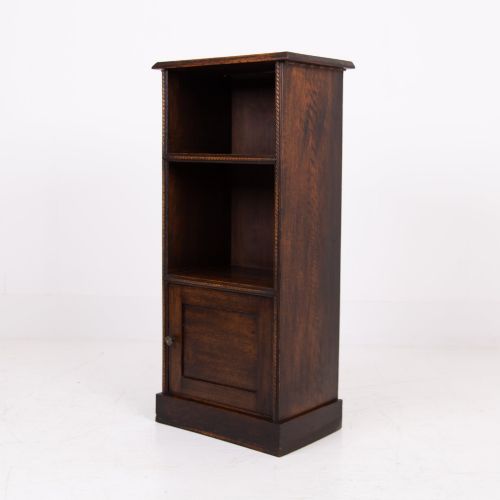
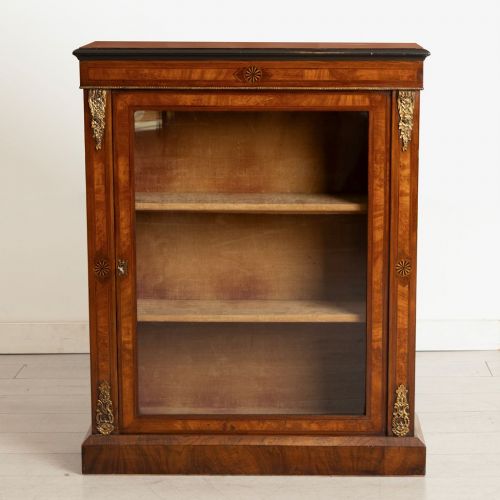
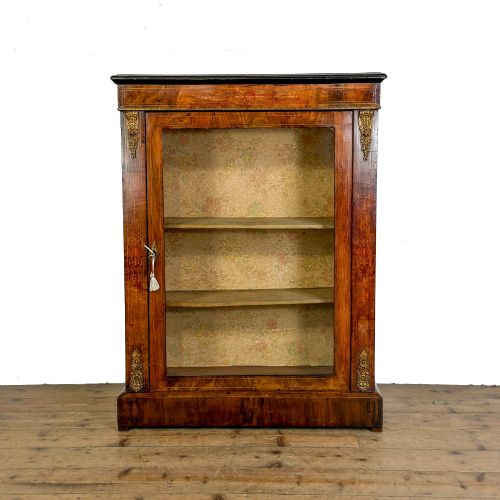
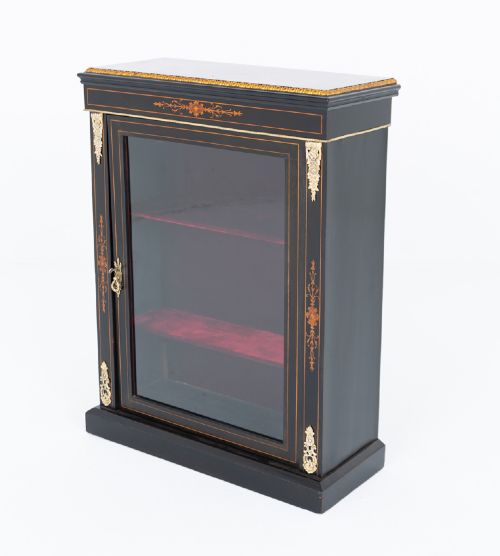
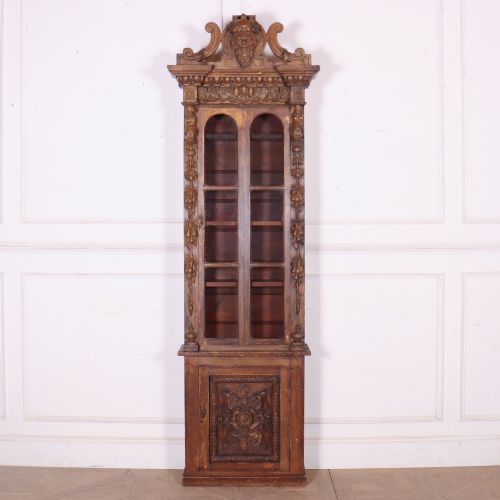
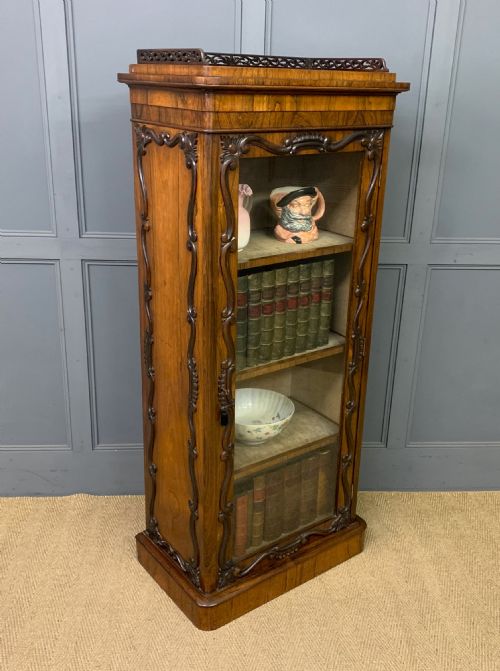
A victorian narrow bookcase typically appears as an open shelf unit, a glazed display cabinet, or a tall library piece designed for compact rooms. The evidence records examples spanning the nineteenth century, with variations in height and depth to fit specific interior layouts.
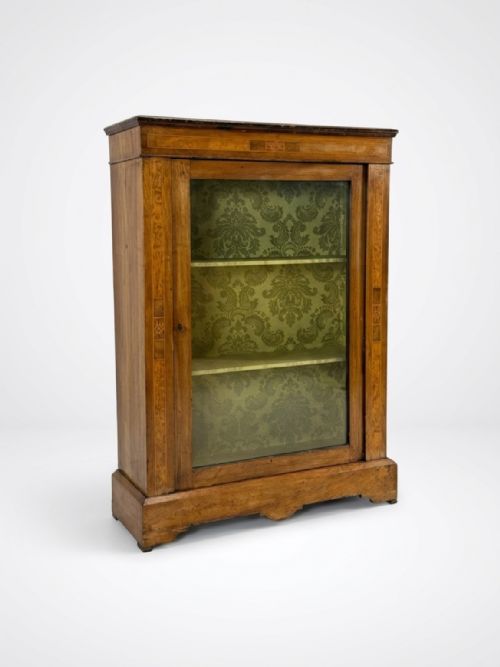
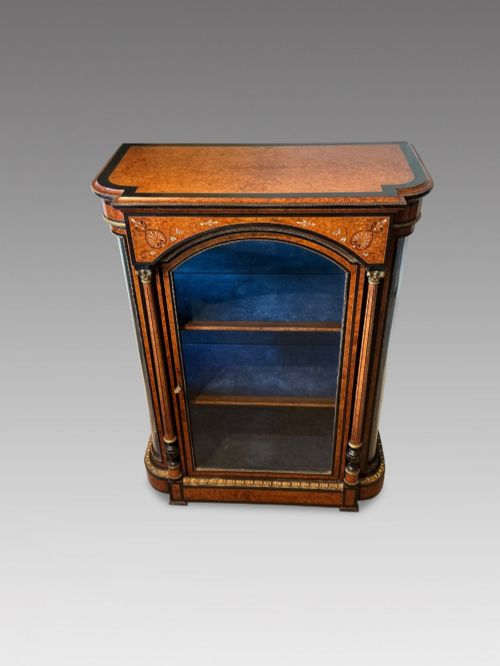
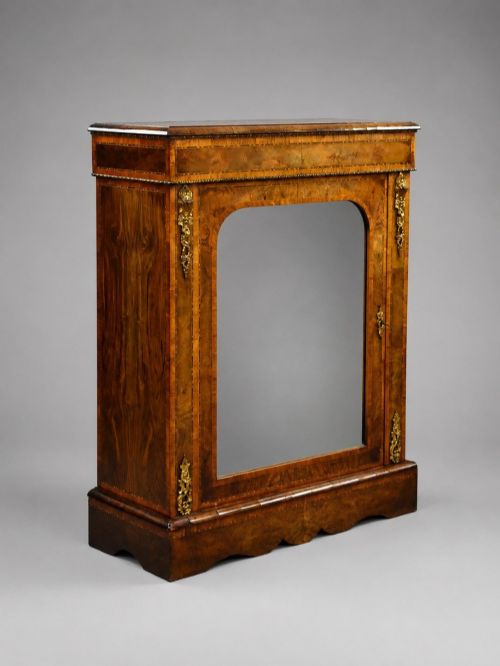
Many items combine open shelving with lower cupboards, while others take the form of glazed pier cabinets or freestanding stands. These pieces originate from the Victorian and Edwardian eras, incorporating regional timbers such as mahogany, walnut, and oak.
Materials and Technique
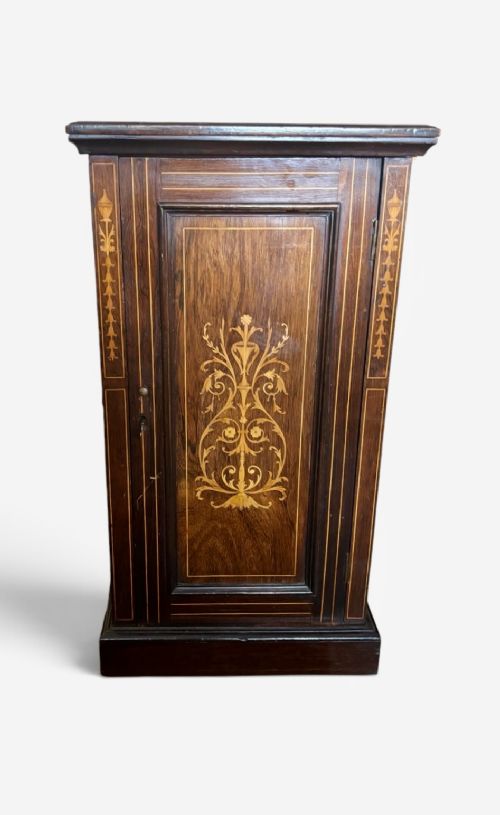
Cabinet makers utilised dense hardwoods like mahogany and walnut, frequently applying burr veneers or marquetry inlay to enhance the primary surfaces. Brass mounts, glass door panels, and ormolu details appear on finer items from the period.
Construction methods include adjustable shelving systems, turned feet, and original castors, alongside hand-carved decorative elements in oak and pine.
Victorian Narrow Bookcase Retail Price Guide 2026
Typical asking prices for victorian narrow bookcase among the pieces listed under this phrase on Sellingantiques today, from the lower quarter to the upper quarter. They describe what is for sale here now, not the wider market.
Some nineteenth-century pier cabinets include concealed compartments for secret correspondence behind decorative veneer panels.
Judging Quality
Quality rests upon the selection of timber veneers, such as burr walnut or satinwood, and the precision of the marquetry or string inlay. Secondary woods inside the carcass and the crispness of carved details reveal the standard of workshop execution.
The integration of original fittings, including brass hardware, glass panes, and working locks with keys, elevates an item above standard utility furniture.
James Winter
The Victorian Narrow Bookcase Glossary
- Pier cabinet
- A low freestanding cabinet designed to stand against a narrow wall space between windows. These often feature glazed doors and decorative inlay.
- Ormolu
- Gilded bronze mounts applied to furniture as decorative enrichment. This technique adds metallic contrast to dark cabinet timbers.
- Marquetry
- Elaborate decorative patterns formed by fitting together small pieces of veneered wood. It appears on the doors and friezes of finer cabinets.
- Ebonised
- Timber treated with a dark finish to imitate ebony. This treatment was popular for Victorian display furniture.
Victorian Narrow Bookcase: Frequently Asked Questions
Where did people place narrow bookcases?
These compact pieces suited smaller Victorian parlours, studies, and bedrooms where floor space was limited. Their reduced depth allowed them to fit into alcoves or between architectural openings.
Library spaces also utilised tall narrow formats to maximise vertical wall storage for reference volumes without blocking walkways.
How do I spot a later copy?
Examine the timber shrinkage, backboards, and interior fixings to understand the age of the piece. Machine-cut screws and modern adhesives indicate twentieth-century interventions rather than nineteenth-century hand construction.
Original items show consistent tool marks and timber oxidation appropriate to the Victorian or Edwardian periods.
Are the shelves adjustable?
Many library and open shelf formats incorporate adjustable wooden supports using rack-and-pinion or traditional wooden peg systems. This allowed owners to alter shelf heights for different volume sizes.
Fixed shelving is more common in smaller pier cabinets and glazed display pieces built for decorative contents.
How should I care for walnut veneer?
Keep nineteenth-century walnut and mahogany surfaces away from direct sunlight and strong heat sources to prevent veneer lifting. Regular dusting with a dry lint-free cloth preserves the polished finish.
Avoid liquid polishes containing silicone, choosing traditional beeswax formulations instead to nourish the timber.