


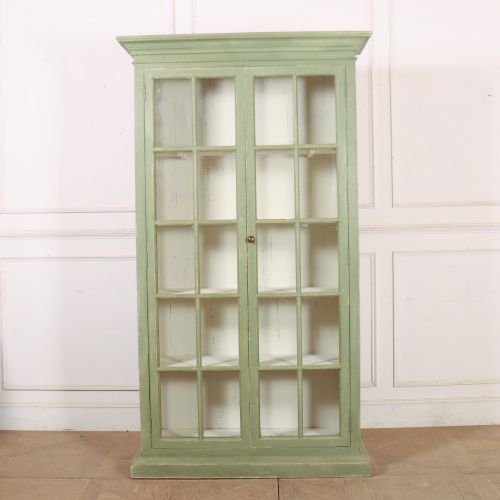


English Country Display Cupboard
An English country display cupboard brings rustic character and honest utility to a room, offering glazed or open shelving to showcase treasured possessions.
English Country Display Cupboard
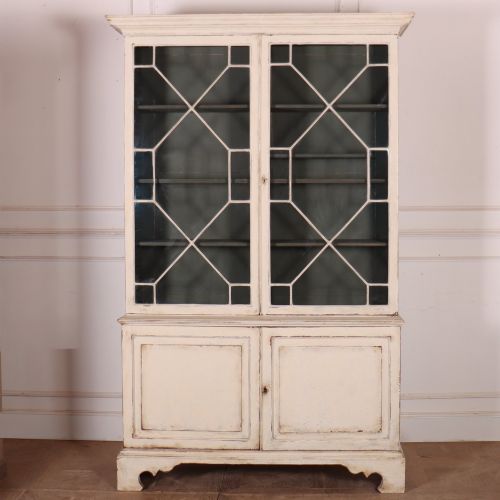
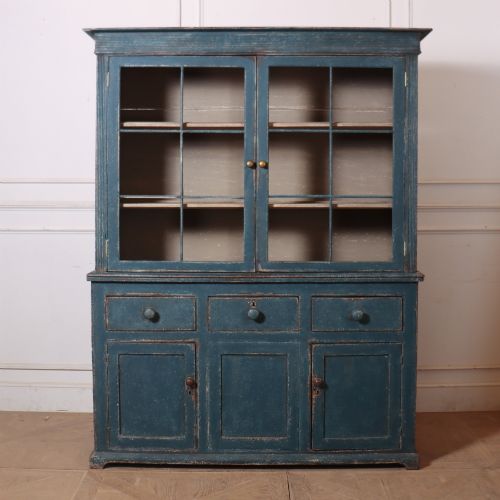
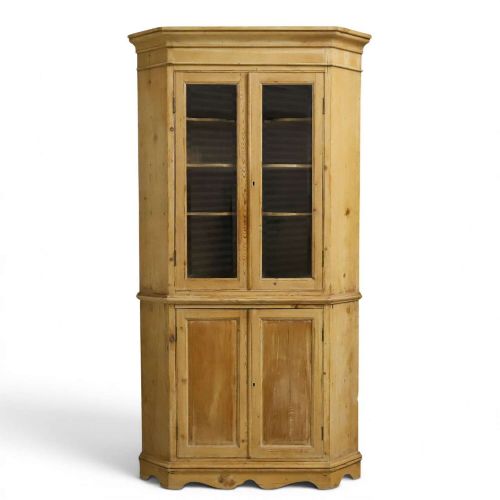
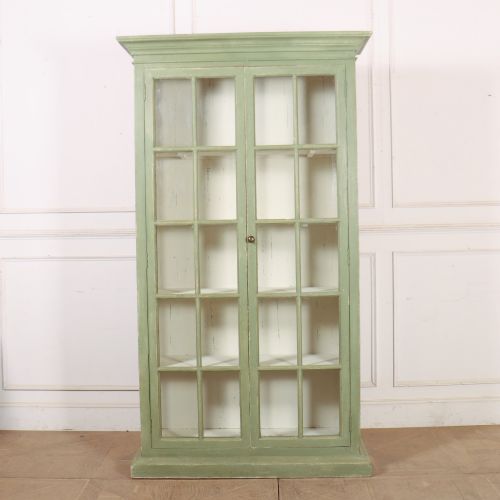
When you search for an English country display cupboard, you are looking at utilitarian storage pieces adapted for display, spanning kitchen dressers, corner cabinets, and glazed bookcases. These items originate predominantly from the eighteenth and nineteenth centuries, carrying the functional design of provincial domestic life.
The most common forms you will encounter on this page are kitchen dressers with upper display sections, pine corner cupboards, and painted bookcases. They range from compact wall-hanging units to substantial two-part breakfront cabinets designed for rural homes.
Regional variations emerge clearly across the listings, particularly West Country dressers that display distinct local cabinetry traditions. Pieces stretch from Georgian oak examples through to Victorian country house furniture and later painted pieces from around nineteen hundred.
Materials and construction methods
Makers relied primarily on native timbers such as oak, pine, and mahogany, often pairing solid structural woods with simpler secondary woods for internal elements. Surfaces frequently show historical painted finishes, including original paintwork in various tones, alongside polished timber grains and subtle crossbanded inlay.
Construction techniques prioritise practical durability, utilising traditional joinery suitable for heavy domestic use in rural settings. Glazed doors, brass hardware, and carved wooden bases appear across the pieces, combining utility with decorative restraint.
Listings feature oak, pine, and mahogany pieces spanning the Georgian period through the nineteenth century and into nineteen hundred.
Assessing quality and craftsmanship
Quality in these pieces rests upon the integrity of the timber selection and the retention of original surfaces, such as untouched early paint or patinated oak. Better examples exhibit balanced proportions and well-executed joinery that withstands centuries of domestic service.
The distinction between standard utility items and finer regional pieces lies in the subtlety of details, from refined cornices and crossbanding to original glass panes and authentic brass fittings. Alterations or stripped surfaces alter the character of a piece significantly.
The English Country Display Cupboard Glossary
- Breakfront
- A cabinet design where the central section projects forward from the flanking outer sections. This architectural arrangement adds depth and visual interest to larger bookcases and dressers.
- Crossbanding
- A decorative border technique where thin strips of veneer are laid with the wood grain running perpendicular to the surrounding surface. It frames panels and drawer fronts on finer Georgian furniture.
- Corner cupboard
- A specialised storage unit constructed with a triangular or angled footprint designed to fit snugly into a room corner. These pieces maximise rural floor space while offering display shelving.
- Dresser
- A multi-tier furniture form combining lower cupboards or drawers with an upper rack or glazed display cabinet. They served traditionally for both food storage and the presentation of ceramic tableware.
- Glazed door
- A frame fitted with transparent glass panels that protects display contents from dust while maintaining visibility. They characterise bookcases and display cabinets from the eighteenth century onward.
English Country Display Cupboard: Frequently Asked Questions
What is an English country display cupboard?
An English country display cupboard is a traditional storage and display piece originating from provincial workshops, encompassing dressers, corner cabinets, and glazed bookcases.
These items were built for everyday domestic use in rural homes, combining practical shelving with enclosed storage for household items.
How do I date an antique cupboard?
Dating relies on examining construction methods, timber choices, hardware, and stylistic details associated with periods like the Georgian era or the nineteenth century.
Secondary woods, nail types, and the presence of original paint or patination also provide clear indicators of a piece's age and origin.
Where were these cupboards originally used?
They were primarily used in the kitchens, dining rooms, and morning rooms of country houses, farmhouses, and provincial homes across England.
West Country pieces, for instance, reflect specific regional vernacular styles tailored to local rural living.
Are painted finishes original on these pieces?
Many cupboards feature historical or original paint finishes, particularly pieces originating from the nineteenth-century country house tradition.
Original paint survives through careful preservation, offering a distinct matte texture and colour depth that differs from modern decorative coatings.
How do I style a country cupboard at home?
These cupboards work well in modern or traditional interiors to display collections of ceramics, books, or glassware behind glazed or open shelving.
Their substantial timber forms and regional character anchor a room, providing functional storage while adding historical warmth.