


George I Revival Cabinet
These pieces for george i revival cabinet bring together period forms and later interpretations, offering practical storage with distinct historical character.
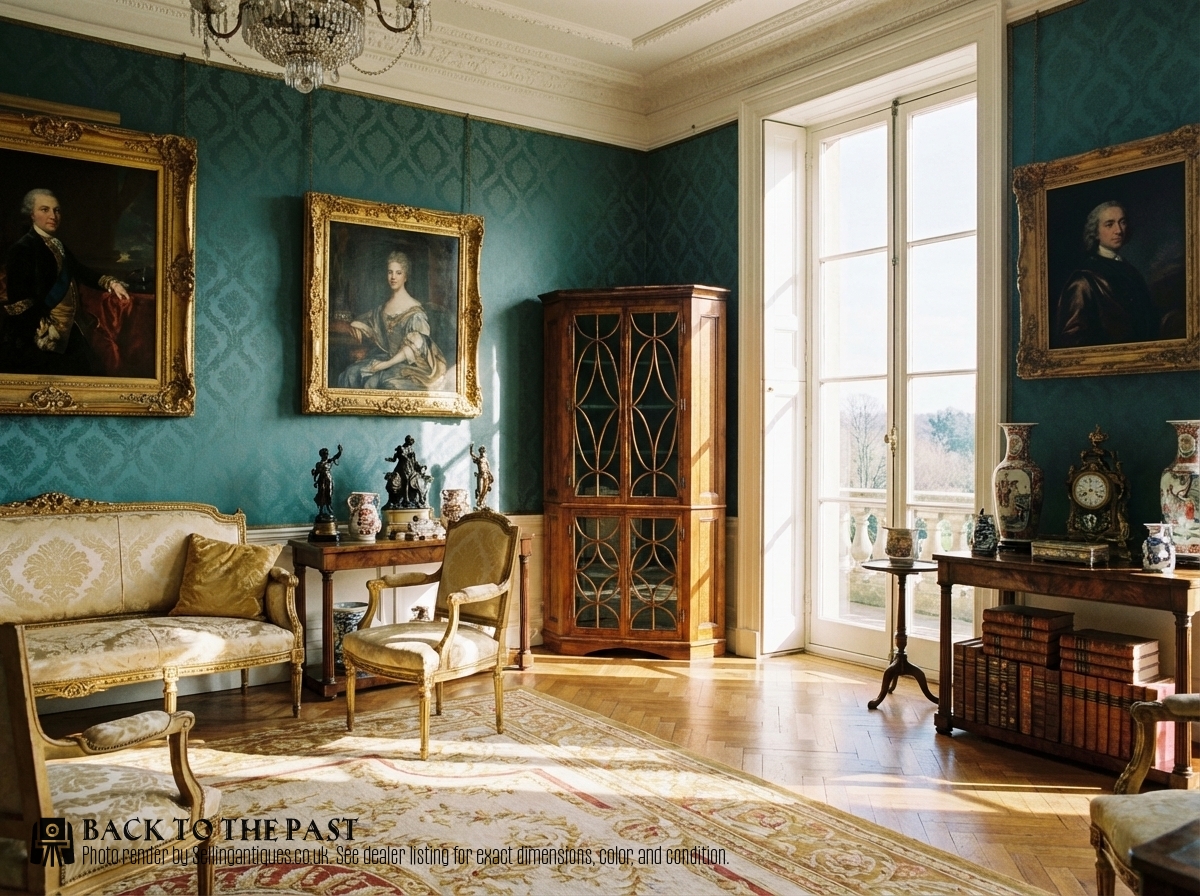
George I Revival Cabinet
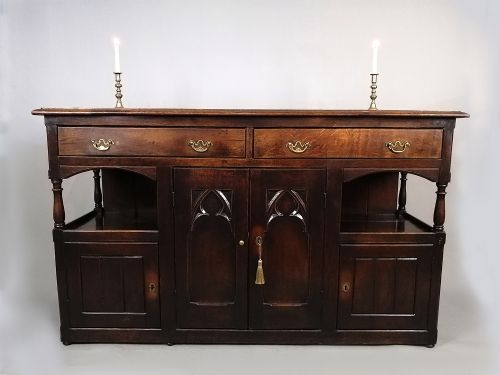
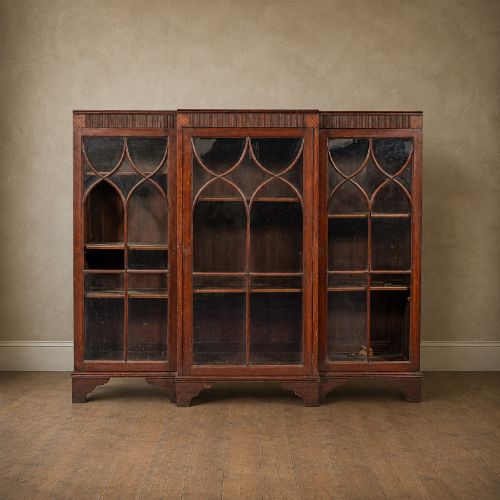
When you search for a george i revival cabinet, you encounter interpretations spanning the nineteenth century through to the mid-twentieth century, including pieces dated from eighteen seventy up to nineteen fifty. The forms range from walnut double corner-cabinets featuring ovoid and diamond interlaced glazing to cocktail cabinets veneered in burr walnut.
The selection on this page demonstrates how cabinetmakers drew upon earlier Georgian proportions while applying the construction methods and timber preferences of their own eras. These items serve as functional storage pieces that bring architectural presence into a room without requiring a true eighteenth-century pedigree.
Materials and construction
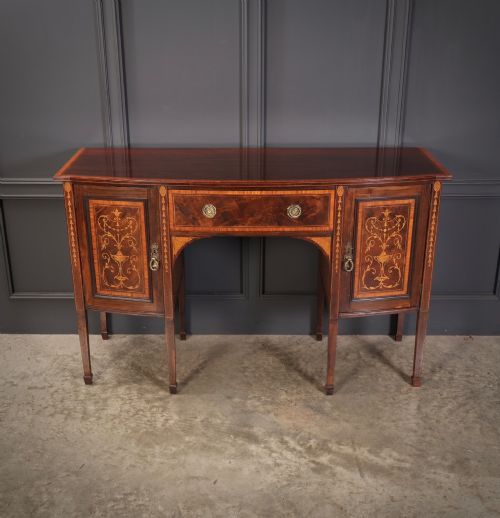
The construction relies heavily on cabinet timbers such as mahogany, walnut, oak, and rosewood, often enhanced with satinwood or ebonised timber for decorative contrast. Cabinetmakers employed solid woods alongside fine veneers, utilising burr walnut and marquetry inlay to create visual depth on doors and drawer fronts.
Glazing bars are shaped to form distinct geometric patterns, including ovoid and diamond interlaced designs, fitted into door frames alongside brass hardware. Internal shelving and compartments are constructed to suit the specific storage purpose of each piece, whether intended for books, linen, or glassware.
Object forms include glazed bookcases, corner cabinets, sideboards, desks, and cocktail cabinets.
Assessing quality
Quality in these cabinets rests upon the precision of the cabinetwork, the selection of timber veneers, and the integrity of the structural joinery. Finer examples display carefully matched veneer grains and crisply executed glazing bars that maintain their alignment over time.
The proportion of the piece and the restraint shown in decorative details distinguish the better workshops. Heavier or more mechanical execution yields a different character altogether, lacking the subtlety found in the more considered revivals.
George Edmund Street
The George I Revival Cabinet Glossary
- Glazing bar
- A wooden strip that holds individual panes of glass within a sash. These bars form geometric patterns across cabinet doors.
- Marquetry
- Decorative veneer work arranged in patterns or pictures using various coloured woods. It is applied to furniture surfaces to create ornamental designs.
- Quartering
- A method of cutting veneer where a log is quartered and sliced to produce symmetrical grain patterns. This technique enhances the decorative appearance of walnut surfaces.
- Serpentine front
- A furniture front curved with a convex centre flanked by concave ends. This contour adds movement and visual interest to side cabinets and sideboards.
George I Revival Cabinet: Frequently Asked Questions
What is a george i revival cabinet?
It is a storage piece produced in a later period that adopts the architectural styles, woods, and design motifs associated with the early eighteenth century. These items reflect the historicism popular in nineteenth and twentieth-century cabinetmaking.
They offer the aesthetic appeal of earlier furniture while utilising the manufacturing techniques and timber availability of their actual period of creation.
How do I date a revival cabinet?
Dating relies on examining the secondary woods, construction methods, hardware, and the specific style of revivalism present in the piece. Cabinetmakers during the Victorian and later eras often incorporated structural traits typical of their own time.
Comparing the timber preparation and jointing methods with dated examples helps establish the decade or century of manufacture.
Where should I place a cabinet?
These cabinets suit dining rooms, living spaces, or studies where their storage capacity and display glass can be utilised effectively. Placing them away from direct heat sources protects the timber veneers and polished finishes.
Ensure the floor surface is level so the doors and drawers operate smoothly within their frames.
How do I care for walnut and mahogany?
Maintain the timber surfaces by dusting regularly with a soft, dry cloth and avoiding silicone-based polishes. Applying occasional specialist wax nourishes the wood and preserves the depth of the finish.
Keep the room humidity stable to prevent the timber and veneers from movement or splitting over time.