
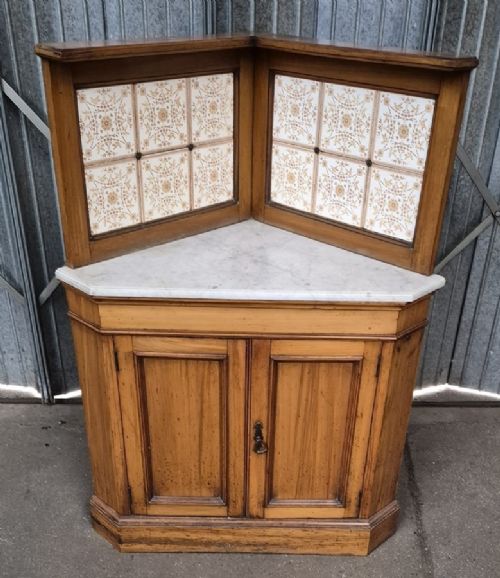


Victorian Walnut Corner Cabinet
These victorian walnut corner cabinets turn neglected angles into focal points through rich timber and disciplined joinery.
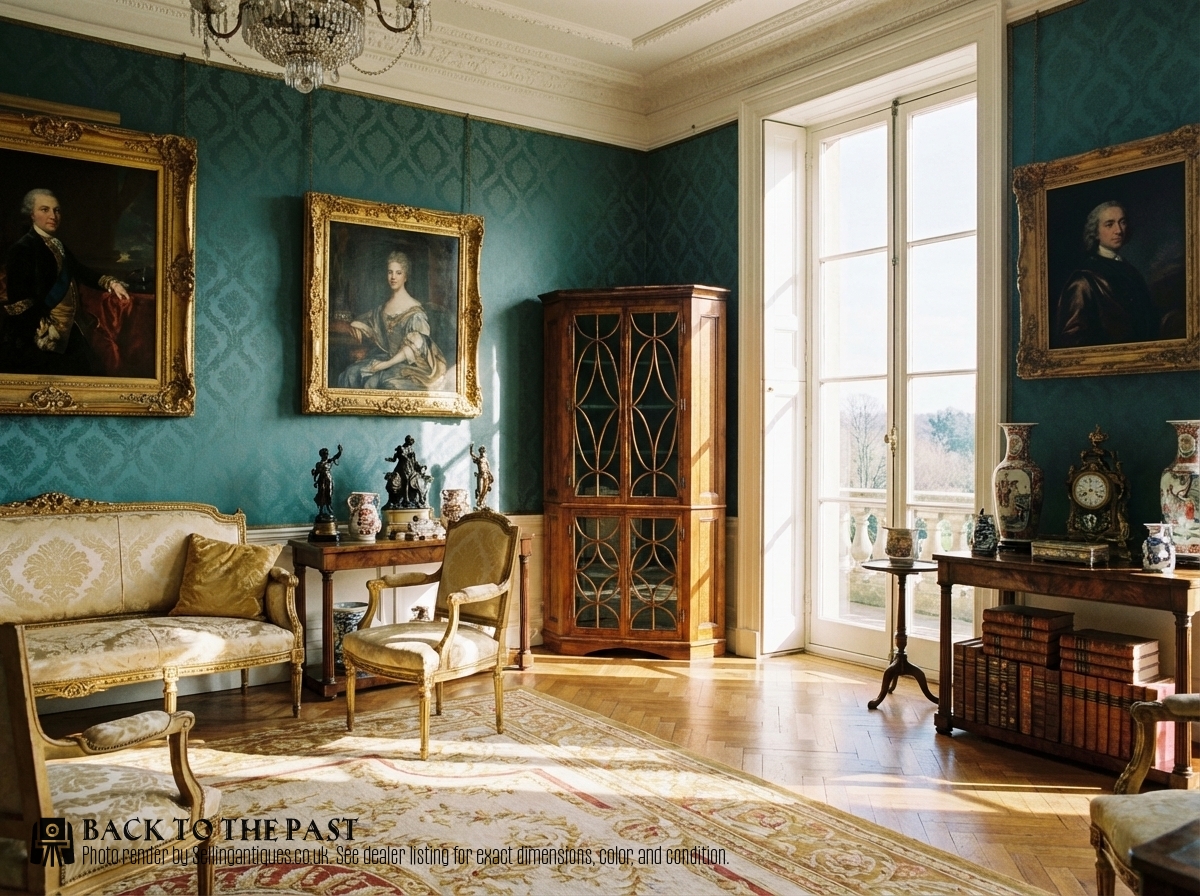
Victorian Walnut Corner Cabinet
A victorian walnut corner cabinet fits cleanly into domestic angles while offering display or storage space. The pieces seen here span standard wall cupboards, floor-standing units, and multi-tiered whatnots designed to use difficult room perimeters.
Most examples date across the nineteenth century, utilising figured timbers and dark grains. They appear alongside related forms like washstands, side cabinets, and chiffoniers that share the same foundational materials.
Makers and workshops varied the proportions significantly, producing everything from compact bow-front cupboards to tall display structures. The form adapts well to different interior layouts without dominating the floor space.
Materials and construction
Cabinet makers built these structures using solid walnut frames faced with burr or figured veneers. Boxwood and marquetry inlay often create geometric or floral detailing across the door panels and friezes.
Glazing takes simple or complex forms, including ovoid and diamond interlaced patterns held by wooden bars. Brass hinges, handles, and occasional ormolu mounts secure the moving parts and accent the dark timber.
Listings feature walnut, glass, brass, ormolu, boxwood, burr walnut, marble, and ceramic across nineteenth-century forms.
Assessing quality
Quality rests on the selection of the timber grain and the precision of the inlaid marquetry. Burr walnut surfaces with deep, active figuring command greater visual interest than plain stock.
The sophistication of the internal joinery and secondary woods dictates the cabinet's integrity over time. Refined glazing bars and well-fitted doors separate standard production items from ambitious workshop commissions.
Walker & Sons·Liberty & Co.
The Victorian Walnut Corner Cabinet Glossary
- Burr walnut
- A figured wood grain derived from tree growths, prized for its swirling patterns and rich texture. It appears frequently on door panels and prominent display surfaces.
- Marquetry
- The art of applying decorative pieces of veneer to a structure to form intricate designs. This technique often incorporates boxwood elements against the darker walnut background.
- Whatnot
- A multi-tiered open shelving unit used for displaying decorative objects and ceramics. Victorian examples often feature corner configurations to maximise awkward room layouts.
- Chiffonier
- A low sideboard or cabinet featuring storage cupboards beneath a display surface. These pieces share period design characteristics with standard corner cupboards.
- Glazing
- The glass panes fitted into cabinet doors to protect contents while allowing visibility. Better examples utilise complex wooden framing bars to divide the glass.
Victorian Walnut Corner Cabinet: Frequently Asked Questions
Where should I place a corner cabinet?
These cabinets suit empty room junctions where standard rectangular furniture wastes space. They anchor a neglected angle while drawing the eye upward.
Position them away from direct sunlight to protect the walnut veneer and inlay from fading over decades of use.
Can these hold heavy china?
Wall-hung versions depend entirely on secure wall fixings and solid internal brackets. Floor-standing variants carry weight easily through their structural frames.
Check the internal shelf supports before loading heavy ceramics or glassware onto upper tiers.
How do I clean walnut furniture?
Dust the surfaces regularly with a soft, dry cloth to prevent grit accumulation. Avoid modern silicone sprays that build up residue over time.
Apply a traditional wax polish sparingly when the timber appears dry, buffing it gently to maintain the natural sheen.
How do I date these cabinets?
Examine the secondary timbers inside the cabinet, the cut of the hinges, and the style of the inlay. Mid-century pieces often display simpler geometric patterns.
Later Victorian and revival pieces from the end of the century incorporate heavier revival styling or specific workshop labels.