


Walnut Desk with Bookcase
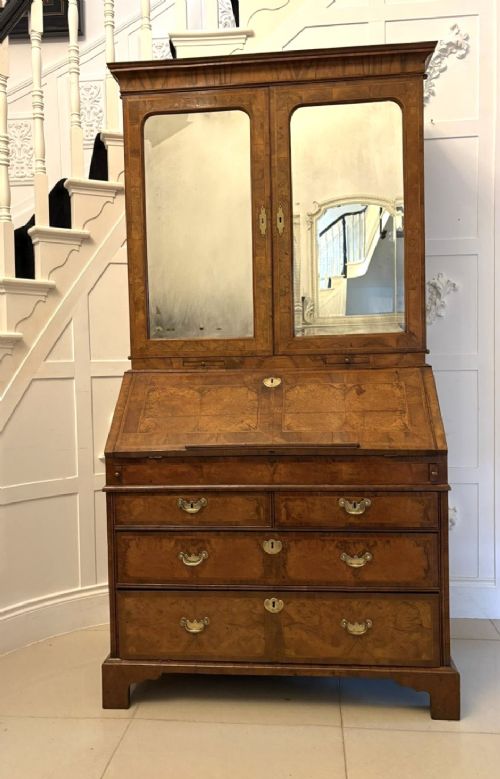
A walnut desk with bookcase combines a fitted writing compartment with an enclosed upper library, offering timeless utility for the collector.
Walnut Desk with Bookcase
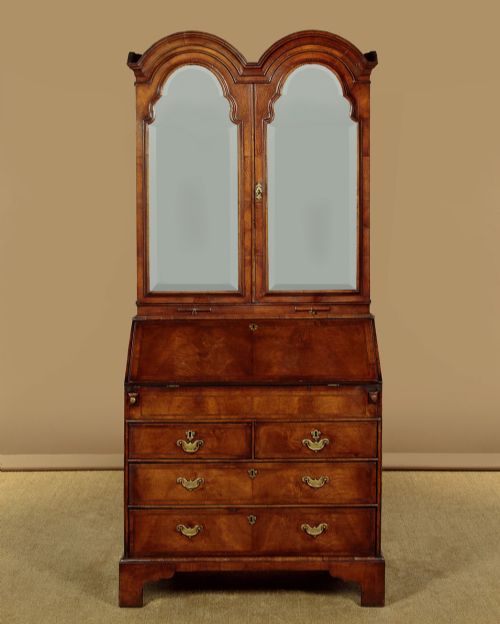
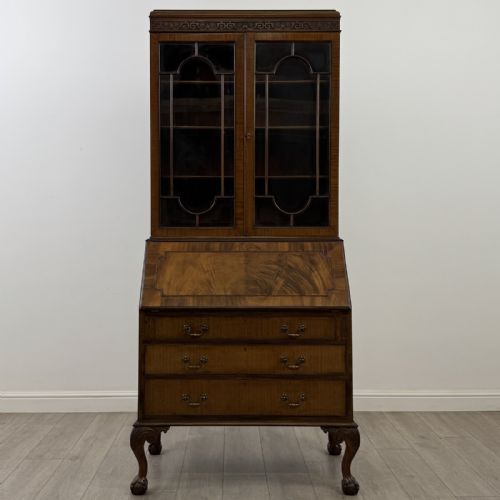
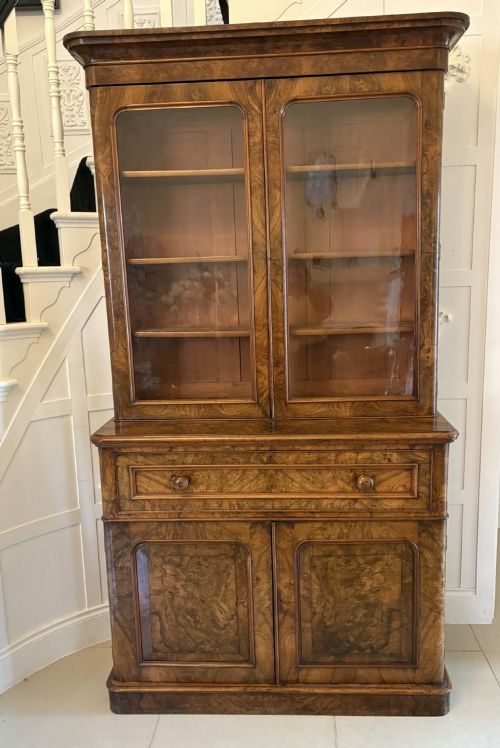
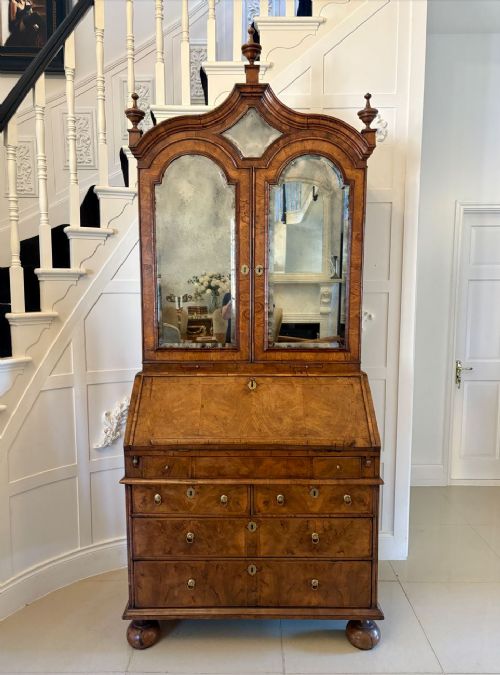
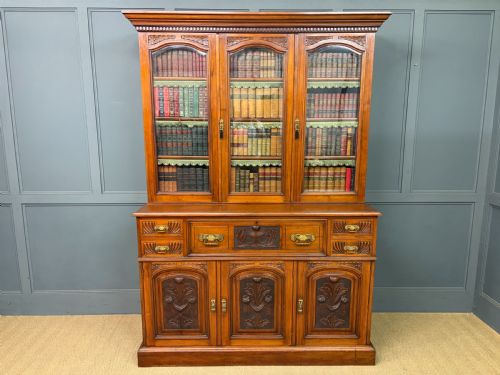
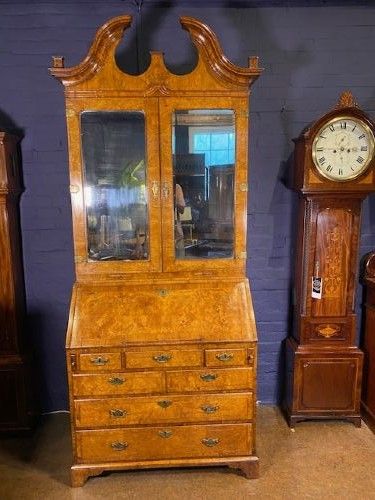
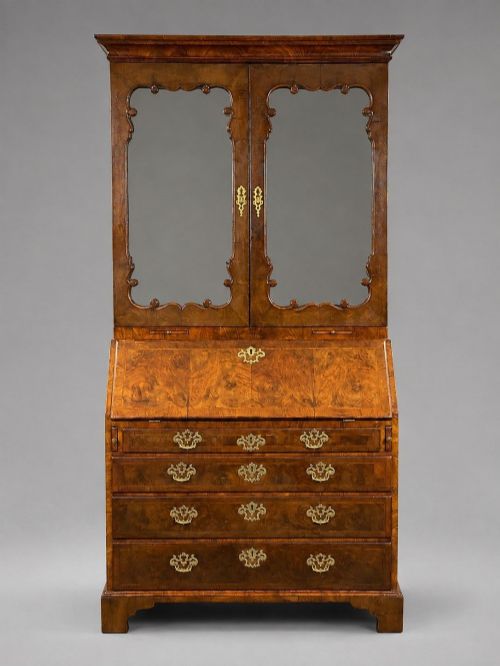
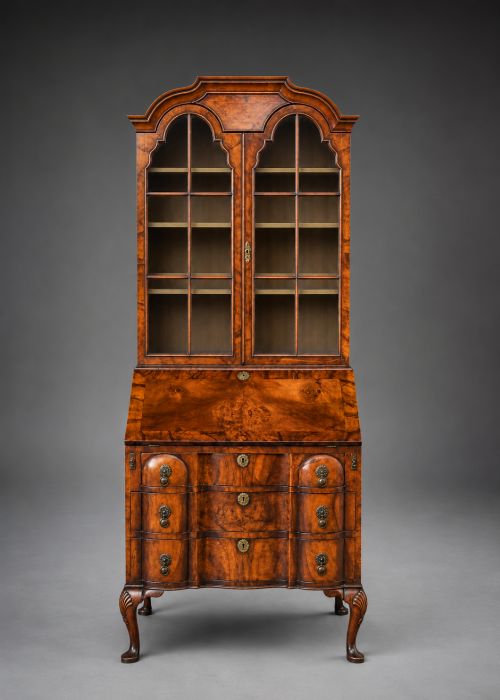
A walnut desk with bookcase unites a sloping bureau or cylinder desk with a glazed or panelled upper cabinet for books. These pieces span the seventeenth, eighteenth, and nineteenth centuries, alongside twentieth-century revivals and Art Deco interpretations.
Early examples originate from English workshops under William and Mary, Queen Anne, and the early Georges, while continental pieces hail from Germany, Italy, and the Netherlands. The form serves dual purposes of storage and private correspondence, maintaining an architectural presence within a room.
How they were made
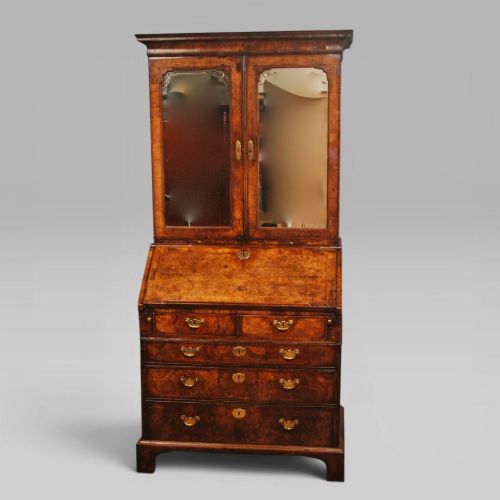
Cabinet makers constructed carcass frames in oak or pine, applying finely figured walnut and burr walnut veneers across the principal surfaces. Crossbanding and fruitwood inlay frequently define the drawer fronts and panel borders.
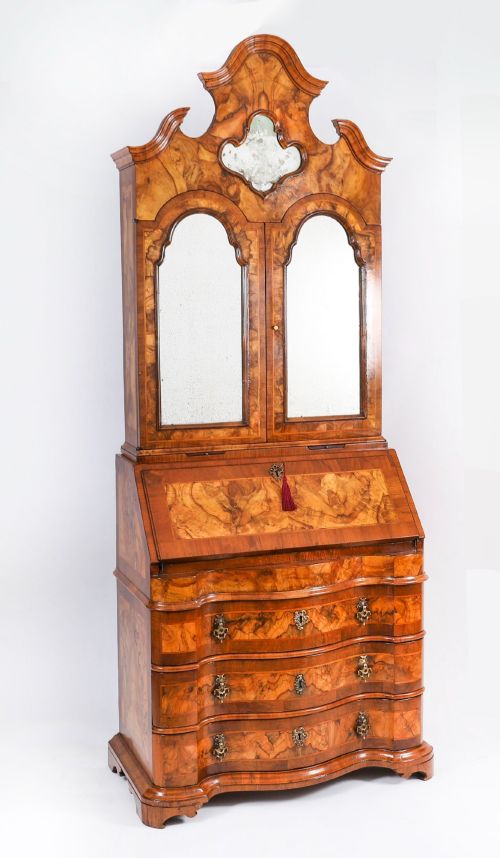
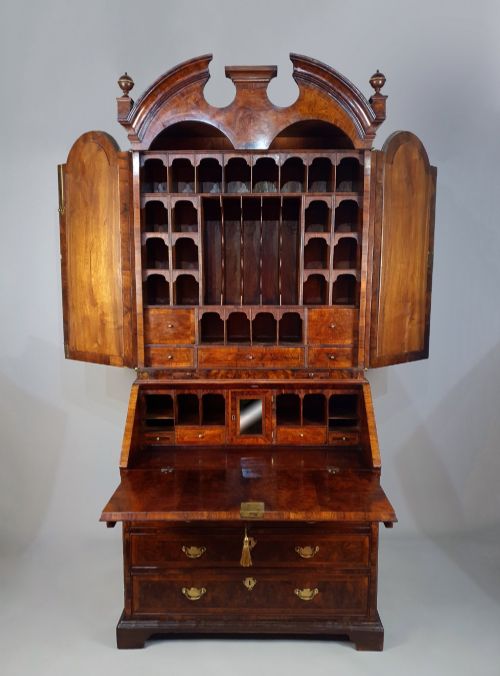
Upper doors utilise glass panes set within wooden astragals, occasionally backed by mirror glass, while fall-front writing surfaces open to reveal pigeonholes and small drawers. Brass drop handles, key escutcheons, and hinges secure the moving parts.
Walnut Desk with Bookcase Retail Price Guide 2026
Typical asking prices for walnut desk with bookcase among the pieces listed under this phrase on Sellingantiques today, from the lower quarter to the upper quarter. They describe what is for sale here now, not the wider market.
Listings include examples executed in burr walnut, fruitwood inlay, and mirror glass across Georgian and Art Deco periods.
What varies in quality
The choice of veneer determines visual impact, with highly figured burr walnut commanding greater appreciation than plain timber grains. The crispness of hand-cut inlay and the depth of the original surface patina distinguish master craftsmanship from standard production.
Proportion and scale dictate desirability, particularly in smaller bureau bookcases intended for intimate chambers. Original hardware, intact mirrored glass, and the survival of fitted interior compartments elevate the standing of an individual cabinet.
The Walnut Desk with Bookcase Glossary
- Bureau bookcase
- A cabinet combining a sloping writing desk below with enclosed shelving above. This form evolved to house personal libraries and writing materials in a single piece of furniture.
- Burr walnut
- Timber harvested from walnut tree growths that yield complex, swirling grain patterns. Cabinet makers prized this material for decorative veneer panels.
- Astragal
- A small moulding profile used to divide glass panes within bookcase doors. These wooden bars form geometric patterns across the upper cabinet.
- Crossbanding
- A border technique where veneer strips are laid perpendicularly to the surrounding grain. This method frames drawer fronts and panel edges.
- Bombe
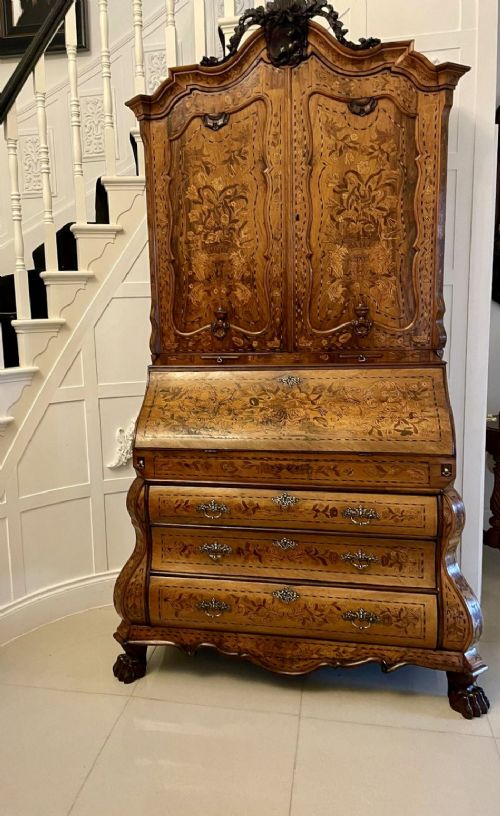
- A swelling, convex contour found on continental furniture bases. This curved profile requires advanced woodworking skill to execute in veneer.
Walnut Desk with Bookcase: Frequently Asked Questions
How do I date a walnut desk with bookcase?
Dating relies upon construction methods, timber choice, and stylistic markers such as bracket feet or cornice designs. Early eighteenth-century pieces often feature herringbone inlay and candle slides beneath the upper doors.
Later Victorian and twentieth-century interpretations adopt machine-cut joints and alternative internal layouts. Comparing the secondary timbers inside drawers helps confirm the period of manufacture.
Where should I place a bureau bookcase?
These tall cabinets require stable wall placement away from direct heat sources and strong sunlight. Maintaining steady indoor humidity prevents the walnut veneers from lifting or cracking over time.
Ensure adequate floor space in front of the desk section for the fall-front flap and a chair. Positioning the piece near natural window light assists with reading inside the workspace.
How do I care for walnut veneer?
Dust the exterior regularly with a soft, dry cloth to prevent particulate accumulation on the grain. Avoid silicone sprays and modern polishes that can degrade historical finishes.
Applying a traditional beeswax feed periodically nourishes the wood and maintains a subtle sheen. Keep the interior ventilated and check the brass hardware gently during routine maintenance.
What is the difference between Dutch and English styles?
English examples favour architectural cornices, flat fronts, and restrained walnut or burr veneers. Proportions tend to remain restrained to suit panelled domestic interiors.
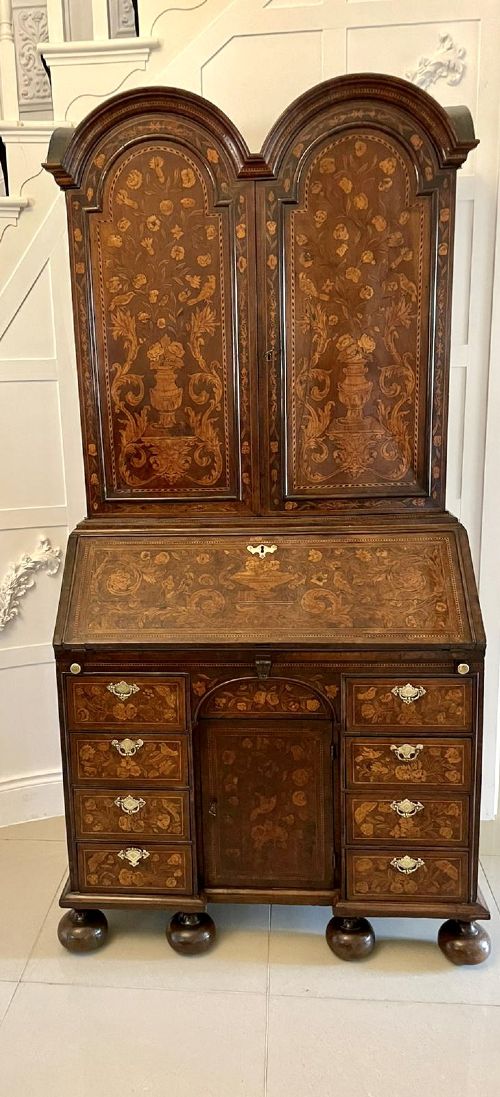
Dutch and German pieces frequently display bombe shaping, elaborate marquetry inlays, and arched double-dome tops. These continental variants emphasise sculptural curves and pictorial floral marquetry.