


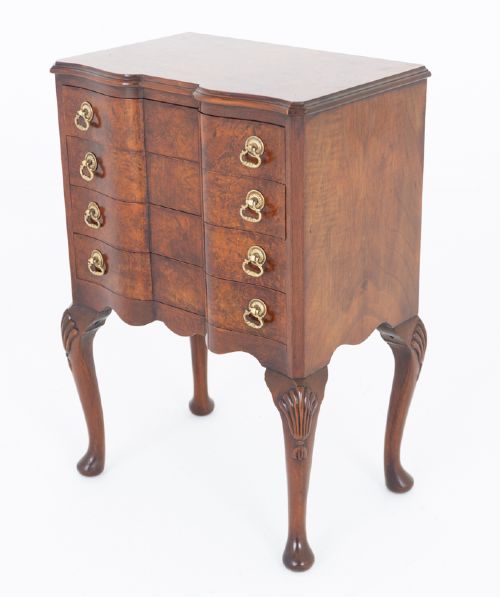
Walnut Cupboard on Chest
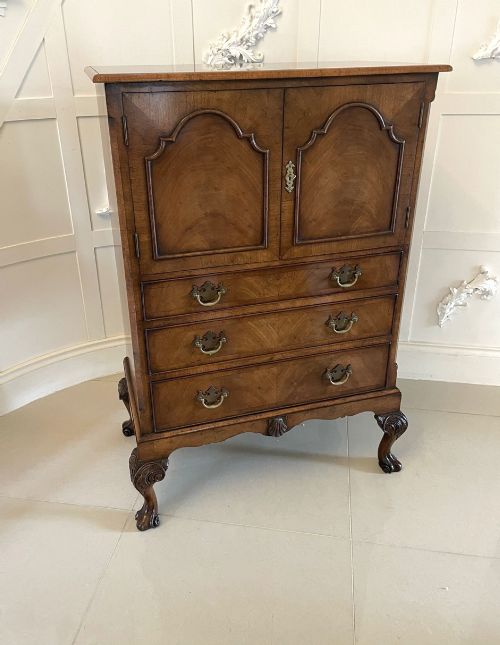
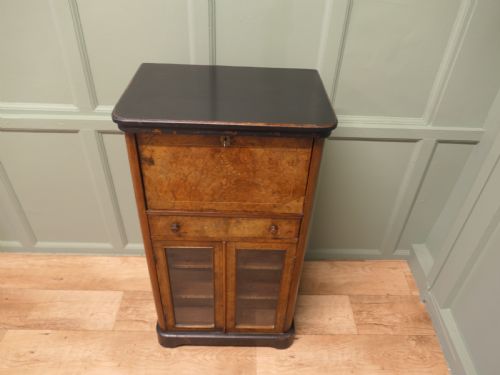
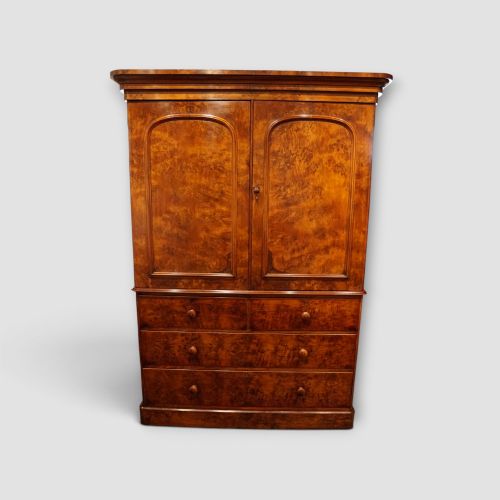
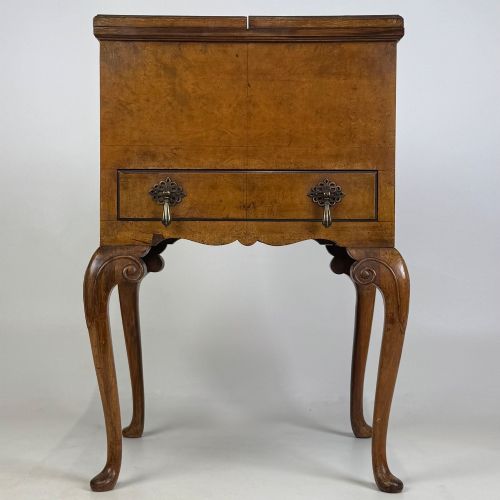
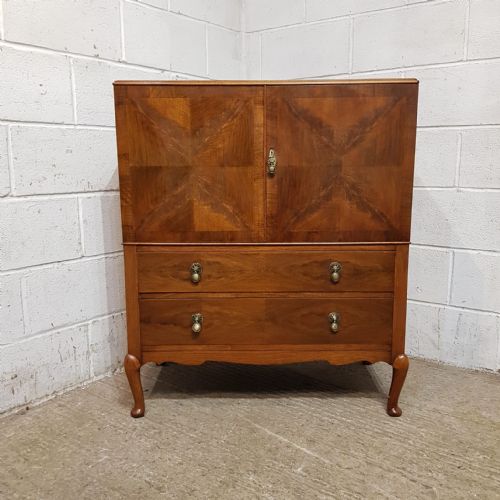
A walnut cupboard on chest combines upper storage with lower drawers, offering timber figure and vertical presence.

Walnut Cupboard on Chest
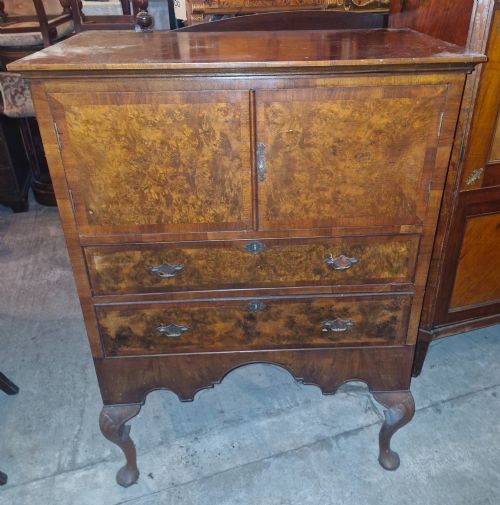
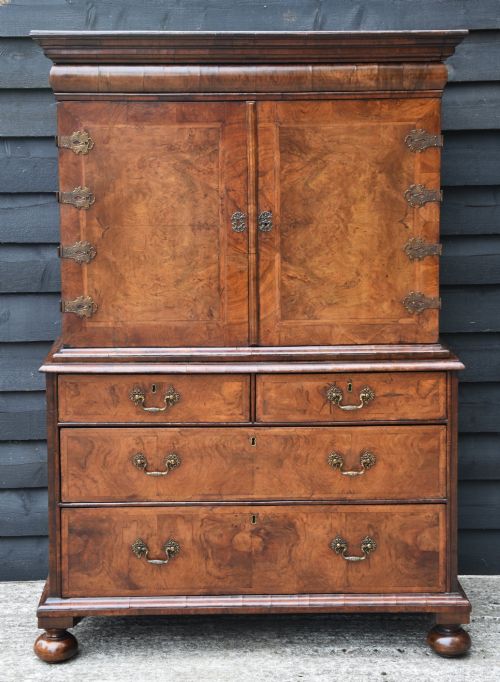
When you search for a walnut cupboard on chest, you encounter multi-tiered storage furniture featuring an enclosed upper cabinet sitting upon a lower chest of drawers. The pieces range from seventeenth-century William and Mary examples to Edwardian and Art Deco interpretations.
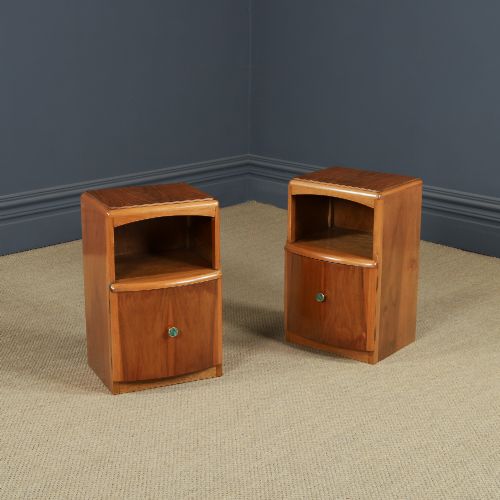
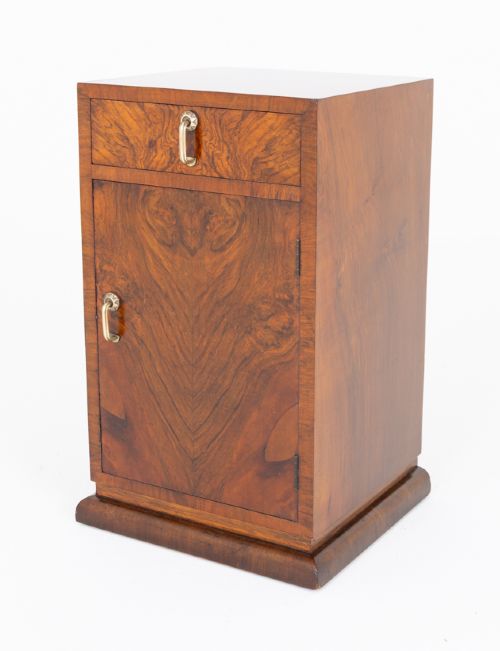
The format spans grand Dutch marquetry presses, Victorian housekeeper pieces, and refined early twentieth-century burr walnut adaptations. On this page, you will frequently meet compact bedside variants alongside taller seventeenth and eighteenth-century architectural forms.
Makers and regional workshops utilised figured veneers, marquetry inlay, and solid timbers to construct these dual-purpose storage units. Each variant serves domestic organisation while displaying the distinctive grain patterns characteristic of walnut.
How they were made
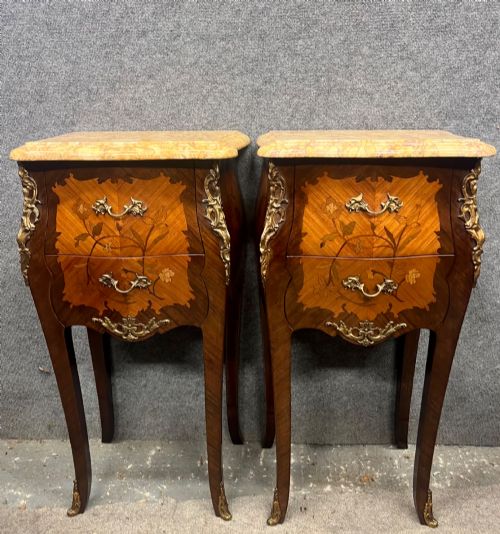
Craftsmen built carcass structures using oak, fruitwood, or pine as a stable foundation before applying decorative walnut veneers and burr walnut surfaces. Marquetry inlay utilising floral motifs and pewter accents often embellished the exterior panels of seventeenth and eighteenth-century examples.
Brass hardware, including drop handles and escutcheons, secured drawers and cabinet doors while adding metallic contrast to the timber. Selected pieces incorporate marble tops and glass panels, combining varied surface textures with traditional cabinet-making techniques.
Listings span periods from the seventeenth century through the Victorian era to Art Deco and 1930s designs.
What varies in quality
The visual appeal depends heavily on the grain selection within the burr walnut or figured veneers, where balanced matching across drawer fronts and doors distinguishes finer workshops. The crispness of marquetry and floral inlay reflects the artisan's precision and the depth of the historical period.
Proportion and scale dictate the success of the architectural silhouette, particularly how the upper cupboard integrates with the lower chest base. Original brass fittings and the preservation of historical surfaces elevate the standing of individual pieces.
Waring and Gillows
The Walnut Cupboard on Chest Glossary
- Burr walnut
- Timber harvested from the gnarled growths of walnut trees, yielding highly figured, swirling grain patterns prized for decorative veneer work.
- Marquetry
- The art of applying pieces of veneer to a structure to form decorative patterns, frequently featuring floral or geometric designs.
- Tallboy
- A tall piece of furniture consisting of a chest of drawers stacked upon another chest or cupboard base.
- Press cupboard
- A large storage cabinet traditionally used for household linens, featuring enclosed shelving above a chest section.
- Bargueño
- A type of portable desk or cabinet originating in Spain, fitted with multiple small drawers and a drop-front writing surface.
Walnut Cupboard on Chest: Frequently Asked Questions
What is a walnut cupboard on chest?
A walnut cupboard on chest is a piece of furniture combining an enclosed upper storage cabinet with a lower section of drawers. This format provides dual storage capabilities for domestic items.
Historically used to store garments and linens, these pieces bring vertical presence and figured timber surfaces to living spaces.
How do I date a walnut cupboard on chest?
Dating relies on examining construction methods, timber choice, and decorative styles such as marquetry inlay or Art Deco veneers. Seventeenth and eighteenth-century pieces often feature distinct architectural cornices and oak linings.
Later Edwardian and 1920s interpretations adopt lighter framing while celebrating the decorative qualities of burr walnut.
Where should I place a cupboard on chest?
These cabinets suit bedrooms, living rooms, and hallways where vertical storage is required without occupying excessive floor space. Their detailed timber facades allow them to function as focal points in traditional or contemporary interiors.
Ensure placement avoids direct sunlight to protect the walnut veneers from fading over time.