

Walnut China Bookcase
A walnut china bookcase combines upper glazed display with lower storage, bringing warmth and formal presence to any room.
Walnut China Bookcase
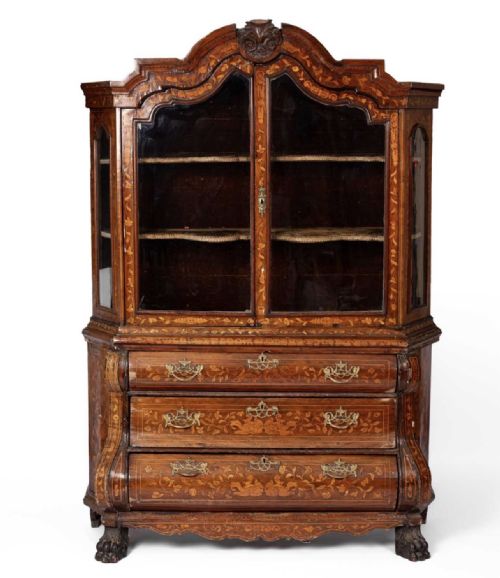
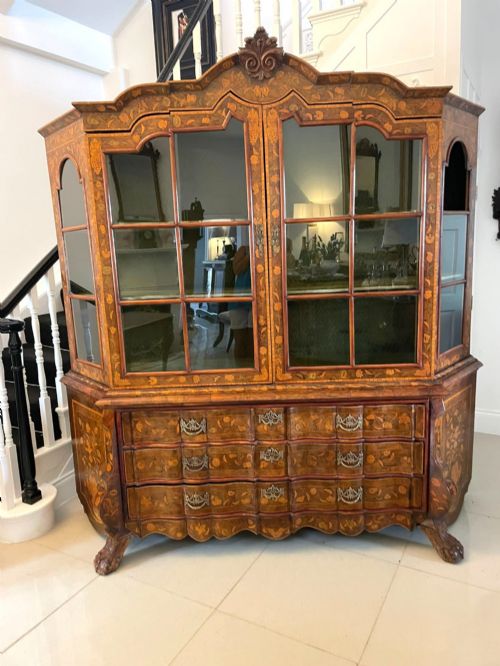
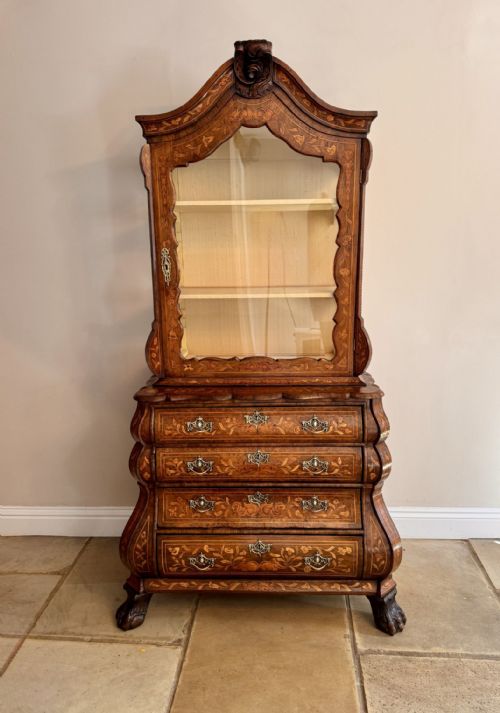
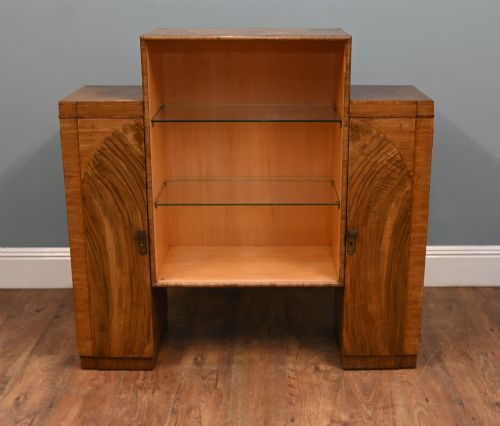
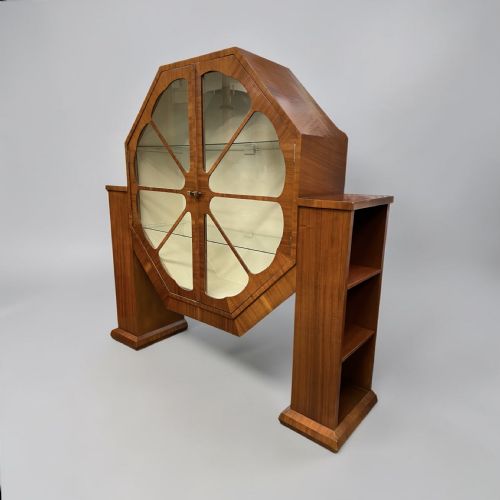
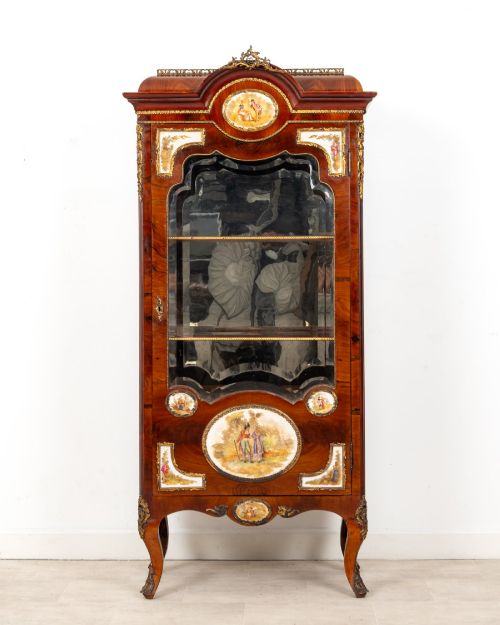
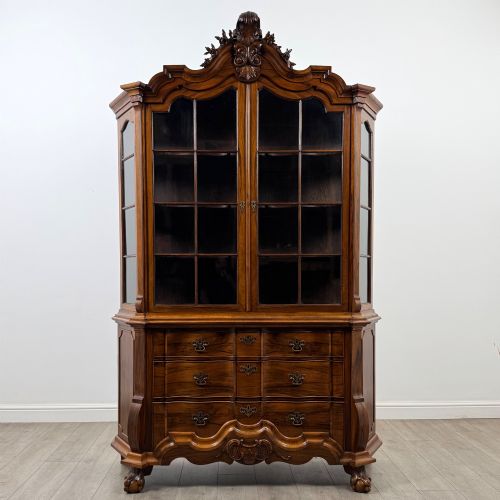
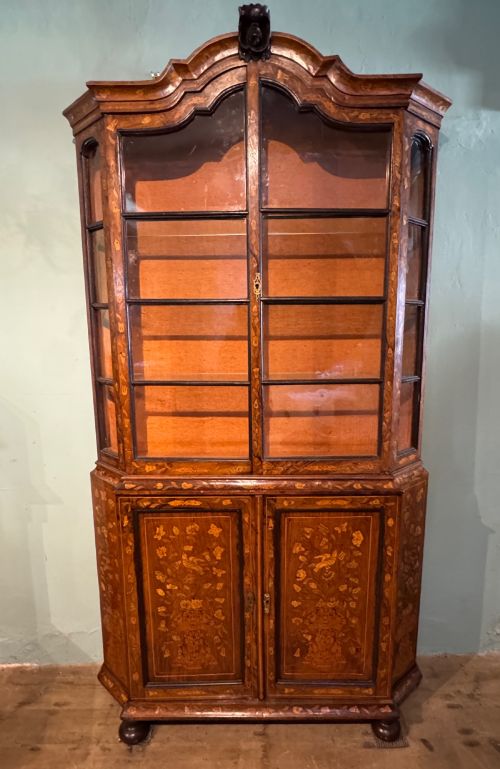
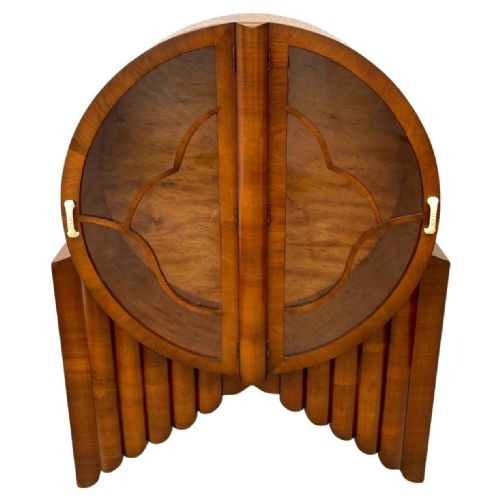
When you search for a walnut china bookcase, you encounter pieces designed to exhibit porcelain and glassware while housing books behind glass or wooden doors. These items range from eighteenth-century Dutch marquetry vitrines to geometric Art Deco cabinets from nineteen thirty.
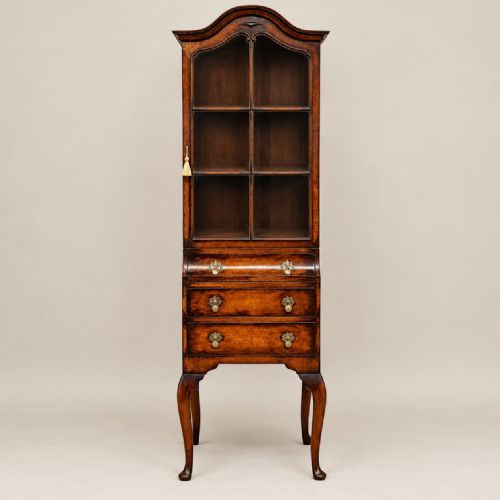
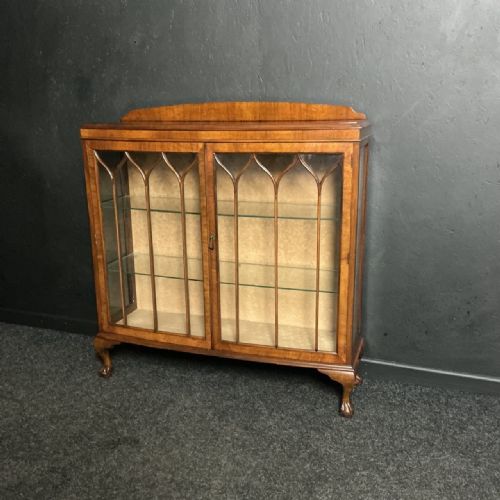
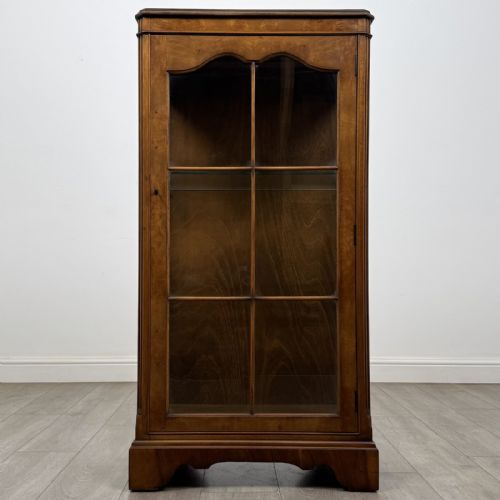
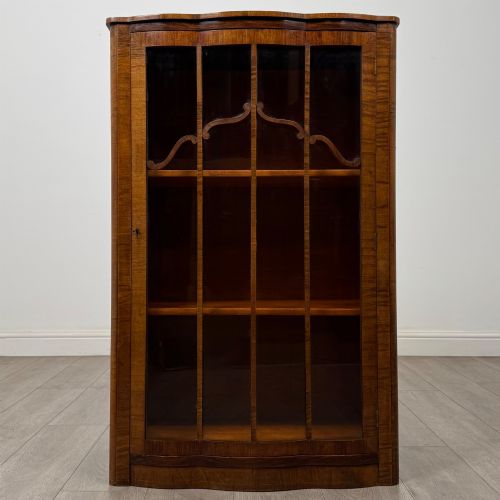
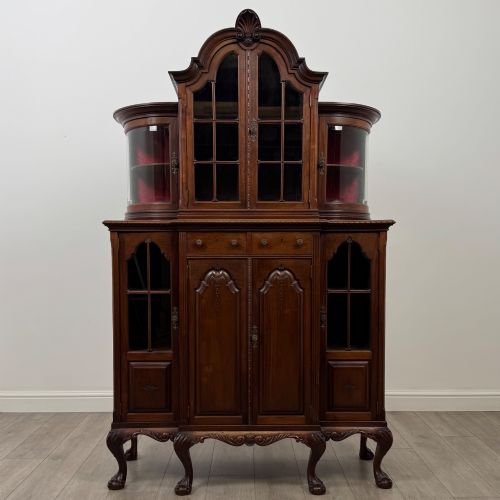
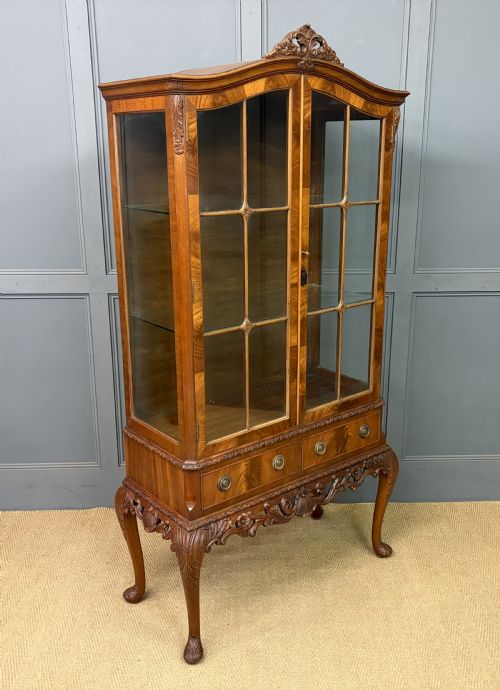
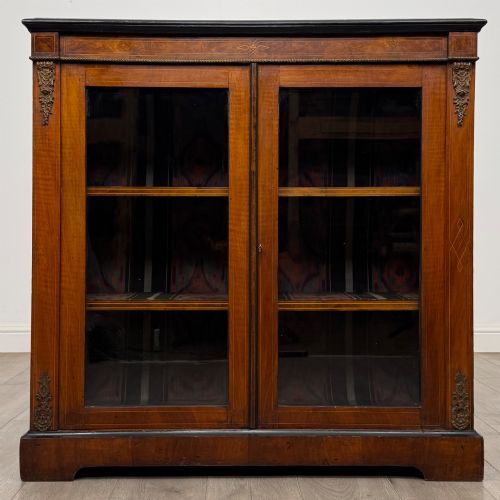
The most frequent versions on this page date from the Edwardian era and the nineteen thirties, often constructed with glazed upper sections and lower cupboards. Forms span tall narrow bookcase cabinets, pier cabinets, and two-part display units originating from English, French, Austrian, and Italian makers.
How they were made
Cabinet makers utilised solid walnut, burr walnut veneers, and figured walnut over secondary timbers such as fruitwood, applying intricate marquetry inlay and ebonised detailing. Glazing bars structured the glass panels of upper doors, whilst brass and ormolu mounts provided structural and decorative accents.
Surfaces were frequently polished to highlight the natural grain patterns of the wood, complemented occasionally by velvet-lined interiors and mirror glass backs inside the display compartments.
Walnut China Bookcase Retail Price Guide 2026
Typical asking prices for walnut china bookcase among the pieces listed under this phrase on Sellingantiques today, from the lower quarter to the upper quarter. They describe what is for sale here now, not the wider market.
Listings feature walnut china bookcases spanning the eighteenth century through to Art Deco production of nineteen thirty.
What varies in quality
The standard of a walnut china bookcase rests upon the selection of timber veneers, where highly figured burr walnut or meticulous Dutch marquetry displays superior craftsmanship compared to plain surfaces. The integration of quality cast brass mounts, finely joined astragal glazing, and internal fittings like adjustable shelving further distinguish finer pieces.
Execution of decorative elements, from carved wood details on eighteenth-century examples to clean geometric curves on Art Deco rocket cabinets, determines the overall refinement of the construction.
Maple & Co.·August Ungethüm·Edwards & Roberts·Maurice Adams·Epstein
The Walnut China Bookcase Glossary
- Burr walnut
- A veneer taken from the growth burls of a walnut tree, yielding swirling, highly decorative grain patterns. This material was frequently utilised by Edwardian and Victorian cabinet makers for high-status display furniture.
- Marquetry
- The art of applying pieces of veneer to a structure to form decorative patterns and pictures. Dutch examples on this page often feature floral and foliate marquetry in contrasting woods.
- Vitrine
- A glass-fronted cabinet used for displaying fine porcelain, china, and objects of curiosity. These pieces typically feature glazed sides as well as doors to maximise ambient light.
- Astragal
- A moulded strip of wood or metal separating panes of glass within a glazed door or window. Fine astragal glazing defines many Queen Anne style and Edwardian bookcases.
- Pier cabinet
- A low or tall narrow cabinet designed to fit against a specific wall space between windows. Victorian iterations in walnut frequently incorporate ormolu mounts and marquetry inlay.
Walnut China Bookcase: Frequently Asked Questions
How do I date a walnut bookcase?
Dating relies on observing structural characteristics, joinery methods, and stylistic cues present in the woodwork and hardware. Eighteenth-century models often display hand-cut dovetails and Dutch floral marquetry, whereas Edwardian and Art Deco versions utilise distinct geometric forms and machine-processed veneers.
Comparing the glazing style and interior fittings against documented period pieces helps narrow down the decade of manufacture.
How do I style a glass display cabinet?
Styling a glazed bookcase involves balancing visual weight by grouping ceramics and books in varied heights and tones. Utilising the internal mirror backs and glass shelves allows light to circulate through displayed china collections.
Leaving deliberate space around objects prevents the interior from appearing cluttered while highlighting the grain of the walnut timber.
Are shelves usually adjustable?
Many Edwardian and later bookcase cabinets incorporate adjustable shelving supported by wooden rack strips or metal pins. This adaptability permits the storage of oversized books alongside smaller decorative china items.
Earlier eighteenth and nineteenth-century pieces more commonly feature fixed wooden shelves integrated directly into the cabinet carcass.