
Walnut Bookshelf Display
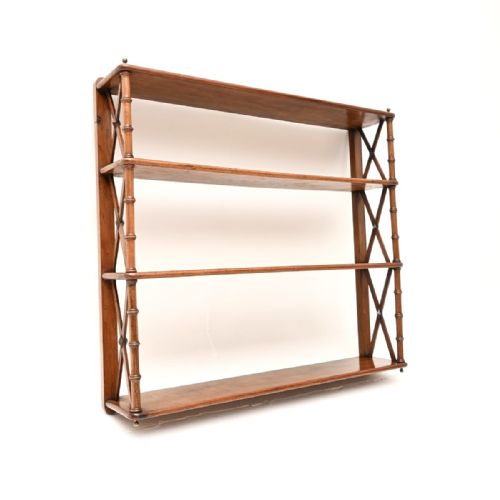
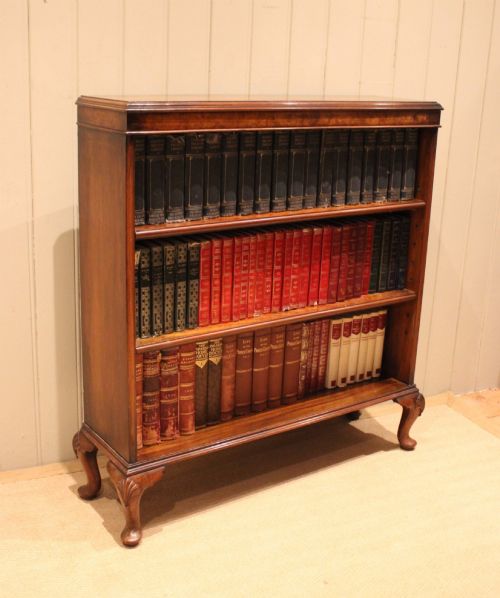
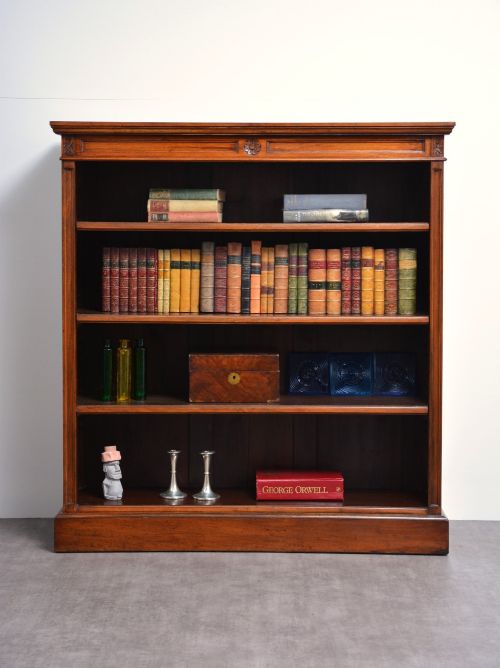
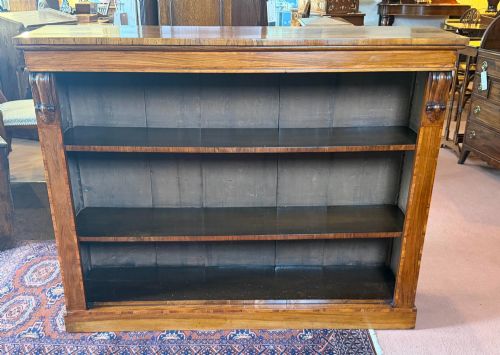
A walnut bookshelf display brings warmth and structured display space to a room, ranging from compact hanging wall shelves to large breakfront libraries.
Walnut Bookshelf Display
When you search for a walnut bookshelf display, you encounter open bookcases, whatnots, and wall-mounted cabinets designed for books and display objects. These pieces span periods from the early nineteenth century through the Victorian era and into Art Deco designs.
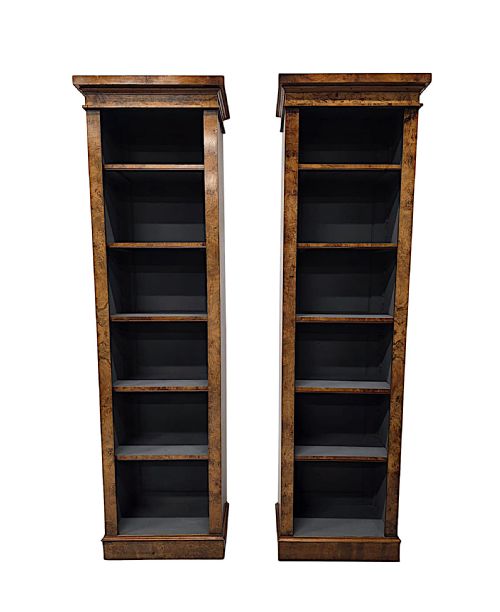
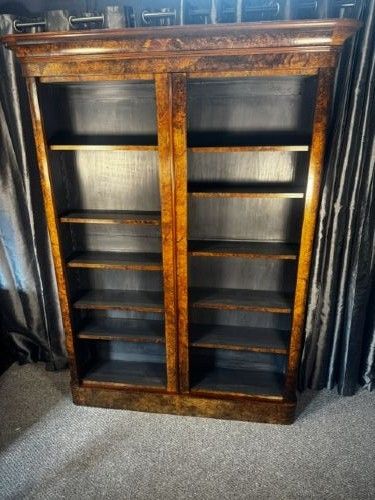
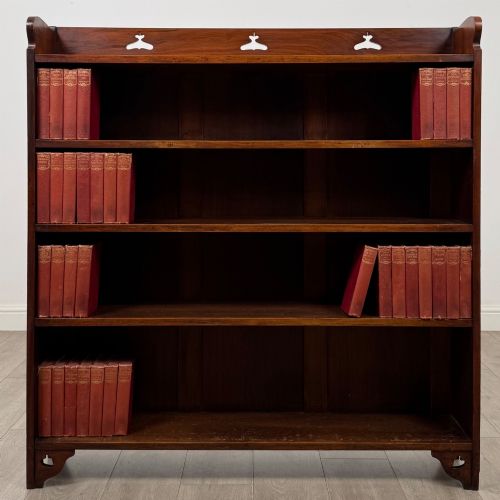
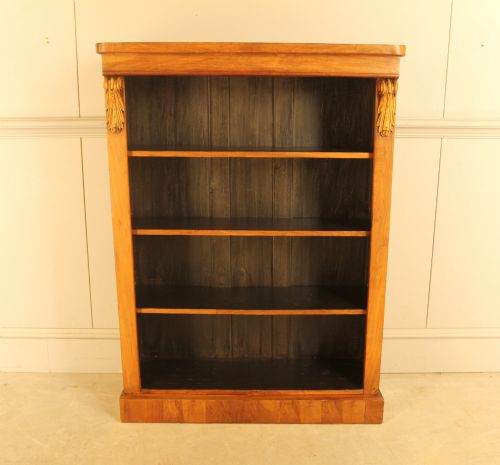
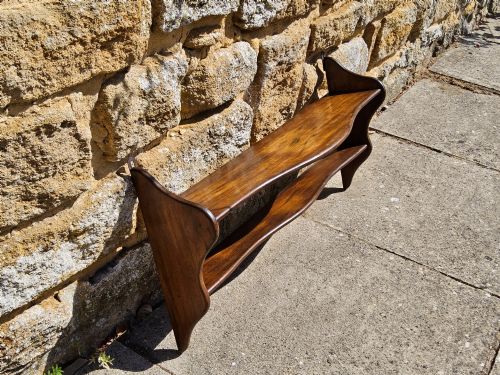
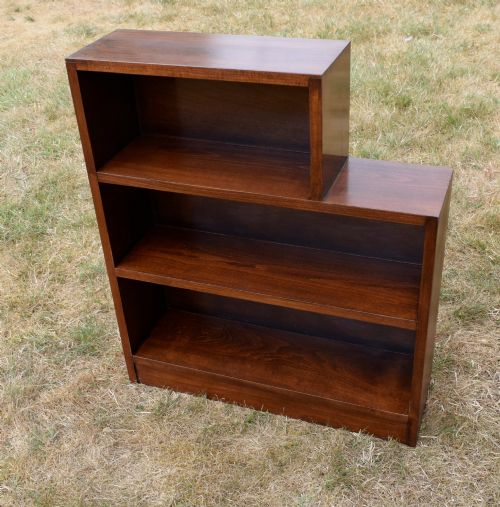
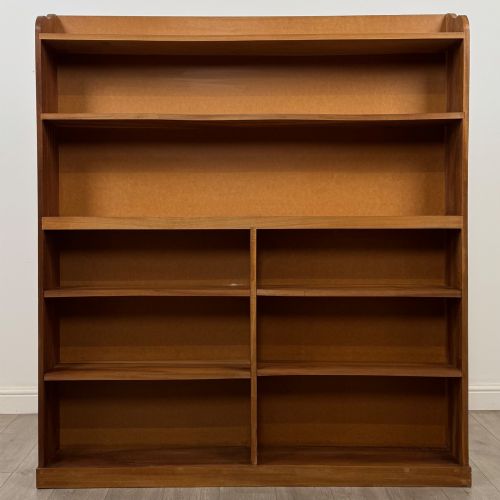
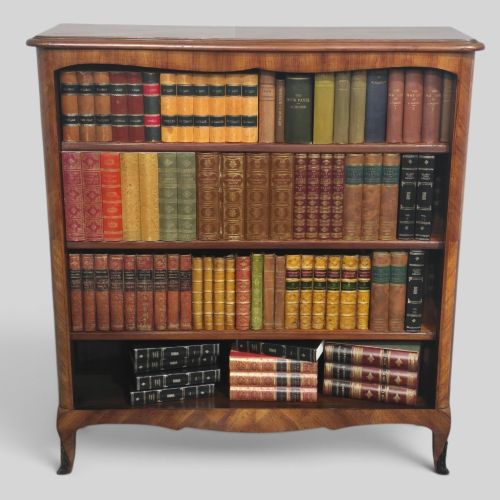
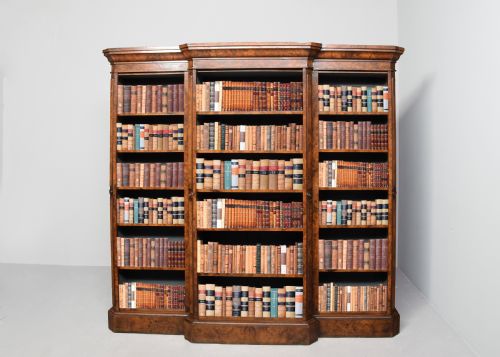
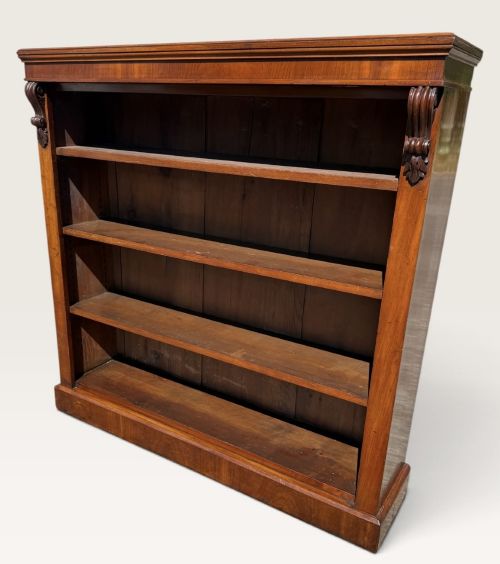
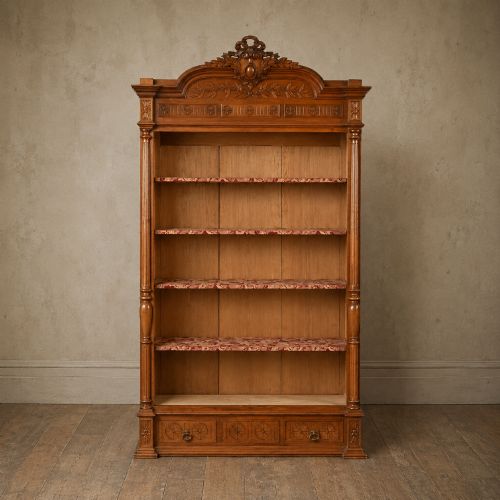
The most common form on this page is the open bookcase, often fitted with adjustable shelves for practical storage. Alongside these stand freestanding whatnots and wall shelves that utilise walnut and burr walnut timber for display purposes.
Materials and Construction
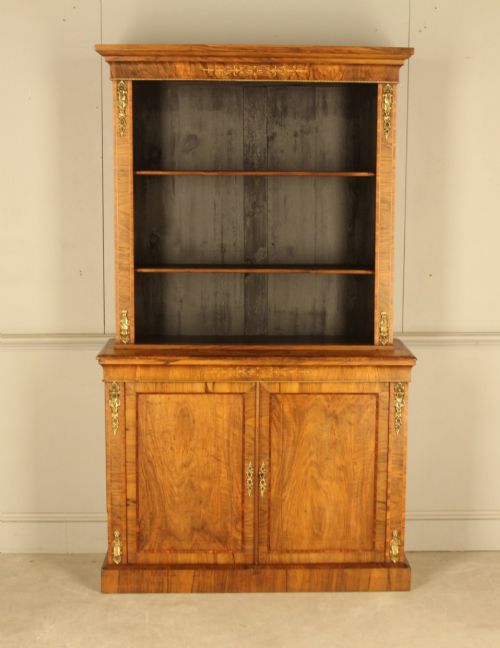
Cabinet makers utilised solid walnut, pine carcasses, and decorative walnut veneer or burr walnut to create rich grain patterns across the surfaces of these bookcases. Details such as brass mounts, glass panels, and satinwood stringing frequently accompany the primary timber.
Construction techniques include carved solid wood elements and breakfront layouts, with some examples incorporating gilt mounts or adjustable shelf mechanisms to support heavier library volumes.
Listings span from the 1800s Georgian period through Victorian, Edwardian, and Art Deco eras, constructed primarily from walnut, burr walnut, glass, and brass.
Craftsmanship and Scale
The distinction between standard utility items and exceptional pieces rests upon the choice of timber figure, such as highly figured burr walnut veneer, and the crispness of any carved details. Proportions also matter, with slim pairs or breakfront sections commanding particular attention for their architectural balance.
Refinements like adjustable shelving mechanisms, quality glass panels, and integrated brass or gilt mounts indicate a higher standard of manufacture from workshops working in Victorian, Edwardian, and Art Deco traditions.
Maurice Adams
The Walnut Bookshelf Display Glossary
- Burr Walnut
- A decorative wood cut from the warted growths of walnut trees, prized for its swirling grain patterns. It frequently surfaces on the primary display faces of Victorian and Edwardian cabinets.
- Whatnot
- A multi-tiered open piece of furniture designed for displaying ornaments, books, or small objects. These pieces often feature stacked shelves supported by slender columns.
- Breakfront
- A large cabinet or bookcase where the central section projects forward from the flanking wings. This architectural arrangement creates depth and visual weight.
- Whatnots
- Multi-tiered shelving units used primarily for display purposes in period interiors. They appear in corner configurations as well as freestanding formats.
Walnut Bookshelf Display: Frequently Asked Questions
How do I style a walnut open bookcase?
Balance books of varying heights with ceramics, framed photographs, or small display objects across the open shelves. Leaving some negative space allows the rich grain of the walnut timber to remain visible.
Position the bookcase away from direct heat sources to protect the wood and any delicate veneer work from drying out over time.
What is the difference between a whatnot and a bookcase?
A bookcase is primarily constructed to hold rows of books on sturdy horizontal shelves, often with adjustable heights. A whatnot is generally lighter, featuring multiple open tiers specifically intended for displaying ornaments and curiosities.
Both forms utilise walnut timber across the periods represented here, but their primary functions diverge between reading storage and decorative display.
Are walnut bookshelves adjustable?
Many of the open bookcases listed feature adjustable shelves to accommodate books of different sizes. This practical adaptation became particularly common in nineteenth-century and later library furniture.
Fixed shelves do appear on certain wall cabinets and specialised display stands, so checking the individual description clarifies the internal configuration.
How do I identify a Victorian walnut bookcase?
Victorian walnut bookcases often display rich burr walnut veneers, dark warm tones, and occasionally carved architectural motifs or gilt mounts. They frequently take the form of open library units or multi-tiered whatnots dating from the mid to late nineteenth century.
Construction details such as pine secondary timbers and traditional jointing methods help confirm the period alongside stylistic markers.