
Antique Wood Bookcase
An antique wood bookcase brings warmth and structure to a room, offering practical storage for volumes while displaying the natural grain of timber.
Antique Wood Bookcase
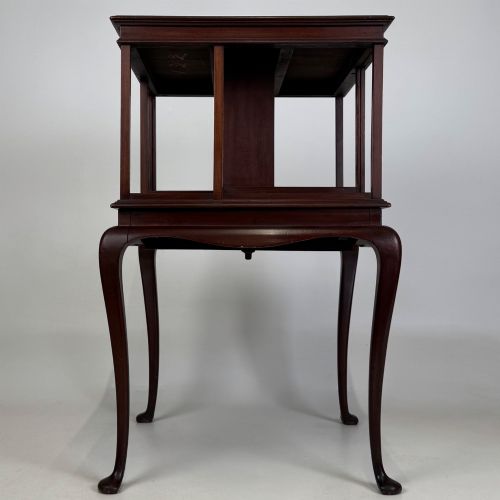
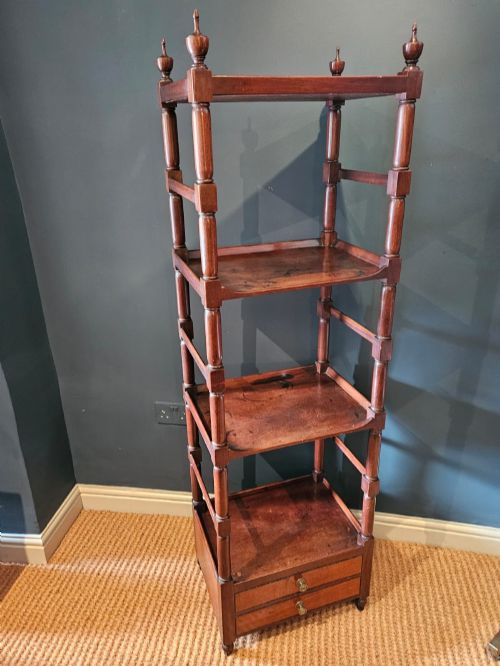
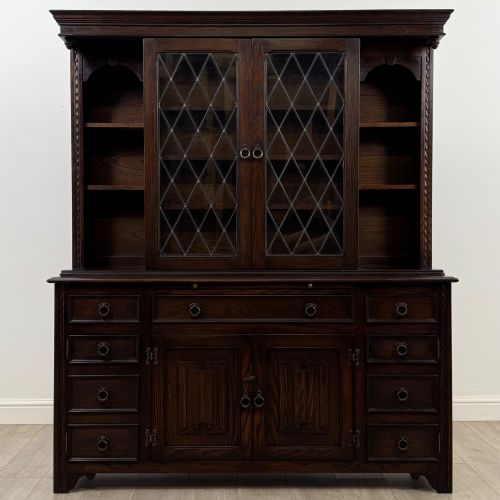
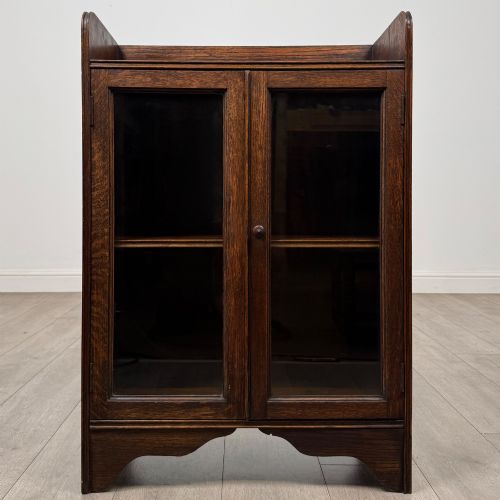
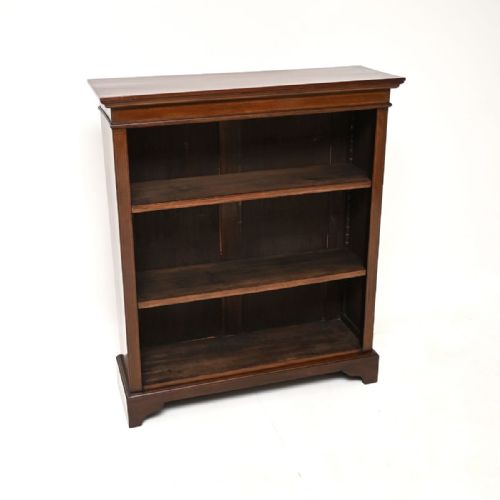
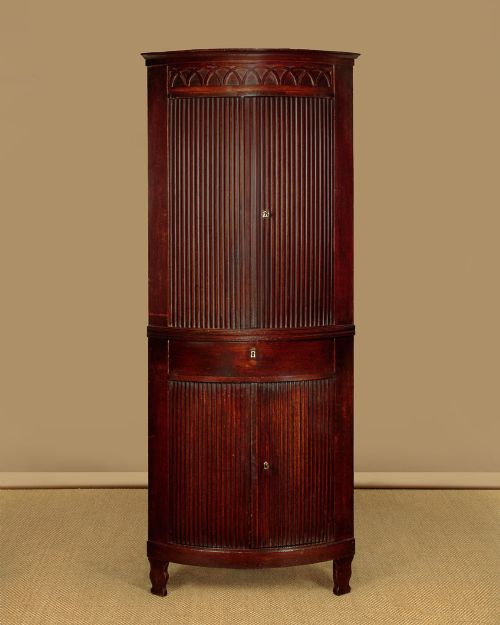
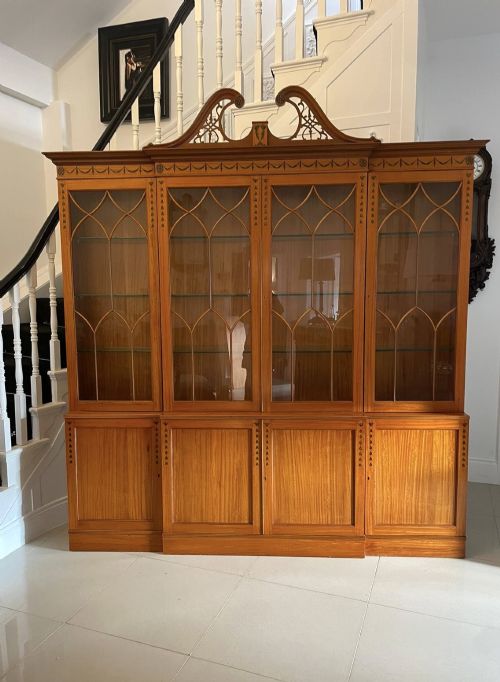
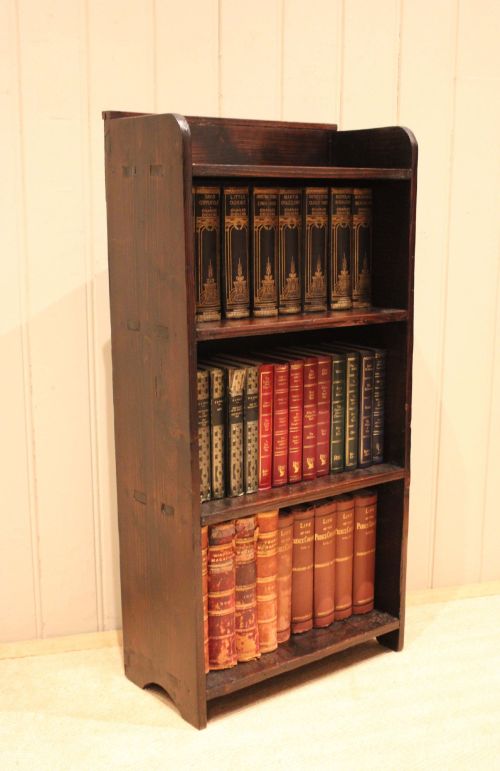
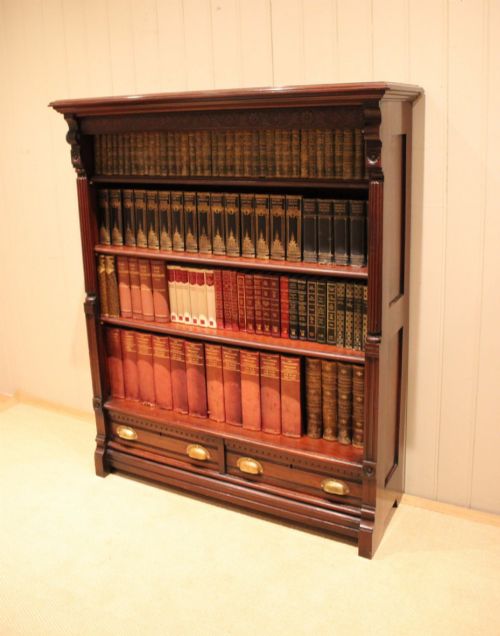
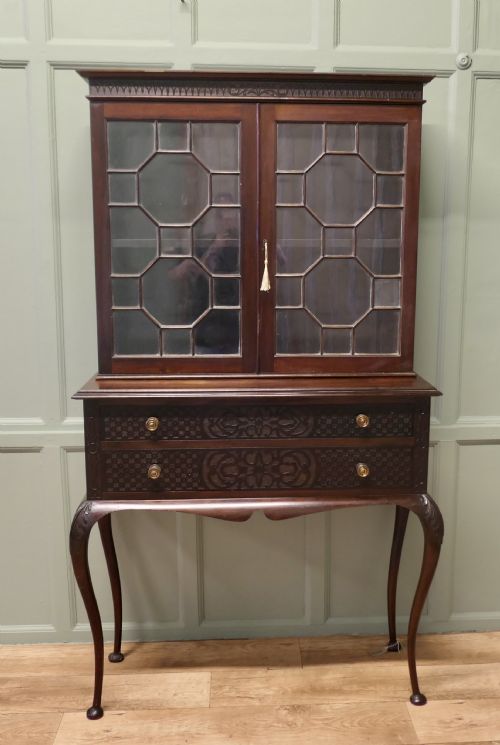
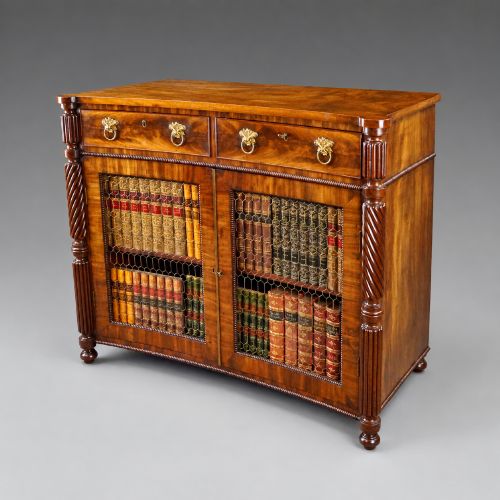
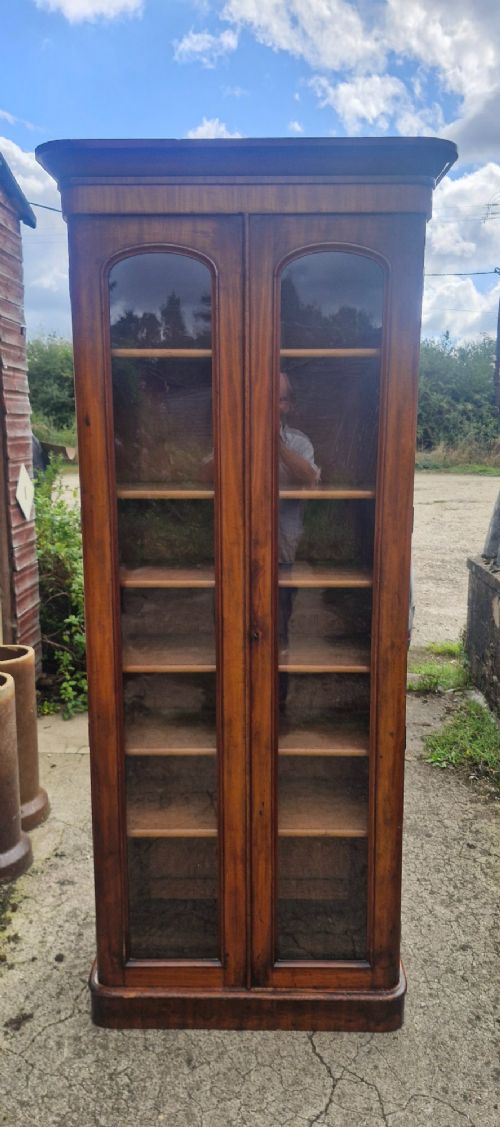
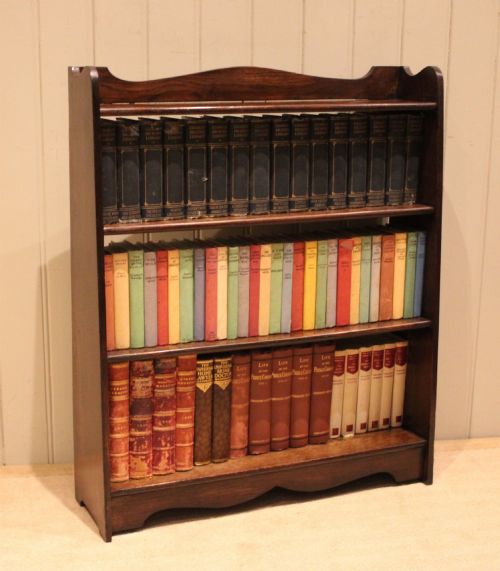
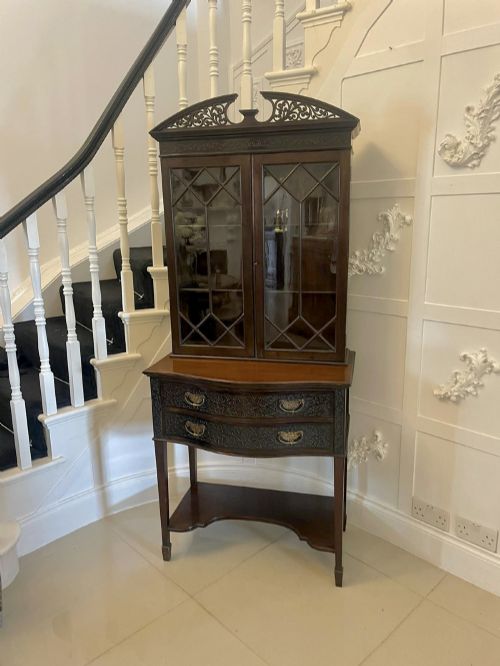
An antique wood bookcase encompasses everything from open-shelved library pieces to glazed display cabinets, bureau bookcases, and compact revolving designs. Pieces span the Georgian, Victorian, and Edwardian eras, alongside the later decades of the nineteenth and early twentieth centuries.
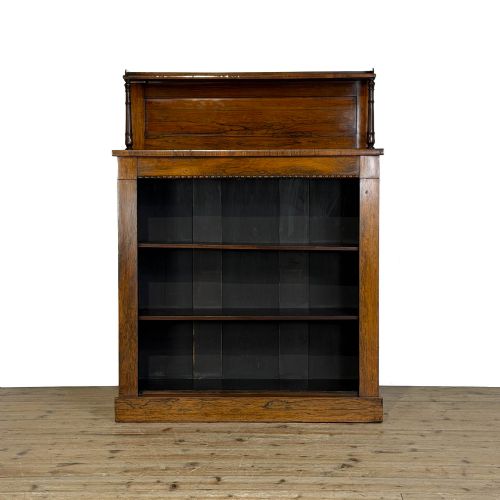
The most common formats met here are open mahogany and rosewood bookcases from the Victorian period, frequently fitted with adjustable shelves. Edwardian iterations in oak and inlaid satinwood also appear regularly, alongside glazed breakfront and bureau models designed for formal parlours.
Materials and Construction
Cabinet makers relied heavily on dense timbers such as mahogany, rosewood, oak, and walnut, often accentuating the grain with boxwood stringing, satinwood banding, or marquetry inlay. Glass doors frequently incorporated timber or brass astragal glazing bars to support the individual panes.
Structural integrity relied on dovetailed joints for drawers and solid backboards, while high-status examples utilised secondary woods like pine or oak for carcases, overlaid with choice veneers. Brass hardware, lead cames, and hand-carved ornamentation completed the fabrication.
Listings feature open bookcases and glazed cabinets spanning the Georgian, Victorian, and Edwardian periods in mahogany, rosewood, oak, and walnut.
Distinctions in Standard
Superior execution shows in the selection of timbers, where continuous grain patterns and matched veneers demonstrate careful planning by the maker. Lesser examples rely on plain boards with minimal attention paid to how the grain flows across doors and friezes.
Refinement of detail dictates the grade of the piece, from the crispness of hand-carved mouldings and inlaid stringing to the presence of functioning original brass locks and adjustable shelf mechanisms. Structural stability and untouched original patination elevate an item far above later assembly or heavy restoration.
Gabriel Viardot·Gillows·Maple and Co
The Antique Wood Bookcase Glossary
- Astragal
- Moulding profile used to hold glass panes within a door frame. These slender wooden bars divide the glazed area into geometric patterns typical of Georgian and Victorian design.
- Breakfront
- A cabinet front where the central section projects forward from the flanking wings. This configuration adds architectural depth to large bookcases and display cabinets.
- Bureau bookcase
- A dual-purpose piece featuring a sloping fall-front writing desk over drawers, surmounted by a shelved cabinet. The upper section is typically enclosed by panelled or glazed doors.
- Vitrine
- An enclosed glass display cabinet designed to showcase porcelain and decorative objects alongside books. They often feature fine ormolu mounts or painted satinwood decoration.
Antique Wood Bookcase: Frequently Asked Questions
Where should I place a heavy wooden bookcase?
Position your bookcase against an interior wall away from direct sunlight and heat sources to prevent the timber from warping or drying out. Ensure the floor is level so the weight distributes evenly across the feet or plinth.
Securing taller pieces to the wall with appropriate fixings provides essential stability, particularly for towering Victorian and Georgian breakfront designs.
How do I adjust the shelves?
Many nineteenth-century bookcases utilise wooden ratchets, brass studs, or movable shelf supports set into vertical slots within the interior sides. Lifting the shelf slightly allows the supports to disengage from their resting points.
Slide the brackets to the desired height and check that all four corners sit level before replacing your books to avoid bowing the timber.
How do I care for antique timber?
Maintain the finish by dusting regularly with a soft, dry cloth and avoiding silicone-based sprays that build up over time. Feeding the wood occasionally with a traditional beeswax polish preserves the moisture and lustre of the grain.
Keep humidity levels in the room stable to protect delicate veneers and prevent the solid timber from shrinking or cracking during seasonal changes.
How can I tell the period?
Examine the construction methods, such as hand-cut dovetails on drawer boxes and the type of secondary wood used inside the carcase. Georgian pieces often display heavy mahogany with simple lines, whilst Victorian iterations incorporate richer carvings and glazed doors.
Edwardian and later pieces frequently utilise lighter satinwood or inlaid decoration, reflecting changing interior tastes at the turn of the twentieth century.