




Wall Mounted Bookshelves
Wall mounted bookshelves are practical timber storage pieces that clear floor space while keeping volumes close at hand.
Wall Mounted Bookshelves
Wall mounted bookshelves offer compact storage by hanging directly on domestic walls instead of resting on the floor. Buyers searching for wall mounted bookshelves encounter hanging shelves, wall bookcases, and display units designed to hold books or small decorative objects.
The pieces on this page span the eighteenth, nineteenth, and early twentieth centuries, covering Georgian, Victorian, and Edwardian eras. Mahogany, walnut, oak, and ebonised timber dominate the selection, alongside satin birch and cherry wood.
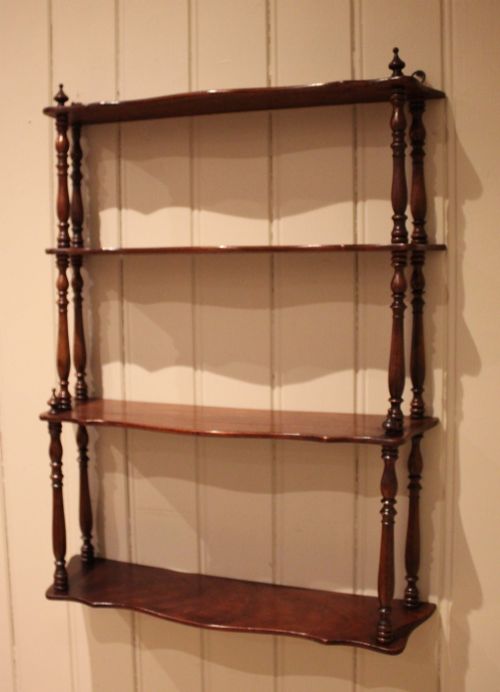
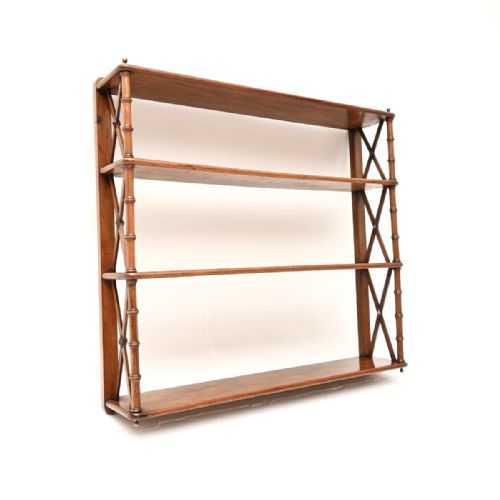
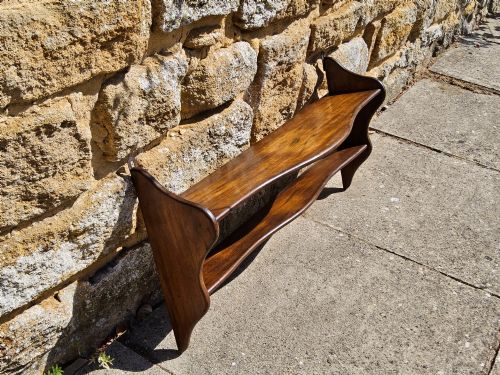
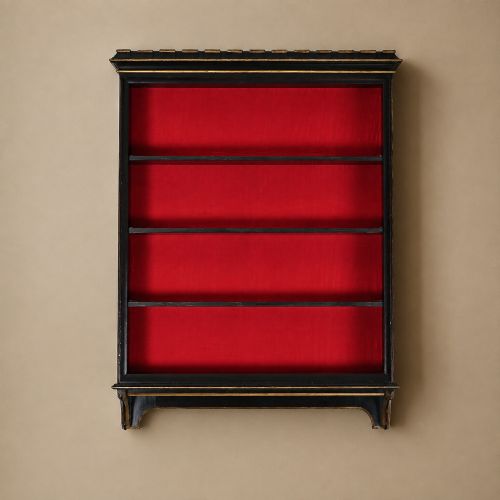
Forms vary from simple hanging shelves and plate racks to elaborate Gothic revival bookcases and mounted whatsnot. Most examples date from the nineteenth century, reflecting the domestic expansion of personal libraries in that period.
How they were made
Cabinet makers utilised dense hardwoods such as mahogany, walnut, and oak to construct sturdy vertical uprights and horizontal boards capable of bearing the heavy weight of bound books. Joints were typically hand cut to ensure stable construction without modern adhesives or metal brackets.
Ebonised timber and specialised woods like satin birch and cherry wood received fine surface finishes to highlight natural grain patterns or provide a deep, dark lustre. Brass fittings frequently appeared as structural supports or hanging mounts.
Wall Mounted Bookshelves Retail Price Guide 2026
Typical asking prices for wall mounted bookshelves among the pieces listed under this phrase on Sellingantiques today, from the lower quarter to the upper quarter. They describe what is for sale here now, not the wider market.
Listings span the eighteenth century to the Edwardian era, featuring mahogany, walnut, oak, ebonised timber, satin birch, and cherry wood.
What varies in quality
Quality rests on the selection of timber and the precision of the joinery rather than the sheer size of the hanging shelf. Dense grain figures in mahogany or walnut and careful attention to the shaping of shelf edges separate standard utility pieces from finer items.
Stylistic ambition also dictates standard, ranging from plain functional boards to sophisticated Gothic revival tracery or attributed cabinet work. Original brass mounts and unaltered timber surfaces preserve the integrity of the piece.
George Edmund Street
The Wall Mounted Bookshelves Glossary
- Hanging shelves
- Open wooden shelving units fitted with brackets or loops for wall suspension. They provide accessible storage for books and small ornaments.
- Ebonised timber
- Wood treated with a dark finish to imitate expensive ebony. This technique was popular during the Victorian period for formal or Gothic revival pieces.
- Plate rack
- A wall mounted shelving structure featuring grooved ledges to hold plates upright alongside books or ceramics. These often double as general display storage.
Wall Mounted Bookshelves: Frequently Asked Questions
What woods were used for wall bookshelves?
Cabinet makers relied primarily on durable hardwoods including mahogany, walnut, oak, and cherry wood. These timbers provided the necessary strength to hold heavy rows of books without sagging.
Softer or exotic decorative veneers like satin birch or ebonised treatments also appear on nineteenth century examples. The choice of wood usually reflects the prevailing taste of the Georgian, Victorian, or Edwardian period in which it was made.
How do I tell Victorian shelves from Georgian ones?
Georgian wall shelves, often associated with the George III period around eighteen hundred, tend to feature cleaner architectural lines in mahogany or walnut. Their construction prioritises understated proportion and classical balance.
Victorian and Gothic revival pieces introduce darker ebonised timbers, heavier mouldings, and decorative carved details. Edwardian examples often return to lighter mahogany frames with simpler domestic utility in mind.
Can these shelves hold heavy modern books?
Most antique wall shelves accommodate standard octavo volumes and modern hardbacks without difficulty. However, exceptionally deep or thick modern art folios may exceed the intended depth of older display shelves.
Inspect the thickness of the horizontal boards and the rigidity of the vertical supports before loading them with heavy reference volumes. Distributing weight evenly prevents strain on historical joints.