


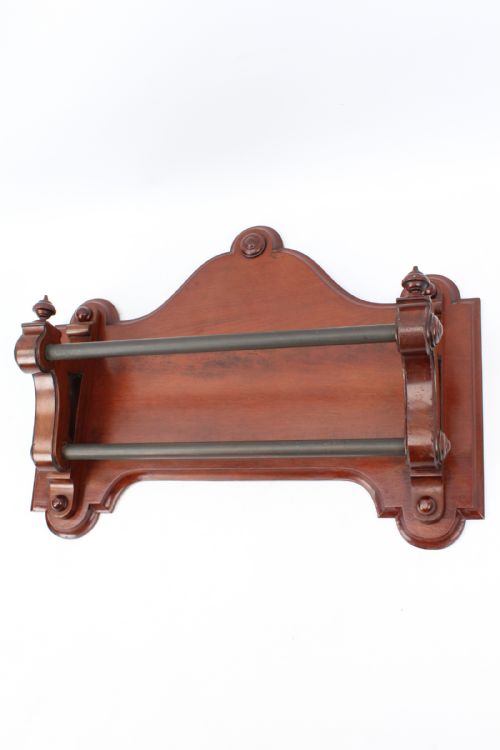

19th Century Wall Rack
A 19th century wall rack brings practical storage and period character to any room.
19th Century Wall Rack
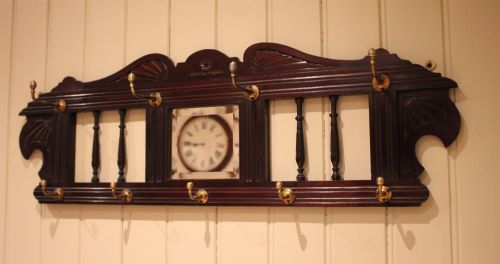
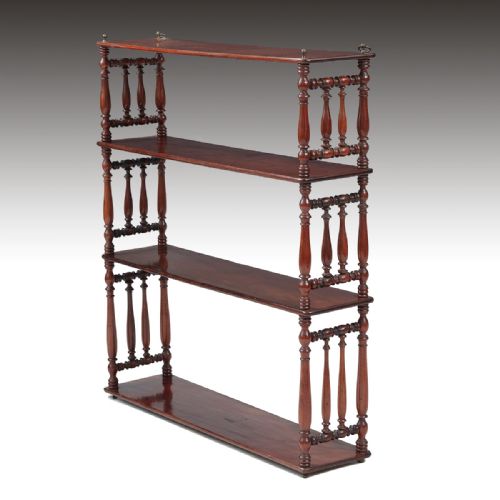
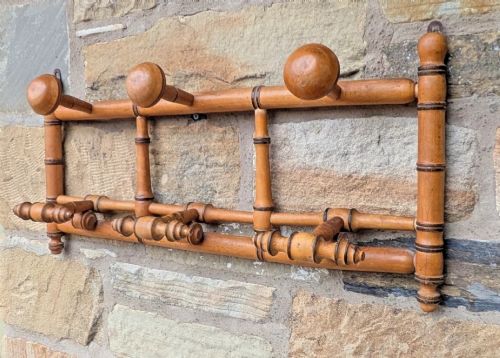
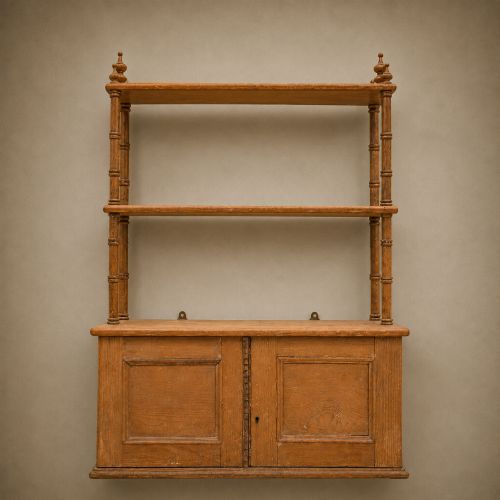
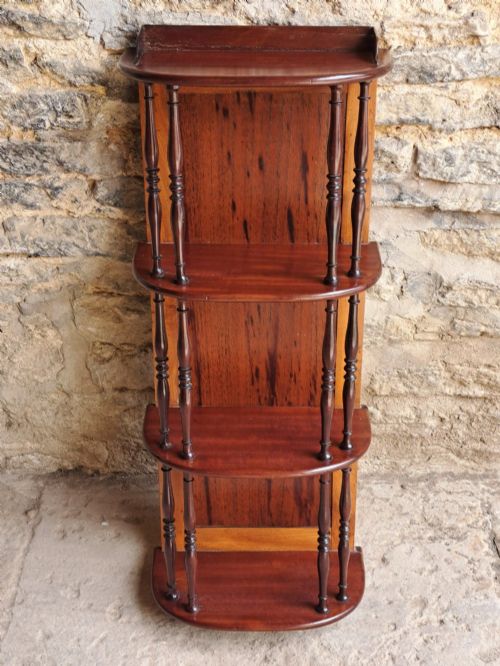
A 19th century wall rack encompasses hanging shelves, coat hooks, and display brackets designed to clear floor space while organising household items. Buyers exploring this category frequently encounter mahogany hanging shelves, rustic pine kitchen racks, and elaborate Black Forest carved hooks.
The assortment spans formal Regency and Victorian library shelves alongside utilitarian iron hay racks and French country coat hangers. Survival rates favour sturdy hardwoods and kitchen pine, meaning simpler utility designs appear alongside decorative carved parlour pieces.
Materials and construction methods
Makers utilised solid timbers like mahogany, walnut, and pine, often joined with traditional dovetails or secured with heavy brass fittings and iron hooks. Carved examples display regional specialisms, utilising linden wood, horn, and ebonised finishes to achieve deep relief work.
Surface treatments range from clear wax finishes on figured mahogany to painted pine surfaces and detailed taxidermy integration. Structural integrity relies on secure hanging plates and substantial backboards designed to bear weight against plaster walls.
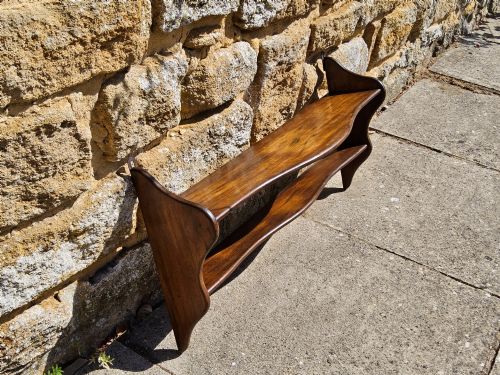
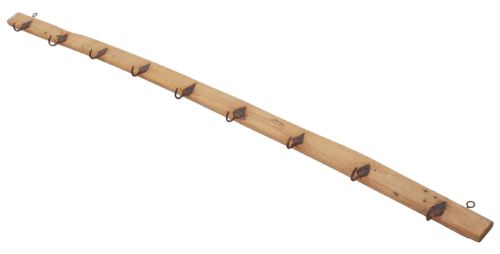
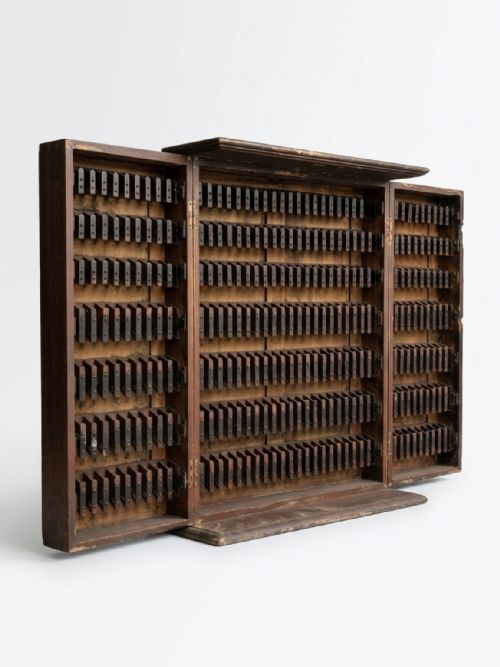
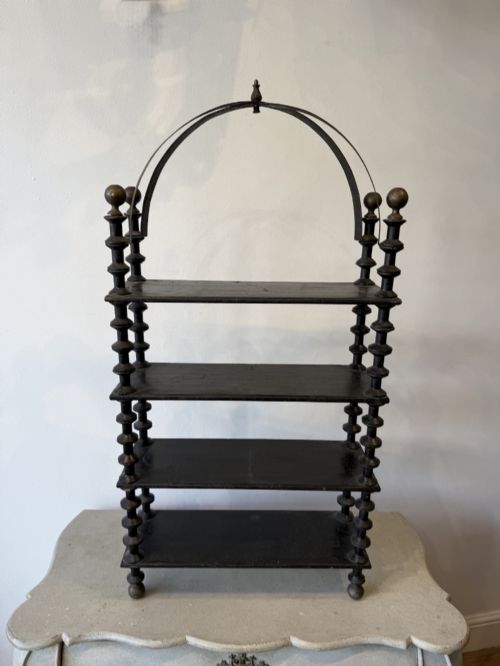
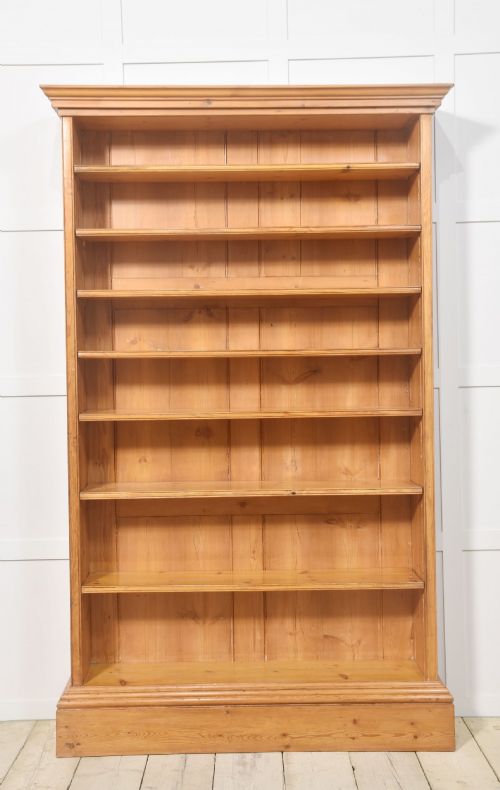
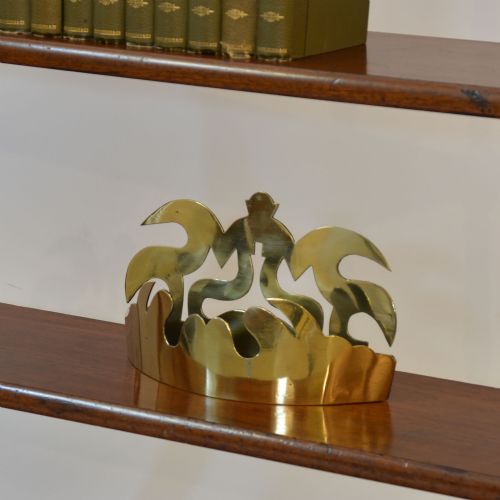
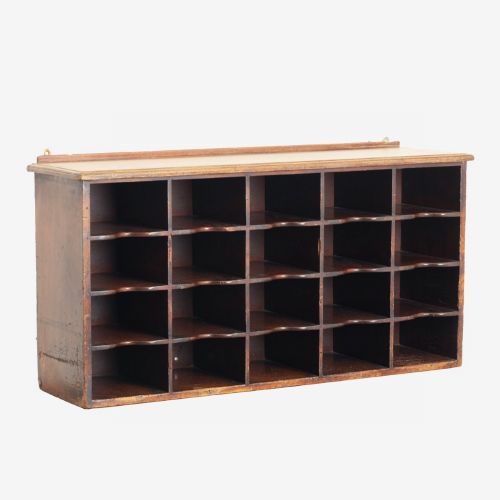
Listings feature structural variations spanning iron hay racks, brass wall pockets, and tiered mahogany bookcases.
Distinguishing quality across examples
Quality rests upon the crispness of the hand-carving, particularly on Black Forest animal motifs and Regency moulding details, where shallow or blunt work indicates mass production. The choice of timber also dictates standard, with dense figured mahogany and select walnut commanding higher execution levels than utilitarian softwood.
Original hardware, including matching brass hooks, cast iron brackets, and period mounting points, preserves integrity. Altered shelves or replaced backboards diminish the historical coherence of the piece.
The 19th Century Wall Rack Glossary
- Black Forest
- A style of wood carving originating from central Europe, characterised by deeply modelled naturalistic animal figures and foliage. These items often incorporate horns and linden wood.
- Regency
- A British design period spanning the early nineteenth century, known for classical proportions and refined mahogany surfaces. Pieces from this era lean towards architectural restraint.
- Wall pocket
- A hanging receptacle designed for letters, documents, or small domestic items rather than books. They appear in brass, ceramic, and carved wood.
- Portmanteau
- A wall-mounted rack combining coat hooks, a hat shelf, and sometimes a mirror or umbrella stand for a hallway. They provide comprehensive entryway storage.
19th Century Wall Rack: Frequently Asked Questions
How do I hang a heavy wooden rack safely?
Ensure the mounting screws locate directly into wall studs or utilise heavy-duty plaster anchors rated for the weight of the timber.
Check that the hanging loops or brackets on the backboard remain firmly attached before installation.
What is the difference between a shelf and a rack?
Shelves provide flat horizontal surfaces for books or display items, whereas racks primarily feature hooks, pegs, or slots for hanging garments and utensils.
Many nineteenth-century examples combine both functions into a single wall-mounted unit.
Can I use an antique kitchen rack in a modern bathroom?
Pine and hardwood kitchen racks adapt well to modern bathrooms for holding towels and toiletries, provided humidity is managed.
Protect vulnerable antique finishes from direct water splashes with appropriate natural waxes.
How do I identify Black Forest carvings?
Black Forest pieces typically depict wild animals, such as deer, chamois, or eagles, rendered in detailed linden wood or walnut.
Natural elements like actual horns or antlers frequently integrate into the physical structure of the rack.