
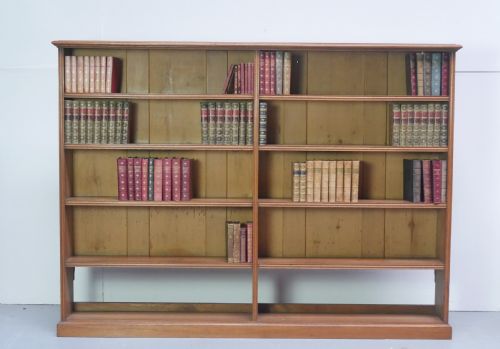
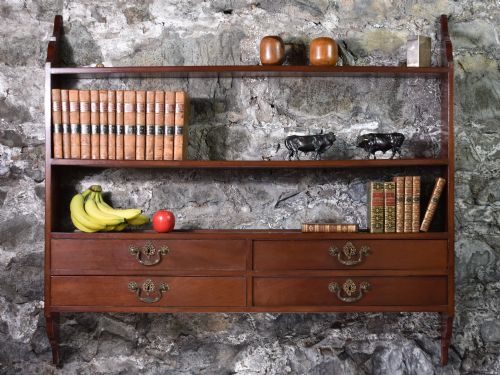


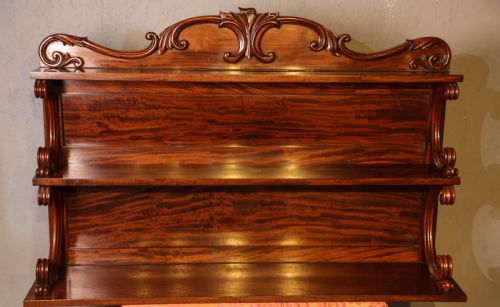
Antique Wall Bookshelf
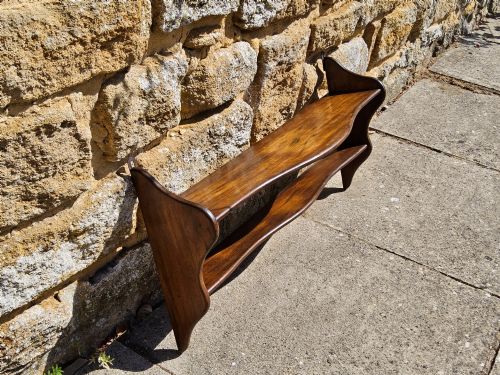
An antique wall bookshelf lifts your volumes off the floor and organises them neatly on the wall.
Antique Wall Bookshelf
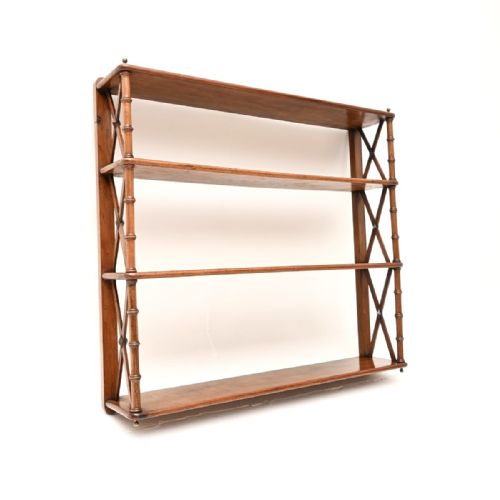
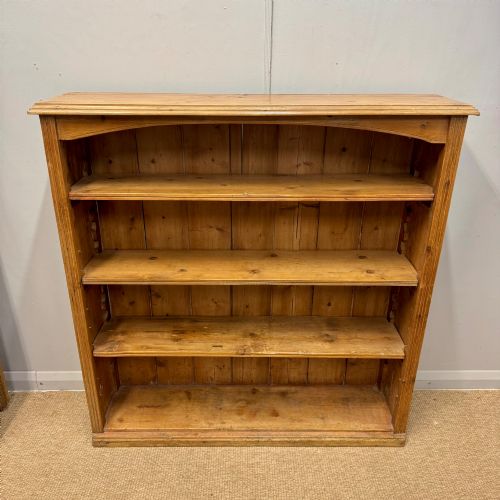
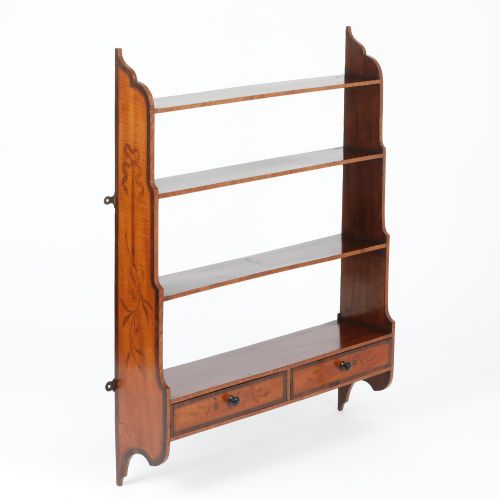
An antique wall bookshelf provides compact storage that fastens directly to the wall, keeping rooms orderly without taking up floor space. You will find that mahogany, walnut, and pine form the backbone of these pieces, alongside oak, satinwood, and satin birch.
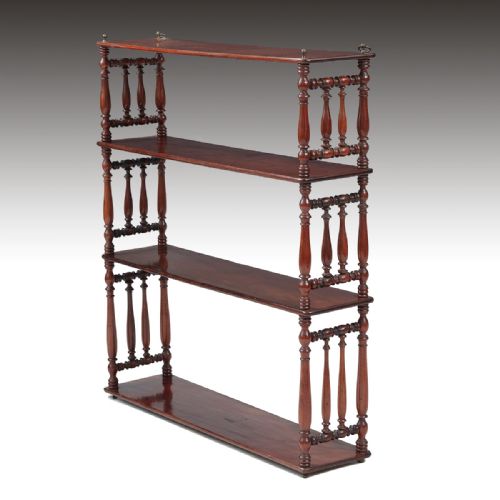
The pieces on this page span the 18th century, the Regency era, and the Victorian period, running through to 1900. Hanging shelves, open bookcases, and wall cabinets appear frequently in the listings, offering various tiers for storage.
Georgian and Regency examples sit alongside Victorian Gothic Revival pieces and Aesthetic Movement designs. Whether you need a simple set of hanging shelves or a wall-mounted display cabinet, these formats offer practical utility for displaying books and objects.
Materials and Construction
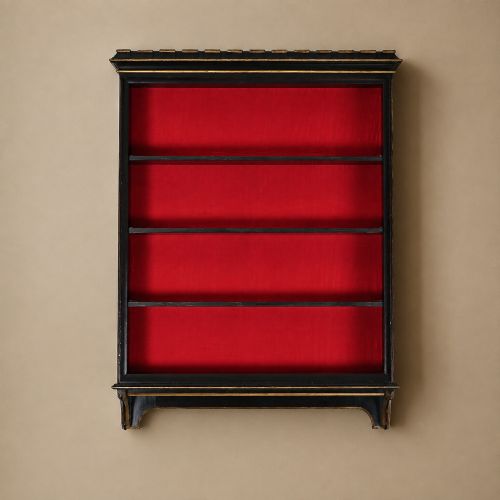
Cabinet makers utilised solid timbers such as mahogany, oak, walnut, and pine, often enhancing pieces with satinwood, satin birch, and ebonised wood. Brass hardware occasionally appears on mounts and fittings, whilst giltwood provides decorative framing on specific cabinets.
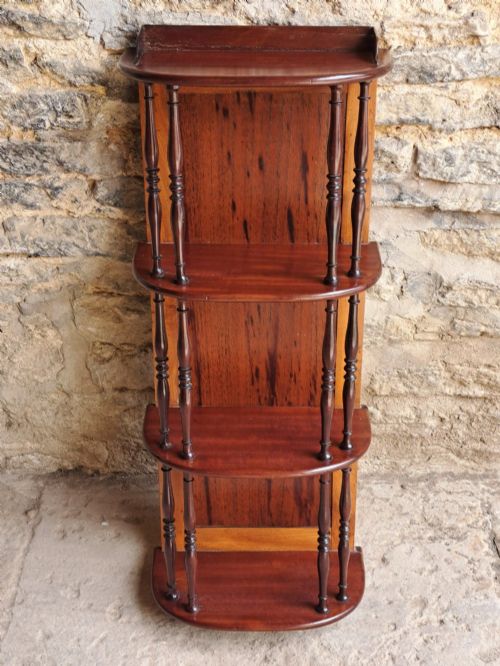
Joinery methods reflect the period of manufacture, from dovetailed shelves to turned bobbin supports and carved ornamentation. Timbers were selected for their grain and figure, then finished to highlight the natural qualities of the wood.
Some Victorian wall shelves feature turned wooden bobbin supports that look remarkably like stacked beads.
Assessing Quality and Execution
The refinement of the timber selection and the precision of the joinery dictate the standing of a piece. Fine quality manifests in the crispness of carved details, the choice of figured veneers, and the structural integrity of the hanging supports.
Proportion and balance distinguish standard utility items from exceptional examples. Pieces attributed to notable designers or featuring complex architectural elements like Gothic revival tracery command greater attention.
George Edmund Street·John Moyr Smith
The Antique Wall Bookshelf Glossary
- Hanging shelves
- Open shelving units designed to be mounted directly onto a wall rather than resting on the floor. They typically feature two or more tiers for books and small objects.
- Whatnot
- A multi-tiered piece of furniture used for displaying ornaments, books, or collectibles. Wall-mounted variants bring this open display format to vertical surfaces.
- Gothic Revival
- An architectural and decorative style drawing inspiration from medieval design. It frequently incorporates pointed arches, trefoils, and heavy carved oak.
- Ebonised wood
- Timber treated with a dark stain or chemical process to imitate ebony. This finish was particularly popular during the Victorian period for accentuating architectural details.
- Aesthetic Movement
- A late 19th-century design current emphasising visual and decorative qualities over narrative content. Pieces from this movement often display refined craftsmanship and stylized ornament.
Antique Wall Bookshelf: Frequently Asked Questions
How do I hang a heavy antique bookshelf safely?
Check the weight of the timber and locate the wall studs before mounting any antique wall bookshelf. Secure appropriate brackets or screw fixings directly into the structural timber to bear the load safely.
Distribute your books evenly across the tiers to prevent warping or undue stress on the old joints and fixings. Professional installation is recommended for larger walnut, oak, or mahogany units.
What is the difference between a wall shelf and a wall cabinet?
Wall shelves offer open tiers for immediate access to books and decorative objects. They prioritise visibility and straightforward horizontal storage.
Wall cabinets incorporate doors, often glazed or panelled, which enclose the interior space. This design protects delicate volumes and collectibles from dust and handling.
How can I date an antique wall bookshelf?
Examine the timber species, construction techniques, and decorative style to narrow down the period. Mahogany and satinwood often point towards Georgian or Regency origins, whilst ebonised finishes and heavy mouldings typically suggest the Victorian era.
Look for tool marks, screw types, and backboards for further clues about age. Comparing the piece against documented examples from the 18th and 19th centuries helps confirm the timeframe.
Can these shelves support heavy volumes?
Most antique wall bookshelves suit standard hardbacks and paperbacks rather than massive reference folios. Assess the thickness of the boards and the condition of the support brackets before loading heavy books.
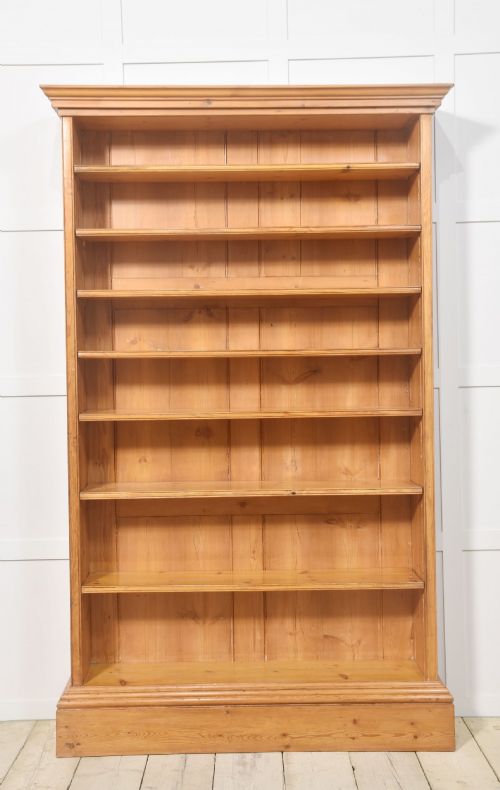
Adjustable pine or mahogany shelves should be checked for stability at the support notches. Lighter decorative items and modest collections are best suited to wall-mounted units.