

Vintage Hanging Rack
A vintage hanging rack brings practical wall storage and period character to any room, offering timber shelves, hooks and rails for daily use.
Vintage Hanging Rack
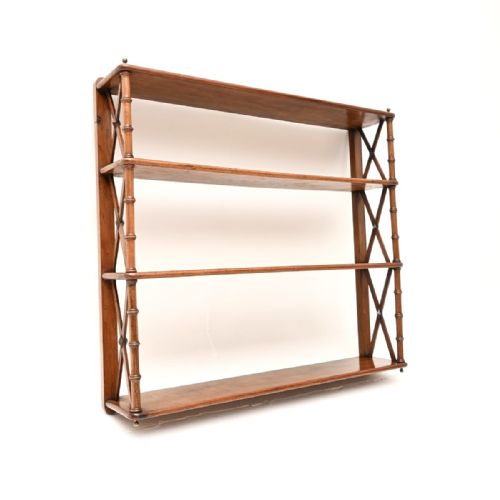
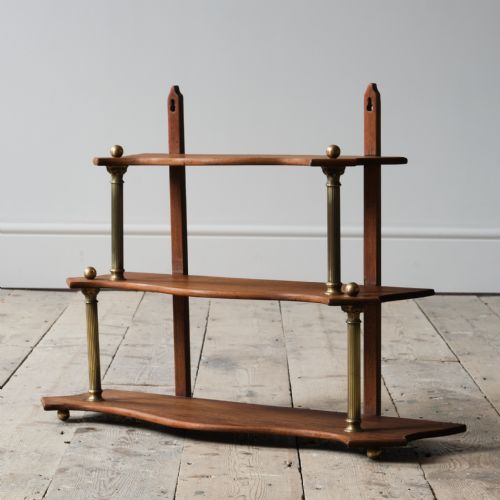
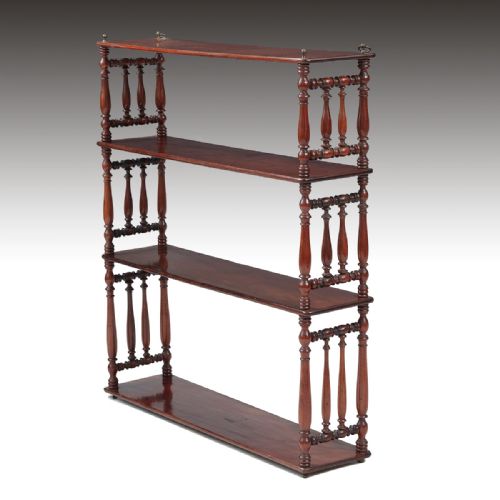
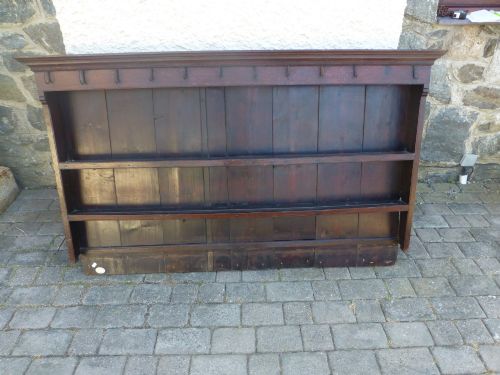
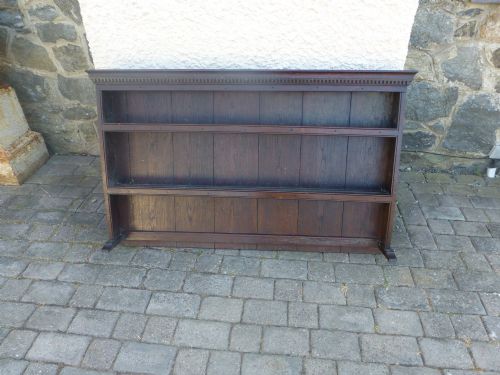
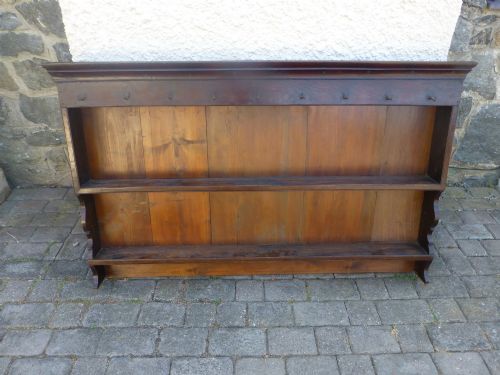
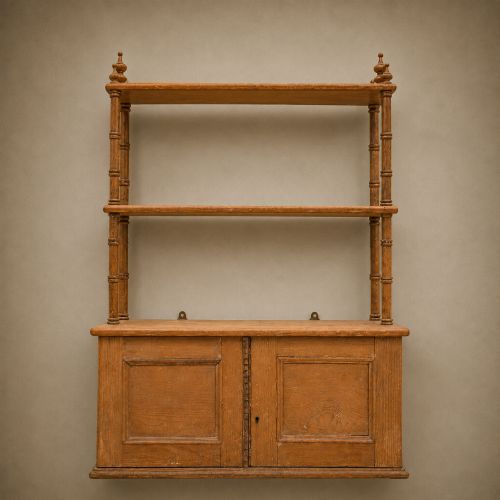
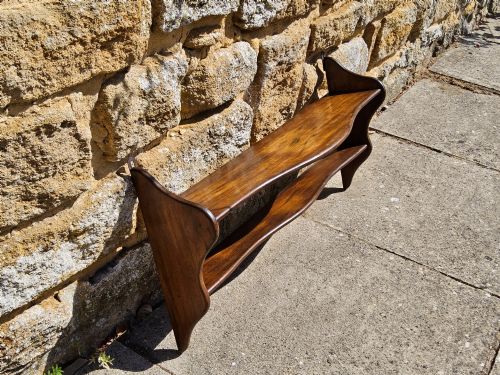
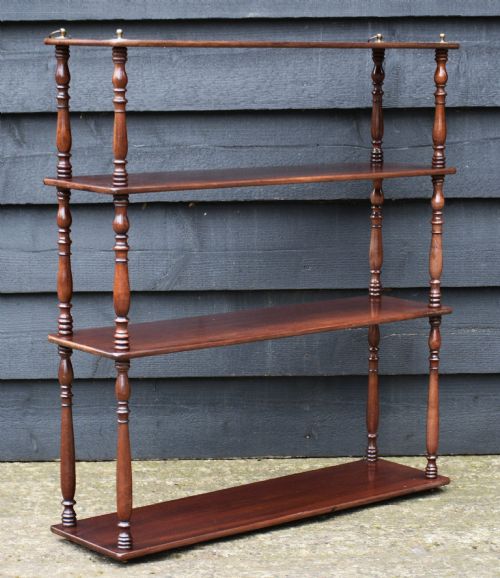
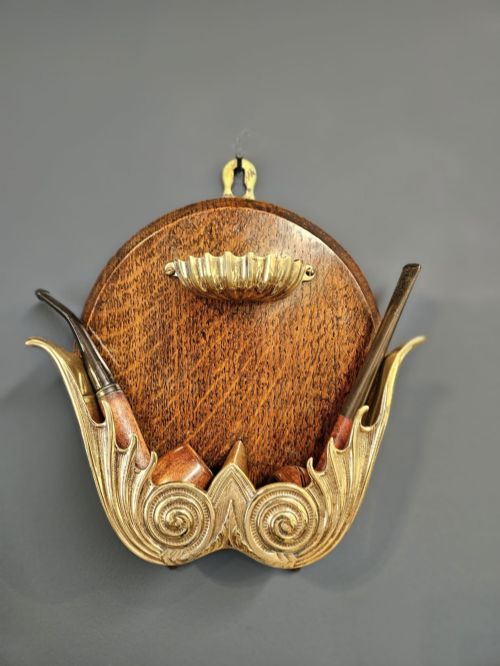
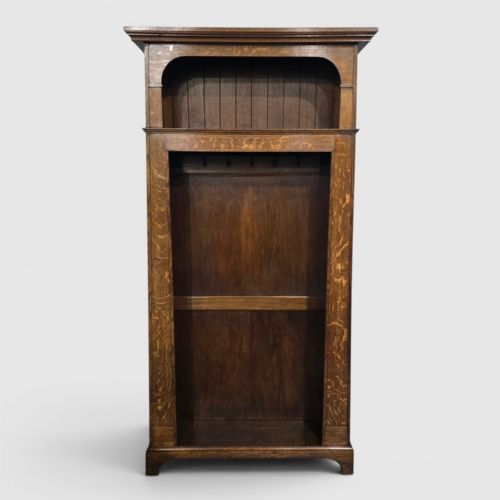
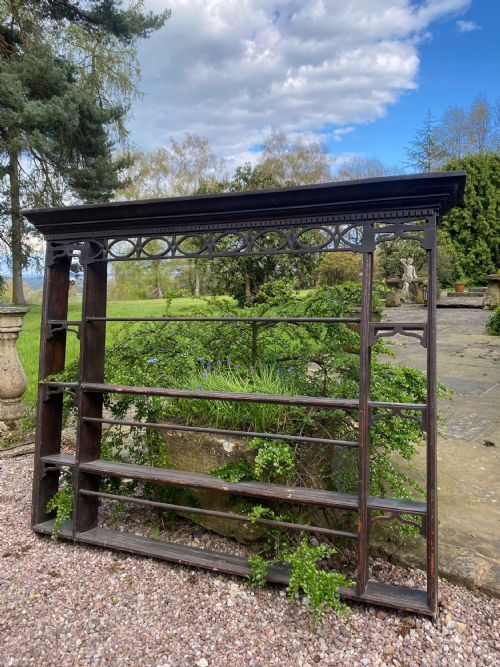
A vintage hanging rack serves as a wall-mounted fixture designed for storage, display and utility across domestic spaces. When exploring this selection, buyers frequently encounter wall shelves, plate racks, coat racks and specialised forms like pipe racks or game hook racks.
The objects span multiple eras, originating from the Georgian, Victorian, Edwardian and Arts and Crafts periods. Common configurations range from simple pine and oak kitchen storage to refined mahogany display shelves and French waterfall designs.
Materials and construction
Cabinetmakers and rural joiners utilised solid hardwoods and softwoods including oak, mahogany, walnut, pine and limewood. Construction often involved pegged joints, dovetails and simple mounting brackets suited for wall suspension.
Metal elements such as brass hooks, iron brackets and hardware provide structural support and functional hanging points. Many pieces also feature painted wood finishes, decorative carving or marquetry inlay.
Listings feature structural timbers including oak, mahogany, walnut, pine and limewood, alongside brass and iron hardware.
Distinctions in quality
Quality rests on the selection of timber, the crispness of any applied carving and the integrity of the original construction. Dense, well-figured mahogany and richly grained 18th century oak indicate superior craftsmanship.
Finer examples retain original brass fittings, uncompromised structural joints and authentic surface patination. Lesser pieces may show crude repairs, replaced hardware or unsympathetic later paint layers.
The Vintage Hanging Rack Glossary
- Delft rack
- A wall-mounted wooden shelf designed specifically to display ceramic plates upright on edge. These traditionally feature narrow plate grooves and protective front rails.
- Pipe rack
- A wall fixture fitted with shaped wooden notches and pegs to hold smoking pipes securely. They often incorporate small shelves or cupboards for tobacco accessories.
- Marquetry
- The art of applying thin veneers of various wood types to create decorative surface patterns. It appears on select 19th century backboards and cornices.
- Waterfall shelves
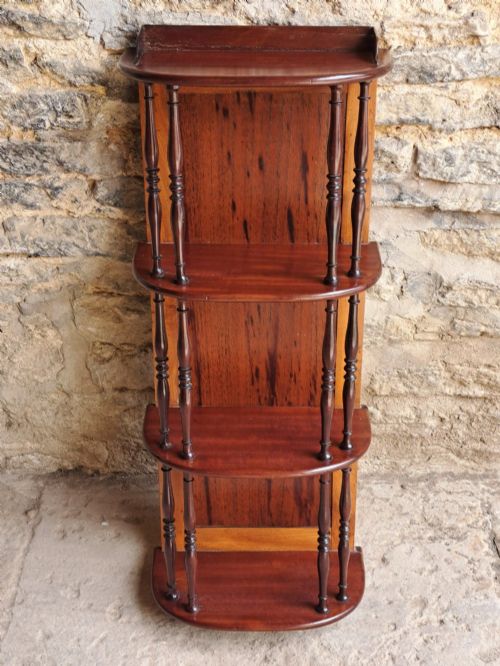
- A set of open wall shelves where each tier steps forward from the one above it in a cascading profile. This style gained popularity during the 19th century.
- Game hook rack
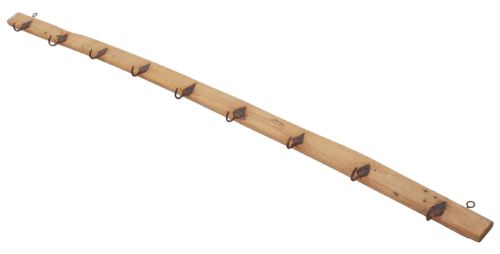
- A sturdy wooden rail mounted with metal hooks used historically in kitchens and larders to hang game birds and meats. They combine robust ironwork with solid timber beams.
Vintage Hanging Rack: Frequently Asked Questions
How do I securely hang an antique wall rack?
Most hanging racks require fixing directly into wall studs or using heavy-duty wall anchors suited to the weight of the timber. Professional installation is recommended for dense hardwoods like oak and mahogany.
Ensure the hanging brackets or internal screw holes align with secure wall fixings to support both the weight of the rack and any items placed upon it.
Were plate racks used only in kitchens?
While traditional delft plate racks originated as kitchen furniture for everyday pottery storage, later examples found places in dining rooms and parlours for decorative display. Their narrow shelves accommodated plates safely.
Today, buyers utilise these versatile racks in modern kitchens and living spaces alike for ceramics, books and decorative objects.
How do I clean and maintain antique wood?
Dust the timber regularly with a soft, dry cloth to prevent dirt buildup in carved details and joints. Avoid modern silicone sprays and harsh chemical cleaners which damage historic polishes.
Apply a traditional beeswax polish sparingly once or twice a year to nourish dry wood and preserve the natural surface sheen.
What is the difference between Georgian and Victorian wall shelves?
Georgian wall shelves tend to feature restrained classical proportions, solid oak or mahogany construction and simple architectural mouldings. They focus on utility combined with understated elegance.
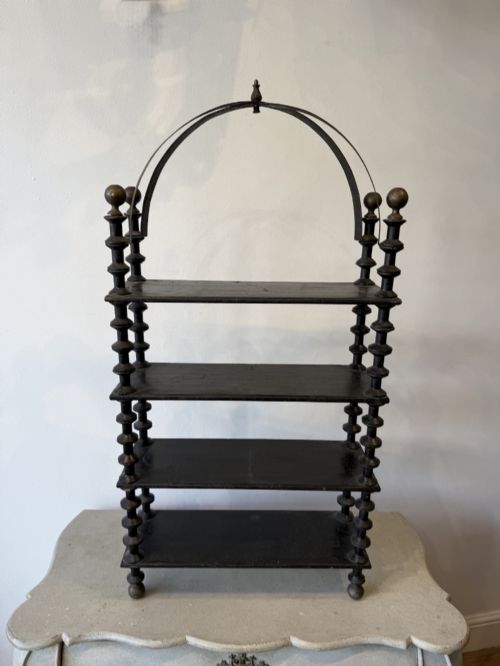
Victorian examples often display more ornate details, including carved decoration, turned supports, brass fixtures and sometimes painted finishes or marquetry.